North Carolina is home to 6 venomous snakes. Here’s what they look like
People and pets aren’t the only ones to start moving around outdoors when the weather warms up.
Snakes do it, too.
And 38 snake species in North Carolina, now’s the time of year when we are more likely to run into them. But generally speaking, most of our state’s snakes are nonvenmous and not aggressive unless threatened.
A fraction of those though, six to be exact, are venomous. Here’s how to identify them.
How to tell if a snake is venomous
Look at the head shape. As a rule of thumb, most venomous snakes have a triangular or diamond-shaped head, and nonvenomous snakes have a tapered head.
Don’t put all your eggs in one basket, though.
Some nonvenomous snakes, such as rat snakes, can mimic the triangular shape of venomous snakes by flattening their heads when threatened (to avoid becoming the prey of another animal).
Look for its eyes. Another tip is to check out the snake’s pupil shape. Venomous snakes have been said to have oblong pupils that look like a slit in the center of the eye, whereas nonvenomous snakes will have a round pupil.
But the best way to know whether a snake is venomous is to know those that are common in your area and be able to identify them.
What are the venomous snakes in North Carolina?
Six venomous snakes are found in North Carolina:
- Copperheads
- Cottonmouths (aka water moccasin)
- Eastern diamondback rattlesnake
- Timber rattlesnake
- Pygmy rattlesnake
- Eastern coral snake
While the Eastern coral snake is extremely rare, and most people are unlikely to come across it, this snake has very serious bite.
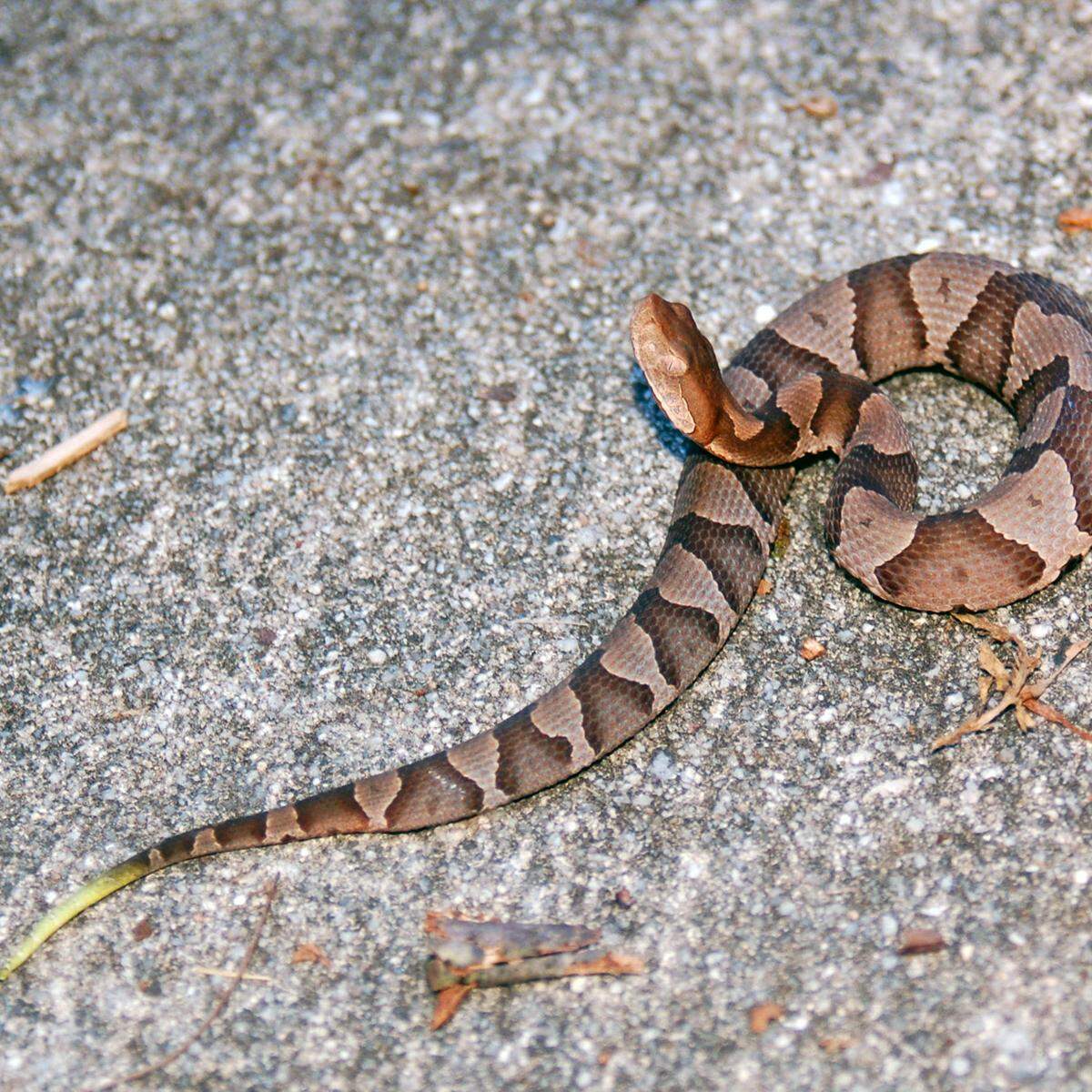
What do copperhead snakes look like?
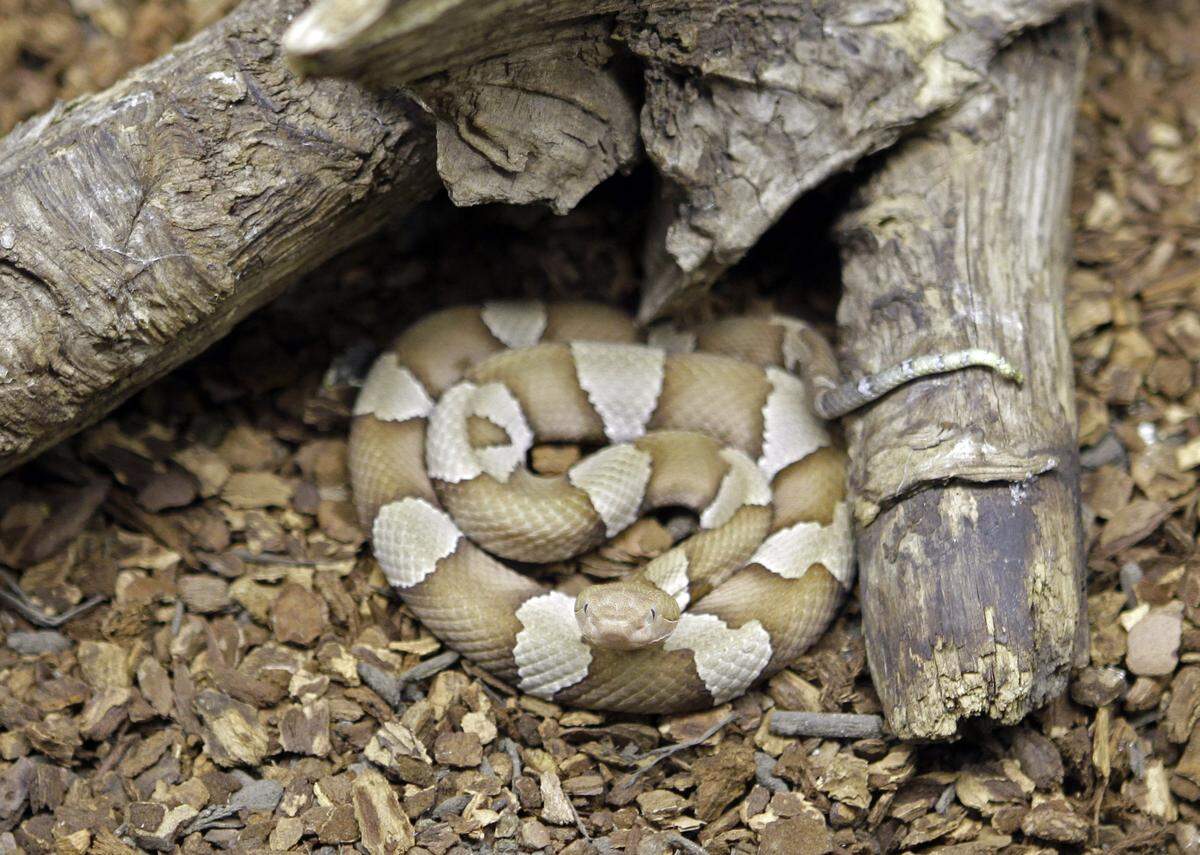
These are the most common venomous snakes in North Carolina, found across the state.
- They are brownish in color, have an hourglass-shaped pattern that looks like a Hershey kiss and can grow up to 3 feet long.
- Baby copperheads have a yellow or green tail tips, which turn black or brown around a year after birth.
- A copperhead bite can be severe, thought not as bad as other North Carolina snake bites, according to North Carolina Poison Control. Bites often result in pain and swelling around the bite area.
What do cottonmouth snakes look like?
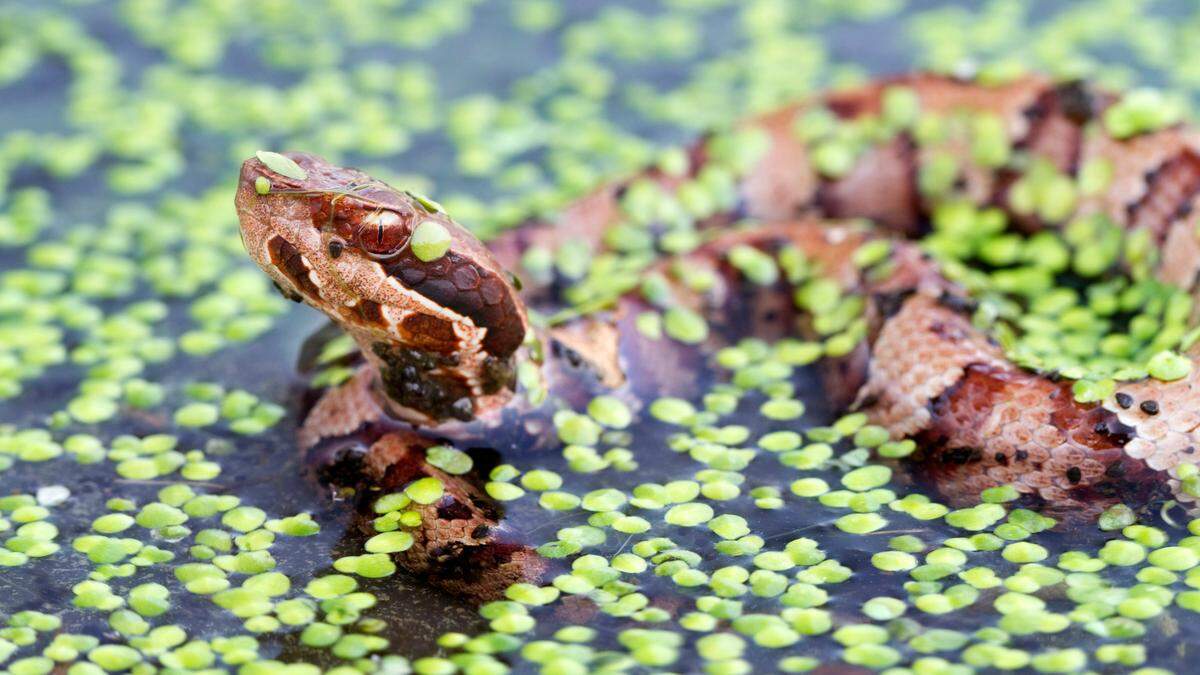
- Adults of these snakes, known for the white, cotton-like interior of their mouths, have dark bands on dark or olive skin. Older cottonmouths are dark all over, with no pattern.
- Young cottonmouths can be lighter and resemble copperheads. Juveniles have bright yellow or greenish tail tips and defined crossband patterns.
- They grow to about 3-4 feet in length but can be up to 6 feet long.
- Cottonmouths are most active at night and are found in habitats associated with water, often in the eastern part of the state.
The bite severity of a cottonmouth is similar to that of a copperhead.
What do Eastern diamondback rattlesnakes look like?
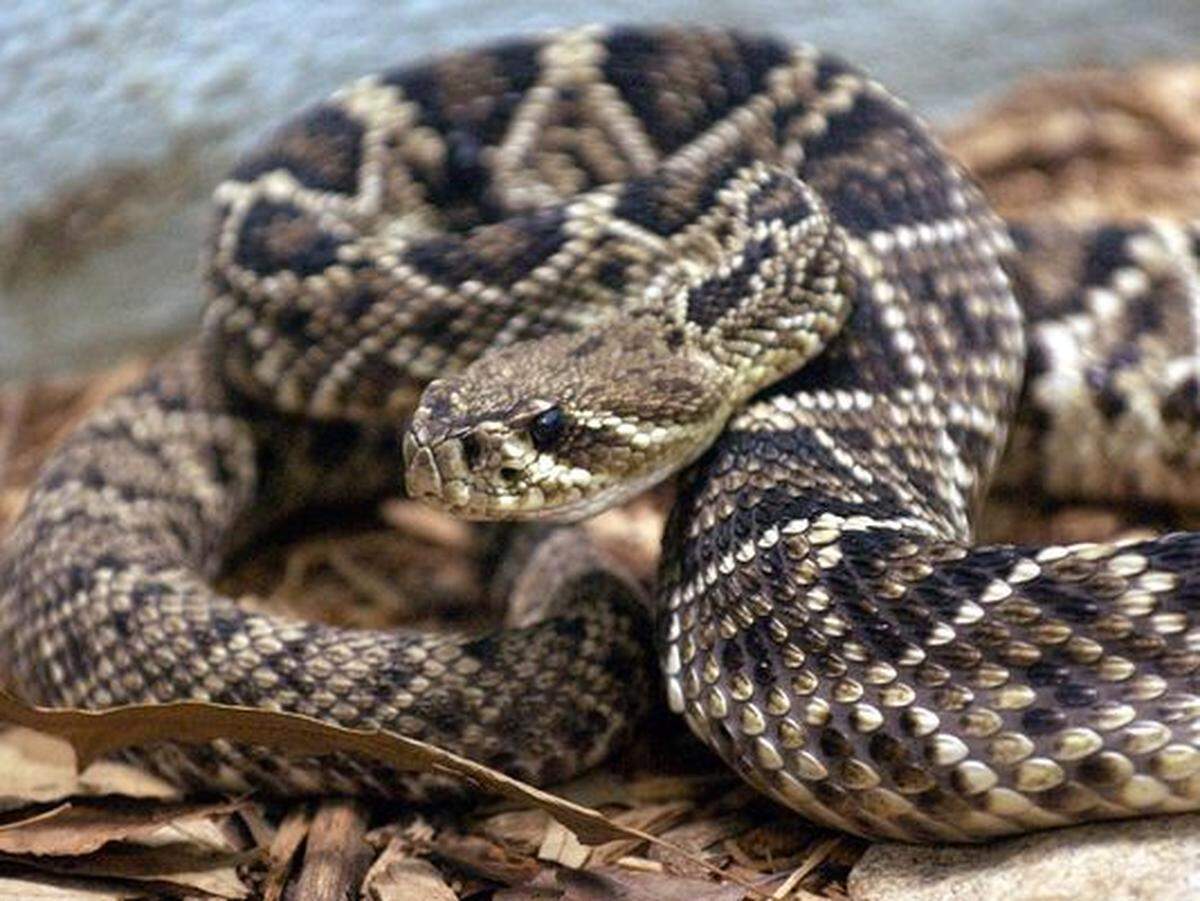
- Known for their rattle, these snakes are gray or yellowish with a dark diamond pattern outlined in black.
- Their heads are large and broad, and they have two light lines on their face.
- Found in the sandy, coastal regions of southeastern North Carolina, they weigh 4-5 pounds and can grow to 4-5 feet long.
- A bite from one of these rattlesnakes should be considered a medical emergency. However, according to the National Zoo, antivenom is available, so human deaths from rattlesnake bites are rare.
What do pygmy rattlesnakes look like?
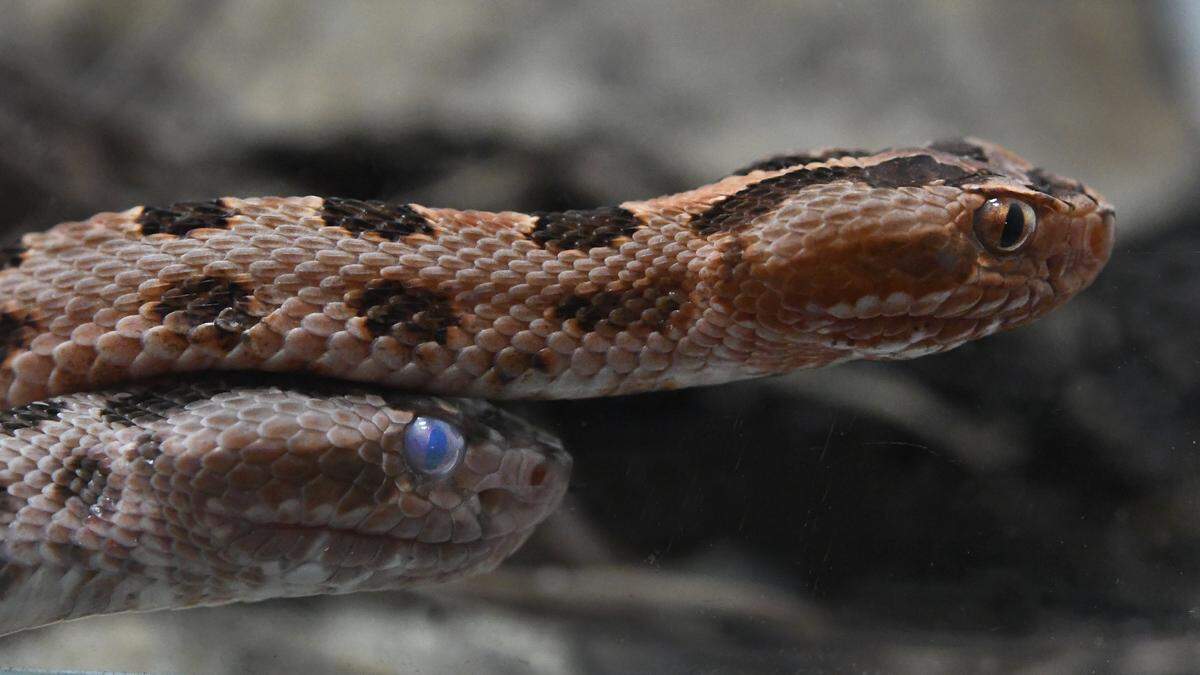
- These snakes have gray, pinkish or red skin with a dark, spotted pattern.
- They’re much shorter than the Eastern diamondbacks, only growing to about 1-2 feet in length.
- In North Carolina, pygmy rattlesnakes are often found in the southeastern part of the state, especially in forests.
- A bite from a pygmy rattlesnake is generally less serious than a bite from a larger rattlesnake, but medical attention should still be sought.
What do timber rattlesnakes look like?
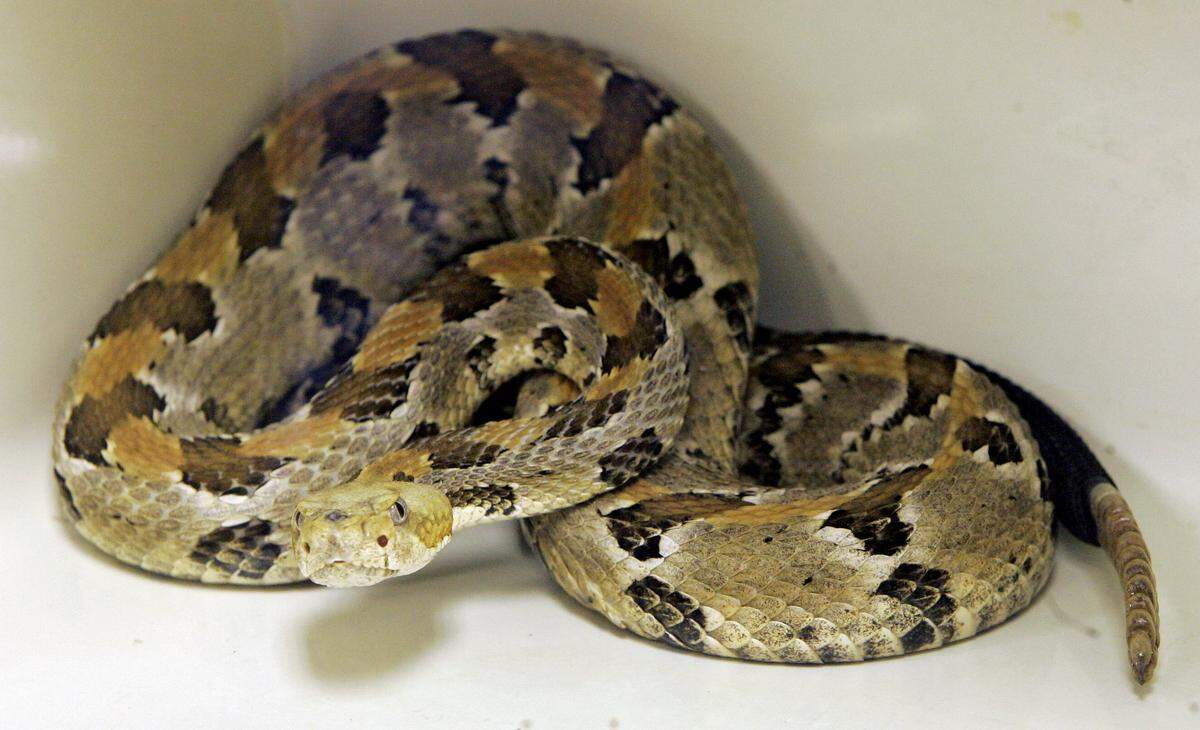
- These rattlesnakes vary in color but have dark bands on lighter skin with a rattle at the end of its tail. Some may have a brown or orange stripe down their back.
- They grow to about 4 feet long and in North Carolina, are most common in the mountains and Coastal Plain.
What do Eastern coral snakes look like?
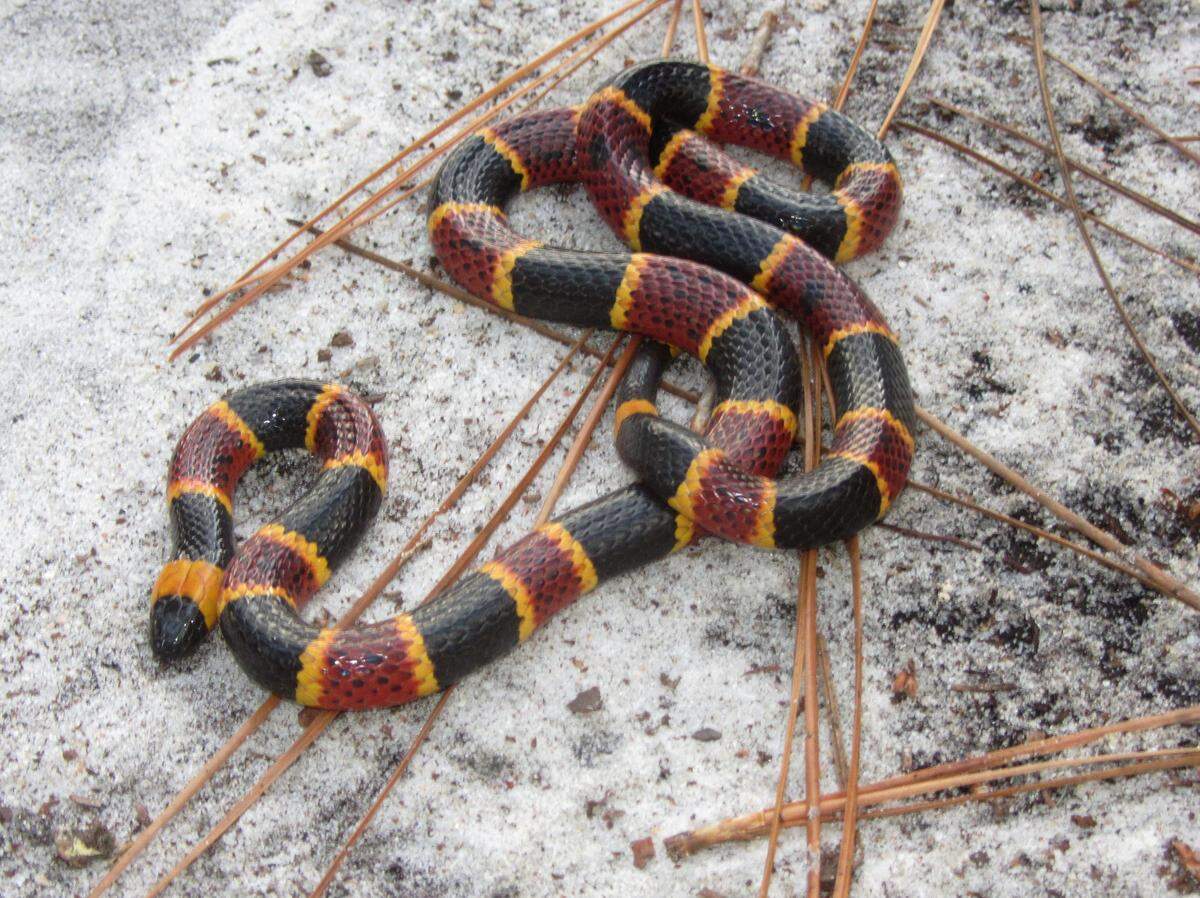
- These snakes are characterized by their rings of red, yellow and black.
- They closely resemble the nonvenomous scarlet kingsnake. But unlike the kingsnakes, the coral snake has a black (not red) snout. Remember the rhyme: “Red touches black, friend of Jack. Red touches yellow, kills a fellow.”
- They are North Carolina’s only members cobra family and only snakes with strictly neurotoxic venom, according to the North Carolina Wildlife Resources Commission. That means its venom affects the central nervous system and can cause respiratory failure, paralysis and possibly death.
- The Eastern coral snake is very rare, unlikely to be encountered by people. It stays underground most of the time and lives in sandy areas near the South Carolina border.
What to do if you are bitten by a snake
- Stay calm. If the person bitten by a snake and is experiencing chest pain, has difficulty breathing or face swelling, or has lost consciousness, call 911 right away.
Gently wash the bite area with warm, soapy water.
Remove any jewelry or tight clothing near the bite site.
Keep the bitten area still, if possible, and raise it to heart level.
Call North Carolina Poison Control at 1-800-222-1222.
What not to do if you are bitten by a snake
- Don’t cut the bitten area to try to drain the venom.
- Don’t ice the area, as this could further damage tissue.
- Don’t apply a tourniquet or tight bandage.
- Don’t suck on the bite or use a suction device.
- Don’t try to catch or kill the snake.
Reporting by The News & Observer’s Brooke Cain contributed to this story.