
This Raleigh soldier volunteered to fight in Ukraine, in the end making a sad sacrifice
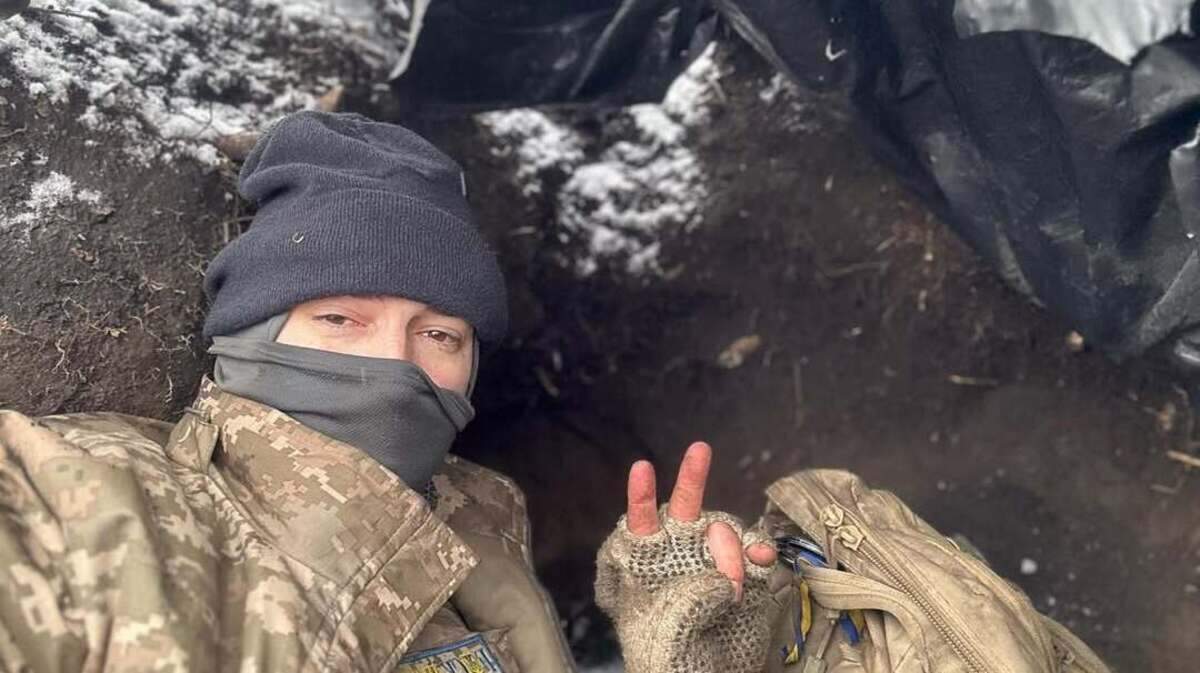
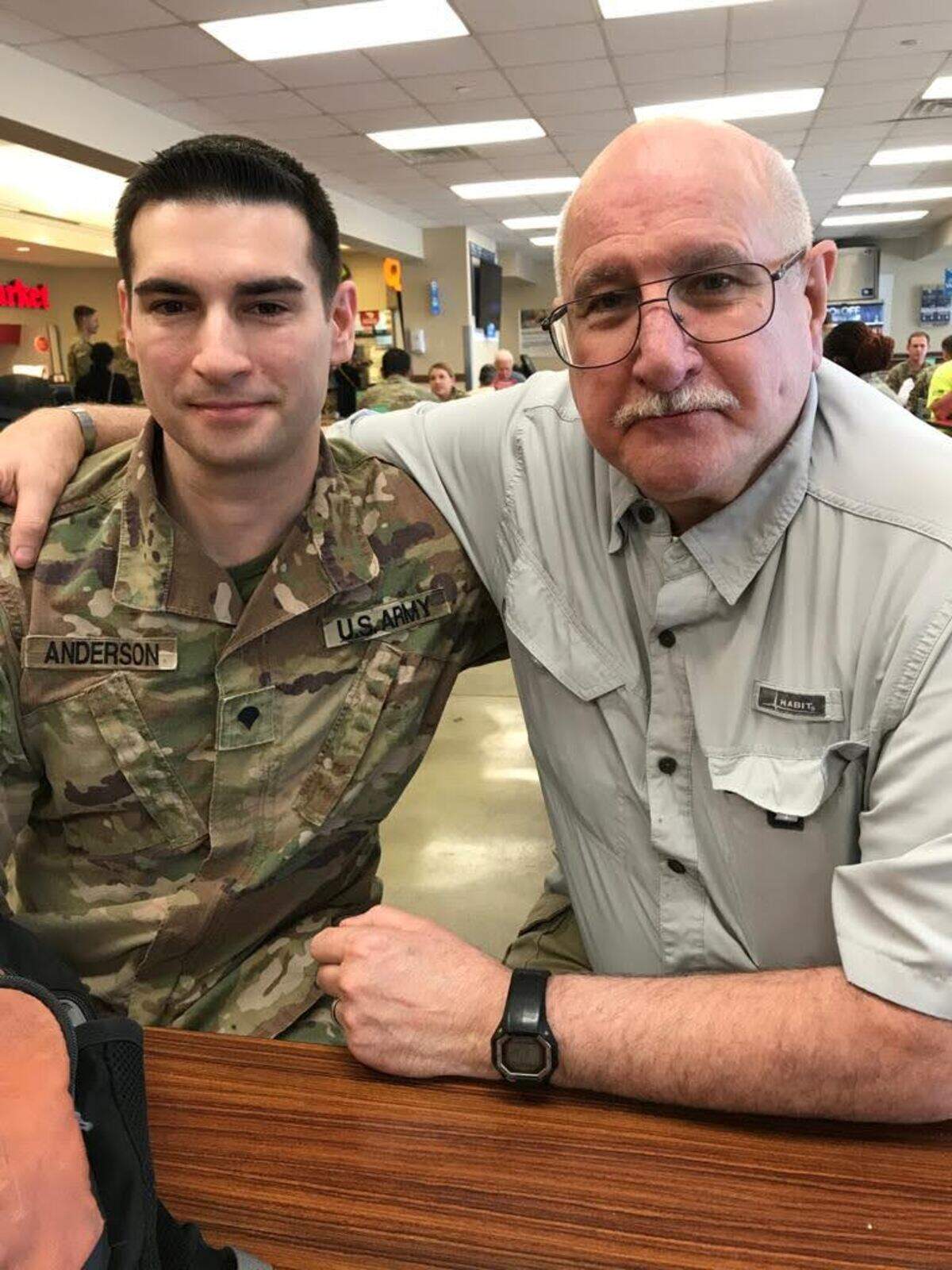
Three years ago, Stuart Anderson followed the call of his conscience and signed up to fight in Ukraine, joining a 35-man volunteer unit and taking the call sign “Rico,” manning the trenches with hand-me-down body armor.
For months, he faced near-daily assaults from Russian tanks and artillery, suffering eight concussions and a shrapnel wound in his scalp. His unit scavenged meat where they could find it and drank tainted water that brought severe dysentery.
Near the end, Anderson sat huddled in a bunker made from logs when a Russian artillery round hit and collapsed the whole shelter, trapping him inside an air pocket where he lay buried for a day and a half. He survived only because rescuers dug him out and loaded him on the back of a potato truck, driving three days to a hospital in Kharkiv.
Anderson’s family in Raleigh is left to tell these stories because at 42, Anderson finally succumbed to the scars he collected overseas — wounds that haunted both his physical and mental health. At his funeral in February, they praised him as excitable, unpredictable, dutiful, passionate, loyal, impulsive and wounded.
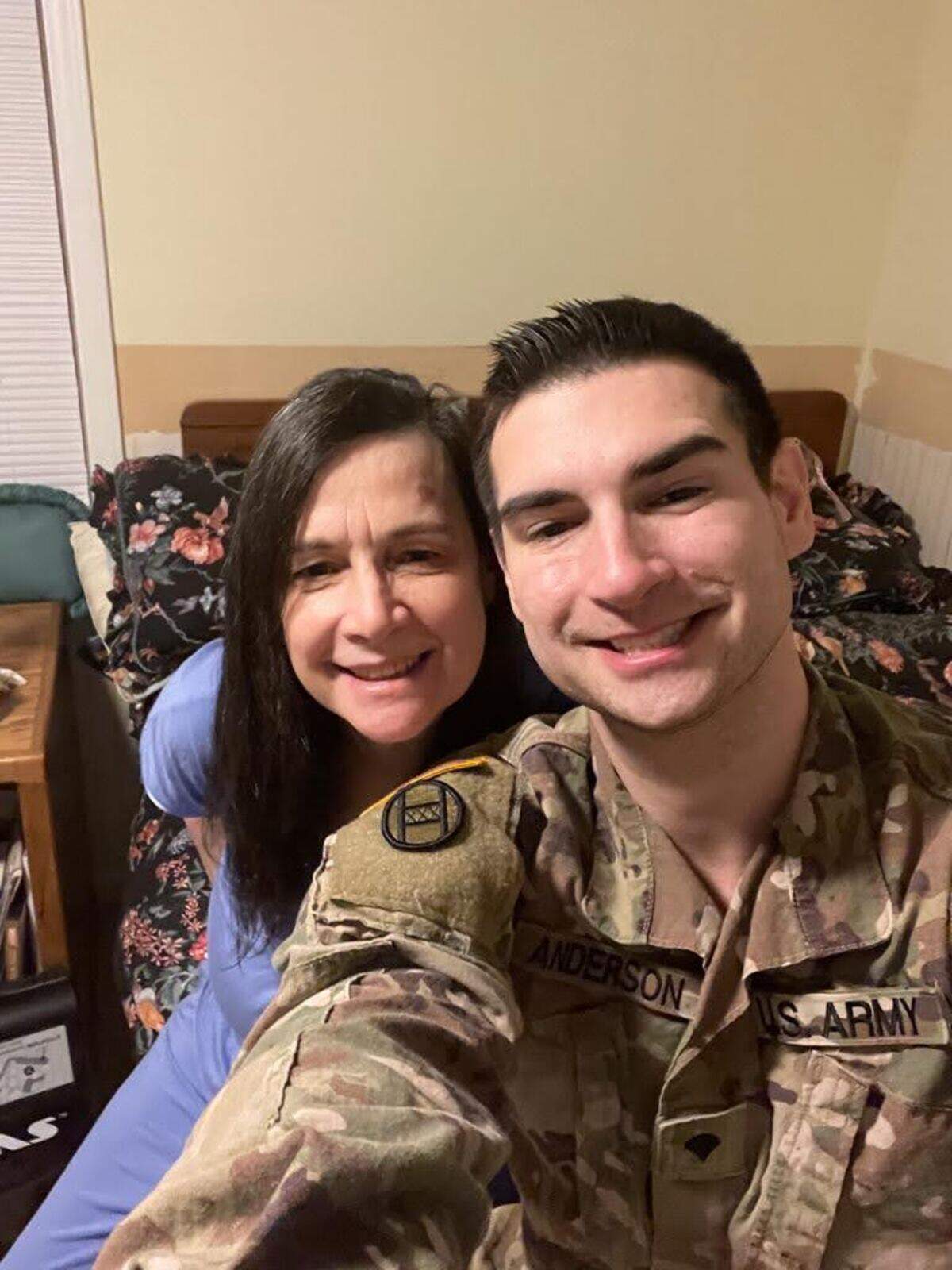
And while the fighting in Ukraine still dominates news, with a blowup in the Oval Office and shaky talks over a ceasefire, Anderson’s family asks the Triangle to recognize one soldier’s sacrifice.
“Stuart definitely believed in America,” said his brother, Ross Anderson, a middle-school history teacher. “He had a lot of complaints, but he was fundamentally a fan of America’s ability to help other people. ... He understood the only way America gets to be that country is for him to be one of those Americans.”
An unlikely soldier
Anderson, known by his middle name Heath, made for an unlikely soldier.
Born with a pair of holes in his heart valves, he had surgery to correct the defects when he was 4 months old. Doctors warned his parents their boy would be “fragile,” unfit for sports or strenuous life.
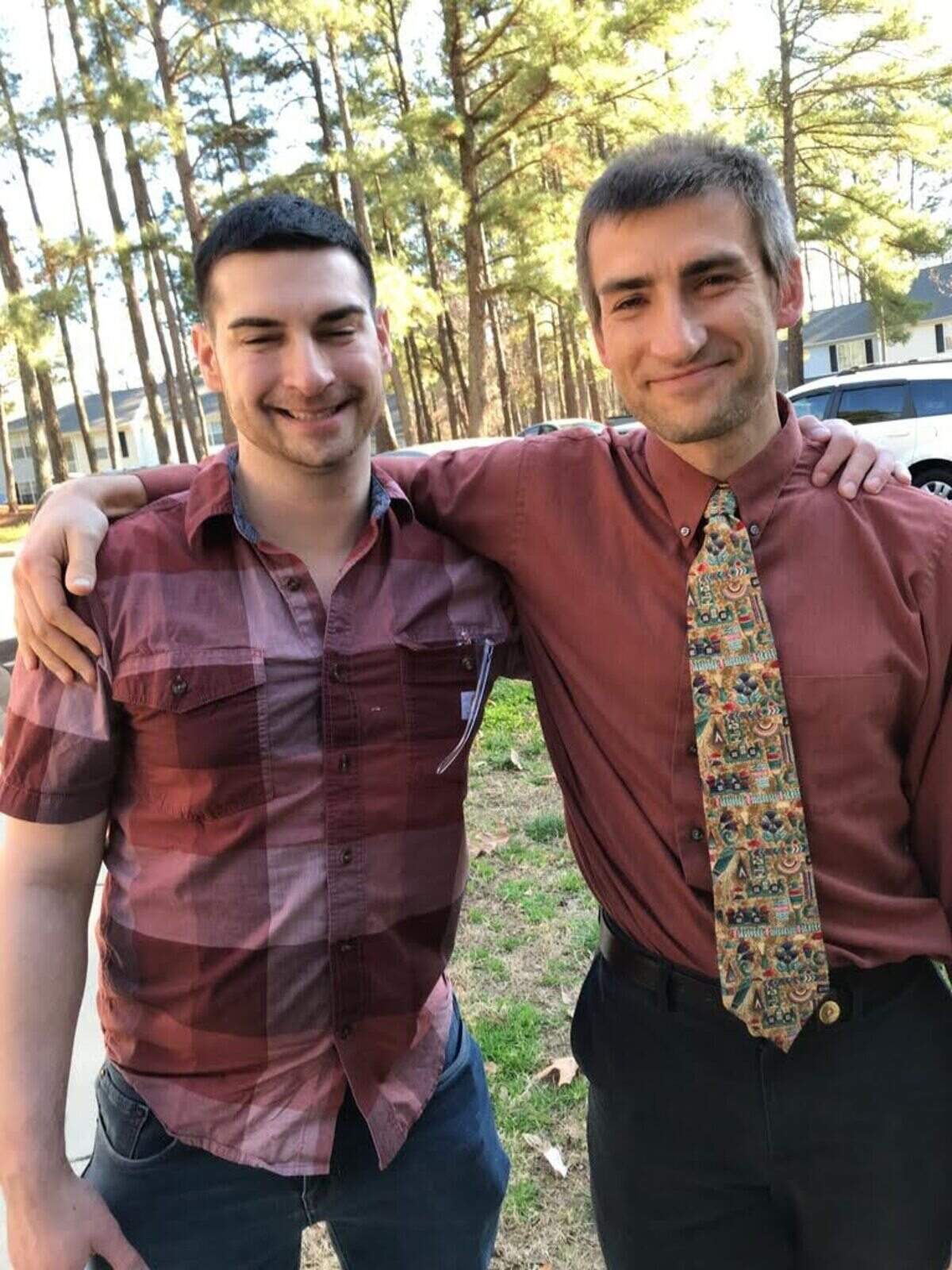
But Anderson took to building up his body, running, lifting weights, working as a lifeguard. He wanted a military career like his father and grandfather, but no recruiters sought him out. He worked a hodgepodge of jobs: bartender, bouncer, massage therapist and a small part on the Wilmington-made show “Six.”
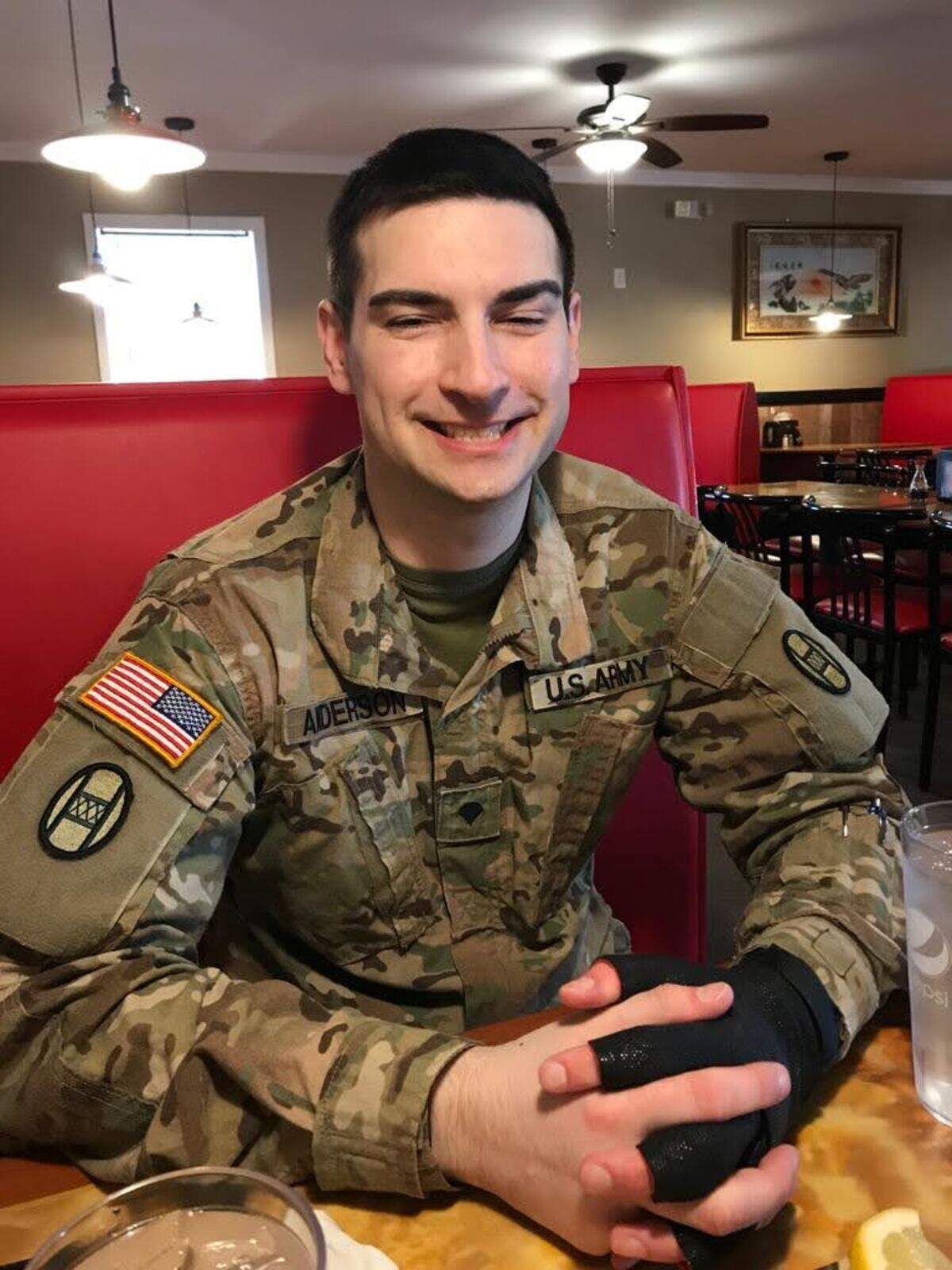
Finally, at 30, he presented enough evidence of his health to join the NC National Guard, where he trained with an infantry unit and helped with hurricane relief. He yearned for overseas deployment, which he finally got when sent to Syria in 2019.
Letdown in Syria
A pair of experiences there would drastically shift Anderson’s path:
For one, he suffered a crippling back injury during a training exercise, leading to an honorable discharge, 100% disability and chronic pain.
“That should have been the end of his military service,” said his father, Simms Anderson, who served in Vietnam. “It was not.”
More importantly, Anderson felt a deep betrayal when the first Trump administration opted to abandon Kurdish allies in Syria in the interest of ending “endless war.” Anderson had fought alongside the Kurds and befriended many of them, and suddenly found people he had helped spitting in his face.
“He talked about it as personal, not something that the government had done,” said his mother, Marion Anderson.
“He felt himself forever sullied and tarnished by what he had allowed to happen in Syria,” Ross Anderson said. “He was not as whole coming back from the Middle East. There was always something more to be done.”
Redemption in Ukraine
The number of Americans fighting in Ukraine is uncertain, but the Kyiv Independent reported last week that 50 had been killed in action there by this time last year.
CNN reported in January that 20 Americans were missing in action along the front lines, having filled in gaps in Ukraine’s strained defenses.
Anderson intended to go as an instructor. But when Ukrainian leaders learned he had military experience, trained as a sniper, they sent him immediately to the front.
His family in Raleigh had no idea he left to serve until he called from Ukraine on Christmas, and they soon found themselves receiving texts from the Ukrainian front whenever Anderson could find a Starlink connection.
“We would get these text messages and they were mind-numbingly brutal,” said Ross Anderson. “Like have a snap conversation with someone in Verdun and then going back to your breakfast.”
At one point, he told them his unit had been ordered to shoot a Russian prisoner. At another point, he told them a tank rolled directly over the trench and fired eight times, the blast triggering a concussion each time. Always, he told them, their greatest fear was having Russian soldiers flood the trenches.
Of the 35 in Anderson’s unit, all of them foreign volunteers, only seven survived.
After the bunker collapse, Anderson’s family had to talk him into coming home in 2023. He had served only six months, but under almost continuous combat. He gave much of the money they sent him to widows and children for passage out of Ukraine, but he eventually flew home, describing himself as being unfit for company.
Back home and living in Garner, he sought help from psychiatrists, spine experts and the Department of Veterans Affairs. His family reported canceled VA appointments while headaches, nightmares, sleeplessness and post-traumatic stress raged inside Anderson’s head.
In the end, these proved too much for a recovery.
He would go three or four days without sleep in his final days. He wanted desperately to return to Ukraine, and in moments when his treatment drugs combined badly, he believed he was there. One stabilizing thought for Anderson would be realizing he felt warm rather than freezing, meaning that he must be home in Garner rather than inside an icy trench.
Still, being flanked by the enemy remained Anderson’s greatest fear, and before he took his own life in the middle of the night on Jan. 28, he thought Russian soldiers had infiltrated his house. He died fighting them.
Anderson’s family is grateful for the nearly two years they had with him after his service. They are comforted that he was able to help fellow veterans in crisis. And they celebrate how he died wanting to do more.
“I would want people to know,” said his father, Simms Anderson, “from the historical American experience, Stuart was the kind of people we have always relied upon to keep our liberties, and to keep us safe.”
If you need help
- The National Suicide Prevention Lifeline is a hotline for individuals in crisis or for those looking to help someone else. To speak with someone, dial 988. The lifeline can also be accessed through online chat and its website at 988lifeline.org.
- The Crisis Text Line is a texting service for emotional crisis support. To speak with a trained listener, text HOME to 741741. This free, confidential service is available 24/7.
- The National Alliance on Mental Illness (NAMI) is also available for anyone struggling with a mental illness. To get help, dial 800-950-HELP (6264) if someone you know is struggling with mental illness.
This story was originally published March 14, 2025 at 9:45 AM.