NC has some of the most diverse hummingbirds in the US. Here’s how you can identify them
North Carolina’s most common hummingbird — the Ruby-throated hummingbird — is slated to make an appearance this month, but if you spotted a hummingbird in the last few months, it may have been a rare one.
There are 11 other hummingbird species that have been spotted in North Carolina, Susan Campbell, the co-founder at Cape Fear Bird Observatory and a research affiliate focusing on hummingbirds with the NC Museum of Natural Sciences, told The Charlotte Observer.
Here’s what to know about these rare birds.
Hummingbird species in North Carolina
Nearly all of the hummingbirds in North Carolina in the spring and summer are Ruby-throated, Steve Matadobra, a Master Gardener and president of the Transylvania County Bird Club, told the Observer.
The other species are what’s known as “vagrants,” or birds found outside of their normal migration range, he explained.
“They could be here for a couple of different reasons,” Matadobra said. “Either they’ve been blown off course, or for whatever reason, they decided to make a stop in North Carolina. So there’s one primary species, but there could be others that will occasionally visit North Carolina.”
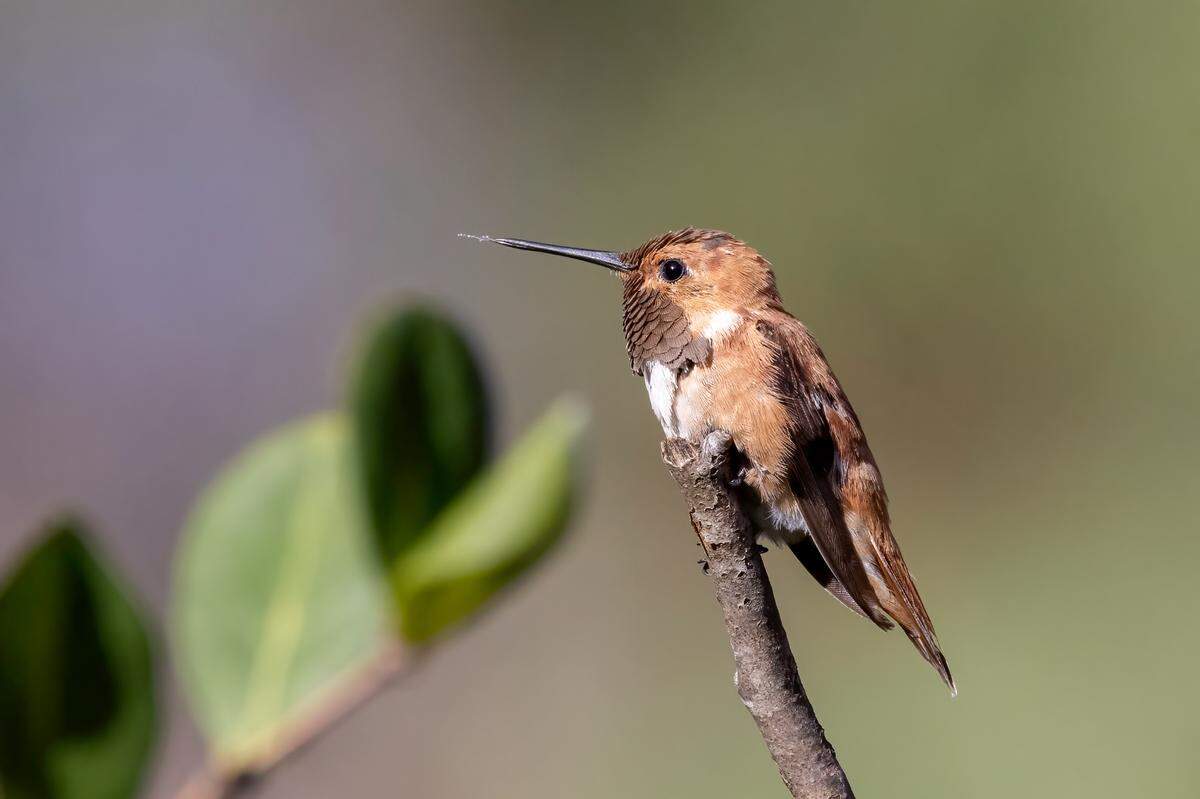
The next most common species of hummingbird in North Carolina is the Rufous, which typically show up during the winter months, Campbell said.
Adult males are almost entirely orange with bright white chest and some green on the back, The Cornell Lab of Ornithology says. Its throat is iridescent, and depending on the light, can look anywhere from red to orange to yellow to lime green. On females and young birds, look for orange on sides and tail.
For photos, videos and more, visit ebird.org/species/rufhum.
Winter NC hummingbird species
If you see a hummingbird during the winter, the chance of it being one of the 10 rare species found in North Carolina is much higher, Campbell said.
Like the Rufous hummingbird, there are a few sightings of two hummingbird species every winter. Here are those hummingbird species, with descriptions from the American Bird Conservancy and Cornell Lab of Ornithology:
1. Black-chinned hummingbird: The male is distinctive with a purple and black throat. The female has whitish underparts with almost no buffy tones (perhaps a very light wash on flanks). Tends to pump its tail more than other hummingbirds. Readily comes to sugar water feeders and flower gardens.
For photos, videos and more, visit ebird.org/species/bkchum.
2. Calliope hummingbird: Adult male Calliope Hummingbirds can be identified by their long purplish-red gorget (throat) feathers, which appear as stripes accented with white, and look whisker-like when fluffed out. Females and young birds closely resemble female Rufous and Allen’s Hummingbirds, but the latter species are slightly larger, with more contrasting markings and longer tails.
For photos, videos and more, visit abcbirds.org/bird/calliope-hummingbird.
There are eight other rare species that are even more rare but have been seen in North Carolina. These are:
Allen’s hummingbird
Anna’s hummingbird
Blue-throated hummingbird
Broad-billed hummingbird
Broad-tailed hummingbird
Buff-bellied hummingbird
Green Violet-eared hummingbird
Green-breasted Mango hummingbird
(To see images of any of these hummingbirds, visit eBird.com and search the name of the hummingbird you wish to explore.)
One of the rarest hummingbirds spotted near Charlotte
A hybrid Allen’s-Anna’s hummingbird was spotted at a feeder in Concord outside Charlotte a few years ago, Campbell previously told The News & Observer.
It’s one of the rarest birds to ever show up in North Carolina, even more rare than the Green-breasted Mango.
“We were fortunate to see it because of the dedicated birders in our state who spotted it and shared it with us so we can band it. If it didn’t have such vibrant plumage, we might not have known just what it was.
“We knew it was a one-off from photos, but we couldn’t identify the bird until it was in our hands,” she said.
How to identify a Ruby-throated hummingbird
Ruby-throated hummingbirds are typically the size of an average hummingbird (small, usually weighing two to 20 grams) and bright green in color, with males having a splash of red, Matadobra said.
“The males are the ones that will have a an iridescent, bright ruby-red-colored throat,” said Matadobra. “It’s interesting because lots of times you can’t see that color until they make a turn, or something like that. It’s more of a display for attracting mates.”
Ruby-throated hummingbirds are known to visit hummingbird feeders and tube-shaped flowers, and pluck tiny insects from the air or from spider webs, according to the Cornell Lab of Ornithology.
As for their habitat, Ruby-throated hummingbirds generally prefer to live in open woodlands, forest edges, meadows, grasslands, parks, gardens and backyards.
Reporting by The News & Observer’s Kimberly Cataudella Tutuska contributed to this story.
This story was originally published March 14, 2025 at 11:28 AM with the headline "NC has some of the most diverse hummingbirds in the US. Here’s how you can identify them."