Could Trump policies cut off access to life-saving meds? A Durham man worries
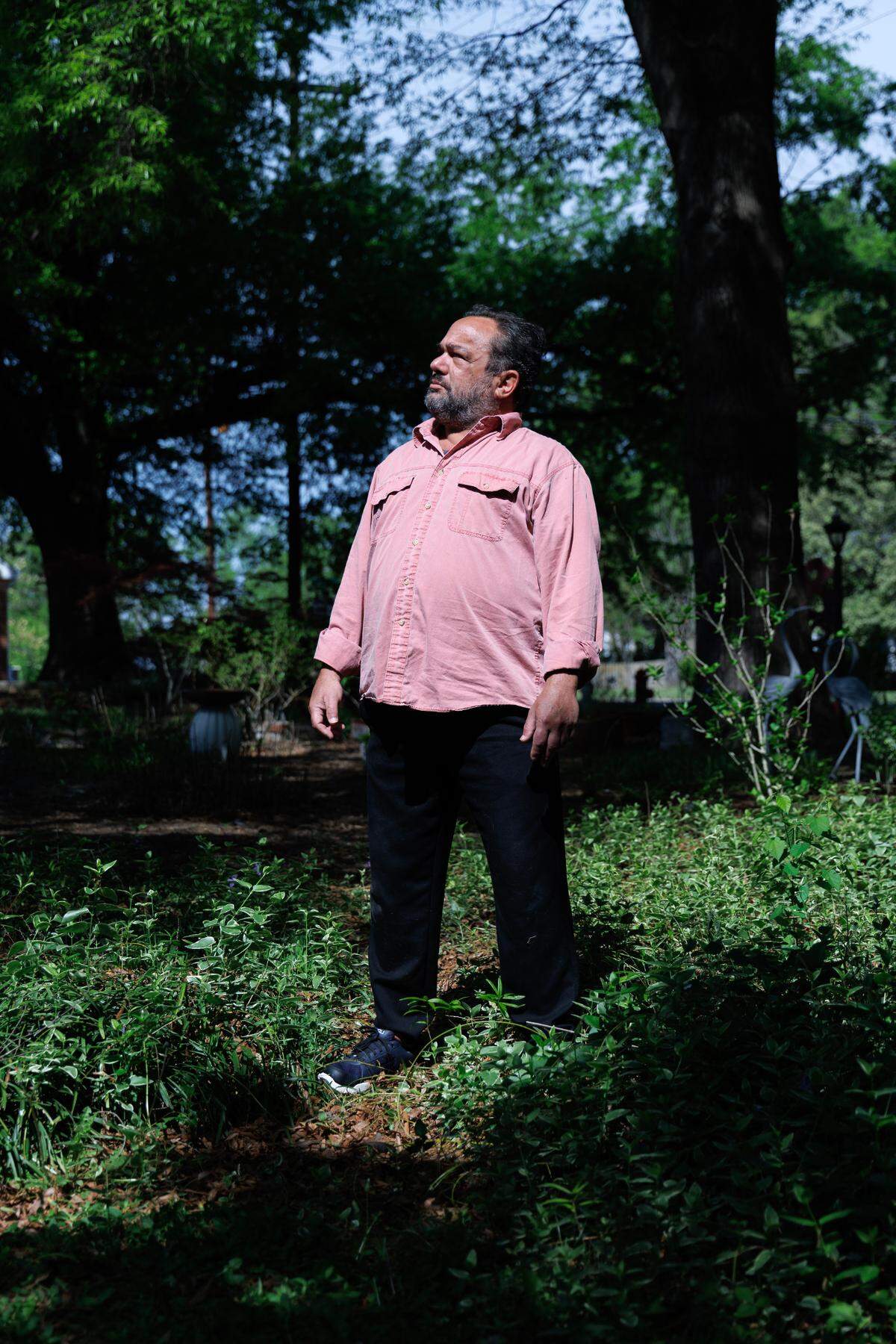
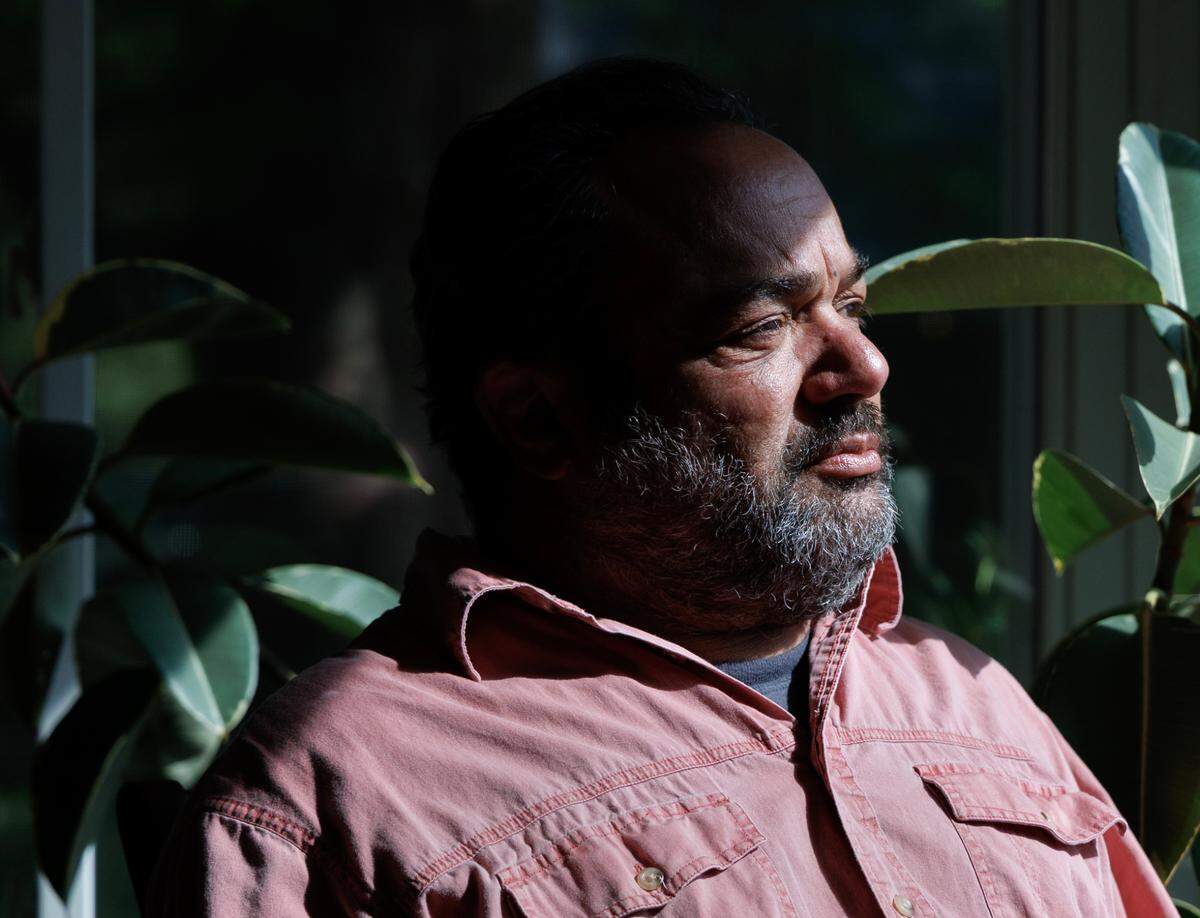
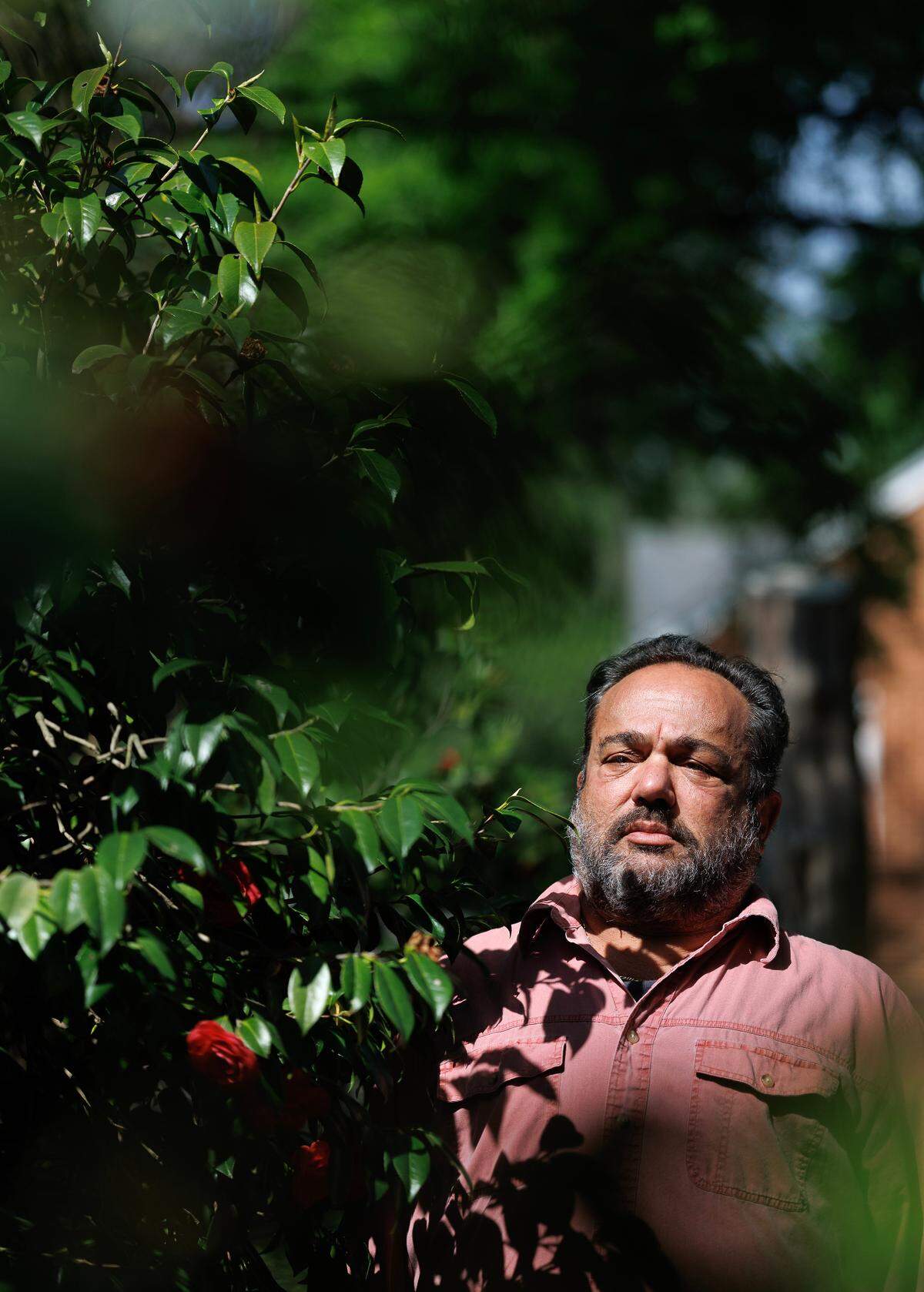
Marcelo Levy came to the United States in 1963 as an 8-month-old immigrant in the arms of his Jewish parents leaving Argentina for a better life.
A gay man, he survived the 1970s, when gay people were ostracized and harassed.
He contracted HIV in the 1980s, when the diagnosis was considered a death sentence and U.S. lawmakers pondered setting up “camps” for those infected with the virus that causes AIDS.
Until now, these were some of the traits that defined him. He wore them like badges: Hispanic, Jewish, immigrant, gay, HIV/AIDS survivor.
Now, he worries they may make him a target.
Since Donald Trump returned to the White House in January for a second term, Levy says he has watched with horror as the president’s policies have made life difficult for certain people and he has wondered when they would make things harder for him and his family.
What do you do if you can’t afford your medicine?
Levy, 62, was diagnosed with HIV/AIDS in 1985.
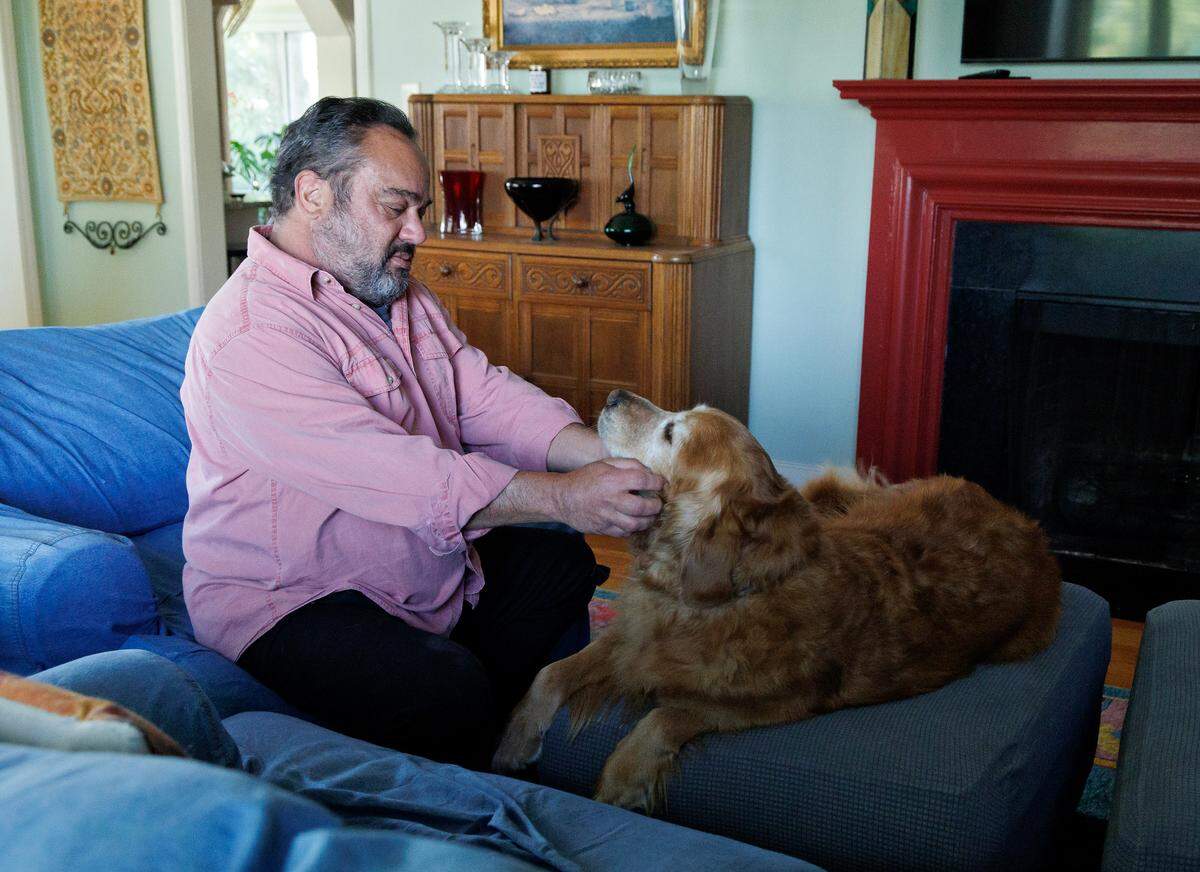
“I never imagined I’d still be alive 40 years later,” he told The News & Observer. Though disabled, Levy lives in Duke’s Trinity Park in a house he bought in 2007 and says he couldn’t afford to buy now.
Levy is alive because of advances in the treatment of his illness resulting in part from research heavily funded by the U.S. government. For the past couple of years, Levy said, he’s been treated with a cocktail of four prescription medications that would cost him $10,000 per month if not for the drug companies’ discount programs.
Levy said that among HIV patients, there is fear that the drug makers’ support of costly treatments could disappear if President Trump’s tariffs and other policies cause an economic recession; if Trump’s Department of Government Efficiency targets AIDS research money; or if the drug companies face pressure for their generosity to a once-shunned community.
If drug-makers drop their support, Levy said, “There is not enough money in the world to be able to afford those medications.”
The fear of cuts to Medicare and Social Security
If Trump’s DOGE cuts Medicare, Levy said, that also likely would reduce his access to treatment. Cuts to Social Security could mean a reduction in his disability payments.
Because he’s a naturalized citizen and, in his mind, as American as they come, Levy said he doesn’t worry so much about begin targeted for his immigrant status. And yet, he said, “I have pointed out to my partner where I keep my naturalization papers and my passport. Just in case.”
One of his greatest concerns, Levy said, is not for what the administration’s policies could take from him, but how America may be changing — going backward, he said, away from empathy and toward intolerance of people’s differences.
He has friends who have moved out of the U.S. or plan to, Levy said. He doesn’t want to leave and says he shouldn’t have to.
“This is our country, too.”