
The day Raleigh nearly burned to the ground, set ablaze by an angry mob
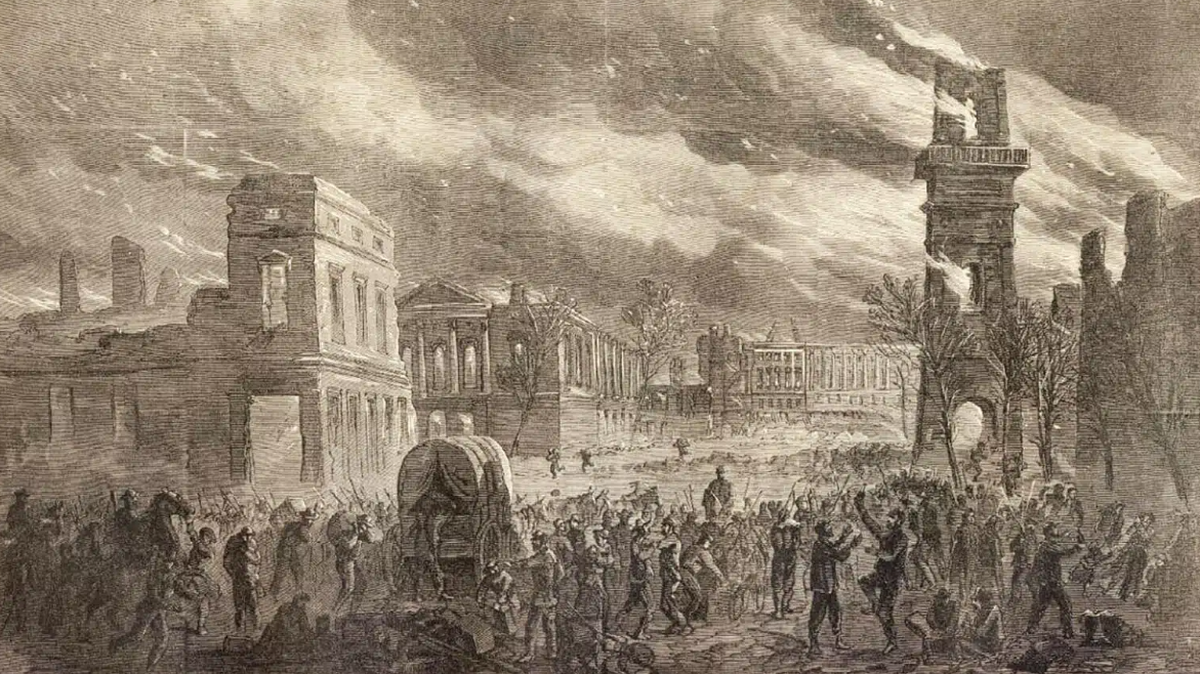
In April of 1865, Raleigh found itself under the uncomfortable thumb of the Union army, a horde of 15,000 led by the hated Gen. William Tecumseh Sherman, all of them perched on top of Dix Hill fresh from burning Atlanta, torching Columbia and beating the rebels into near-defeat.
The mayor had already surrendered the city, hoping to save Raleigh from the flames, and the long, bloody ordeal seemed all but finished for the ragged soldiers camped nearby.
And then a telegraph arrived, bearing grim news.
What happened next nearly destroyed North Carolina’s capital — a catastrophe barely averted 160 years ago this week.
On April 17, a mob of 2,000 Union troops marched down Dix hill with torches lit, intent on burning Raleigh to cinders as punishment for a rebel sympathizer shooting “Father Abraham,” their beloved president.
They refused all the arguments for decency, dignity and honor in the war’s final hours, turning back only when faced by their own officer, aiming at them with their own cannons packed with double loads of canister.
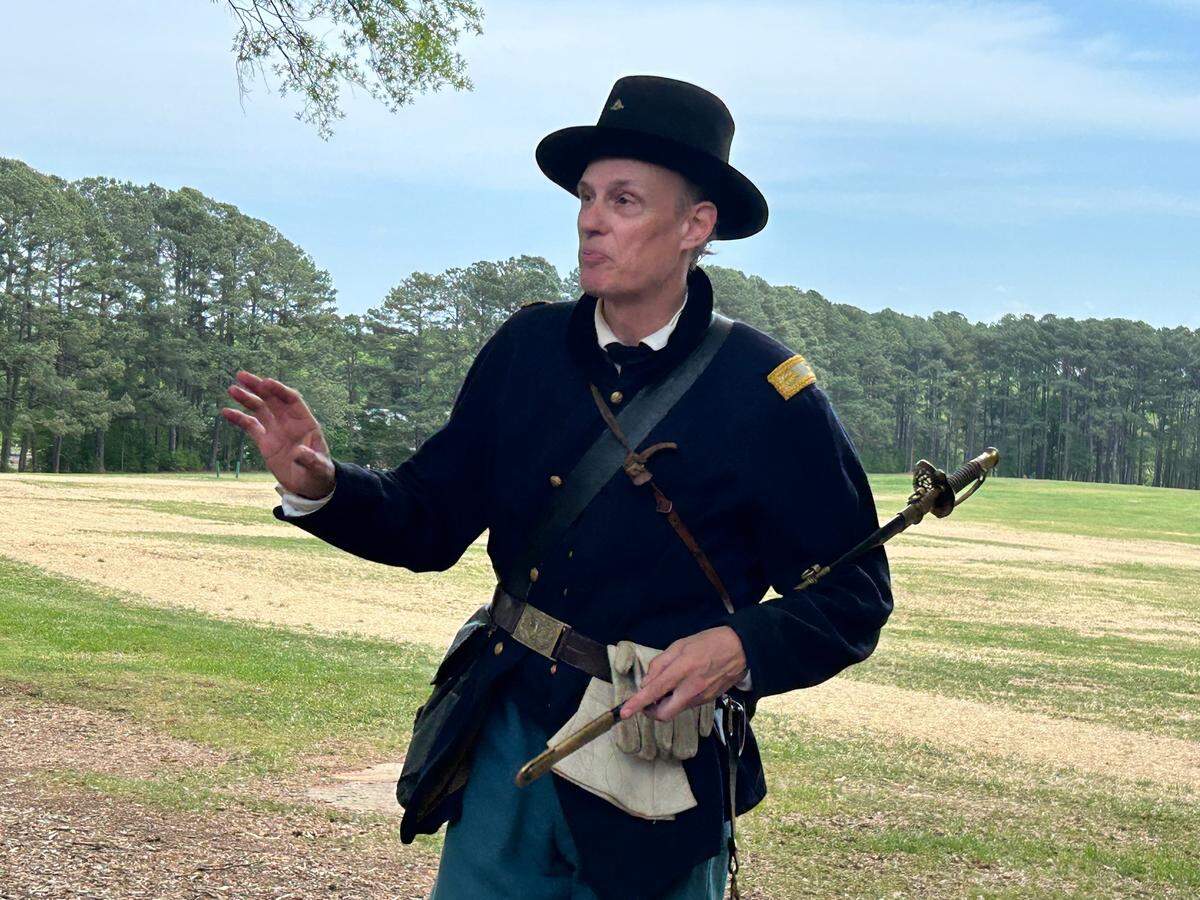
It’s an ominous and rarely told story that Raleigh brought out Saturday on a Civil War tour of Dix Park, where Director of Museums Ernest Dollar dressed in full Union regalia and told a crowd of 30 how the city narrowly dodged incineration.
“We escaped, by just a hair’s breadth,” he said, “from that charming city we cherish becoming a sea of charred and blackened destruction.”
A city of one square mile
As Raleigh continues to explore ways to use the treasure that is Dix Park — the last of the massively popular Dreamville festivals, the new Gipson Play Plaza — it will hopefully enhance what is arguably the best window into its history.
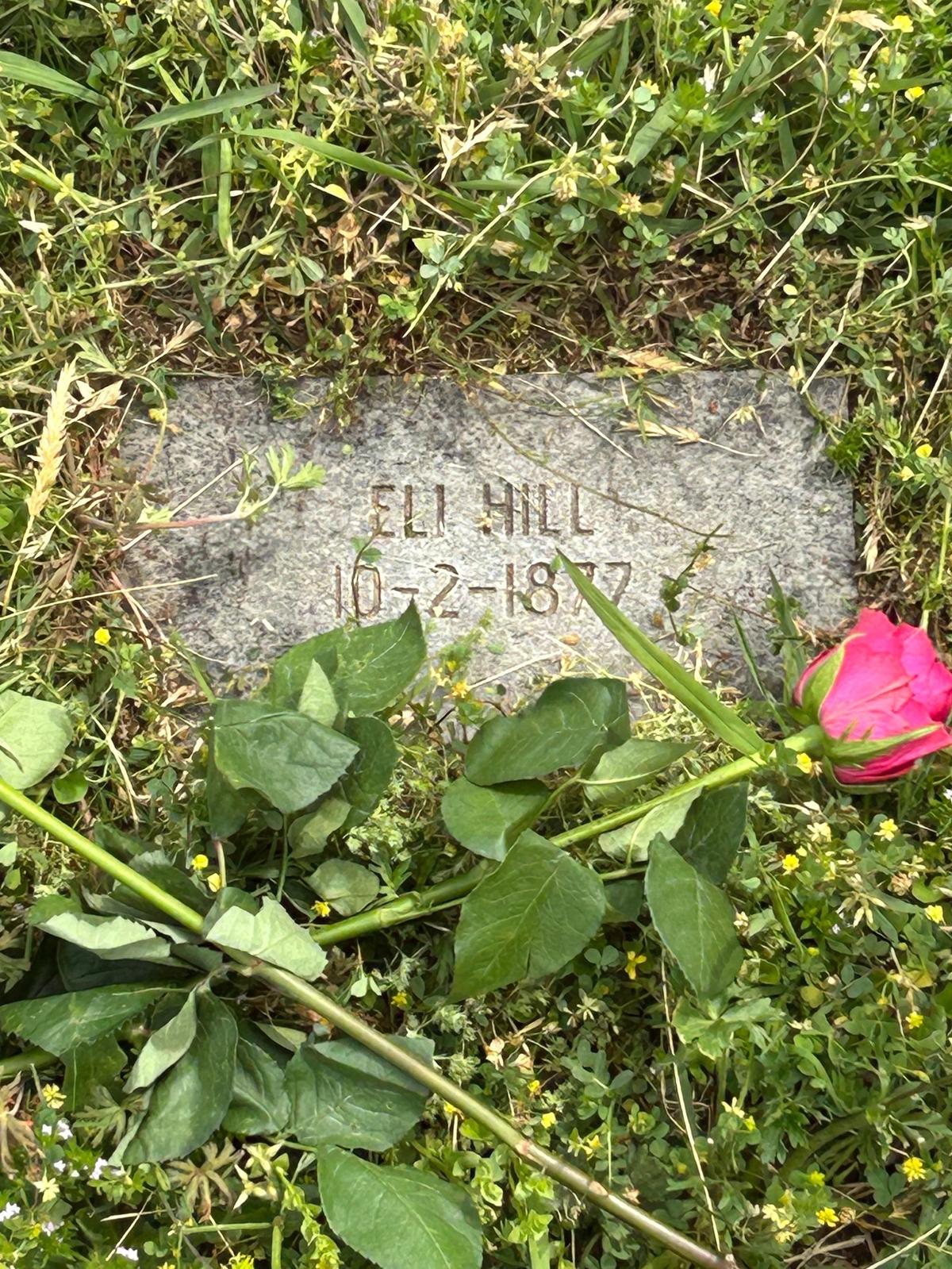
Over the sprawling Dix campus, a casual history buff can find a chunk of the earthworks wall that once surrounded the city. One can see the grave of Eli Hill, who escaped slavery in Onslow County to fight alongside Sherman before finally ending life at Dix Hospital — as a patient.
On Saturday’s tour, Raleigh historian Al Bredenberg noted that Raleigh contained little more than a square mile of land in 1860, compared with 211 square miles now. Only 4,780 people lived here at the end of the Civil War, a third of them slaves, and the city was so wooded at the time that you couldn’t see all of it from any one spot.
The total troop numbers on Dix Hill reached 30,000 for a short time, and while they relaxed under the city’s surrender, many of them mingled with the patients at the newly opened hospital, including a woman who continually pointed and yelled from her window, “That man is the father of my child!”
Another patient there insisted he had been institutionalized only because he was a Union sympathizer, and Sherman himself negotiated his release.
Great God, what a calamity
But the ease and near-certainty of war’s end shattered when the telegram arrived announcing Lincoln’s death. Sherman read it with an ashen face and told his senior officers to keep the news quiet.
When Sherman met with Confederate Gen. Joseph Johnston in Durham to negotiate terms, the rebel commander read the telegram and exclaimed, “Great God, what a calamity for the South!”
The news could not be contained.
“Soldiers are devastated,” said Dollar, describing the rumors trickling out back at Dix. “The man who had led them through apocalypse, shot by a rebel. That grief began to curdle.”
Columbia had burned only two months earlier and, though historians think Union troops were only partially to blame, the soldiers bent on burning Raleigh left no doubt about their plans.
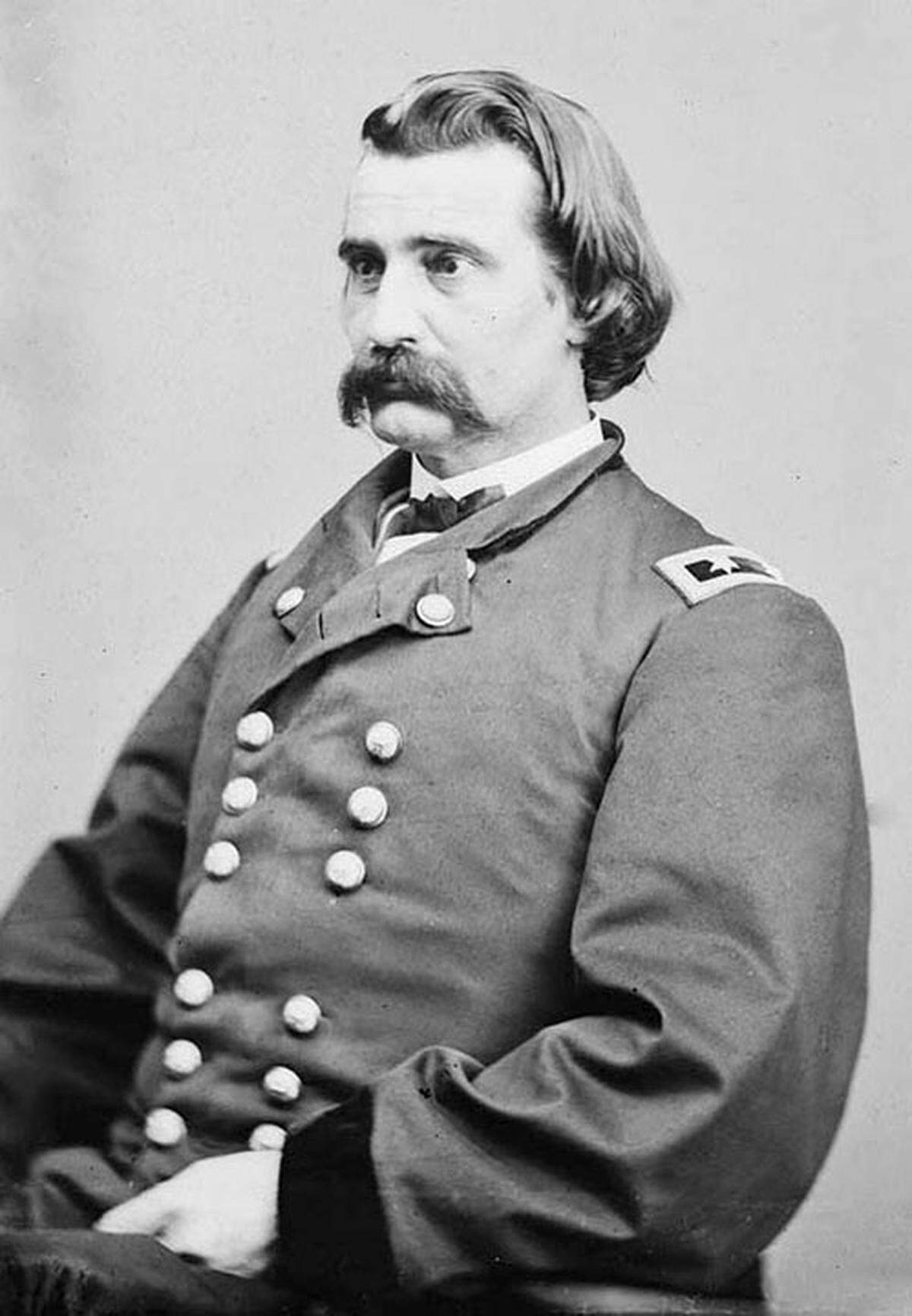
Their only obstacle was Maj. Gen. John “Black Jack” Logan, who pleaded for restraint.
“Do not besmirch the record of this great army with peace at hand,” he told them, as Dollar related.
The soldiers marched on, torches lit.
Logan pleaded a second time. No luck.
So he ordered cannons loaded with double canister and turned toward the mob.
“You need to go back to camp,” he said, in Dollar’s story, “or I’ll blow you back to camp.”
This time, knowing well what canister does to the human body when fired from a cannon, the soldiers relented.
It fascinates me that Raleigh’s history rests on the head of a pin, so influenced by a single day and a single man.
Hardly any of the city survives from that period, so it is easy to imagine how it would look had those buildings gone up in flames.
But what would our attitude be in Raleigh, even today, were we living in a city that was ruined in one angry moment, then reborn out of ashes over the next century?
How much of that war, those men on Dix Hill, their fury, the torches they carried, their willingness to finally listen to better angels of our nature, is still imprinted on Raleigh?
Walk around and see.
Uniquely NC is a News & Observer subscriber collection of moments, landmarks and personalities that define the uniqueness (and pride) of why we live in the Triangle and North Carolina.
This story was originally published April 21, 2025 at 5:00 AM.