
A look back at Raleigh’s red-light district and the notorious Bertha Brown
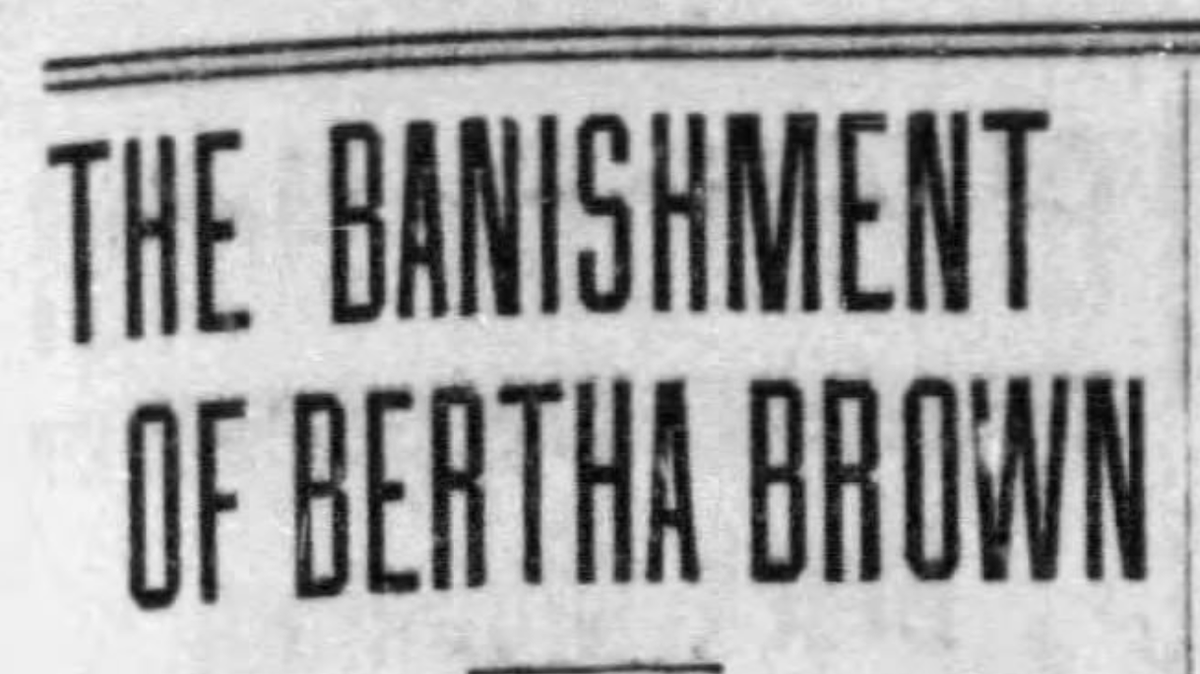
Around 1905, gentlemen strangers in straw hats would step off railroad cars in Raleigh and hail a rickshaw to “Deep East,” seeking women with feathers in their hair, rhinestones on their fingers and hospitality on generous terms.
For at least three decades, this collection of boardinghouses along East Davie Street served as Raleigh’s red light district, a not-so-secret den of naughtiness that promised cold beer, jugs of bootleg whiskey and a player piano tinkling in the parlor.
The city loudly denounced the “bawdy houses” operating mere blocks from its sober and respectable citizens, hounding Deep East with constant police raids and a stream of preachers who waggled their index fingers from the sidewalk, shouting verses from Corinthians.
Still, the oldest trade thrived in Raleigh enough to make folk heroes of the madams who ran it, particularly a flashy and loud-talking spitfire named Bertha Brown, whom The N&O called “the most conspicuous and defiant figure in the immoral cesspool.”
Everyday people
In recent years, Raleigh has taken a fresh look at its long-gone red light streets, stopping short of an embrace but rather pointing out the livelier chapters from its history book. Two years ago, Bertha Brown had a speaking part on the downtown ghost tour, and last month her story entertained a lunchtime lecture series crowd at Raleigh’s City Museum.
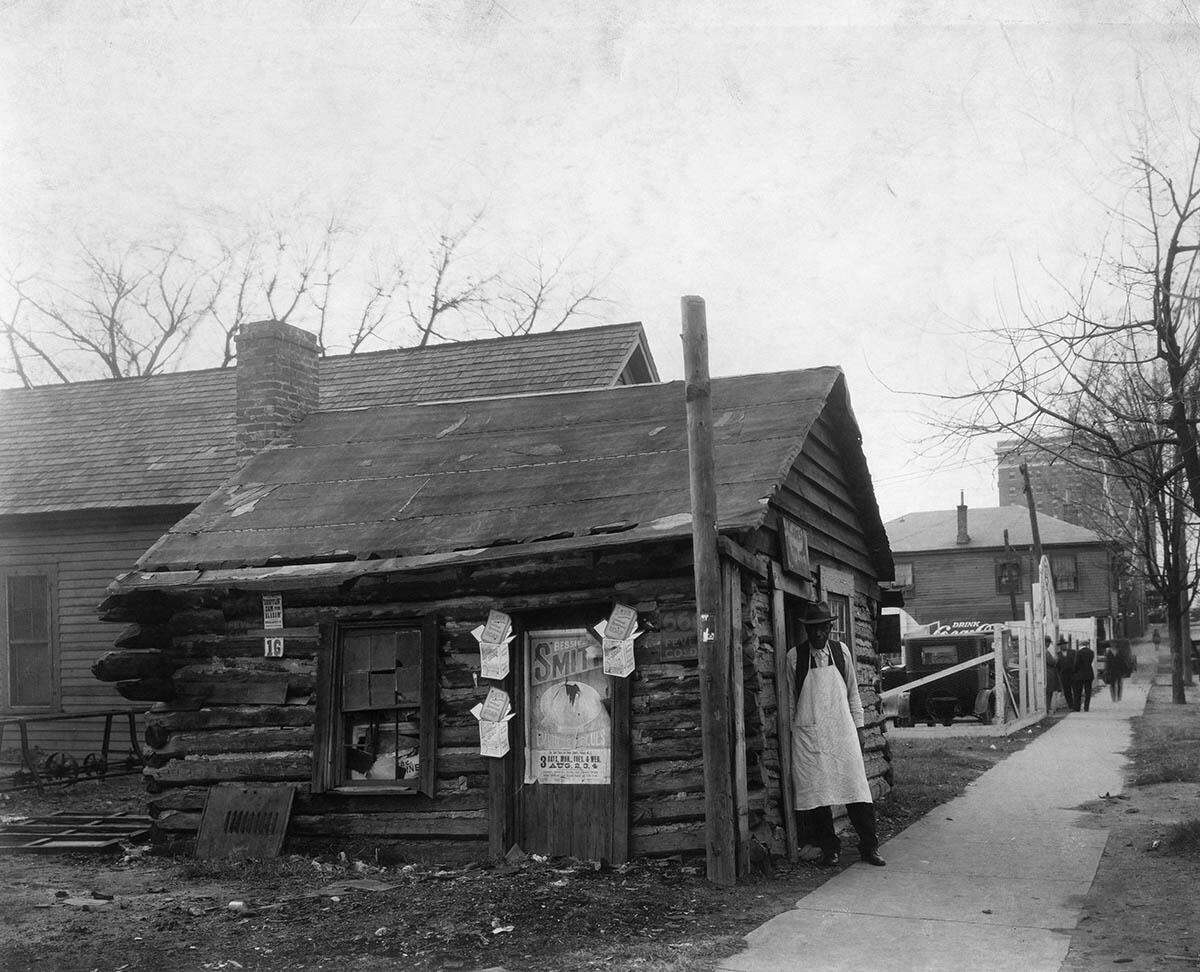
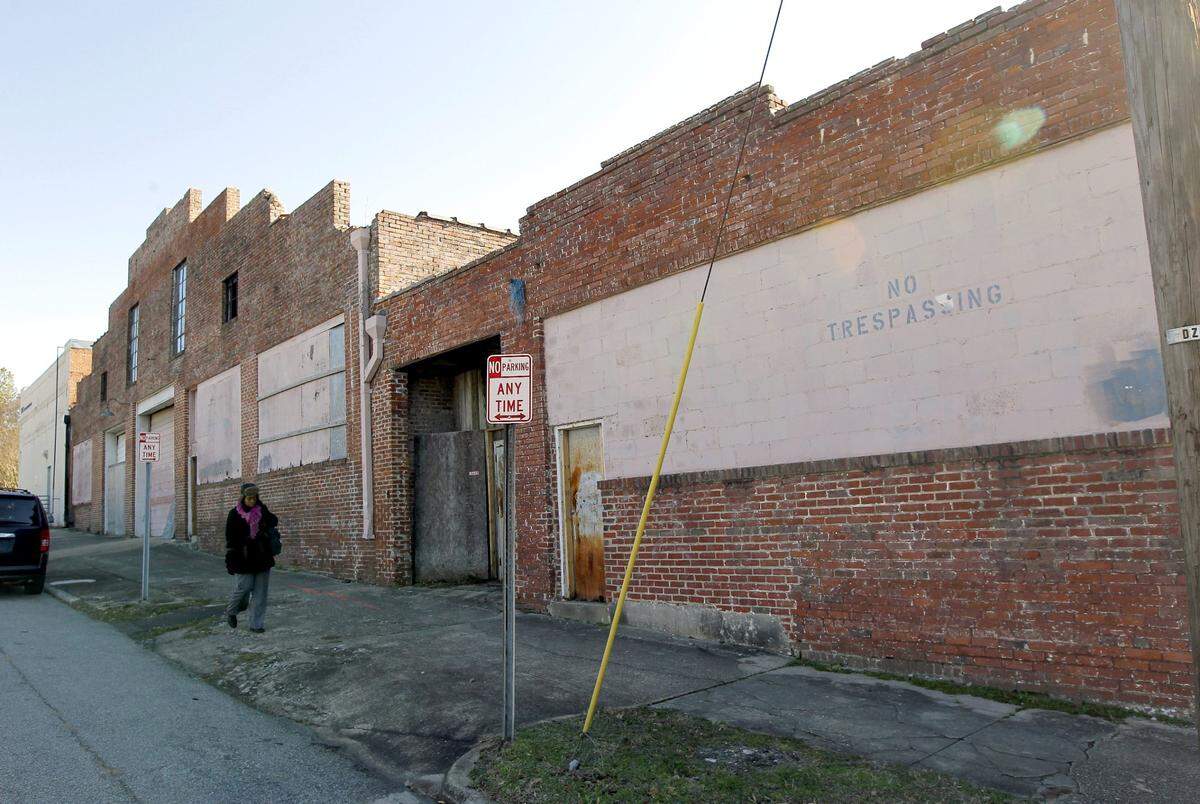
The spirits from Raleigh’s “evil houses” of 1905 plied what newspapers of the day called their “shamefulness of polluting vice” on the same block where Transfer Food Hall now draws a crowd for bagels and empanadas and Burial Beer Co. pours imperial stout.
These generations should mingle.
“They were everyday people,” said Madison Phillips, the assistant parks director who gave the city’s lecture. “Everyone is human with rich backgrounds, motives and actions. We are not here to pass judgment but rather to create empathy. We are all very complex humans with good and bad in us. Hopefully, this humanizes people for you.”
Bertha Brown
Between 1900 and 1910, Bertha Brown’s name splashed across Raleigh newspapers on a near-daily basis, almost always after her arrest.
But research into Raleigh’s red-light turns up a pair of interesting facts:
▪ The women the city called “inmates” working in the boardinghouses described as “hellholes” almost always got charged with vagrancy, partly because prostitution was not yet illegal in most states, but even more because society wanted a way to regulate behavior it considered idle or unconventional — especially women’s behavior. Men might be charged with assault or drunkenness, but I can find no record of them penalized for their participation in “bawdy” behavior.
Bertha Brown most often faced charges of selling illegal booze, once drawing a police raid that turned up 200 bottles of beer, 4.5 gallons of corn whiskey and a gallon of rye.
“It was sworn that men had frequently been seen going in and out of the house drunk,” The N&O wailed, “that cursing by men and women had been heard there, that lewd conversations had been indulged in that could be heard to the street, that shooting in the house had been reported etc., etc., etc.”
Which leads me to the second fact.
▪ Men caused most of the trouble.
In 1906, a patron named Wayland Ferrell took a shot at another customer while enjoying the Deep East hospitality and hit Bertha Brown by mistake, nearly killing her with a bullet wound to the side. She rallied.
More often, the boardinghouses provided easy targets for thieves. A stranger in town, maybe flashing a wad of cash or expensive jewelry around the Yarborough House hotel and asking directions to Bertha Brown’s establishment.
The kind souls that led him there frequently picked his pockets while helping him off with his trousers. One local shopkeeper lost his watch while patronizing Bertha Brown, leading him to ask each customer who walked into his store to tell him the time so he could check his wrist for the stolen item.
More famously, Elbert W. Smith from Virginia went on a multi-day spree along East Davie Street in 1908, and his flashy behavior landed him dead in a nearby rock quarry. Newspapers made much of Smith’s visit to Bertha Brown before he died, but authorities concluded he had been drugged and robbed by local thugs, loaded into a carriage and unceremoniously dumped.
Ain’t a-goin’
In court, Bertha Brown always caused a spectacle, even as her lawyer tried to rein her in.
Against his advice, she agreed to pay a $200 fine for running a “bawdy house” in 1905 rather than serve a term in the workhouse.
“I ain’t a-goin’ to that place nary a minute,” she insisted.
But before her exit, she handed the court a piece of her mind for singling her out over her many rivals in Deep East.
“There is Emma Richardson,” she scolded the judge. “Why don’t you pull her? Didn’t they have a fuss there yesterday and make such a racket inside the house you could hear it a block?”
Police and protesters kept up their hounding in what The N&O called “a spasm of keeping clean.”
At one point, a mob of more than 100 men carrying lanterns showed up at the Durham branch of the Bertha Brown enterprise, issuing vague threats. Later, when the Durham courts dropped her charges, a crowd stood and cheered.
“The spectacle of any body of men who could so forget themselves to applaud the victory of a notorious bad woman, who was made to leave Raleigh, is sickening and disgusting,” a Raleigh newsman lamented.
But time and intolerance wore her down.
In 1910, facing yet another round of bawdiness charges, she escaped punishment by agreeing to marry a boat builder from South Carolina, leave town and “live a correct life.”
The Depression would eventually push the last sword into the side of Deep East, and it limped ahead into a less colorful era, as did Bertha Brown.
“There was no flash of jewelry, rustling garments or bejeweled fingers,” wrote The N&O, describing her final court appearance. “There was none of that old time defiant manner and mean. She was thin and pale of face and was the personification of demureness.”
This story was originally published June 2, 2025 at 5:00 AM.