Trump administration ends Duke center that made ‘significant’ HIV/AIDS discoveries
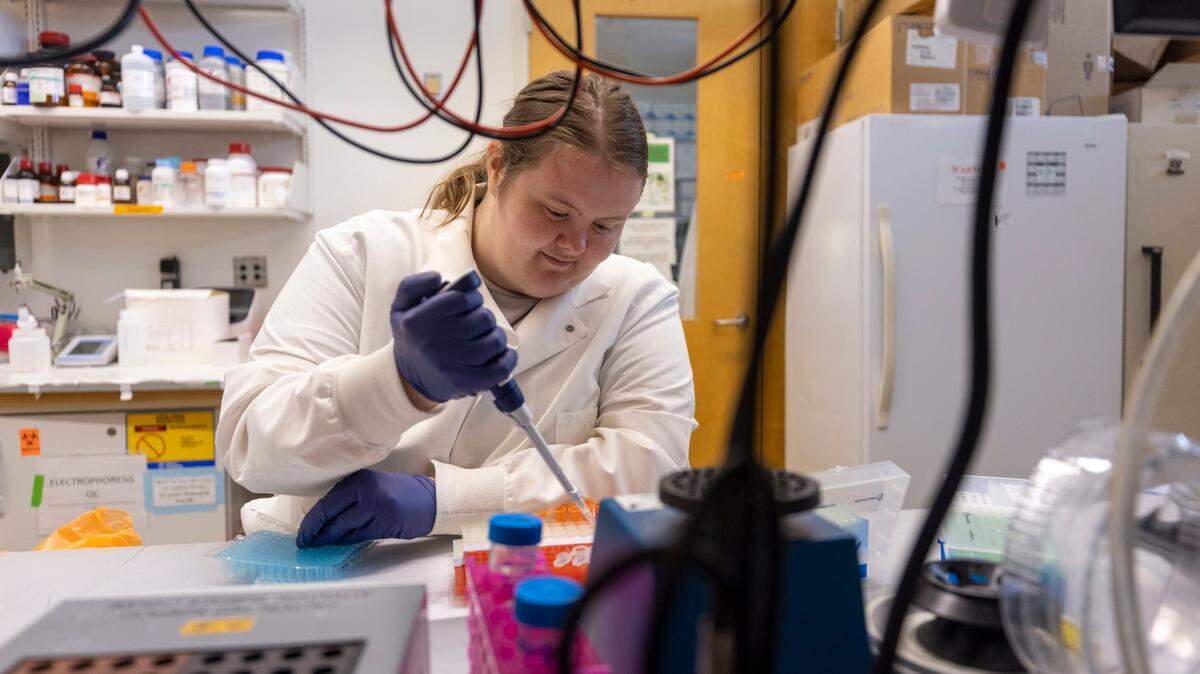
The Trump administration has ended a prominent HIV vaccine development program led by Duke University researchers, a move the school said “represents an enormous setback” for creating a vaccine to fight the cause of AIDS.
Researchers were notified Friday that the Department of Health and Human Services would not renew two National Institutes of Health grants, totaling $258 million, for the Duke Human Vaccine Institute and the Scripps Research Institute to operate the Center for HIV/AIDS Vaccine Development, or CHAVD.
CHAVD dates back to 2005, when Duke scientist Dr. Barton Haynes, an early HIV researcher, was selected to lead a new consortium of universities researching the virus. Haynes’ work has since been supported by three seven-year NIH awards. The most recent grant was approved in 2019 and is set to expire next year.
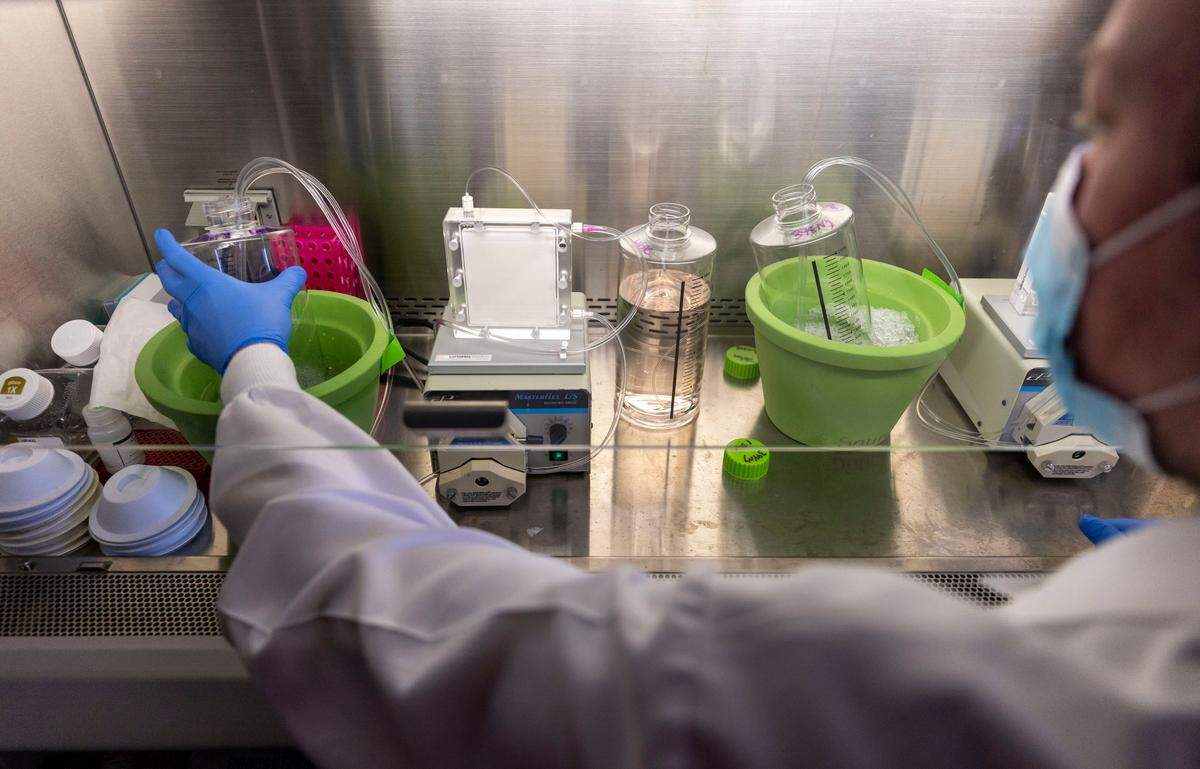
HIV infection rates are declining worldwide, though the World Health Organization still recorded 1.3 million new cases in 2023.
In an email to The News & Observer, Duke Health credited CHAVD with making “significant discoveries about HIV,” including breakthroughs regarding how the AIDS virus infects humans.
“Recent advances in vaccine development, including mRNA technology, have spurred the research even further,” Duke officials said. “Reaching a pivotal juncture with components for a vaccine currently in human trials and the prospect of an effective vaccine within reach.”
Health Secretary Robert F. Kennedy Jr. has been a vocal opponent of mRNA technologies, which teach bodies to ward off infectious diseases by making a tiny part of a virus so immune systems can learn how to destroy it.
Terminating CHAVD is part of broader Trump administration cuts to HIV vaccine research. In an emailed statement Tuesday, an HHS spokesperson said the agency has been supporting “duplicative health programs,” including 27 programs addressing HIV and AIDS.
“Critical HIV/AIDS programs will continue under the Administration for a Healthy America (AHA),” the spokesperson wrote. “We must end this wasteful and inefficient model of health programming in favor of strategic, coordinated approaches. The creation of AHA does not eliminate priorities or functions; instead, it unites previously independent programs to work together to Make America Healthy Again.”
This story was originally published June 4, 2025 at 6:30 AM.