
Here are the 9 deadliest Triangle roads for turtles. Watch out for slowpokes
AI-generated summary reviewed by our newsroom.
- NC State study identified 9 Triangle roads most deadly to local turtles.
- Turtle-vehicle collisions peaked at 366 in 2019, up from under 100 in 2010.
- Researchers urge signage and awareness to reduce car-related turtle fatalities.
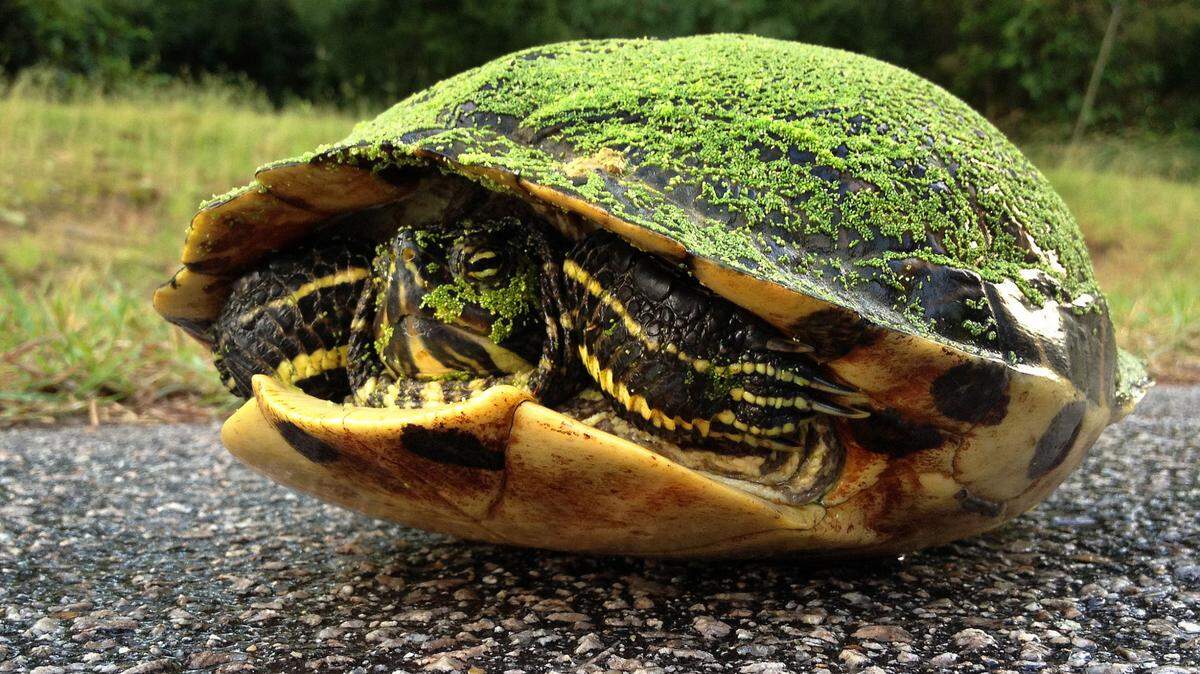
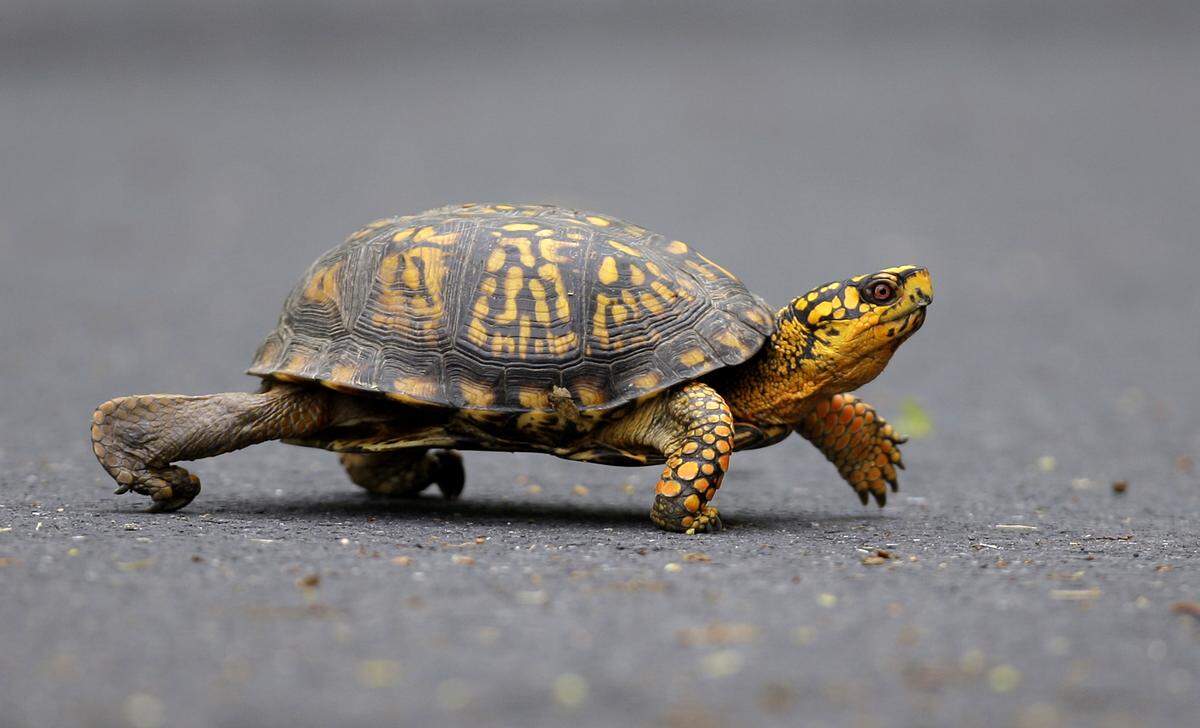
Chances are every driver in the Triangle has rounded a corner to find a slow-moving reptile lumbering across the asphalt — a turtle hazard at almost every turn.
Turtles wander stubbornly in search of mates and new habitat lost to the Triangle’s population boom, and every year, hundreds get scooped up and treated for car-related shell fractures — most of them fatal.
So with this in mind, a new study aimed to pin down the most lethal intersections for wandering reptiles.
A former student with the NC State College of Veterinary Medicine examined the medical records for 2,553 turtles treated for vehicle-induced trauma, all of them on roads within 37 miles of the Raleigh campus.
And though they could pin down no common link between these deadly turtle zones, they hope maybe at least a turtle crossing sign might lessen the reptile risk.
The Nine Deadliest spots for turtles in the Triangle
▪ The intersection of US Highway 64 and NC Highway 751 in Apex
▪ Yates Mill Pond Road near Theys Road in Raleigh
▪ Near the intersection of Holly Springs Road and Ten Ten Road in Cary
▪ Near the intersection of High House Road and SW Cary Parkway in Cary
▪ NC State’s Main Campus
▪ Near the intersection of US Highway 64 and Smithfield Road in Knightdale
▪ Near the intersection of Farrington Road and NC Highway 54 in Chapel Hill
▪ Intersection of NC highways 50 and 210 in Johnston County
▪ Western Boulevard near Pullen Park in Raleigh.
The study showed turtle accidents rising steadily, totaling fewer than 100 between 2005 and 2010, then peaking at 366 in 2019.
“I did it because vehicular trauma is far and away the most common form of injury for the turtles that people bring in,” said Aswini Cherukuri, a former NC State vet student now in private practice. “Turtle populations are declining, and much of the reason is due to what we refer to as ‘anthropogenic stressors,’ or pressure put on them by human activity.”
Not breeding like rabbits
NC State boasts a Turtle Rescue Team staffed by volunteer students with the vet school, and it treats more than 900 reptiles and amphibians a year.
“Turtles are particularly vulnerable to vehicular trauma because of their slow movement across roads,” the study noted in a non-judgmental but crucial point.
Also, unlike squirrels or rabbits, turtles aren’t able to breed their way around accidents, said Tracy Peake, NCSU spokeswoman. Females breed more successfully the longer they live, but even then they produce only five eggs with one likely survivor.
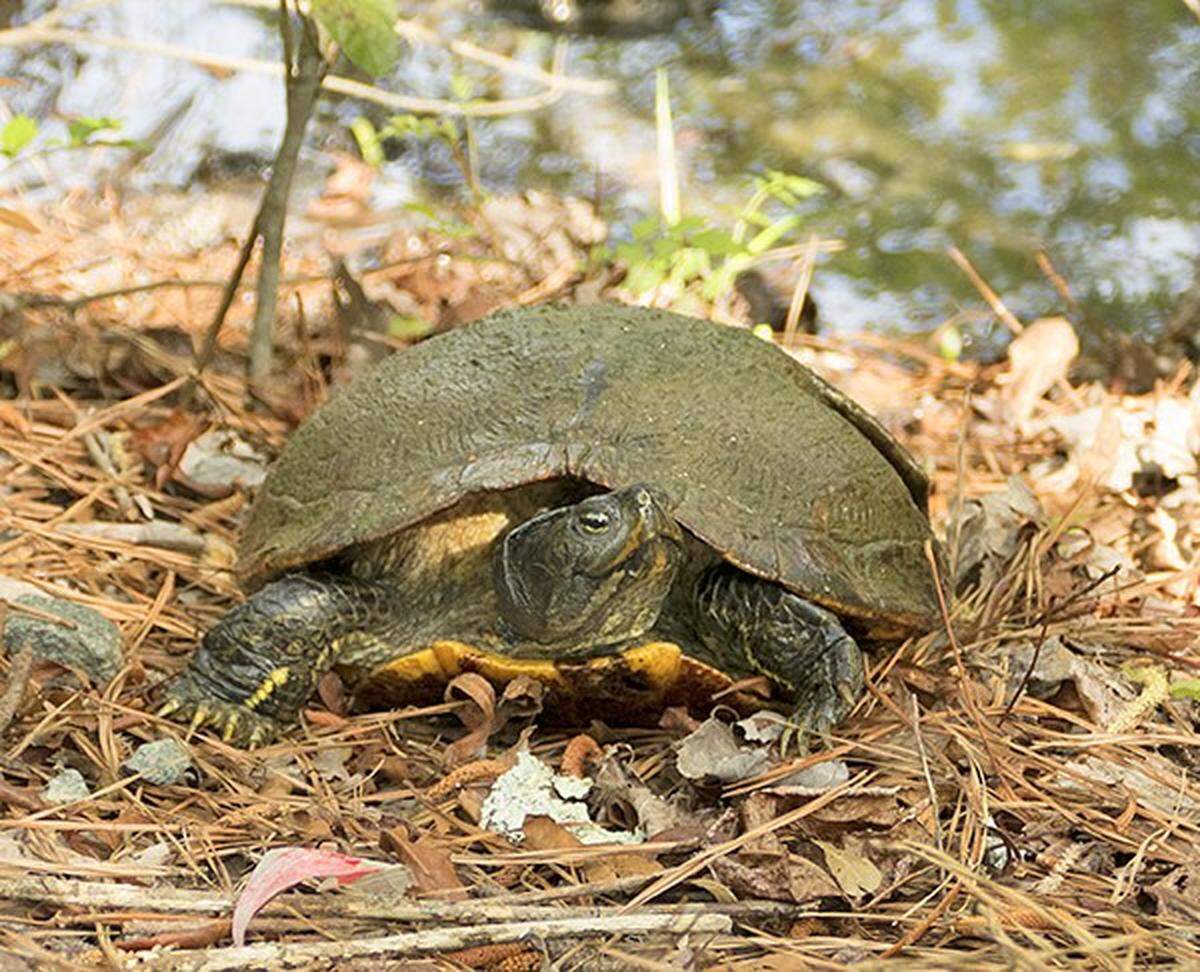
Cherukuri hypothesized that the highest volume of turtle accidents would come from roads near water or high traffic volumes, but none of the data showed a statistically significant link. The hotspots tended to be southwest of Raleigh, but nothing more relevant.
“While the data are interesting,” she said, “we still don’t know much about why these areas are more popular, in terms of how big the turtle populations are. Learning more about the habitats around these areas would also tell us more about the health of our local turtle and wildlife communities and hopefully aid in conservation efforts across the board.”
But at the very least, an awareness of turtle risk can be gained by publicity, so in proximity to these reptile crossroads, keep an extra eye out for slowpokes.
This story was originally published June 11, 2025 at 12:30 PM.