Flooding isn’t new in Chapel Hill. What has the town done, and why didn’t it help?
AI-generated summary reviewed by our newsroom.
- Decades of development without floodplain rules burden Chapel Hill's drainage.
- Current stormwater systems failed during Chantal, despite prior upgrades.
- Climate change and urbanization compound risk of catastrophic flash flooding.
As Chapel Hill residents and businesses begin recovering from yet another flood, the devastation from Tropical Storm Chantal shows a decades-old search for solutions has no answers yet.
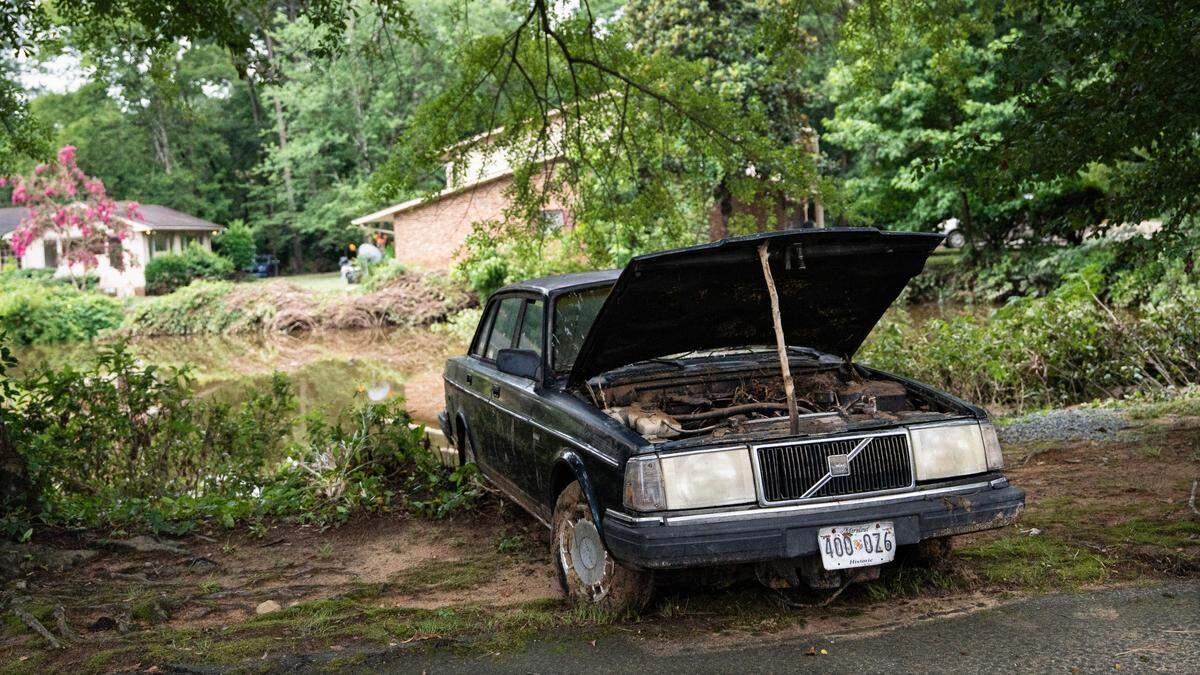
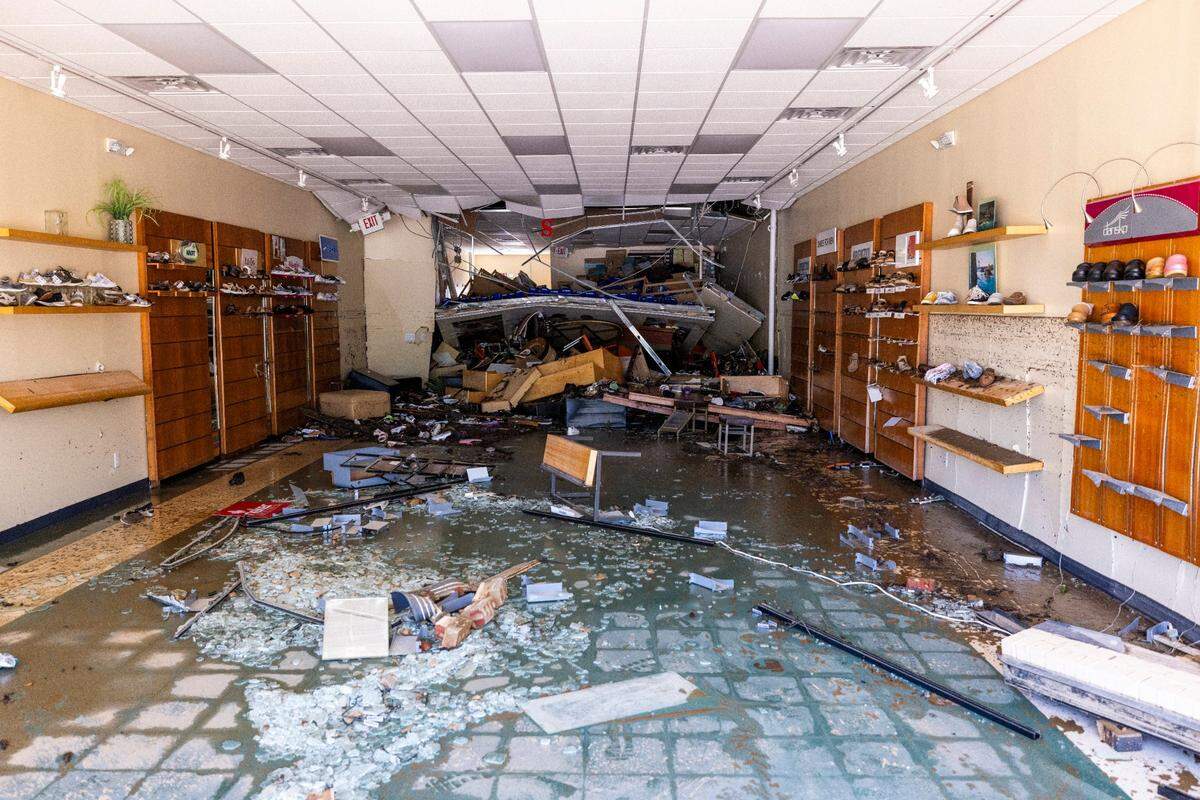
Dozens of stores were trashed when remnants of Chantal pushed up to 5 feet of water through University Place mall and Eastgate Crossing shopping center on July 6. Over 120 flooded cars were abandoned in the parking lots.
At nearby Camelot Village and other apartment complexes, rescuers waded through the dark and pouring rain to save over 60 people.

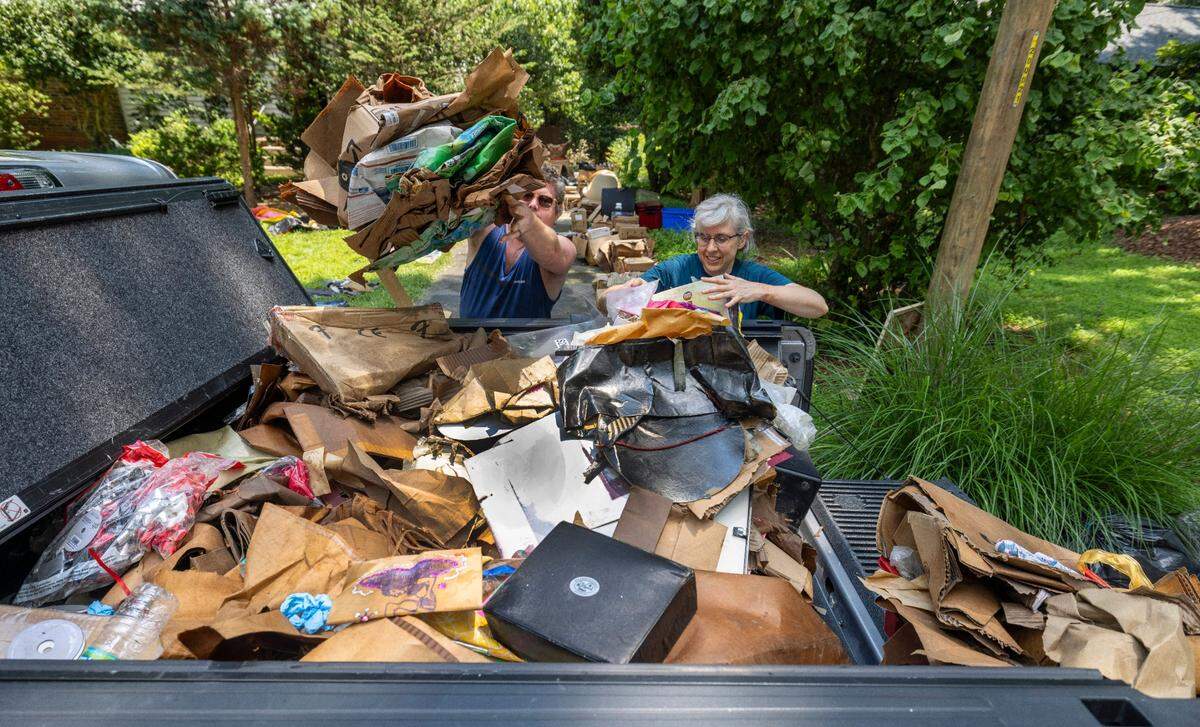
Shop owners, employees and residents found soggy carpet and drywall, twisted door frames and tabletops, and the smell of mud and mildew on Monday. Property owners and town officials called in help and stopped to listen to the needs.

Some stores had metal floodgates but didn’t use them because it seemed like a normal rain at first, they told The News & Observer. When the need became clear, there was no time, they said, and it may not have helped anyway.
People were surprised by the amount of rain, but not that it flooded. The storm refueled debate in Chapel Hill over the consequences of having more apartments and fewer trees, and the wisdom of allowing construction in a place that once was a dairy farm between creeks.
Built without rules in a floodplain
Bolin Creek runs along South Estes Drive between University Place and Camelot Village.
It meets Booker Creek, which passes under Eastgate’s parking lot and Fordham Boulevard, at the confluence with Little Creek, just east of South Estes Drive.
From there the water flows to Jordan Lake in Chatham County, an increasing important drinking water supply for the Triangle.
Together, Booker and Bolin creeks drain stormwater runoff from 18.3 square miles of homes, apartments and businesses to the town’s flat bottom land.
When the water reaches Eastgate, it’s forced into a culvert built for only a 10-year storm, a recent town study says. Water that pushes through ends up in the Booker Creek Park Basin, built in 2020 to handle a 25-year storm, or about 6 inches of rain in 24 hours. The basin covers 4 acres and collects floodwaters, slowing their path downstream.
That was the maximum level of flood reduction that the space allowed, town staff said, when asked why the basin wasn’t built to hold more rainfall.
At Elliott Road, Booker Creek passes through three culverts — one blocked Sunday by a Dumpster — and under the highway.
Too much water at once backs up through Eastgate’s parking lot storm drains and over the top of an inlet near East Franklin Street. The rush of water floods the parking lot, coursing around and through the stores.
A wider culvert would face the same problem, a 2017 study said, because of construction in the low-lying land over 50 years ago, when there were no stormwater or floodplain rules.
Stormwater upgrades and plans
There have been improvements in the last 25 years.
▪ Eastgate owners expanded the culvert, or tunnel, under the parking lot, and University Place added bio-retention areas with landscaping and stormwater drainage.
▪ Town staff go out before every big storm and at least twice a year to clear drains and remove debris from Bolin, Booker and two other key creeks, town spokeswoman Susan Brown said.
▪ Kite Realty, which owns Eastgate Crossing, also had people out removing debris from the parking lot culvert before Chantal, Brown said, and a 13-member town team checked the creeks again before Wednesday’s storm.
▪ The town twice tried to buy and demolish floodprone buildings at Camelot Village, a community of low-rent, two-story brick condos next to the creek. Camelot Village sits in a bowl between two floodplains.
In 2005, a $2.3 million FEMA grant was sent back to the federal government, because some condo owners, many who live somewhere else, refused to sell. In 2013, the owners of two buildings agreed, but the town missed a FEMA deadline.
Eminent domain would require the town to buy the buildings with taxpayer money.
▪ In 2017, the Lower Booker Creek Subwatershed study found current stormwater measures are not enough and recommended over $20 million for stormwater basins and culverts further uphill on Booker Creek.
▪ A more radical option that remains popular among residents is daylighting Booker Creek and creating a park or public attraction. Eastgate’s previous owner rejected the plan, which would remove a 70-foot span of pavement and 70,000 square feet of storefronts to restore the creek.
Hopes for a Blue Hill solution
In 2014, the town created the Blue Hill District between East Franklin Street and Fordham Boulevard, from Elliott Road to Legion and Ephesus Church roads. The district, where projects are approved in months instead of years, and without going to the Town Council for a vote, was meant to spur taller, denser redevelopment that could add more stormwater controls.
But many residents and business owners say the district and its form-based code that fast-tracks approval have only worsened the flood risk.
In 2014, roughly 57% of the district had rooftops, parking lots and other impervious surfaces that create runoff. Strict rules required new projects to capture and filter stormwater runoff from at least half of the new and pre-existing impervious surfaces.
But in 2018, a new state law undercut the rules, requiring developers to treat only new impervious surfaces, not what exists when they buy the property.
In response, the town changed its rules to encourage developers to follow the original rules if they want to build taller and denser projects. Those who follow state rules face a longer review process and have less land to build on.
Blue Hill now has 19.2 new acres of impervious surface, or roughly 10% more than a decade ago, and new projects collect and filter the stormwater for 27 acres, staff said.
Outside the district, including at University Place, the town started requiring new projects last year to handle a 100-year storm, which is 8 inches of rain in 24 hours and has a 1 in 100 chance of occurring in any given year. Over 10 inches in 24 hours is considered a 500-year storm.

Why was Chantal so damaging?
The National Weather Service says 5 to 10 inches fell across Orange, Alamance and Chatham counties within several hours July 6, with the highest totals reported in northern Orange and Chatham counties.
Those levels can even leave areas outside the floodplain at risk, said Corey Davis, an assistant state climatologist with the N.C. State Climate Office.
Chantal was pretty typical for a July storm system, soaking up moisture from the warmer-than-normal Atlantic Ocean for a few days to become a tropical storm, but the amount of rain falling in one area was different, he said.
Tropical Storms Bertha and Colin formed similarly in 2020 and 2022, but didn’t produce as much rain, he added.
That could have led people to think Chantal also wouldn’t be bad, despite NWS warnings about potential flash flooding, Davis said.
“It’s hard to blame people for just kind of tuning out when they see the tropical depression [but] I think that this just tells us, going forward, we can’t ignore storms like this, that we know the sort of impacts that are possible,” he said.
The other problem was speed, said Anantha Aiyyer, an N.C. State professor specializing in tropical weather systems.
Chantal was a slow-moving storm, steered by a counterclockwise weather pattern in the Gulf of Mexico and a clockwise pattern in the Northeast that changed its direction in central North Carolina and caused it to linger for hours, Aiyyer said.
“Much of the precipitation was in a very narrow swath, because of that slow down and turning,” he said. “The clouds and thunderstorms keep forming in the same location, and so you get that additional rain because of the slower-moving system.”
A stream gauge on Bolin Creek near Estes Drive shows Chantal was one of the worst to hit Chapel Hill, measuring 10.83 feet at its peak. Hurricane Florence, in 2018, was also a slow-moving storm and pushed the gauge to 10.5 feet.
But Florence took a few days to drop that amount of rain, while Chantal “was just in and out,” Davis said.
Climate disruption or development?
Chantal could be a one in 1,000-year event, Aiyyer said, making it the state’s third in the past year, after Tropical Cyclone 8 in New Bern and Tropical Storm Helene in western North Carolina.
“When you put this in the context of other storms ... the fact that you’re getting these over and over again tells us that the dice has been loaded towards these high-impact events,” Aiyyer said.
The Atlantic Ocean is also getting warmer, creating stronger, longer-lasting hurricanes, potentially further north, he said.
“That gives [hurricanes] additional fuel, and then, if it remains warmer later in the season, towards December, or starts to warm up earlier in March and April, that just expands the hurricane season, too,” Aiyyer said.
Chapel Hill Town Council member Melissa McCullough, who has extensive experience in climate change and sustainability with the U.S. Environmental Protection Agency, called it “climate disruption.”
Climate is based on years of the same patterns and data, but weather is what you get, and that’s no longer predictable because of changing climate patterns, she said.
“We can no longer count on this being the worst ever,” McCullough said.
And it’s not just apartments and commercial buildings that exacerbate flooding, she said. Single-family homes can have 50% to 60% impervious surfaces like driveways and roofs, which add up when thousands of homes are built uphill, she said.
Older homes also have storm drains that empty into creeks and streams, adding to runoff, said town administrative analyst Sammy Bauer, a stormwater education expert.
Town staff is working through recommendations from a 2023 report completed after residents criticized the potential loss of trees to add culverts and stormwater ponds recommended in the 2017 Lower Booker Creek plan. Newer options include more bioretention ponds, rain gardens and creek restoration projects.
But a permanent solution for flooding on Booker and Bolin creeks remains elusive.
“When we are seeing that volume of rain, there’s only so much we can do at all,” Bauer said.
NC Reality Check is an N&O series holding those in power accountable and shining a light on public issues that affect the Triangle or North Carolina. Have a suggestion for a future story? Email realitycheck@newsobserver.com
This story was originally published July 10, 2025 at 2:31 PM.