
How to donate your body to science after death? Here’s a how-to guide in NC
AI-generated summary reviewed by our newsroom.
- North Carolina medical schools accept body donations for training purposes.
- Each institution sets eligibility requirements, registration and transport rules.
- Cremated remains are usually returned to families after studies are completed.
Many medical institutions in North Carolina are in need of whole body donations to support their medical programs and healthcare trainings.
“One of the greatest gifts a person could make is to donate their body for future healthcare professionals to learn from,” Stan Stone, Director of the High Point University Willed Body Program, told The News & Observer.
In North Carolina, you have to fill out specific forms for the school or program you wish to donate to, Amanda Mittelstadt, Director of the Anatomical Gift Program and Experimental Laboratories at UNC School of Medicine, told The N&O.
Here’s everything you need to know.
Who can donate their body to science?
Any person 18 years old or older can choose to donate their body to science.
There are many programs in North Carolina, and each have their own requirements.
Can you be an organ donor and donate your body to science?
Usually, no. If you’ve donated any of your organs (with the exception of your corneas), you become ineligible for a whole body donation.
This year, more than 5.5 million residents have an organ donor designation heart on their drivers’ license or ID card, according to the NC Department of Administration.
Here’s a list of programs that require pre-registration (before death) to become a donor.
UNC School of Medicine
UNC School of Medicine’s required forms can be found at med.unc.edu/md/anatomicalgifts.
Important notes:
UNC must be contacted as soon as possible after death.
UNC does not accept out of state donations, nor bodies that have been autopsied or died by suicide. UNC also does not accept bodies with infectious diseases, obesity and other select conditions.
The family is responsible for paying for transportation.
1-2 years after the body has been received, the body is cremated and mailed to next of kin. An annual memorial service is also conducted to honor donors.
Contact 919-966-1134 with questions.
Elon University
Elon University’s required forms can be found at elon.edu/u/academics/health-sciences/anatomical-gift.
Once processed, the donor registrant will receive two donor wallet cards and a letter of confirmation, and their name will be added to the registry. Important notes:
The donor’s body usually needs to be received within 24 hours after death.
Bodies may be rejected for reasons including select organs being missing, decomposition, severe trauma, etc.
Donors are not viable for traditional funeral services.
The body will be cremated and returned after services are done.
Contact 336-278-6564 with questions.
East Carolina University
East Carolina University’s required forms can be found at anatomy-cellbiology.ecu.edu.
Important notes:
ECU covers transportation from eastern North Carolina.
Body may be rejected due to presence of infectious diseases, an autopsy or weight limits.
After studies conclude the body will be cremated and returned to the family.
If the nearest living relative objects, the university cannot use the body, so ensure your family knows of your decision.
Contact 252-744-2843 with questions.
Fayetteville Technical Community College
FTCC’s required forms can be found at faytechcc.edu.
Important notes:
Donations can be both pre-arranged and at time of death. The school must be contacted immediately at the time of death.
FTCC provides transportation.
Donors must be free of infections diseases.
Weight can be no greater than 250 pounds.
Upon completion of studies remains are cremated and returned to family.
Contact 910-486-7397 with questions.
High Point University
High Point University’s required forms can be found at highpoint.edu/willedbody.
Important notes:
- Donor cannot carry infectious communicable diseases such as HIV, AIDs, Tuberculosis, etc. The donor can’t be COVID-19 positive at death.
- Body may be rejected due to obesity, severe jaundice or autopsy by medical examiner.
- All costs are covered by the university, including transportation within 300 miles.
- Upon completion, donor will be cremated and returned to family.
Contact 336-841-LIFE(5433) with questions.
How to donate your body to science at time of death
There are some in-state programs that do not require pre-registration to become a donor.
Most of the paperwork will be submitted and completed at the time of the proposed donor’s death.
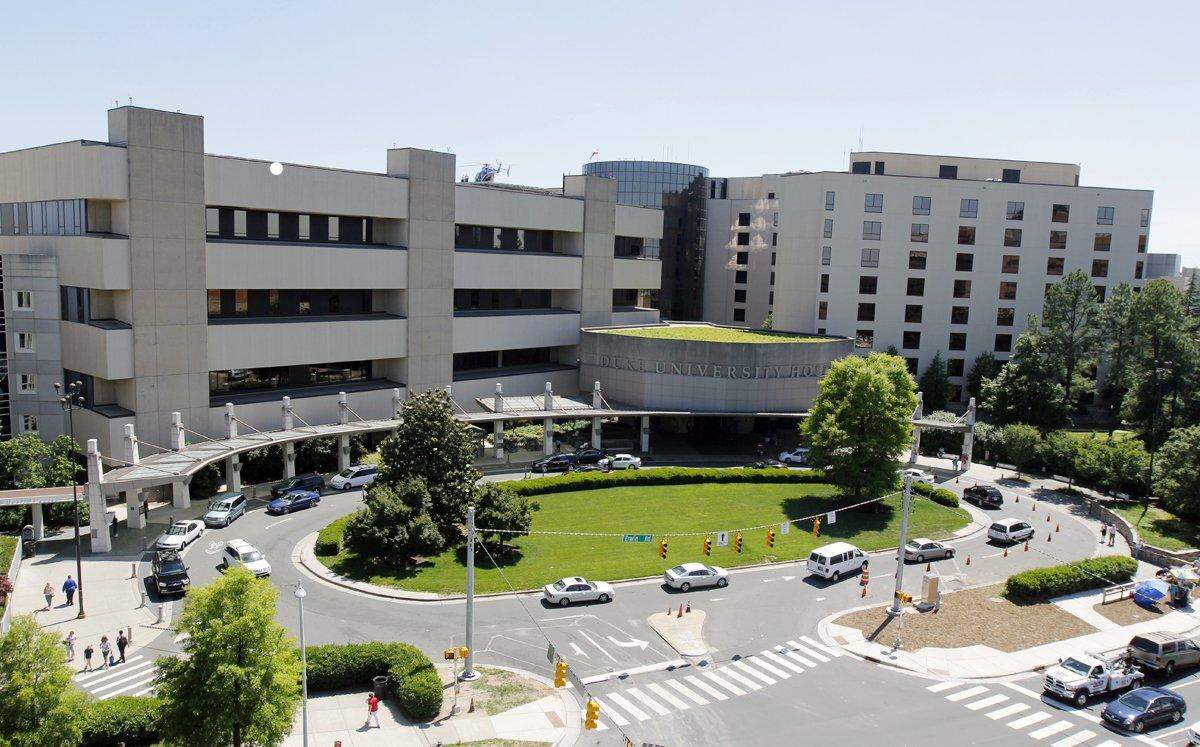
Duke Medical School
Duke’s required forms can be found at medschool.duke.edu/about-us/anatomical-gifts-program. There is no pre-registration paperwork to complete, as the process does not start until death occurs.
Prospective donors may still fill out registration packets and receive donor cards, but documents should not be sent back until time of death.
Important notes:
Duke cannot guarantee they will accept the body at time of death.
Program can cover the cost of in-state transportation, and additional financial assistance may be possible.
Bodies must be a maximum of6 feet tall and 300 pounds.
Body must be free of infections, blood diseases and contaminants. The donor must be free of COVID-19 for five daysprior to death.
After studies are completed, remains are cremated and returned to family members.
Contact 919-681-5471 with questions.
Wake Forest School of Medicine
Wake Forest University School of Medicine’s required forms can be found at school.wakehealth.edu. Pre-registration is not required, and the program must be contacted immediately after death.
Important notes:
Family is responsible for transportation costs, and next of kin must give consent to release the body.
Body will be cremated and returned to family once studies have concluded.
Contact 336-716-4369 with questions.
Campbell University
Campbell University’s Anatomical Gift Program’s required forms can be found at medicine.campbell.edu/about/donate.
Important notes:
- The body will be reviewed for eligibility with the donor’s physician at the time of death.
- There are weight and height limits for donors, along with other criteria.
- Bodies are cremated and returned either to the family or a funeral home upon completion of use.
Contact 910-893-1789 with questions.
Experience Anatomy Foundation
The Experience Anatomy Foundation’s forms can be found at anatomyfoundation.org/donor-registration. The nonprofit foundation is a sister company to Experience Anatomy, which trains healthcare and medical professionals in Charlotte.
Almost anyone can donate their body to the Foundation, which can often accept donations outside of standard requirements for height, weight and certain medical concerns.
Important notes:
- Donor will be assessed for eligibility at time of death.
- Foundation will coordinate transportation.
- Donors are cared for until they are matched with a specific research or program.
- After studies, donor will then be cremated, and ashes are either returned to family or spread at sea.
Contact donate@anatomyfoundation.org with questions.