Not just Duke: Do No Harm targets campuses, others across the US
AI-generated summary reviewed by our newsroom.
- Do No Harm’s anti-DEI campaign extends beyond Duke University.
- Some institutions have revised DEI programs after being targeted.
- Groups’s agenda aligns with Trump Administration priorities.
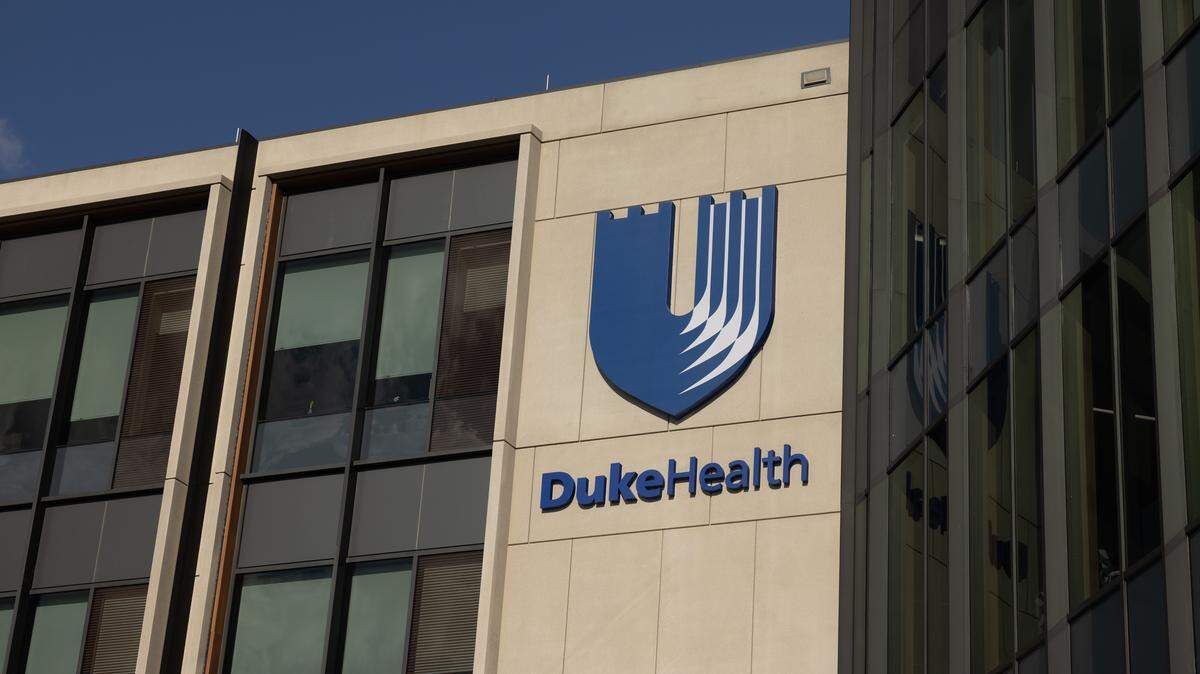
Duke University is far from the first institution to be targeted by the nonprofit that filed a federal complaint accusing the university of racism, as the Trump Administration also did this week.
Since its founding in 2022, Do No Harm has filed numerous lawsuits opposing diversity initiatives. And universities are not their only targets.
An association for military surgeons, the National Association of Emergency Medical Technicians, a governor and one of the largest pharmaceutical companies in the world are among those who have faced litigation from Do No Harm.
And it’s having impact. The group has successfully forced a handful of institutions to revise diversity policies — or suspend the programs all together.
The work gets done with civil rights complaints, legislation and public awareness campaigns, Kurt Miceli, the group’s medical director, told The News & Observer in an email.
“We have succeeded in forcing major organizations from corporations like Pfizer to schools like the University of Colorado to end blatantly racially discriminatory programs,” Miceli said.
A record of battling institutions
Many of the Duke medical school and health system programs and initiatives described in Do No Harm’s March complaint to the Department of Health and Human Services no longer show up on the university’s website.
Its lawsuits have targeted similar programming. Do No Harm has sued:
- The University of Colorado’s medical school over a program for visiting oncology students originally aimed toward underrepresented communities in the medical field, according to the group’s lawsuit. The case was dismissed earlier this year after the university renamed its program from the “Underrepresented Minorities Visiting Elective Scholarship” to the “Radiation Oncology Visiting Scholarship,” according to federal court records.
- The University of Washington School of Medicine over a directory for minority medical students to connect with minority physicians. Do No Harm said the medical school’s directory program violated the Civil Rights Act “by prohibiting white physicians and medical students from adding their names to the program.” The case was dismissed after the school changed the name of the directory and requirements for access to it, court records say.
Do No Harm’s litigation doesn’t stop at university medical schools. It sued Montana Gov. Greg Gianforte last year over a policy that requires officials to consider a potential board, commission, committee or council appointee’s race when making a decision.
One of the four Do No Harm members named in the lawsuit, identified in court documents as Member “A”, is a demotologist with 31 years of experience. She was “ready, willing, and able to be appointed to the Board of Medical Examiners,” the group’s lawsuit said, but is “not a member of a racial minority.”
The group argued that as long as a Montana law — that directs officials to “attain gender balance” and “proportional representation of minorities” – is still in place, several Do No Harm members who applied for the board “will not receive equal consideration for openings,” according to the lawsuit.
The case was dismissed in May after the Montana legislature repealed the law challenged by Do No Harm, according to court records.

Other defendants:
- Pfizer, one of the largest pharmaceutical companies in the world, was hit with a Do No Harm lawsuit in 2022 alleging one of its scholarship programs aimed at minorities violated the Civil Rights Act. The case was dismissed after Pfizer changed the application requirements — and cancelled the program, federal court records show.
- The Society of Military Orthopedic Surgeons was sued last year for allegedly partnering with the United States Navy to “implement a race-based service-learning program that discriminates against white, male medical students.” That program was cancelled — with traces of it scrubbed from the society’s website, according to a joint dismissal court document filed in federal court.
- The National Association of Emergency Medical Technicians faced litigation last year over a scholarship program for students of color. The association agreed to remove race and ethnicity-based requirements for the program as part of a stipulation to dismiss the case, according to court records.
What’s known, not known
Do No Harm was founded by Stanley Goldfarb, a physician and former dean at the University of Pennsylvania’s medical school, and Kristina Rasmussen, a former Illinois political advisor.
Goldfarb has authored articles on “the threats to medical education and medical care in the United States posed by introduction of critical race theory.” Rasmussen was a contributor to the right-leaning National Review and served as chief of staff to former Illinois Gov. Bruce Rauner.
The nonprofit was launched in 2022 with a million dollar donation from hedge fund CEO Joseph Edelman’s foundation, according to reporting by HuffPost.
Some of Do No Harm’s millions in contributions and grant funds is spent on lobbying expenses, according to IRS records. But not much else is public about where the money comes from.
Donors aren’t disclosed on the group’s tax filings. The group doesn’t make its governing documents, conflict of interest policy or financial statements public either, according to federal tax records.
Do No Harm is not without critics. The Southern Poverty Law Center named the organization as an anti-LGBTQ+ hate group in 2024, and at least one scholar has publicly accused its leadership of“trafficking” in racist beliefs.
In step with the Trump agenda
The organization’s actions are in line with the Trump Administration’s effort to roll back diversity, equity and inclusion initiatives across the country.
The administration has made its stance on DEI initiatives clear. Practices like “race-based scholarships” and prioritizing minority applicants are “unlawful,” according to a July 29 memo from the U.S. Attorney General’s Office.
The group’s efforts also follow along the lines of Project 2025 — the conservative playbook created by the Heritage Foundation, a group formed specifically to advance right-wing ideas like “traditional American values, and a strong national defense,” according to its website.
The political guide calls for a push to demonstrate “the federal government’s commitment to nondiscrimination” and claims the country has been “besieged by an unholy alliance of special interests, radicals in government and the far Left.”
Project 2025 alleges federal agencies that implemented diversity programs under the Biden Administration have become “vehicles for this unlawful discrimination.”
This story was originally published July 31, 2025 at 4:25 PM.