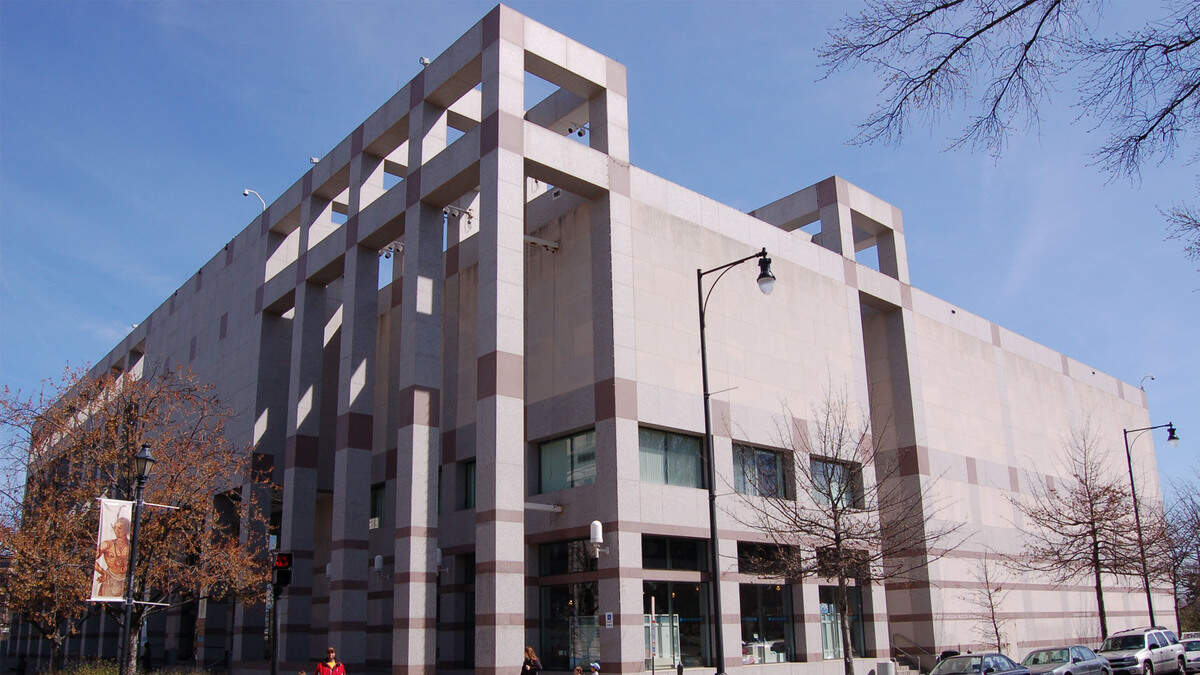
A sneak peek at the NC Museum of History’s new building, modern and interactive

The NC Museum of History unveiled plans Wednesday for a sleek, modernized new home to show off the state’s treasures and artifacts — an updated approach for a tech-savvy audience.
Slated to open in the fall of 2028, the rebuilt museum will add 40,000 square feet of gallery space without changing the building’s footprint, adding 25% and bringing the total square footage to 200,000 for the more than 150,000 items in its collection.
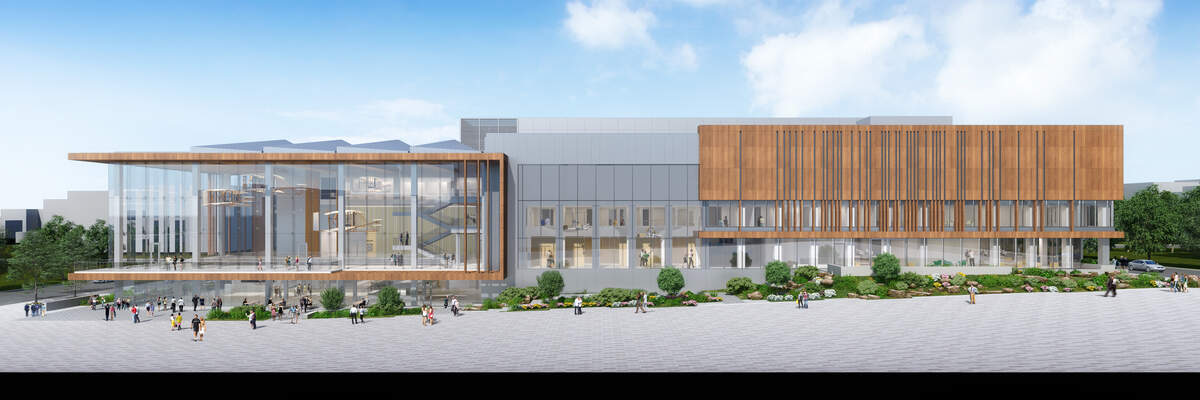
Long considered boxy and closed-off inside, the renovations feature an 8,000-square-foot atrium encased in glass, allowing for gatherings up to 1,000 people inside.
But along with its open-air design, the history museum pledges to embrace a more hands-on, interactive experience aided by podcasts, YouTube content and rotating exhibits.
“We’re the state’s storytellers,” said C.J. Roberts, director of the Division of State History Museums. “We’re the state’s treasure keepers. Through our building, we are sort of the community gathering space. ... It is a far-friendlier, more inviting entrance.”
Bigger, better
Raleigh’s downtown history museum closed in October, announcing plans to renovate over two to three years. Originally called the “Hall of History,” the museum has occupied its space on East Edenton Street since 1994, standing just across from the Capitol.
It draws nearly 500,000 visitors a year, especially schoolchildren on field trips. Its $225 million facelift is being paid for with $180 million from the state’s budget, and the rest through private donations raised by the NC Museum of History Foundation.
The project aims to rethink design and add classroom space while also updating needed infrastructure changes in the 30-year-old building, including leak repairs and a new freight elevator.
Since closing, the bulk of the work has involved moving the artifacts into nearby specialized storage spaces, a task that required transporting items as small as a shard of pottery and as large as Richard Petty’s stock car.
The added space inside comes partly through the new atrium but also by moving heating and air-conditioning units up to the roof. This allows the museum to display a larger share of its overall collection. Most museums, Roberts noted, show only about 5% of what they hold.
And while the exterior will keep its general shape, it will add wood detailing and much more glass.
“In many ways the facade will be similar,” Roberts said, “but different.”