
The story of a stolen Picasso, a gangster’s threat and a family’s long adventure
AI-generated summary reviewed by our newsroom.
- Whit Rummel reveals a 56-year family secret involving a stolen Picasso.
- Bill Rummel removed the crate from Logan Airport during a 1969 blizzard.
- Family staged anonymous return to Boston Museum; painting later sold.
For most of his life, Whit Rummel kept his family’s craziest and most improbable story a secret, depriving the world of a tale that sprawled over half a century, involving gangsters, cops and a stolen Picasso.
Telling it, until recently, was simply too risky.
The real-life Boston mobster Whitey Bulger might still seek violent revenge, and his hapless brother Bill might still land in trouble over the famous painting he brought home in the trunk of his car — accidentally, of course.
But after 56 years, long-since retired in Chapel Hill and nearing 80, Rummel can finally reveal how a garish portrait of a musketeer painted by one of the world’s most famous artists ended up on his brother’s mantel in Boston, and how he conspired in a cloak-and-dagger scheme to get it back with no bullets fired or handcuffs slapped on wrists.
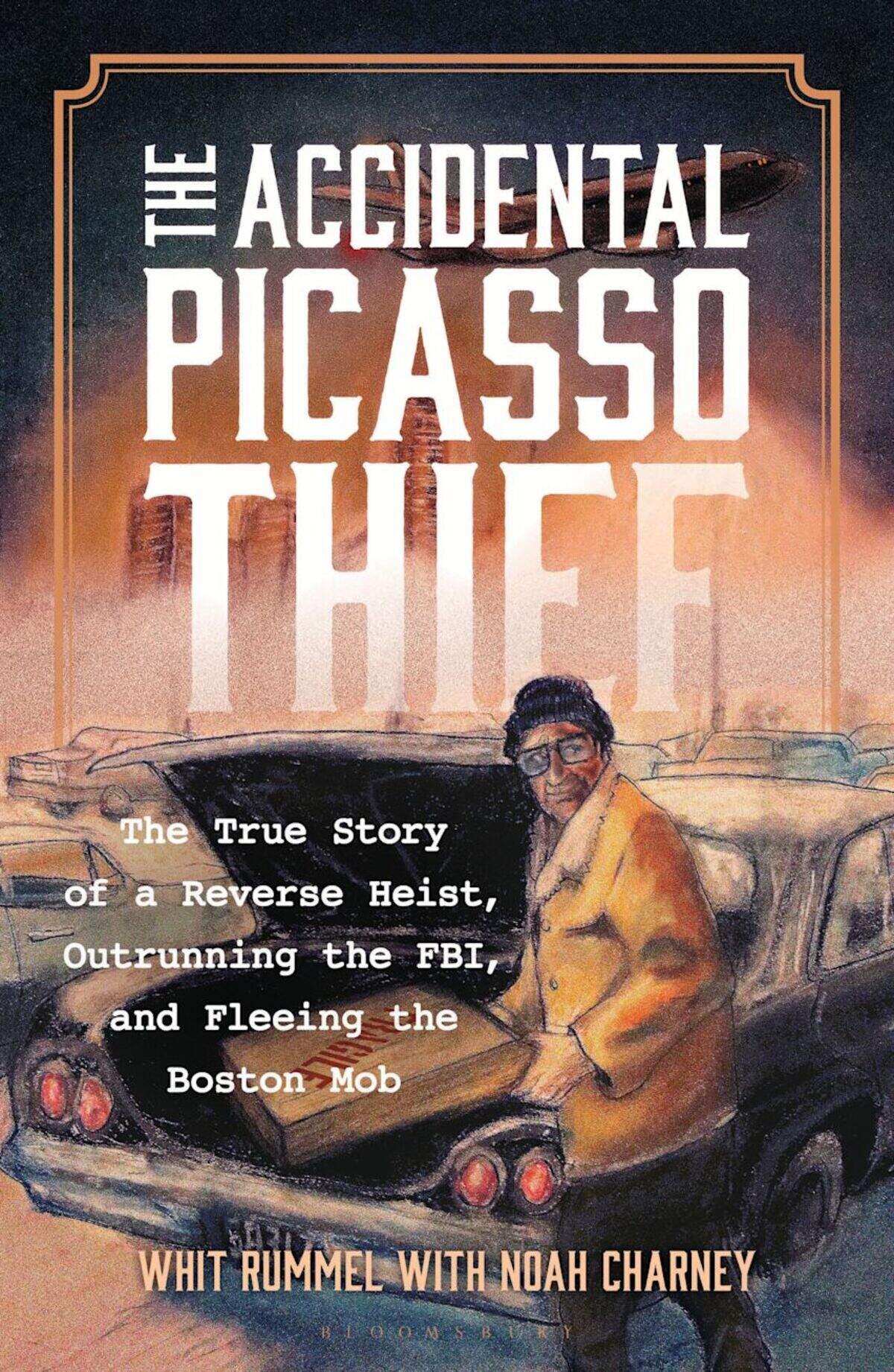
“This book is the true story of one of the oddest art crimes in American history,” Rummel writes in “The Accidental Picasso Thief,” his new book, co-authored by Noah Charney. “But the stealing part was easy. In fact, it happened by accident. The real trick, the actual danger, was in undoing the theft. It required a reverse heist.”
A friggin’ Picasso
Rummel spent his life as a screenwriter and filmmaker far removed from the underworld.
He grew up in Maine, youngest son of a traveling salesman who opened an ice cream parlor aimed at standing apart from the norm, offering flavors named Grasshopper, Squirrel and Brand X. He once floated an 8-foot black balloon over the street to advertise his new licorice flavor.
The young Rummel had his own Picasso print hanging on his childhood wall, pilfered from the public library — his closest brush with bad behavior.
But this story revolves around Rummel’s impulsive and more mischievous brother Bill, who in 1969 took a job managing air freight at Boston’s Logan International Airport, hauling packages with a forklift.
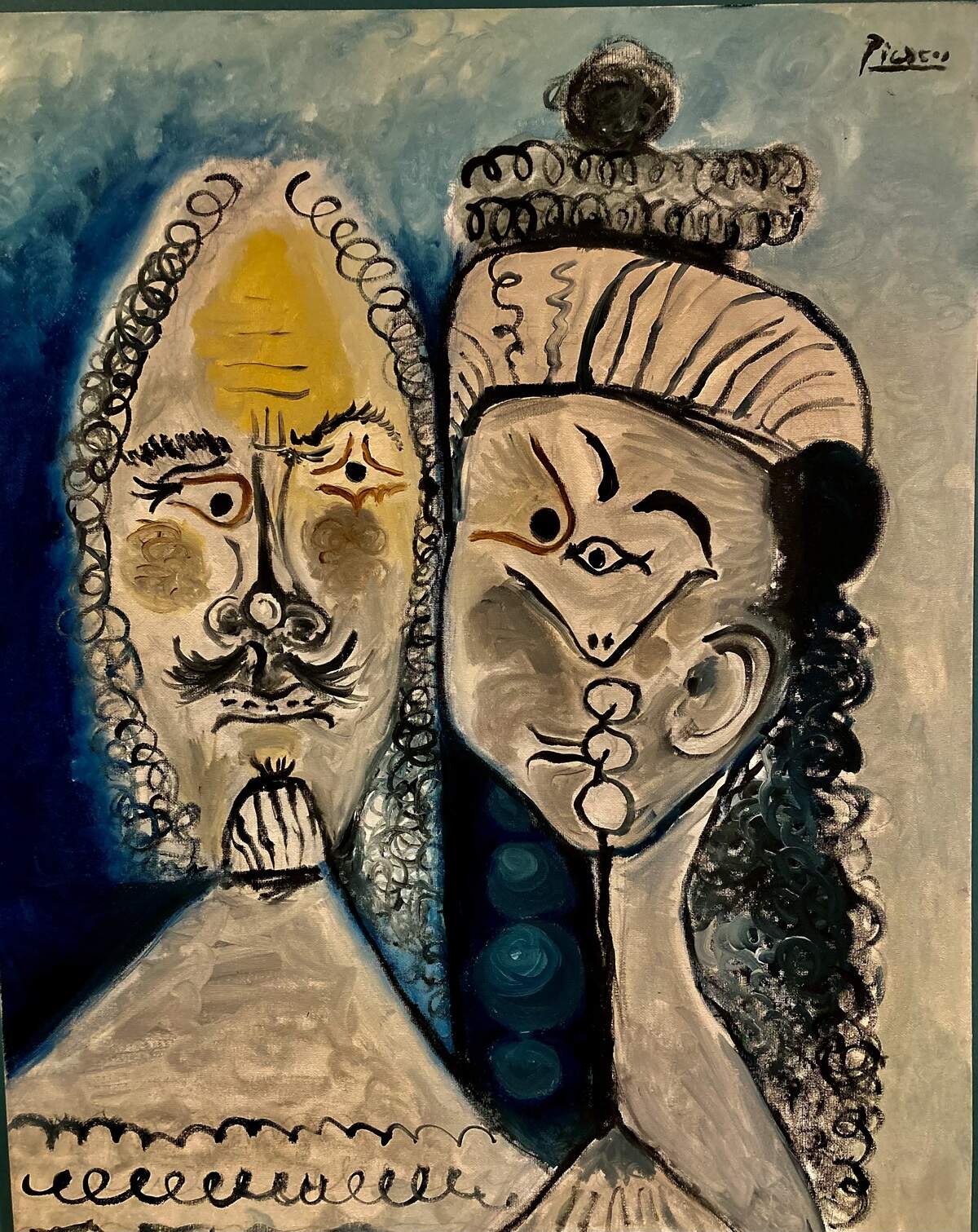
In February of that year, during an epic Boston blizzard, brother Bill took a flat, unlabeled crate out of a stranded, snowbound pile of packages and carried it home in his Chevy Impala. Inside the wooden box sat “A Woman with a Musketeer,” painted in the last years of Picasso’s life.
Bill Rummel would later offer multiple explantions for this act.
Many years later, being interviewed for an episode of “This American Life” that never aired, Bill explained that his boss asked him to carry home some of the packages to help clear clutter out of the blizzard-stricken airport, and he didn’t even open the mysterious crate until weeks later.
But Rummel got another version when, while attending college in New Orleans, he answered the phone and found his brother breathless on the other end:
“You’ll never guess what I got.”
“You’re right, I won’t. What?”
“I got a friggin’ Picasso!”
According to Bill, the masterpiece had just been sitting around looking exotic and enticing, so he grabbed it before anyone could notice.
A plan is hatched — with disguises
The situation took on more gravity once radio broadcasts in Boston announced that both federal and local police were hunting for the missing Picasso, stolen en route from Paris to a gallery in Milwaukee.
To add to the seriousness, Bill Rummel heard through the airport grapevine that the famously vindictive Whitey Bulger crime gang took large offense at somebody other than its own mobsters having the gall to steal a painting worth $500,000.
“At that point, as far as Bill knew, no one suspected him,” Rummel writes in his book. “But he’d spent the last three-plus weeks glancing over his shoulder, jumping at shadows, seeing undercover cops inside every collar-up winter coat, and mobsters in every idling van.”
On the phone together, Whit and Bill Rummel opted for the route taken by most brothers in trouble:
Call Dad.
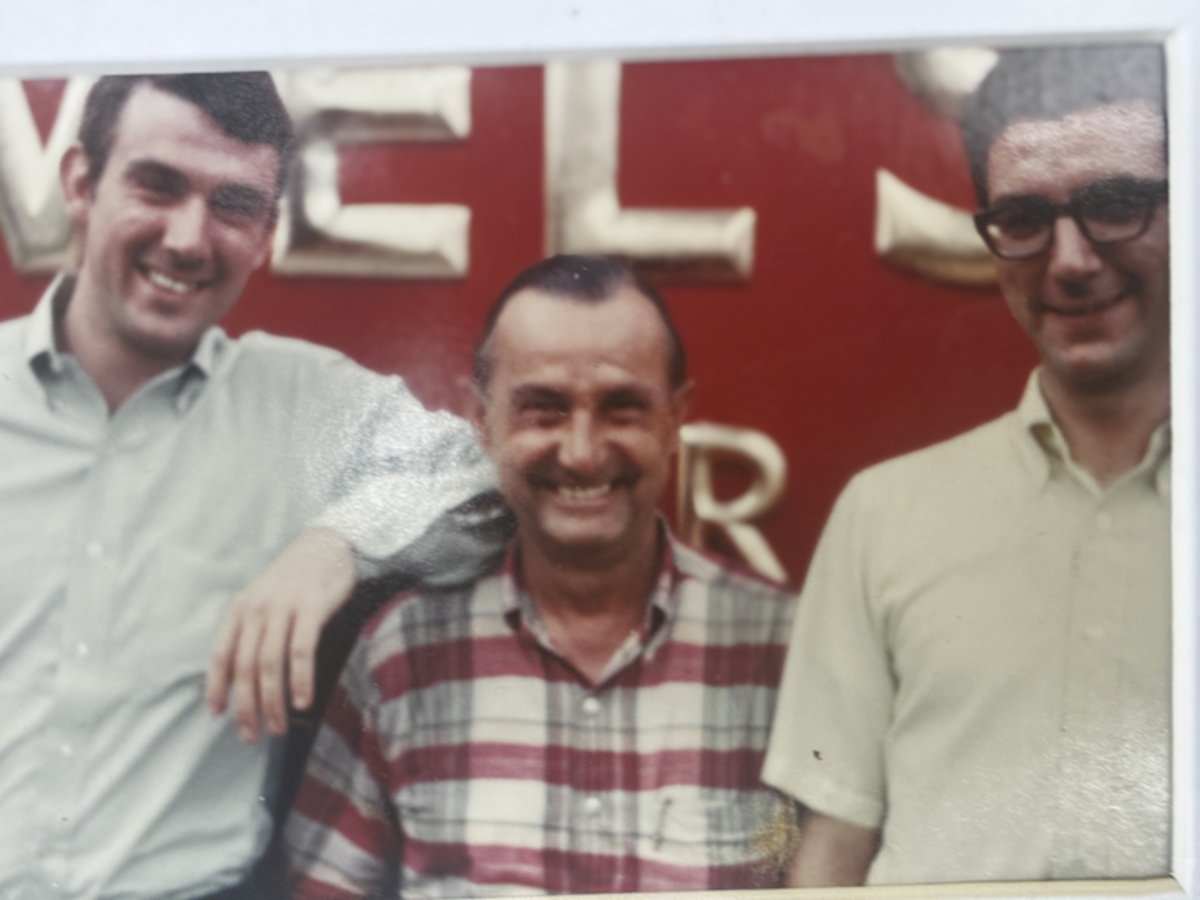
By this point in the story, Rummel has already introduced his dad as ice cream showman but only hinted at his theatrical nature. Much later in life, Rummel would learn that his father made a brief turn as an Equity actor in New York, which may explain the somewhat operatic solution he proposed to the Picasso problem.
Rather than report the missing painting, Bill Rummel and his father would deliver it to the Boston Museum of Fine Arts like an orphaned baby in a basket, and they would do so wearing fedora hats and fake mustaches. To top it off, Whit Rummel Sr. asked his college student son to write an anonymous note of explanation.
“Instantly, I was in,” Rummel writes in his official account. “One hundred percent. I didn’t care if I was going to be an accessory to grand theft or whatever you might call it. This was the closest I could ever remember to having felt praised by my father, and it levitated me.”
A story in search of an ending
The plan worked, obviously, or Rummel might be writing from Leavenworth rather than Chapel Hill. Details of the conspiracy involve a taxi driver, but revealing them here would spoil the book.
Regardless, until he died in 2015, Rummel’s brother insisted the story stay well under wraps, spoiling his hopes to re-enact the whole caper as a live-action play and to chronicle the story in screenplay form.
Rummel admits he doesn’t exactly buy his brother’s innocent-sounding story, but he never flat-out accuses him of thievery, either. The truth lies somewhere in the chaos of a snowstorm.
Years later, Rummel would hire an “Internet sleuth” to track down the infamous Picasso, sold shortly after its dramatic recovery, and he would learn that it had landed in the private collection of a department store magnate in Florida. But as he called to investigate, Rummel would hear a demand that he never call again.
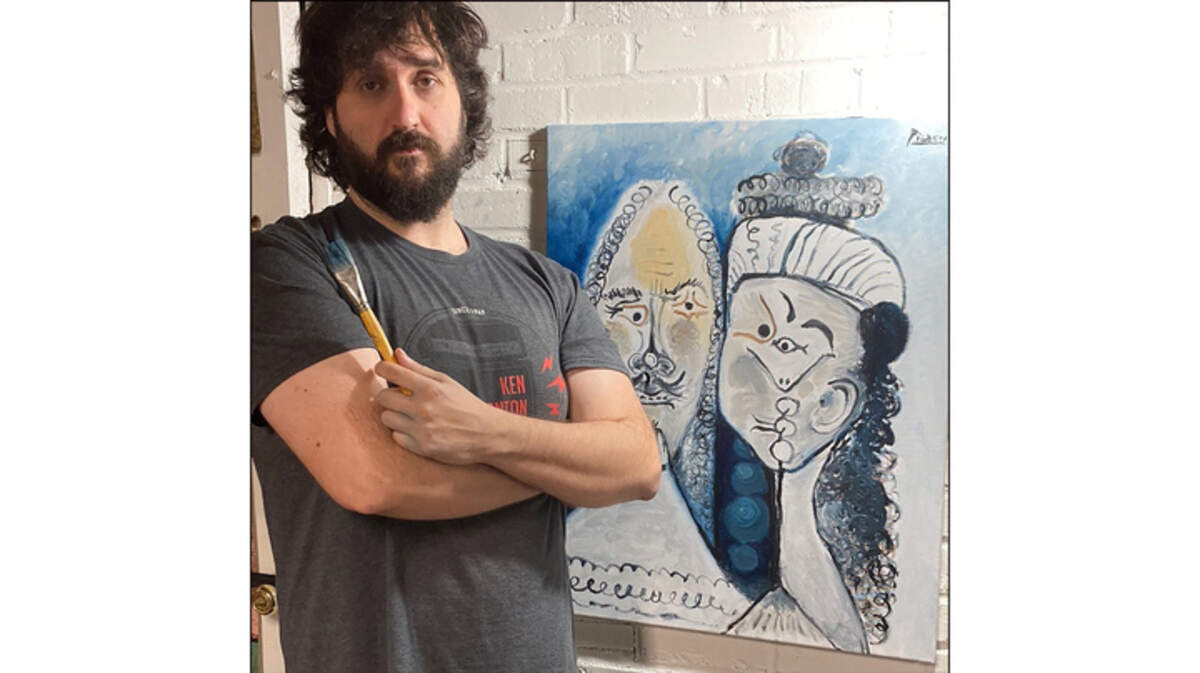
Still, the story would come full circle at last when his own son, also named Whit, recreated the painting and presented it for his father’s amazed eyes. There it was: the odd, curlicued portrait that drew his family into a strange conspiracy.
On the phone last week, Rummel told The N&O that just looking at the replica wasn’t enough. The real conclusion to the family’s Picasso adventure lies further on ahead. He will know the end has come at last when the three surviving Whits — himself, his son and his nephew — stand in front of the real thing.
“It will be,” he said, “the most exciting moment of my life.”
“The Accidental Picasso Thief” will be published by Bloomsbury in November and can be ordered here: https://www.bloomsbury.com/us/accidental-picasso-thief-9798765188262/
This story was originally published October 13, 2025 at 5:00 AM.