
Homicides tied to domestic violence are up in NC. What this means in the Triangle
AI-generated summary reviewed by our newsroom.
- Domestic violence homicides have increased in North Carolina.
- At least 18 people have died in such cases in the Triangle in 2025.
- Common stressors like housing instability and financial problems can play a role.
READ MORE
Domestic violence in NC
Domestic violence is on the rise in North Carolina, according to the North Carolina Coalition Against Domestic Violence, which tracks domestic violence-related homicides in the state. Here’s a closer look at the stories behind the violence, possible solutions and resources if you need help.
Expand All
Homicides tied to domestic violence are up in NC. What this means in the Triangle
She survived domestic violence for 11 years. In one night, he stole her future.
Domestic violence homicides are on the rise in NC. Could a red flag law stop it?
Experiencing domestic violence in the Triangle? These resources can help
How to tell if you are in an abusive relationship, and how to safely leave
An N.C. Central University student. A Wake Forest mother of three. A retired doctor preparing to move his partner into his Durham home.
These are some of the 18 people killed in domestic violence cases in the Triangle area this year. An additional nine people died by suicide after killing someone else in an act of domestic violence, according to an analysis by The News & Observer.
Violence like this is on the rise in North Carolina, according to the N.C. Coalition Against Domestic Violence.
“Last year was literally a record high; we’ve never seen that many homicides before,” said Nisha Williams, the coalition’s legal director.
The coalition, which relies on media reports to track deaths, found 94 homicides involving domestic violence last year in North Carolina.
The State Bureau of Investigation, which has access to mandatory reports from law enforcement agencies, noted 155 homicides tied to domestic violence in 2024, according to a March presentation. That’s a nearly 15% increase from 2023, the presentation states.
Advocates can’t cite one cause but say stress from housing instability, financial issues and natural disasters like Tropical Storm Helene can all contribute to domestic violence.
Data reviewed by The News & Observer shows:
- Domestic violence-related homicides in North Carolina have increased every year from 2018 to 2024, except for a slight dip in 2022, according to an analysis by the N.C. Coalition Against Domestic Violence.
- The average number of days between domestic-violence deaths in North Carolina has decreased from 5.5 days in 2024 to three days in 2025, the coalition said.
- An analysis of homicides tracked by The N&O in the Triangle area shows nearly 1 in 3 homicides in Wake, Johnston, Durham, Orange and Chatham counties so far in 2025 have been tied to domestic violence.
- Nearly half of domestic violence homicides in North Carolina last year involved people of the opposite sex in or formerly in a dating relationship, according to the SBI report. About one-third involved people of the opposite sex who lived together or formerly lived together.
“We are seeing an increase in domestic violence homicides as a state,” said Kathleen Lockwood, the coalition’s former policy director. “This is not something that started just now in 2025, but it does feel like it’s ramping up.”
It’s not clear if overall domestic violence in the Triangle area is increasing, but the Orange County Sheriff’s Office told The N&O it has seen more filings for domestic violence protective orders.
Wake County InterAct, a nonprofit that helps survivors of domestic violence, received over 10,000 crisis calls to its hotline last year, said Tasha Sullivan, the former senior director of programs.
The death of an N.C. Central Student
Certain times in a relationship are especially dangerous, perhaps none more so than leaving it, experts say.
NCCU junior London Powers, 21, was moving out of the apartment she shared with her ex-boyfriend in August when police say he shot her and then killed himself.
“One of the things we know about domestic violence homicides is that the act of leaving or saying that they’re leaving is the most dangerous time,” Sullivan said. “So that’s when we see the majority of domestic violence homicides occur.”
A review of 20 fatal domestic violence homicides from 2018 to 2023 in Wake County, conducted by the county’s Domestic Violence Fatality Review Team, showed 60% of those cases occurred during a separation. The majority of the victims were women, with a child dying in three of the cases reviewed.
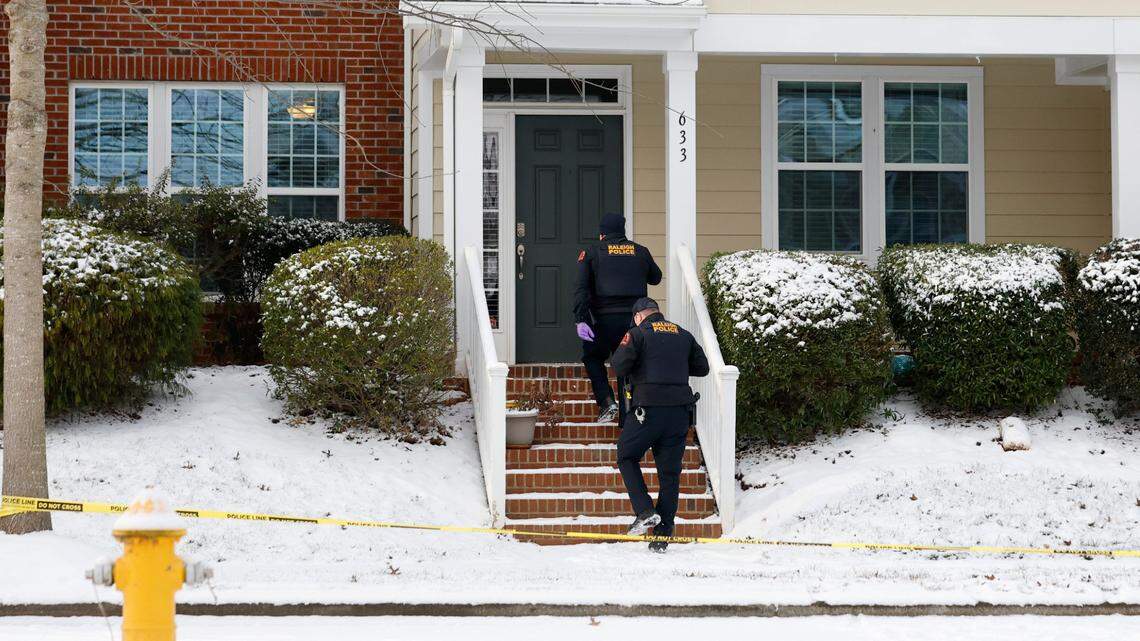
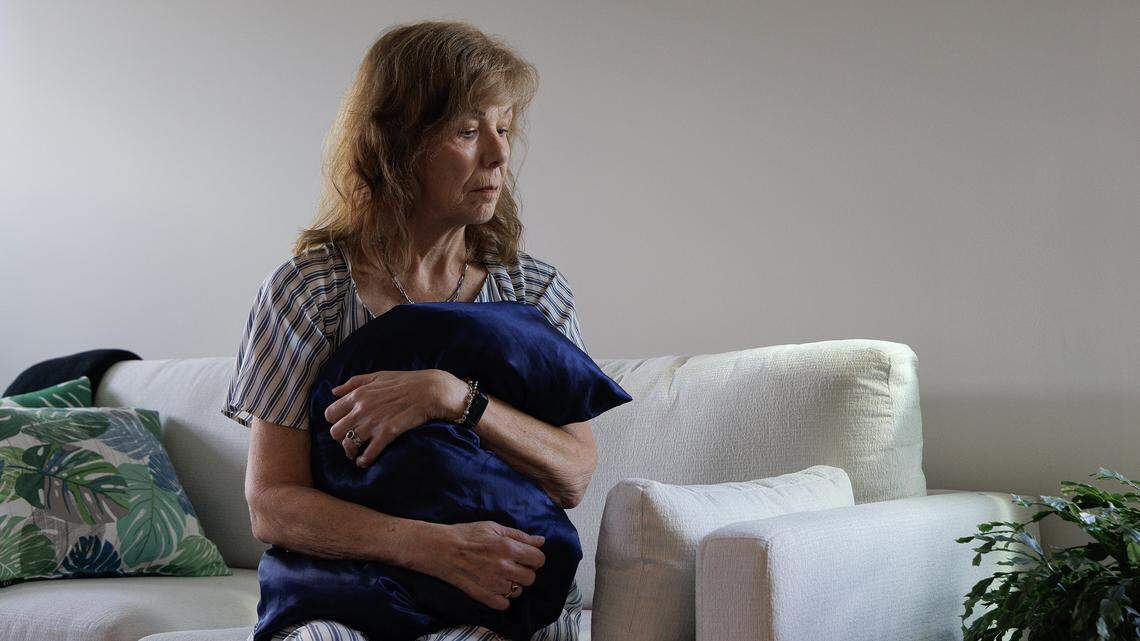
But violence can still be a threat even years after a relationship’s conclusion, as Jill Rohner, 68, knows. Rohner’s ex-husband broke into her Raleigh townhome in January, killing Rohner’s partner and seriously wounding a Raleigh police officer before he died in a standoff with law enforcement. Rohner and her ex had been divorced since 2014.
What role do firearms play?
Most domestic violence homicides involve firearms; in 2021, 70% of such incidents in North Carolina involved guns, according to the Johns Hopkins Bloomberg School of Public Health.
A 2021 study of firearms used in nonlethal intimate-partner violence found almost half of the domestic violence protective order cases in North Carolina reviewed by researchers indicated the perpetrator had access to guns.
In the Triangle’s most recent domestic violence homicide case, a firearm was used Sept. 30, to end the life of 40-year-old Josefina Tavarez of Wake Forest. Tavarez’s boyfriend filmed the aftermath, begging for forgiveness as he panned the camera to show her bloodied body on the ground.
“May the world forgive me,” he said. “My people, I’m sorry. Forgive me.”
People who work to prevent and study domestic violence say opportunities are being missed to remove firearms from dangerous people.
Legal experts also point to gaps in state law that don’t require law enforcement to follow up and make sure people under domestic violence protective orders surrender all their guns.
“What we found in some of our research with sheriffs is that that kind of opportunity wasn’t being routinely offered, and that there wasn’t necessarily a system for following up if the defendant did not surrender their firearms to the sheriff’s office,” said Beth Moracco, the associate director of UNC’s Injury Prevention Research Center.
Rep. Marcia Morey, a state legislator who formerly served as a district court judge in Durham County, said that is a loophole she worries about.
“Law enforcement [officers] have no authority to go in and just take a gun, even if a family member is begging for it,” she said. “If they have two guns and they turn them over, but they have another gun at their house, how do we obtain it? How do we know all guns have been removed?”
Right now, law enforcement doesn’t know, and that, survivors and advocates say, is part of the problem.
Next: She survived domestic violence for 11 years. In one night, he stole her future.
This story was originally published October 22, 2025 at 5:30 AM.
