
She survived domestic violence for 11 years. In one night, he stole her future.
AI-generated summary reviewed by our newsroom.
- Jill Rohner endured 12 years of stalking and abuse before her ex killed her partner.
- Annual protective orders failed to halt her ex-husband’s harassment.
- Therapy and support from loved ones have guided Rohner's healing journey.
READ MORE
Domestic violence in NC
Domestic violence is on the rise in North Carolina, according to the North Carolina Coalition Against Domestic Violence, which tracks domestic violence-related homicides in the state. Here’s a closer look at the stories behind the violence, possible solutions and resources if you need help.
Expand All
Homicides tied to domestic violence are up in NC. What this means in the Triangle
She survived domestic violence for 11 years. In one night, he stole her future.

Domestic violence homicides are on the rise in NC. Could a red flag law stop it?
Experiencing domestic violence in the Triangle? These resources can help

How to tell if you are in an abusive relationship, and how to safely leave
Editor’s note: This story contains a description of violence, including rape, that may be upsetting to some readers.
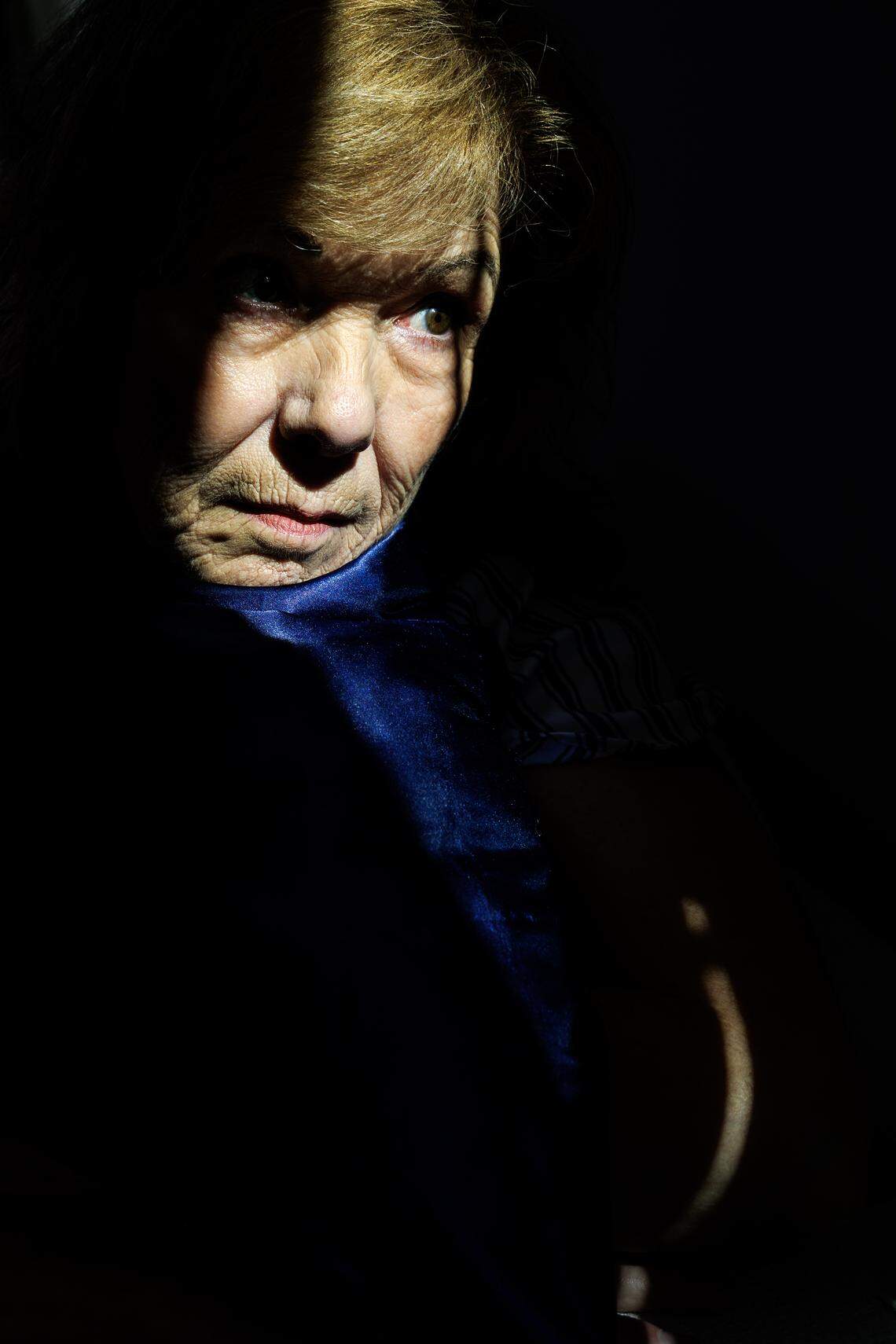
It’s been nine months since her abuser died on a snowy January night, but Jill Rohner, 68, still checks that there’s a hammer nearby when it thunders outside.
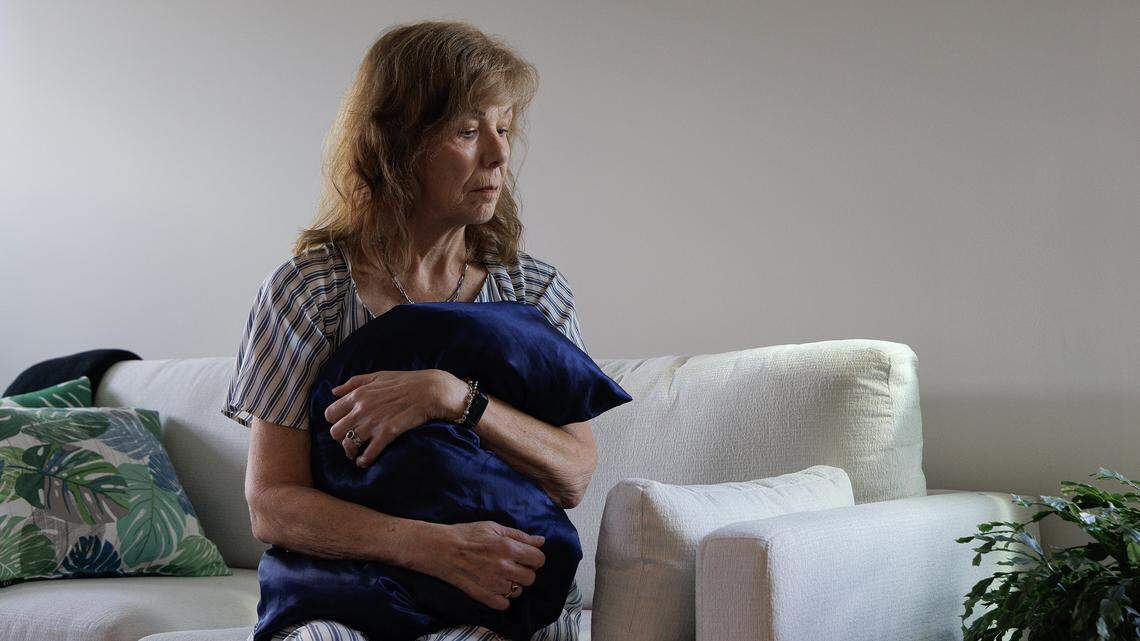
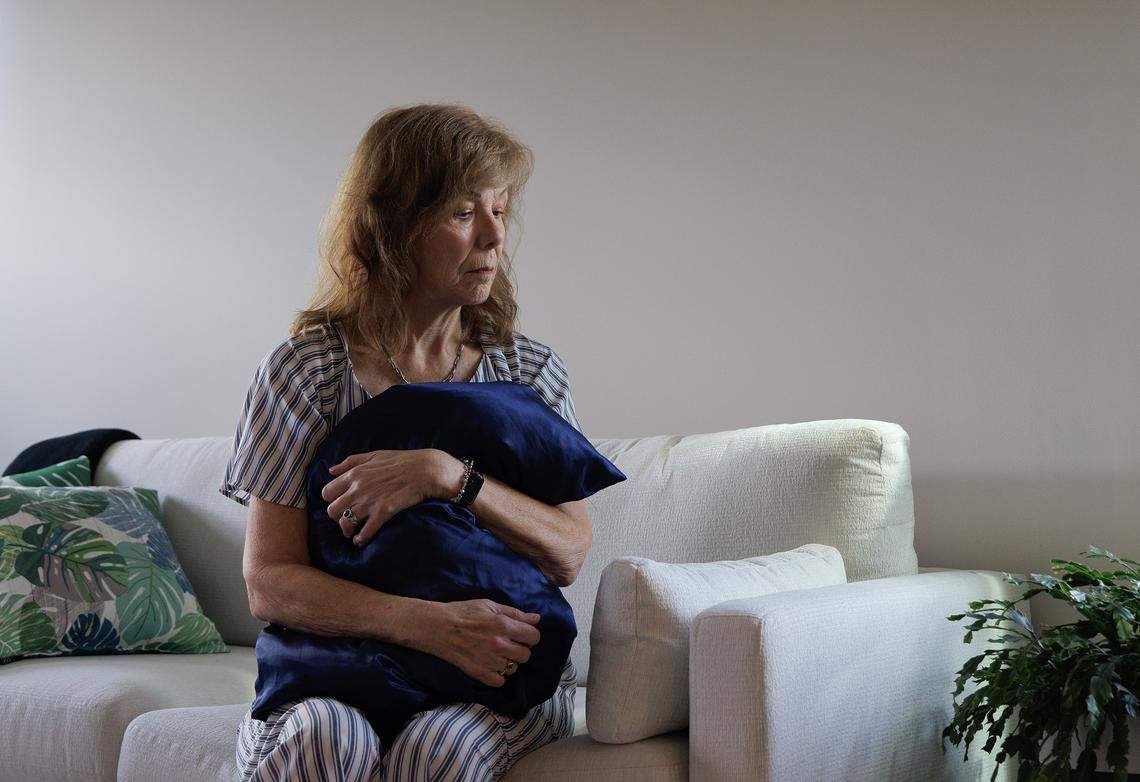
It’s part of her routine, the rituals that help with the fear. Set all the alarms. Hold tight to her special pillow — the one she won’t wash — and hug it, maybe even cry a little, as she talks to it about her day.
She’s woven these daily motions into her life since 70-year-old Antonio Rodrigues, her ex-husband, shattered it.
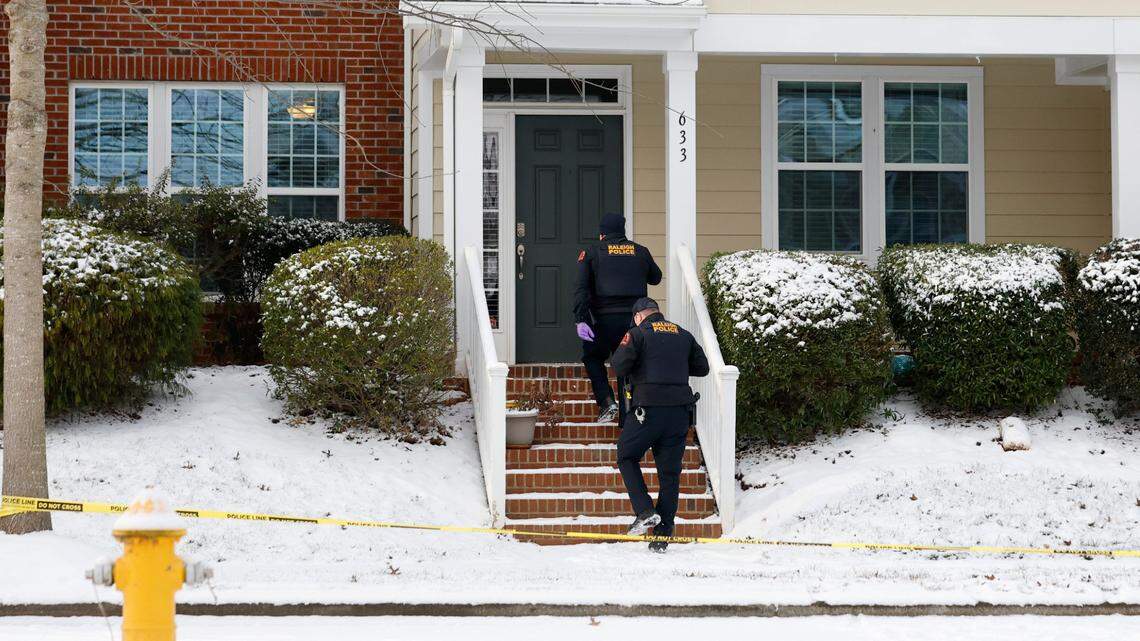
The pillow belonged to Rohner’s beloved partner, John — the last thing Rodrigues took from her when he burst into her Raleigh townhome with a gun Jan. 21.
In some ways, Rohner’s 11-year ordeal ended that evening. But in most ways, she says, another ordeal had really only just begun.

Years of abuse
Rohner and Rodrigues met over 30 years ago in California through a mutual friend.
She was drawn in by how fun the native of Portugal could be, and he became her second husband. They spent almost two decades together before moving to North Carolina around 2008, she said.
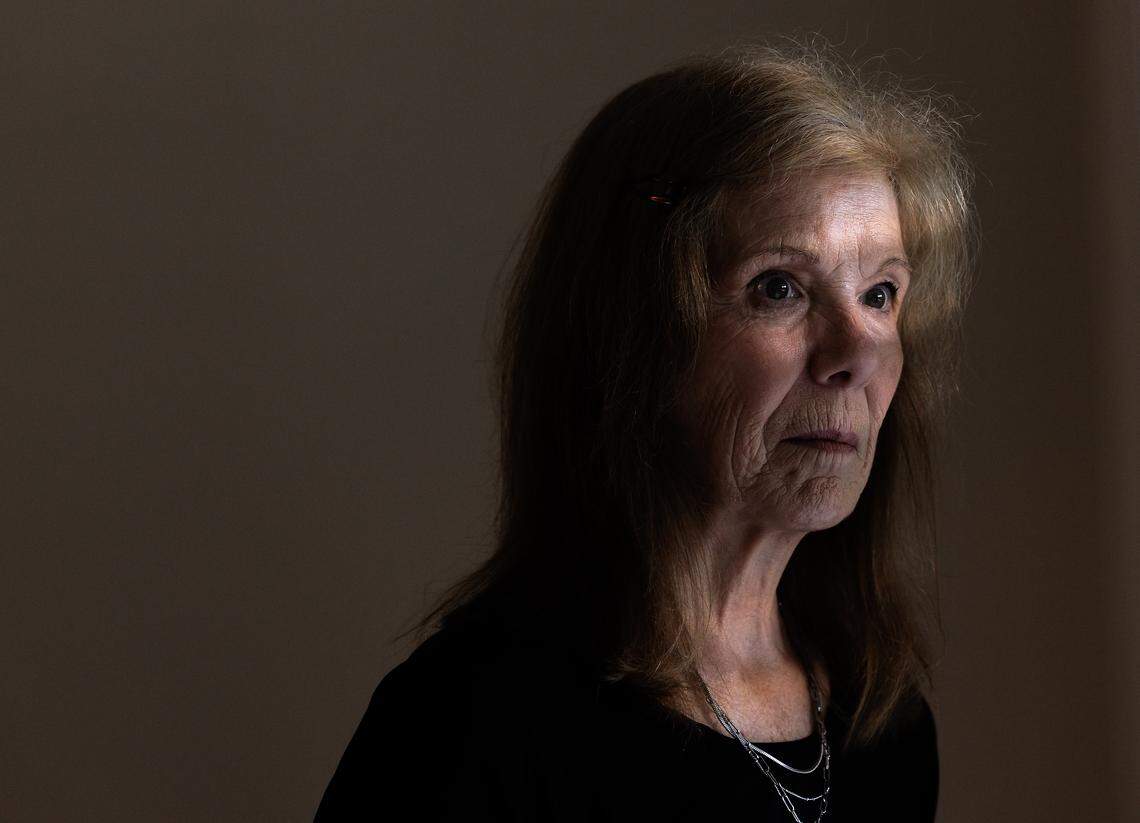
By that point, their relationship was already strained by Rodrigues’ inability to hold down a job because of his temper.
“I caught glimpses of it through the years, but I was in denial,” Rohner said. “Like, I failed at one marriage. I didn’t want to fail at two, or I didn’t want to admit that I failed at two.”
Several months after their move, Rodrigues was again fired, and Rohner began to realize she no longer loved him. When Rodrigues began mocking and complaining about her 97-year-old mother, that was the last straw.
“I said, ‘I want a divorce,’ and I didn’t think it through,” she recalled. “I, in my foolish mind, thought we would be able to have an amicable divorce. I was very wrong.”
The building tension came to a head on one terrifying evening.
“[T]hat’s the first night he put a gun to my head and told me he was going to rape me,” she said. “I was on my back with my knees up, laying on the floor, staring at the bathroom ceiling with a 9 millimeter gun at my head.”
Eventually Rodrigues revealed the gun wasn’t loaded and Rohner got him to hand it to her, she said. But the incident marked the beginning of what she describes as an expensive divorce, prolonged by state law requiring a year of separation and Rodrigues’ insistence she drop the charges she’d pressed against him after that night.
Her life became an exercise in hypervigilance as she learned to watch for Rodrigues at every turn. His behavior over the next 11 years included hiding cameras in her house and popping up unexpectedly at the airport when she got off a flight. She lost several jobs after he mailed intimate pictures to her employers, and she paid out of pocket for security systems, attached garages and anything offering a semblance of safety.
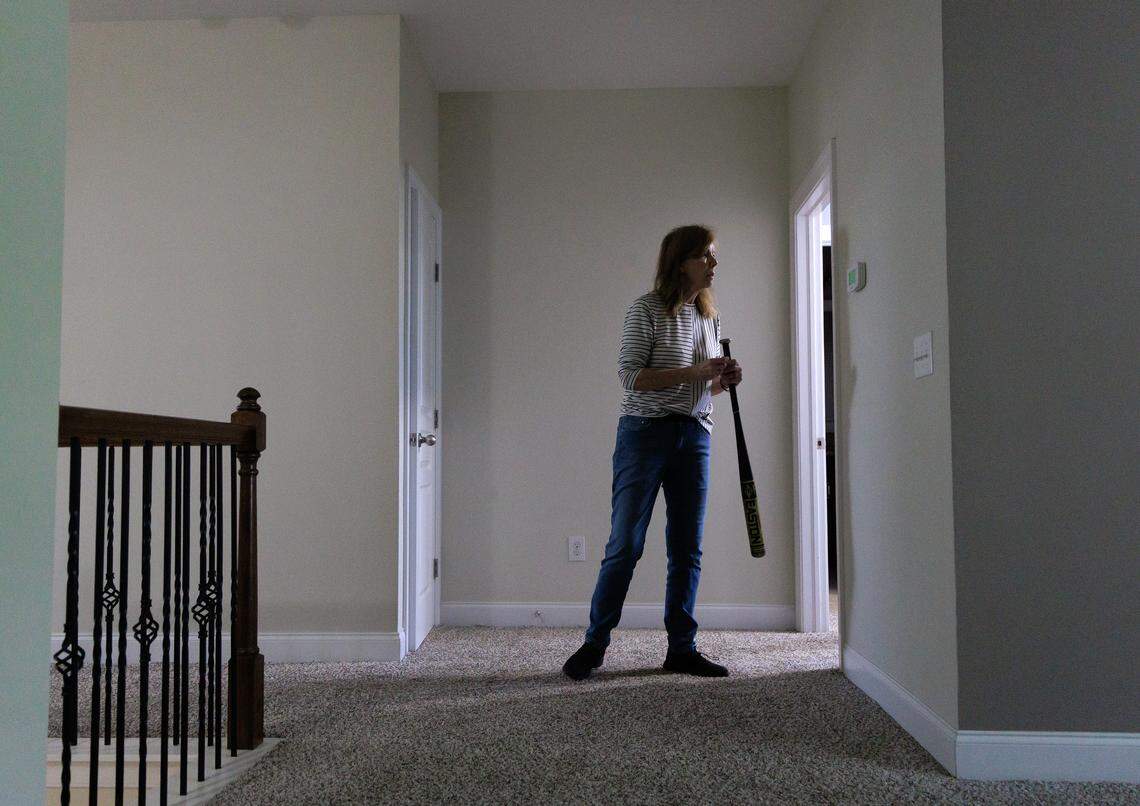
“That’s when I was learning how to buckle myself down and change all my email addresses and change all my passwords,” she recalled. “My phone number, I changed five times back then, but he just kept finding me.”
Over the years, Rohner found bits of support in the detectives and advocates who accompanied her to court. Annual hearings became a regular part of her life as she had to refile for a domestic violence protective order against Rodrigues every year; on the one occasion she let the order lapse, he contacted her the very next day, she said.
“Those little pieces and nuggets felt good and supportive,” Rohner said. “But in the big picture, those don’t come with you 24/7, and that little piece of paper doesn’t protect you.”
The harassment persisted even after she moved to Wake County almost a decade ago, but Rohner still worked to build a life she loved. Meeting John, a retired doctor living in Durham, online three years ago felt like the final piece of the puzzle. The News & Observer is not using his last name at Rohner’s request to protect his children’s privacy.
“We investigated each other for a pretty long time before we said, ‘I think you are the one,’” Rohner said, smiling. “He was just the easiest guy – just so, so easy to be with and to love.”
Even better, John came with a large family, something Rohner longed for after never having children. “I always wanted to have kids and grandkids; it just didn’t turn out,” she said. “But I was going to get them in my later life.”
By January, Rohner was set to move into John’s Durham home, and they were preparing to sell her Renaissance Park townhouse.
A surprise attack
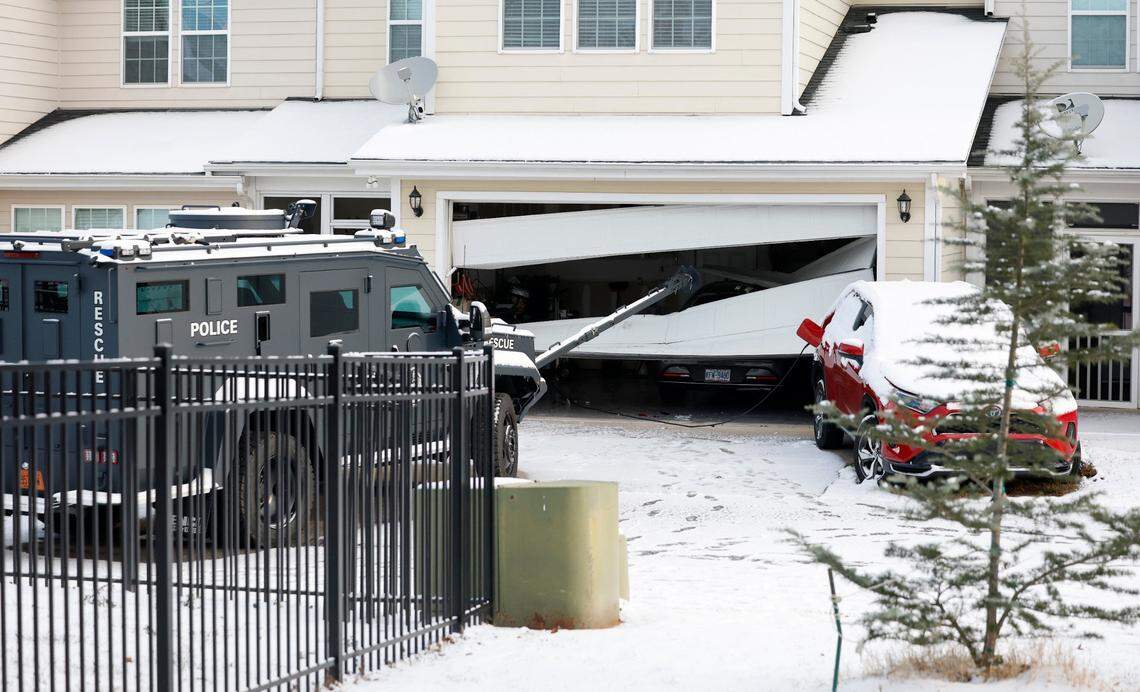
But that move was another thing Rodrigues stole Jan. 21 when he arrived at the house about 5:30 p.m. under the guise of delivering flowers.
With her Jan. 30 birthday on the horizon, Rohner thought nothing of the man at her door, so bundled up against the snow she could only see his eyes.
“I was standing in front of the door and John was standing next to me, and I said, ‘Who are the flowers from?’” Rohner recalled. “And I looked at John and he was like, ‘Not me.’ And the guy behind the flowers said, ‘They’re from me,’ and crosses the threshold.”
After a brief struggle, Rodrigues fled. But as Rohner was on the phone with 911, Rodrigues blasted through the back door with a shotgun and shot John.
The next thing Rohner can remember is facing her ex-husband in her garage as she asked him why he was attacking her home. “And he just said, ‘Because you took everything from me,’” Rohner said.
Rodrigues didn’t try to harm her, and they left in separate directions as Rohner sought help. Her last memory of John is him staring at her from the floor, unable to talk, as a Raleigh police officer across the street told Rohner to run to him.
“He tried very hard to defend me and save me that night, so I want to believe that he was saying, ‘Go, get the hell out of here. Save yourself,’” Rohner said. “That moment was the hardest part for me.”
Rohner eventually sought shelter at a neighbor’s, and Rodrigues barricaded himself in her garage in a standoff with police. He was fatally shot by an officer just before 7 p.m., but not before seriously wounding First Class Officer Max Gillick.
Rohner wouldn’t learn until about 11 p.m. that John had died at the hospital. She was still being interviewed by a detective when she heard the news.
“I remember just getting up and just pacing,” she said. “I didn’t cry. I didn’t scream.” Her guilt over John’s death remains a struggle, but Rohner holds tight to words now-Chief Rico Boyce shared with her and the crowd at a vigil days after the attack. As she spoke with him before addressing the crowd, she apologized for the situation, Rohner recalled.
“He held my hand, helped me up the steps,” she recounted. “And he said, ‘Before Jill talks to you, I just want to let you know that we just met, and we were talking and she apologized to me. Jill doesn’t owe any of us an apology. She’s a victim. She doesn’t owe any of us an apology.’”
Then, Rohner said, Boyce hugged her in an act of kindness she won’t soon forget. Many of her hugs since have involved John’s old pillow, the one thing she took from his home after his death. It would become the center of her nighttime routine.
“I would smell the pillow and have conversations with him and apologize to him and just feel horrible,” Rohner said.
In the months after John died, she struggled not to let her anger at her ex-husband crowd out her mourning for her beloved. By fall, months of weekly therapy — obtained free thanks to InterAct, a Wake County organization that helps domestic-violence survivors — had allowed her to make progress.
“I didn’t have room to grieve John because the anger used to just bump the grief right out of the way,” she said. “Now, that doesn’t push John out of the way anymore, because I was able to kind of get through some of that.”
She bought a new home “on a whim” and moved in soon after Labor Day. The process has unleashed a fresh wave of grief as Rohner contends with all the things John would have once helped with that she now must tackle alone: mounting a TV, aligning dresser drawers, moving heavy furniture.

In a Nextdoor post seeking help from neighbors, Rohner wrote that she “had a ‘honey-do list’ but no honey.” But family came to help with some of the initial tasks, and Rohner is learning how to lean on others again.
“I want to trust people,” she said. “How do I trust people, and how do I do it right?”
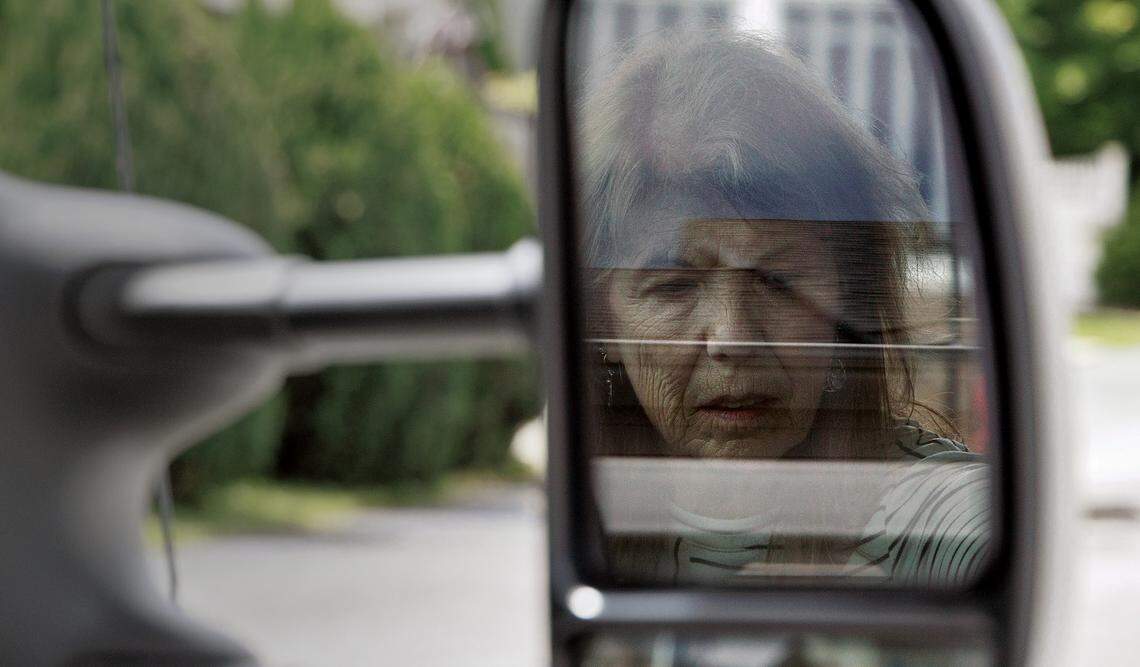
Meeting Gillick, the injured officer, this summer also helped. The two connected over their healing processes, and Gillick plans to stop by her new home with homemade bread and jam soon, Rohner said.
“I needed that step,” she said. Still, she remains haunted by the what-ifs, especially after learning John might have survived if Rodrigues’ standoff hadn’t delayed paramedics’ arrival.

What if her pleas to judges that Rodrigues be psychologically evaluated had worked? What if legislation had prevented him from buying ammunition before the attack? What if a law treated people subject to a domestic violence protective order multiple years in a row differently?
Those are questions Rohner will never have the answers to, but what she does know is that she did all she could; the officers she’s spoken with have told her as much.
Still, the survivor’s guilt plagues her.
“It was murder-suicide; it just wasn’t me,” she said. “I don’t want to be dead, and I am not suicidal — but it wasn’t supposed to be John, and that just hurts.”
Next: Domestic violence homicides are on the rise in NC. Could a red flag law help?
This story was originally published October 22, 2025 at 5:30 AM.
