
Morrisville loses country store built in 1930s, a hub with the town’s only phone
AI-generated summary reviewed by our newsroom.
- Cotten family store, built in 1930s, hosted the town's only phone.
- Store functioned as community hub as Morrisville grew from 161 to 32,000.
- Remaining family demolished sagging landmark at town request in 2025.
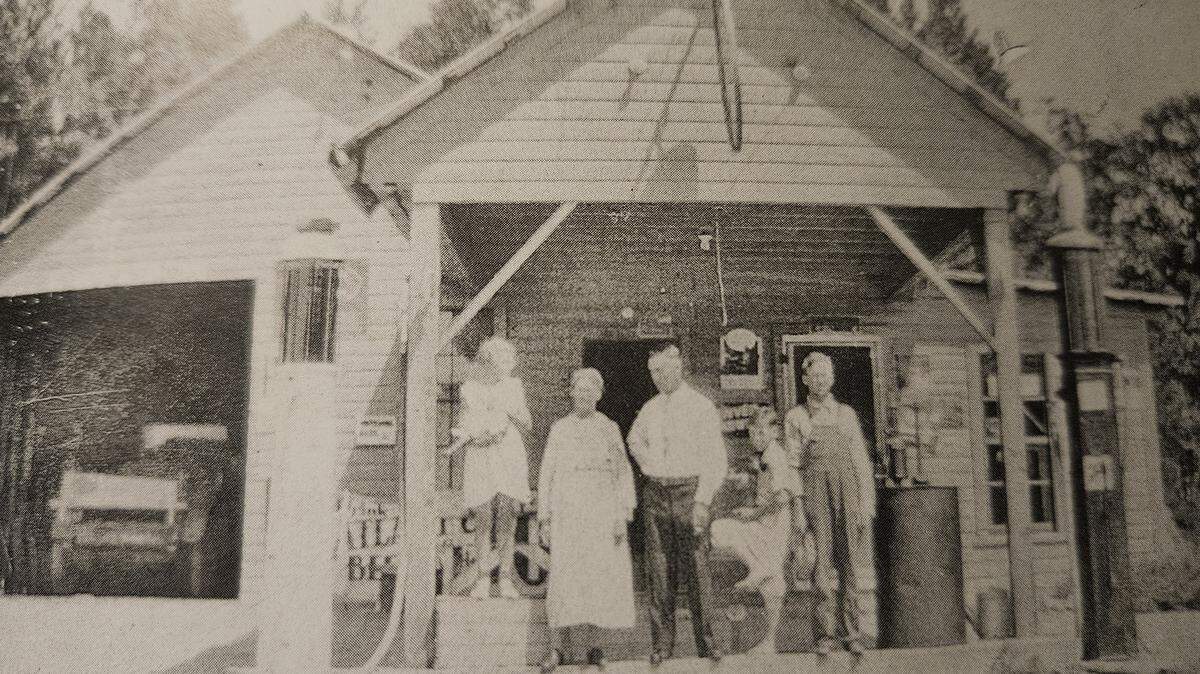
In its day, the Cotten family store offered anything you might hanker for: a piece of penny candy, a 5-cent cigar, a gasket for your Ford Model T or a nap on the cot by the wood stove.
Built in roughly 1935, the store boasted the only telephone in Morrisville, so customers took turns making calls on a four-party line. While they waited, old-timers gathered on the bench outside and discussed how the world was going to pot.
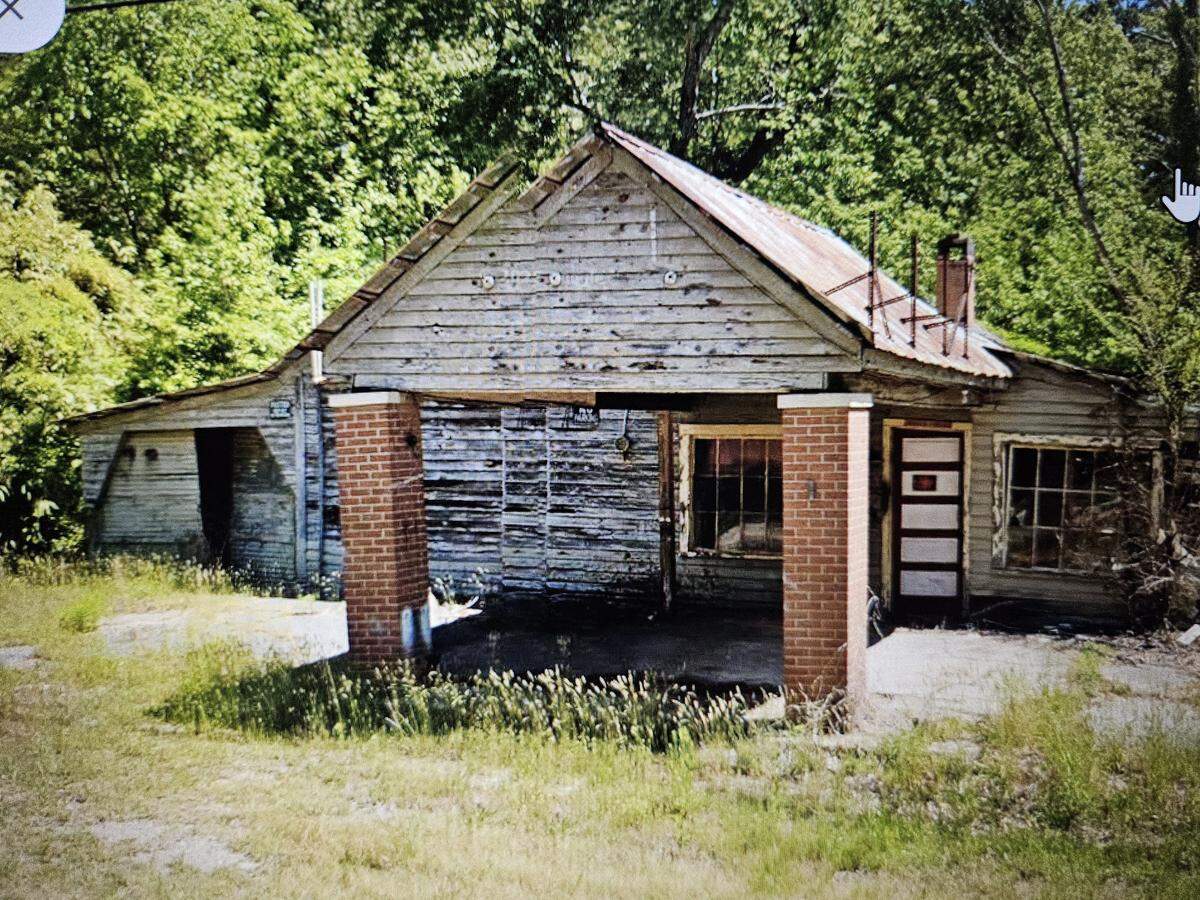
But last week, the remaining family tore down the sagging landmark on NC 54 at the town’s request, a concession to time and chain stores.
That store witnessed Morrisville’s growth from 161 people to 32,000, a rural outpost to a busy suburb alongside an international airport. So the loss hits hard.
“It was a lovely, lovely place,” said Julia Boyette, granddaughter to the original owners. “It just tore at my heart to tear it down. Everything comes to an end. The sun sets on all of us.”
A can of this, a can of that
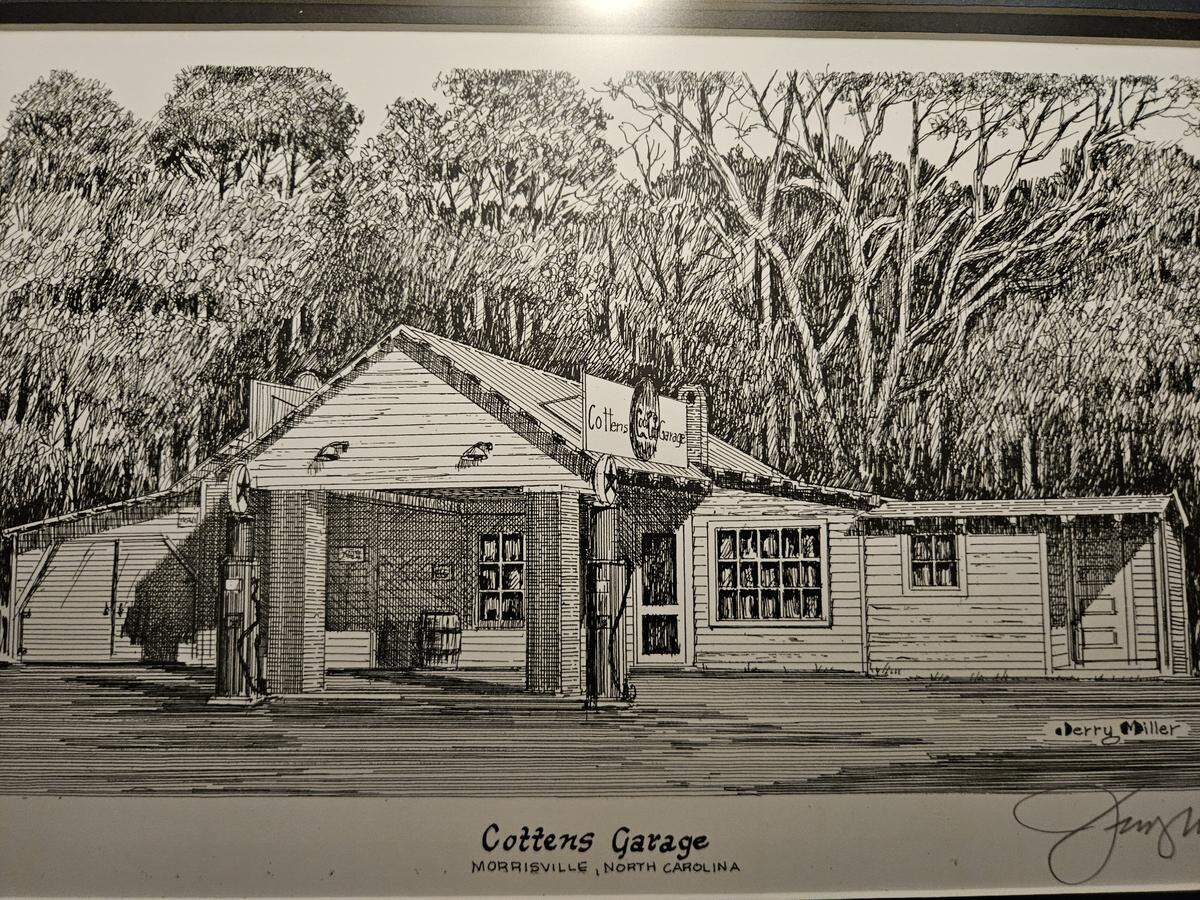
Exie and Julia Cotten built their combination country store and Esso station in the middle of the 1930s, when the Depression still gripped the country and many in Wake County survived largely off what they grew themselves.
Most of what “Daddy Cotten” sold went for a nickel, including fishing poles and cans of night crawlers you could take to the pond out back. Five cents bought a gallon of gas or a can of pork and beans, but the Cottens kept a ledger and let their customers pay what they could when a nickel came too dear.
“They let people pick up a can of this, a can of that,” Boyette said. “My grandparents were very giving people.”
The phone sat on a rolltop desk in a back room, offering some privacy. And the cot by the wood stove offered a convenience no Target store would ever allow.
“Everybody would plop down and take a nap,” said Boyette. “Before you’d know it, they’d gone to sleep. We’d think that was funny.”
A huge assortment of candy bars
Between roughly 1935 and 1970, the Cotten store served as a gathering place in a town that mostly had no other, especially drawing in restless country children.
“We kids jumped on the bell-hose, trying to make it ring, which alerted Mr. Cotten he had a customer,” recalled Annie Walton Wyatt, a family friend, in a Facebook tribute. “Inside, you could get a short Coke for a nickel and put peanuts in it to make it fizz. There was a huge assortment of candy bars for a nickel, also. Then, there were the mysterious jars of pickled eggs, sausages and pigs’ feet! Yuck! Mrs. Cotten and Mama are talking about the best way to cook okra, and Mrs. Cotten gave us a slice of watermelon and take it outside. We devoured it with grimy hands, juice dripping down our mouth and bellies.”
Exie Cotten died in 1966 and is buried in a family cemetery nearby, but Julie outlived him by nearly three decades, dying in 1999 at 97. Still, the store hadn’t been open for 50 years, and as unmistakable as it was to people in passing cars, it could stand no longer.
“It was kind of collapsing in on itself,” said Gregory Boyette, the Cottens’ great-grandson. “I think it was just acknowledged.”
Still, it lives in the photographs taken by people whose hair long ago turned white, who can remember a time when catching junebugs was considered fun, who still appreciate a good round of bellyaching about the world on a bench outside a country store, or, failing that, a good nap.
This story was originally published October 21, 2025 at 11:55 AM.