
Tour of historic Raleigh toilets offers a glimpse into privies of the past
AI-generated summary reviewed by our newsroom.
- Preservation Raleigh offers a three-hour Toilet Tour of historic lavatories.
- Tour traces sewage and water systems from outhouses to pumped networks.
- Self-guided tour starts at Mordecai Park, ends at Haywood Hall with reception.
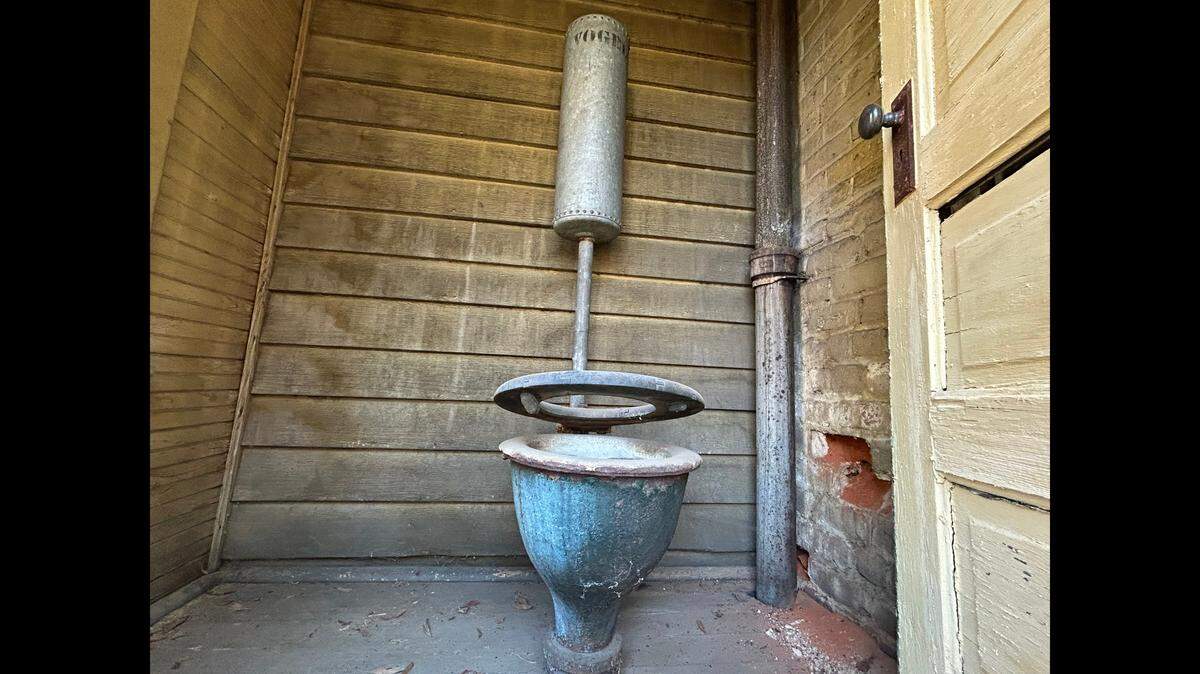
In roughly 1910, some of Raleigh’s most distinguished residents — its aristocrats, its thinkers, its throwers of fancy balls — would have scampered outside in the morning chill, hoisted their nightshirts and plopped down on a Vogel anti-frost toilet, the peak of plumbing technology.
Just such a beauty still stands outside the Mordecai House, Raleigh’s 18th-century gem, and it persists today in all its auto-flushing majesty. With its high tank and wooden seat, the antique Vogel must have witnessed decades’ worth of deep thoughts, satisfied sighs and long perusals of the farmer’s almanac.
It showed through porcelain and pipes how far humankind had advanced past the corn cob and chamber pot.
But as a household marvel, the toilet performed too intimate a task to hear history’s applause.
Until today.
This Sunday, Preservation Raleigh offers The Toilet Tour, a three-hour jaunt through Raleigh’s most historic restrooms, aimed at showing the capital’s more hidden chapters.
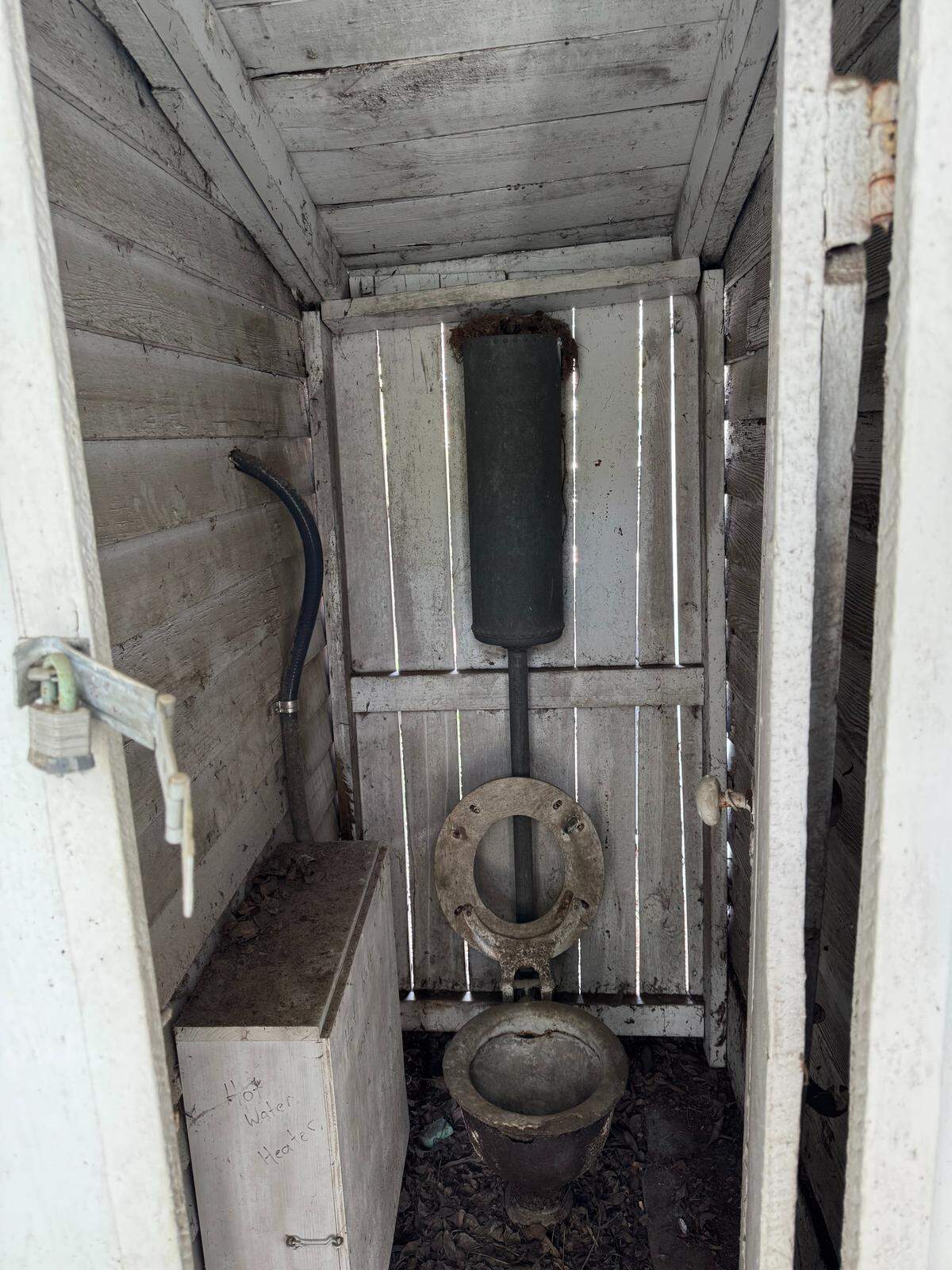
Without giving too much away, visitors might step inside an outhouse used well into the 1950s, an ornate commode with a heavily decorated pull-chain tank and restroom experience that can only be described as ... towering.
“With preservation, you don’t want to just save cool houses,” said Dana Deaton, spokeswoman for Preservation Raleigh. “You want to save important spaces.”
The point of the tour isn’t just to look at old-fashioned potties, but also to understand the evolution of how, when and why water moved through Raleigh.
One stop on the tour demonstrates how unfortunate souls lugged water uphill from a Mordecai creek while another shows how it got pumped more than a mile downtown.
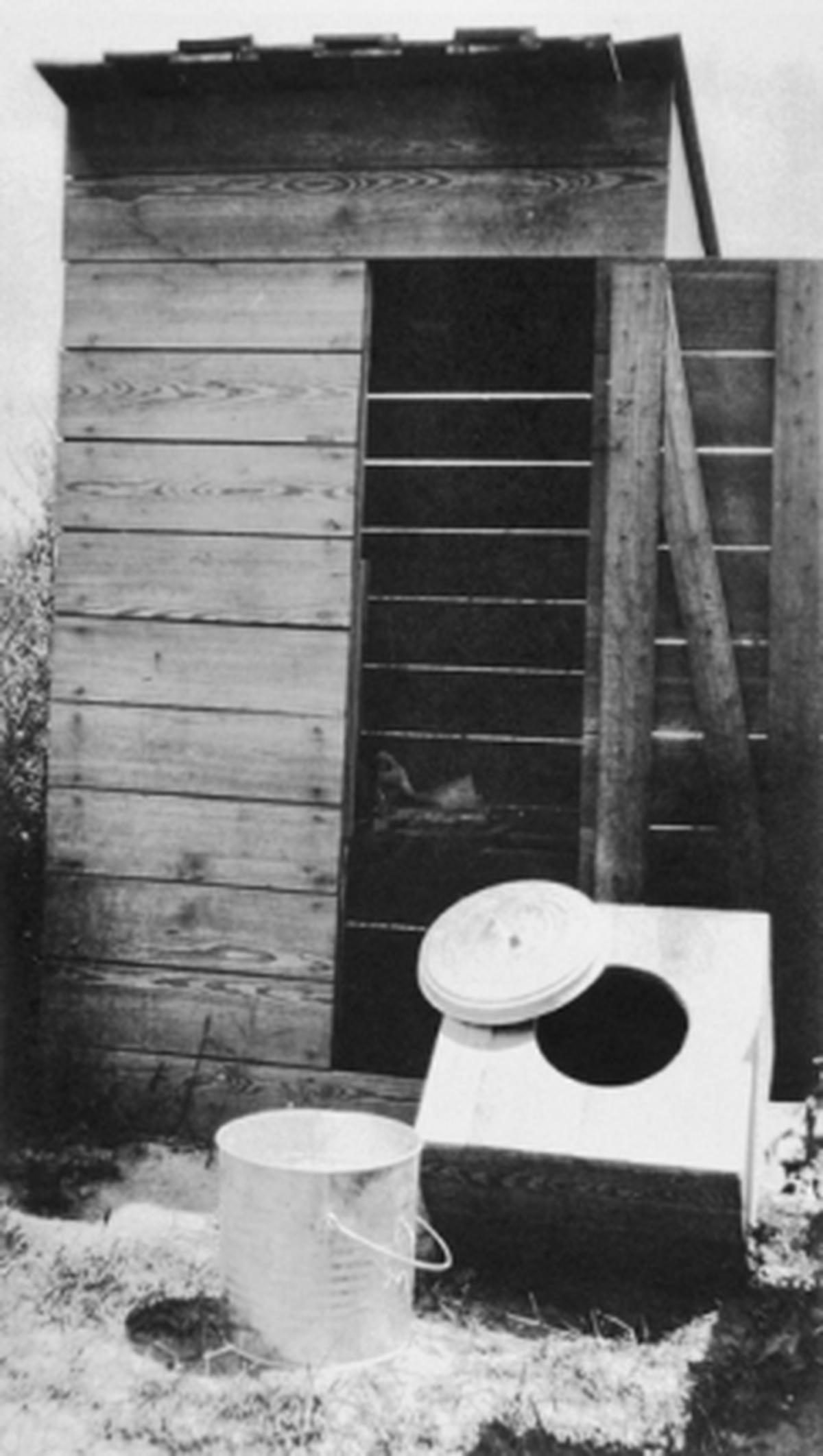
Even more than a century old, these Raleigh lavatories are far more lavish than the ordinary relief-seeker would have used. Nobody worried much about the backyard privies leaking into drinking water until the late 19th century, and sewage systems didn’t start to appear until the 1920s.
Celebrating these advancements feels as natural as noticing the gables on a Queen Anne-style house or the brickwork or appreciating the bumps of a cobblestone street.
With Raleigh’s relics vanishing as fast as they are, it seems fitting to highlight the true seats of power, the heroes’ chairs, the thrones of past kings.
How to go
The self-guided Toilet Tour lasts from 1 p.m. to 4 p.m. Sunday, Nov. 16, starting at Mordecai Historic Park and finishing with a 4 p.m. reception at Haywood Hall. Tickets cost $25 and can be purchased at https://preservationraleigh.org/events/ or here.
This story was originally published November 10, 2025 at 5:00 AM.