Is it legal to film Border Patrol agents in Raleigh? Here’s NC law
AI-generated summary reviewed by our newsroom.
- First Amendment protects recording Border Patrol in public and federal spaces.
- Agents can order you to stop or pursue obstruction charges if you’re interfering.
- Providing transport or shelter to targets risks aiding and abetting felony charges.
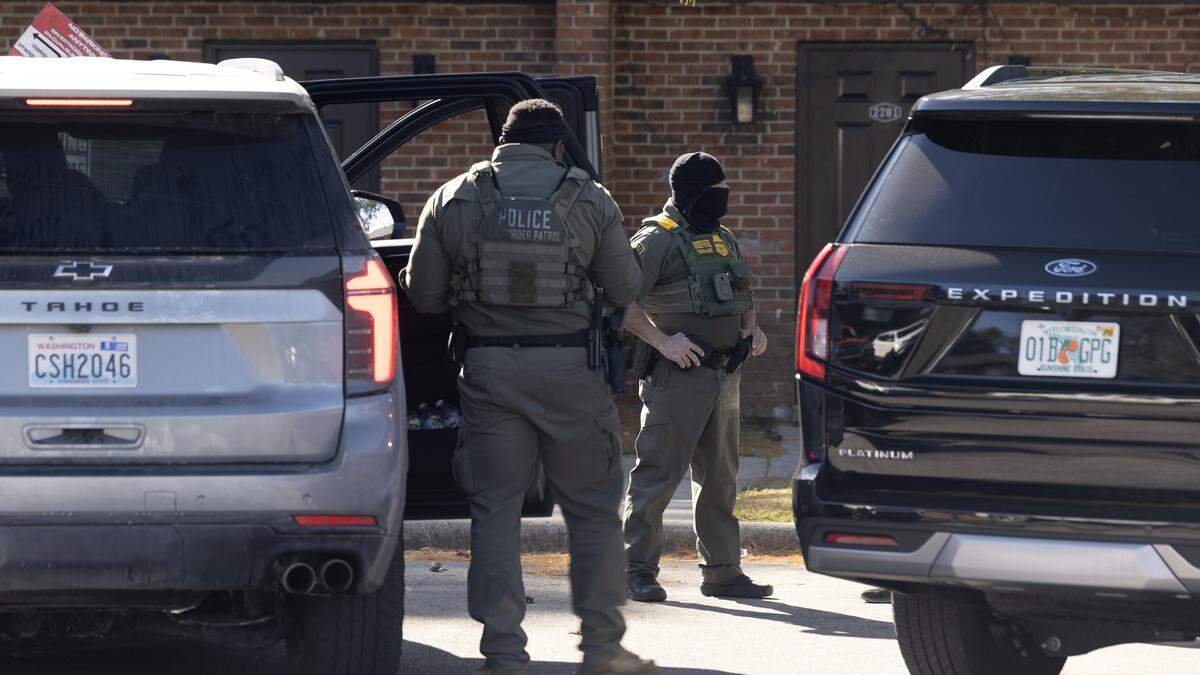
After arriving in Charlotte over the weekend, Border Patrol agents are now in the state’s capital. The efforts are part of the Trump Administration’s efforts to crackdown on illegal immigration.
The agency has already made more than 100 arrests in Charlotte, The Charlotte Observer reported.
Border Patrol’s presence has also drawn crowds of bystanders and witnesses, many of whom have been recording arrests as they unfold in public spaces. Those videos have quickly circulated online — but is it legal to film them?
Here’s what you need to know.
Is it legal to film Border Patrol agents?
Yes, your right to film Border Patrol is protected by the First Amendment, regardless of your immigration status, according to the American Civil Liberties Union (ACLU) of New York.
That means you can film agents in public spaces, including federal buildings, police stations and other public areas, The Charlotte Observer previously reported.
Can Border Patrol agents tell you to stop recording them?
Yes, if you’re getting in the way of their work, Keisha Williams, the director of communications at ACLU of North Carolina, previously told The Charlotte Observer.
“You cannot interfere with police operations, so they can ask you to stop,” said Williams.
But if you’re not interfering with police work or filming in a restricted area, such as a restroom, the First Amendment protects your right to record law enforcement, Williams said, adding that those who choose to film law enforcement should keep a safe distance while doing so.
What is the penalty for interfering with Border Patrol work?
Interfering with federal agents is considered obstruction of justice, which can lead to misdemeanor or felony charges, depending on the severity of the crime, according to Wisconsin-based law firm Birdsall Muller.
The firm also says that anyone who helps someone avoid arrest by federal agents, whether by giving them a ride, providing shelter or helping them hide in some other way, could face aiding and abetting charges, which can also be felonies.
This story was originally published November 18, 2025 at 12:27 PM.