NC isn’t waiting for FEMA. DEQ is testing nature-based ways to prevent flooding
AI-generated summary reviewed by our newsroom.
- DEQ completed a $1.6M natural infrastructure pond at Wayne Community College.
- 9-acre, 9-foot basin captures 100-year runoff and slows release to creek.
- State program funded the project without FEMA aid and tests watershed-scale fixes.
While the federal government debates what role it will play in helping states prepare for and recover from natural disasters, North Carolina is working on ways to prevent them.
The state Department of Environmental Quality celebrated the completion this week of a pilot project designed to curtail dangerous flooding on the northeast side of Goldsboro. The $1.6 million project on the campus of Wayne Community College attempts to mimic nature’s way of handling excessive rainfall, using a large retention pond and indigenous plants to capture water and slow its release into a nearby creek.
The work is a form of hazard mitigation, a notion pioneered by FEMA in the late 1980s and 1990s. North Carolina has combined state and local funds with money from the Federal Emergency Management Agency in the past to purchase homes and land in flood-prone areas to allow residents to relocate to higher ground, especially after a series of hurricanes in the ‘90s caused repeated severe flooding in some of the same places with each storm.
The work unveiled by state and local officials on a cold sunny morning this week is different from those projects in that:
- It was built without FEMA funding by the Natural Infrastructure Flood Mitigation Program created by the N.C. General Assembly in 2020. Projects funded through the program use natural infrastructure to restore or emulate natural landscapes and ecological processes to reduce flooding in small, targeted watersheds, according to DEQ.
- It used a private contractor, Ecosystem Planning and Restoration of Cary, to plan and build the project rather than going through a bidding process for each step. Planning began in 2023. The company broke ground on the work in March 2025 and had completed it by early December.
While the project didn’t involve relocating homes from a flood plain, it could help save lives by preventing hazardous flooding on busy Wayne Memorial Boulevard nearby, officials said.
In excessive rainfall events like those that accompany some hurricanes and tropical storms, inland flooding is the second leading cause of death, according to data from the National Weather Service.
In North Carolina, dozens of people have died as a result of driving through floodwaters during storm events.
One was a 54-year-old Goldsboro man whose car was washed away from Wayne Memorial Boulevard on Oct. 8, 2016, after Hurricane Matthew dropped more than 18 inches of rain on the area. His body was later found in his car in a creek.
The area that floods is near UNC Health Wayne, formerly Wayne Memorial Hospital, and Goldsboro Mayor Charles Gaylor said Wednesday that at times, floodwaters have made it impossible for ambulances or hospital employees to get into or out of the facility. Flooding also has blocked access to the community college campus in the past, he said.
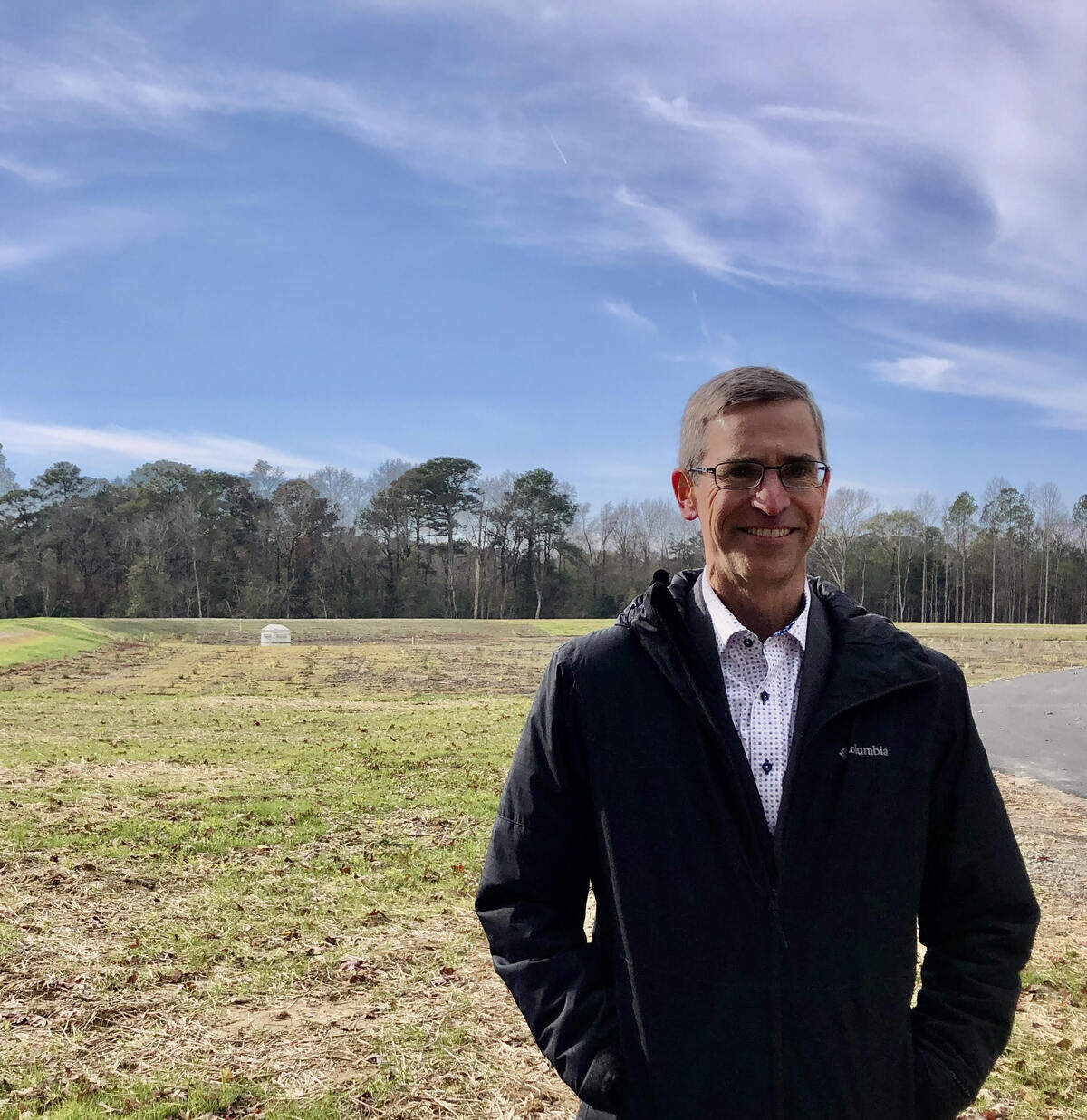
Will McDow of Durham, who manages the Climate Resilient Coasts and Watersheds Team for the Environmental Defense Fund, conceived of the idea to build a series of projects in the Stoney Creek Watershed to help with Goldsboro’s flooding. This one is built around a 9-acre basin that’s at least 9 feet deep when full of water. It’s been planted with wetland plants that will help filter the water in the pond and promote its slow release into the ground.
Stormwater standards in North Carolina require retention ponds or other methods to hold back runoff from two- or five-year storms, McDow said. This pond will capture campus runoff from a 100-year event, far exceeding requirements.
As part of the work, DEQ added a walking trail around the pond that will make a nice feature, McDow said. Additional projects are planned in the Stoney Creek Watershed to further reduce flooding.
As a result of climate change, North Carolina is “seeing more intense and more frequent storm events dropping huge amounts of water and leading to more frequent flooding,” McDow said. “One of the issues that we’re really thinking through is, How do you work at a watershed scale to solve these watershed problems? You’ve got 100-plus years of development and infrastructure put in, and now with these storms, how do you go back and design systems that hold more of that water back?”
This will test the effectiveness of fixing the problem with a series of small projects fit it around existing development that work across a watershed, McDow said.
Local and state officials and advocates who work with victims in disaster-prone states say local hazard mitigation initiatives are important. But they have been concerned about the future of FEMA, which takes the lead in mitigating natural disasters before they happen and in aiding recovery after.
President Donald Trump has said he wants the agency disbanded or severely downsized and its mission handed to the states, possibly with some federal funding allocations.
The Goldsboro mayor said that while FEMA needs some reforms, the mitigation work the agency does is money well spent.
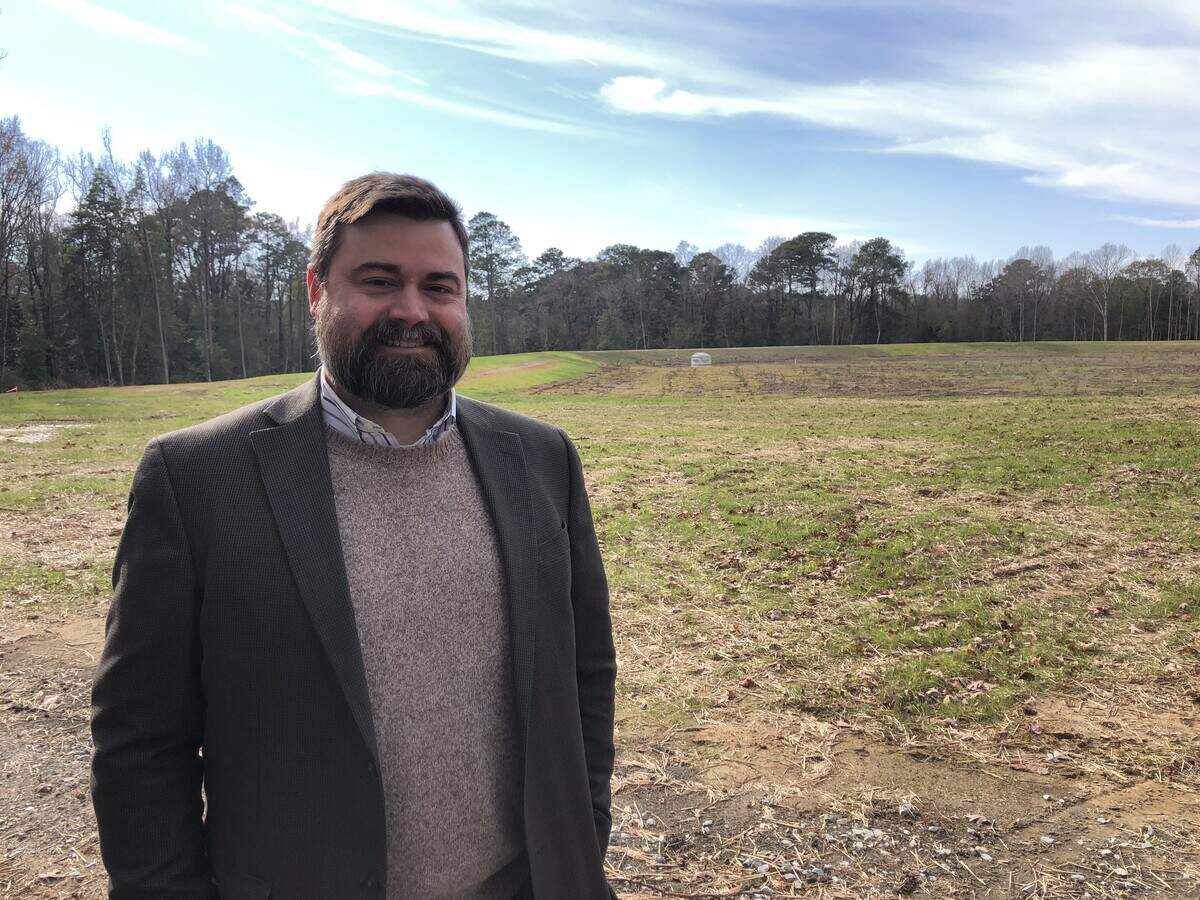
“Like this project,” he said. “You spend a million and a half dollars, but you prevent hundreds of millions in destruction.”
Gaylor said many people misunderstand FEMA’s role in disasters. Much of what the agency does, he said, is advance training of local emergency response organizations so when a disaster hits, the community is ready to respond — not FEMA employees from Washington or elsewhere.
“If there is not a coordinated, intentional response effort, and you leave everything to everyone’s best guess, don’t be surprised when you get a worse product,” he said.
This story is available free to all readers thanks to financial support from the Hartfield Foundation and Green South Foundation, in partnership with Journalism Funding Partners, as part of an independent journalism fellowship program. The N&O maintains full editorial control of the work. If you would like to help support local journalism, please consider a digital subscription, which you can get here.