
161 cold-stunned sea turtles rescued on OBX. How volunteers warm them back up
AI-generated summary reviewed by our newsroom.
- Volunteers rescued 161 cold-stunned sea turtles on the Outer Banks.
- N.C. Aquarium received 120 turtles in a single week; cared at S.T.A.R. Center.
- N.E.S.T. and volunteers urge public to call hotline rather than move stunned turtles.
Volunteers on the Outer Banks have rescued 161 sea turtles left “cold-stunned” by freezing temperatures, transporting the region’s signature reptiles to a nearby aquarium to recover.
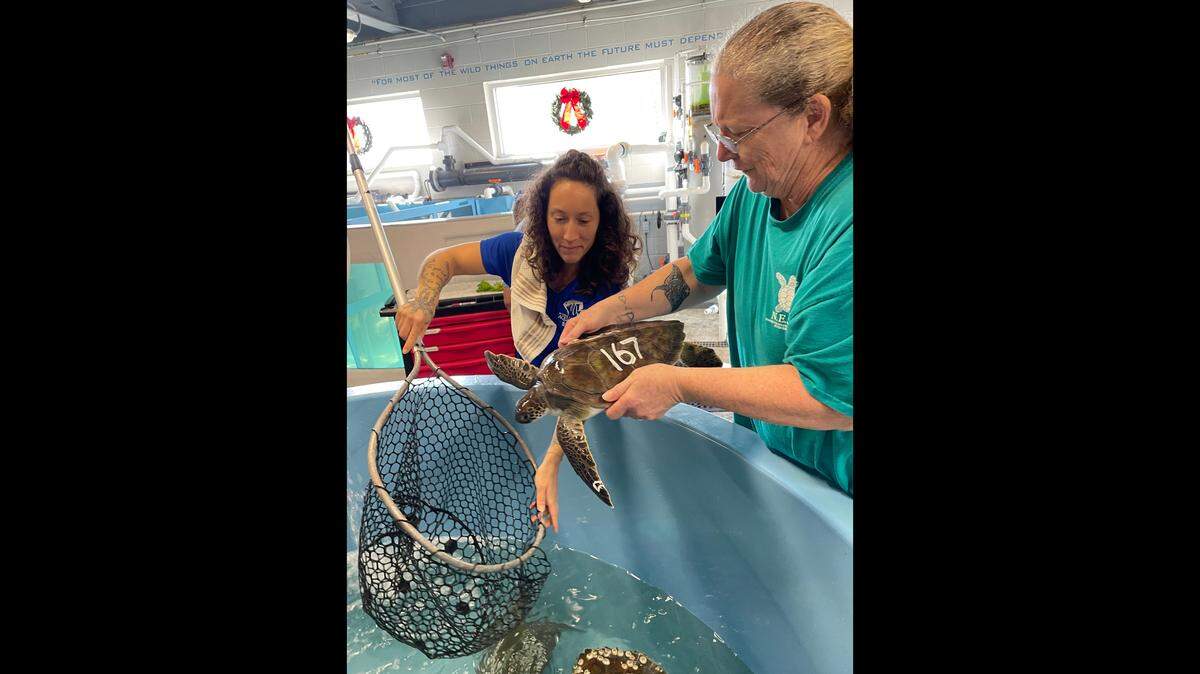
The N.C. Aquarium in Manteo received 120 of those turtles in a single week during a recent cold snap, and they are receiving care at its Sea Turtle Assistance and Rehabilitation, better known as the S.T.A.R. Center.
But by Tuesday, the aquarium reported 55 of those turtles had recovered and were released into the Gulf Stream.
Cold-stunning happens naturally each season when waters grow cold before turtles can migrate to warmer spots, such as the Gulf Stream, said Aquarium spokeswoman Sallie Bowman.
Stunned turtles experience conditions similar to hypothermia and get stranded along shorelines, looking lifeless. Compared to last year, when the aquarium took in 800 stunned turtles between December and March 2025, these numbers are lower.
The all-volunteer nonprofit Network for Endangered Sea Turtles, or N.E.S.T., has collected nearly 200 turtles since Thanksgiving. They maintain a hotline, but most are collected by foot patrols through mud, shallow water and tall grass.
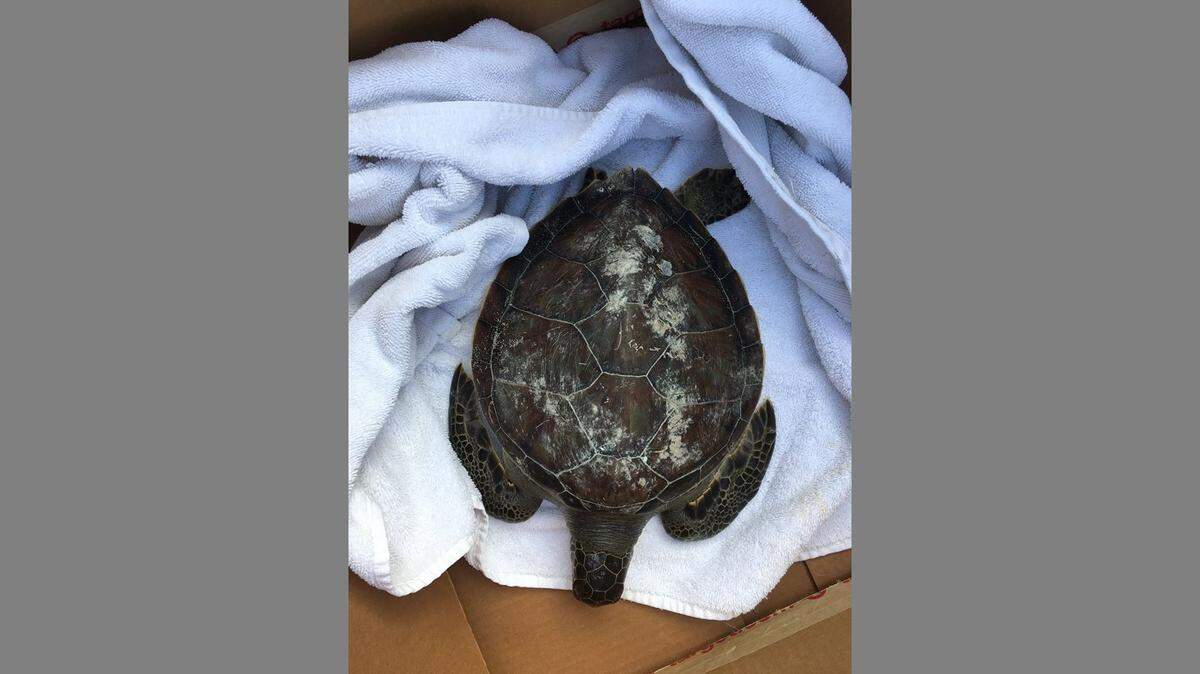
Caring for NC’s cold-stunned green sea turtles
Caring for a single turtle can cost between $300 to $500 until they can pass swim tests and return to the wild. N.E.S.T. invites donations to help with care.
Rehabilitation can take anywhere from several weeks to several months.
While it happens, animal care teams warm the turtles slowly indoors, offering them food, fluids, antibiotics and eye care, aquarium officials explained. Once they are able to swim again and easily lift their heads out of the water, they are given a numbered tag in the shoulder muscle so future rescuers will have access to their information if they get stranded a second time.
Green sea turtles are the most common cold-stun victims, the group explained, because as “lawnmowers of the sea” they prefer feeding on grass and algae in the warm shallow waters of Roanoke Sound. Kemp’s Ridley turtles also feed on crabs there, making both vulnerable to sudden temperature drops.
The aquarium asks that members of the public not try to move stunned turtles on their own but rather call the N.E.S.T hotline at (252) 441-8622.
This story was originally published December 22, 2025 at 11:12 AM.