
NC man spent 11 1/2 years incarcerated. Now he’s bought a prison for $275,000.
In the yard, orange rust streaks the backboards of two basketball hoops. Weeds grow in the cracks of the concrete court. Blotches of moss blanket the eight benches encircling the court, a couple of them tipped over.
Half of the yard is surrounded by a red-brick, two-story building with some windows boarded up, the other half by barbed-wire gates.
The yard is where Kerwin Pittman often sits to take meetings. He calls it the vineyard. When he toured the former Wayne Correctional Center to decide whether to buy it, the vineyard gave him a sense of calm. It evoked memories of being incarcerated at the Orange Correctional Center in Hillsborough for 11 1/2 years.
“Where people saw dust and trash and different stuff, I saw people moving around,” Pittman said. “Because I had been in the institution, so I could see families out here, kids running around. I saw all of that.”
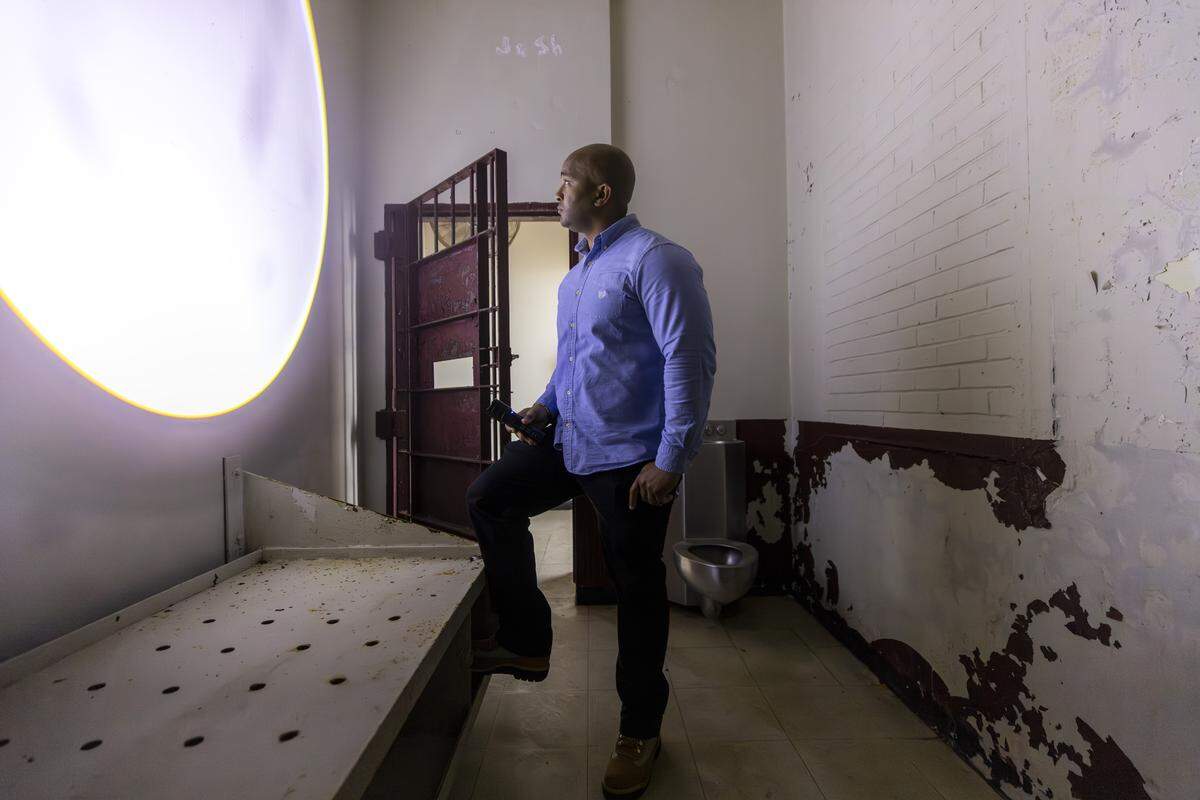
Pittman, the director of development at Emancipate NC and the executive director of the nonprofit Recidivism Reduction Educational Programs Services (RREPS), closed on the old prison in October 2025. The N.C. Council of State approved the sale in November. As far as he and his team can tell, Pittman is the first formerly incarcerated person in U.S. history to buy a prison.
Wayne Correctional Center was the main building of the old Cherry Hospital campus until the state Department of Health and Human Services transferred it to the Department of Adult Correction in 1978, when it became a medium-security prison housing over 400 inmates. It closed in 2013 and cost Pittman $275,000, DAC spokesman Keith Acree said.
The goal is to turn it into a “Recidivism Reduction Campus” where people recently released from prison can live and get job training, digital literacy training and trauma-informed care. (Emancipate NC is not involved with the Recidivism Reduction Campus.)
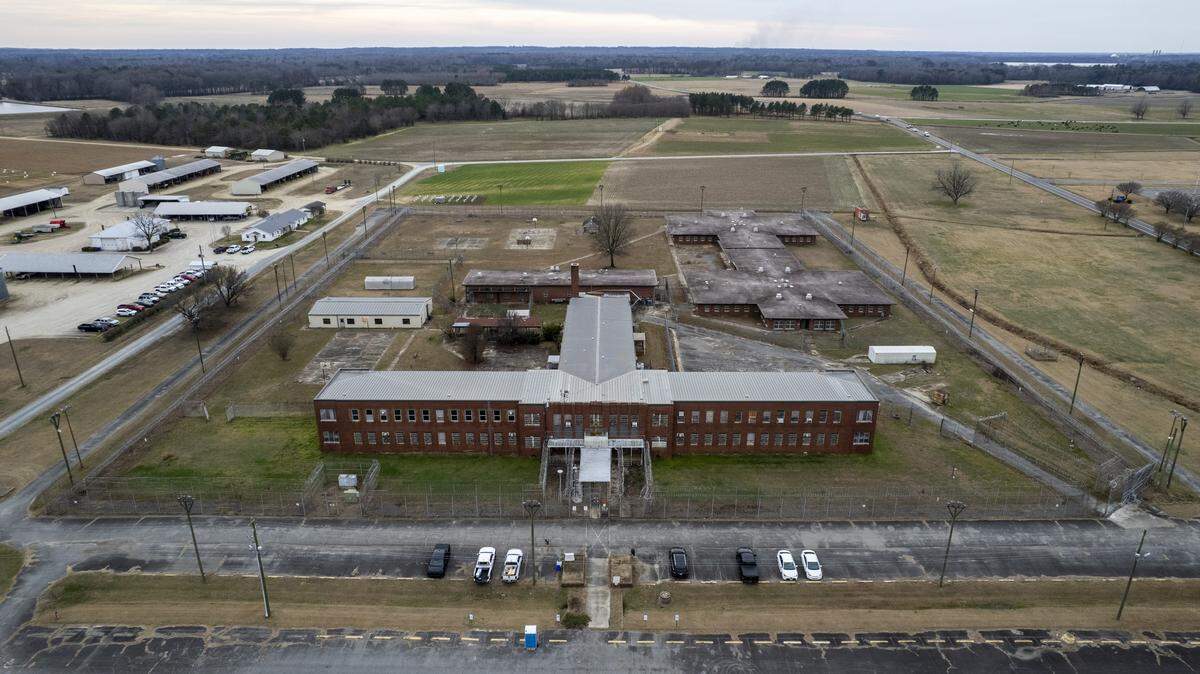
What if this wasn’t a prison?
Usually, when a prison is decommissioned — North Carolina built many new prisons in the early 2000s that rendered some older prisons obsolete — it’s transferred to a different state agency or the county government, Acree said. Historically, the N.C. Department of Transportation has yards next to prisons and often takes over.
In its research, Pittman’s team found corporations that had turned prisons into apartments. Acree mentioned an old prison-turned-distillery near Charlotte: Southern Grace Distilleries at Whiskey Prison.
So Pittman’s goal of turning a prison into a program to help formerly incarcerated people is unique. It’s a dream he’s had since he was in prison.
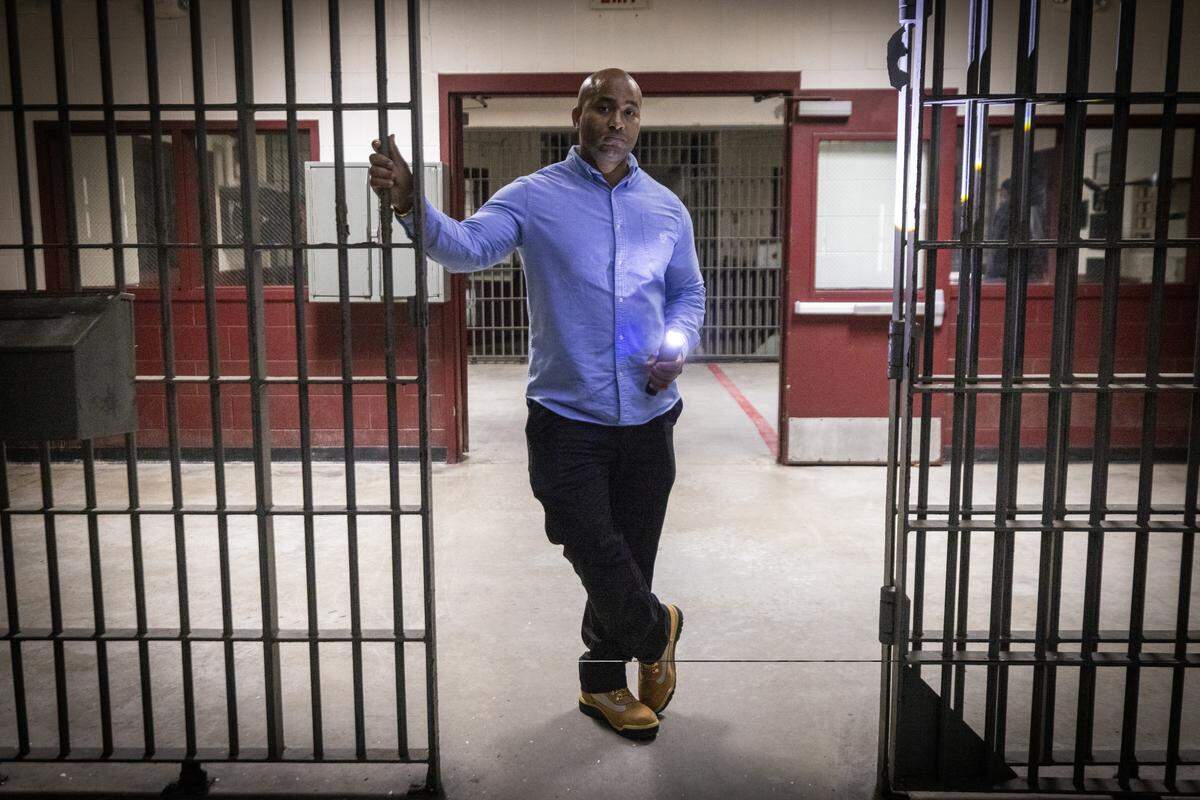
“Incarcerated people, we always dream,” he explained. “And one of the things that is a recurring thing that people say when they are in prison is ‘what if we can have a prisoner transform this into something that wasn’t a prison?’”
Retired correctional officer Mario Davis worked at the Orange Correctional Center when Pittman was there. Davis always saw him sitting by himself reading and taking notes. One day, he asked him what he was working on. Pittman told him he wanted to be an activist and give back.
“I didn’t say anything,” Davis said. “I said, ‘OK, sounds noble,’ because sometimes people talk and you don’t see the seriousness. But I saw the seriousness in him over time.”
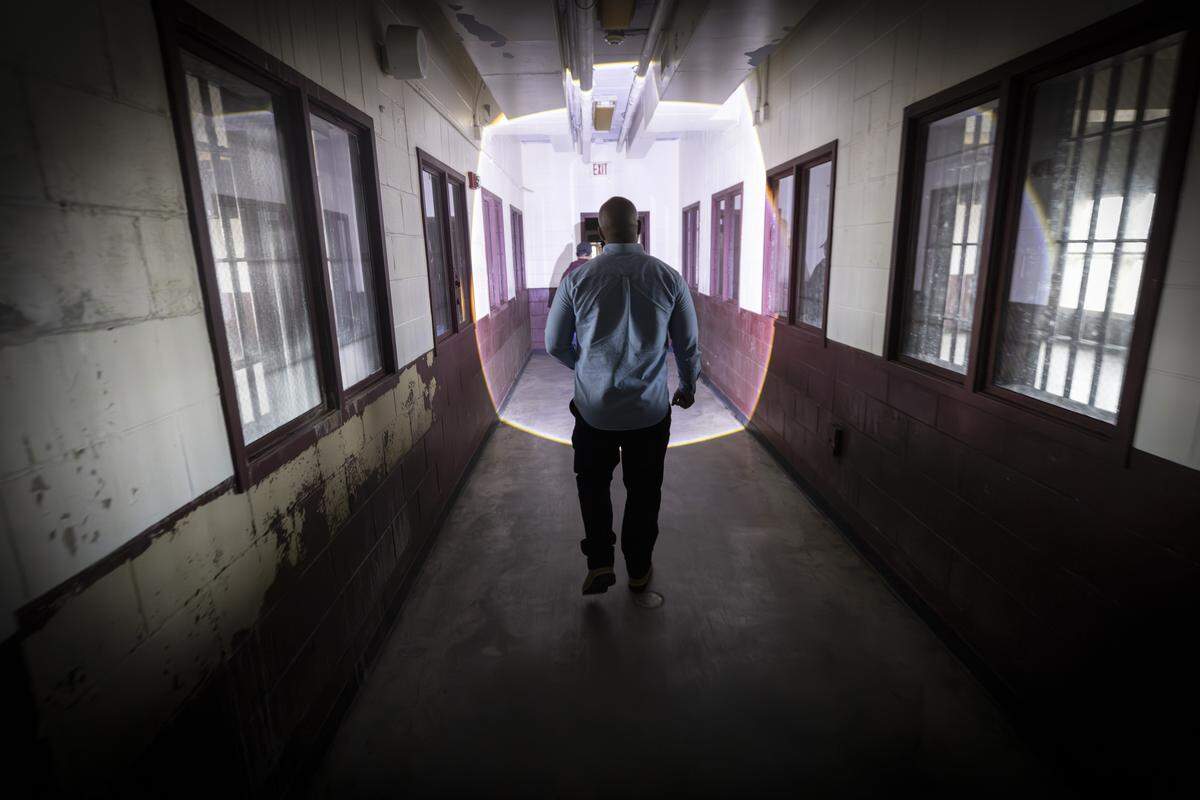
Pittman worked for Davis in the kitchen — first in the dining room, then the stockroom. Davis could see how hard he worked and wondered why. Pittman told him he had to “get it now because when I get out, I got to work.”
The “it,” the right attitude, could only prepare Pittman so much for challenges of coming back into civilian life.
He was incarcerated for conspiracy to commit murder in 2007 when he was 19. He spent his twenties in prison and came out in 2018, then in his early thirties.
The last time Pittman was free, flip phones were in vogue, so he had to get used to texting on a smartphone. He had to learn how to drive again. One time, while shopping, he needed his brother, Kenneth, to show him how to tap a card to pay.
Pittman, now 38, counts himself lucky that he had housing. A 2024 reentry housing assessment by the N.C. Joint Reentry Council found that 28% of the nearly 20,000 people who left North Carolina’s prisons that year were homeless.
“[The campus is] going to give them opportunity, but most importantly, it’s going to give them housing, right?” Pittman said. “We know when individuals have shelter and they have great programming, they are more likely to thrive.”
How will the program work?
To that end, the Recidivism Reduction Campus will house 200 to 250 people over six-month periods — up to 500 people a year, Pittman said. Where the old prison had over 50 bunk beds in barracks-style open halls the campus will replace those halls with rooms for each person.
Incarcerated people who are close to their release date and don’t have stable housing will be referred to the campus by jails and prisons across the state, Pittman said. The aim is to create a one-stop shop for anything participants need.
“I’ve done mental health [work], and even when you look at group homes, you still have to leave for other services,” Davis said. “The group home is just a place for you to live and to provide structure. But here, you can get the structure and everything on campus. And to me, that’s probably one of the best ideas that I’ve seen when we’re talking about re-entry.”
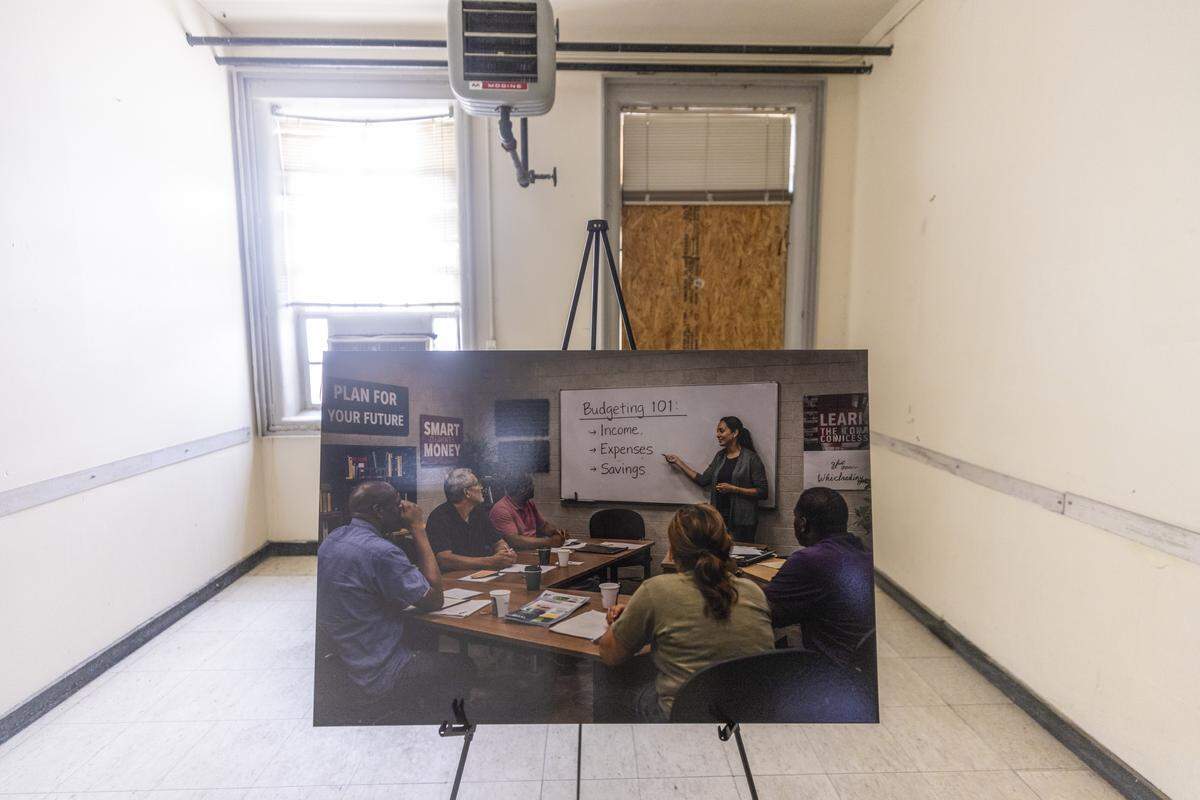
Campus residents will be able to take one of two tracks: vocational or workforce, the latter of which will train them for jobs at second-chance employers in their area, Pittman said.
Drawing from the experience of living on $9 per hour from his first job out of prison, Pittman said vocational training will funnel residents to jobs that pay a livable wage like brick masonry, electrical wiring and HVAC.
In thinking about programming, Pittman again drew on his own experience and his memories of being able to turn the lights on and off, look in the refrigerator for food, and enjoy a summer night again.
“When you are incarcerated, you can’t go outside at night,” he explained. “And so being able to just stand out and listen to the crickets and remember how it feels to be out on a summer night when it feels good and the crickets are chirping and everything is going on.”
To help residents break free from a prison routine — also known as Post-Incarceration Syndrome — the campus plans to hire behavioral health specialists and give residents peer support.
But first the prison needs refurbishing. Pittman doesn’t have an exact estimate yet but said his engineer doesn’t believe it will cost a lot given the structural integrity of the buildings.
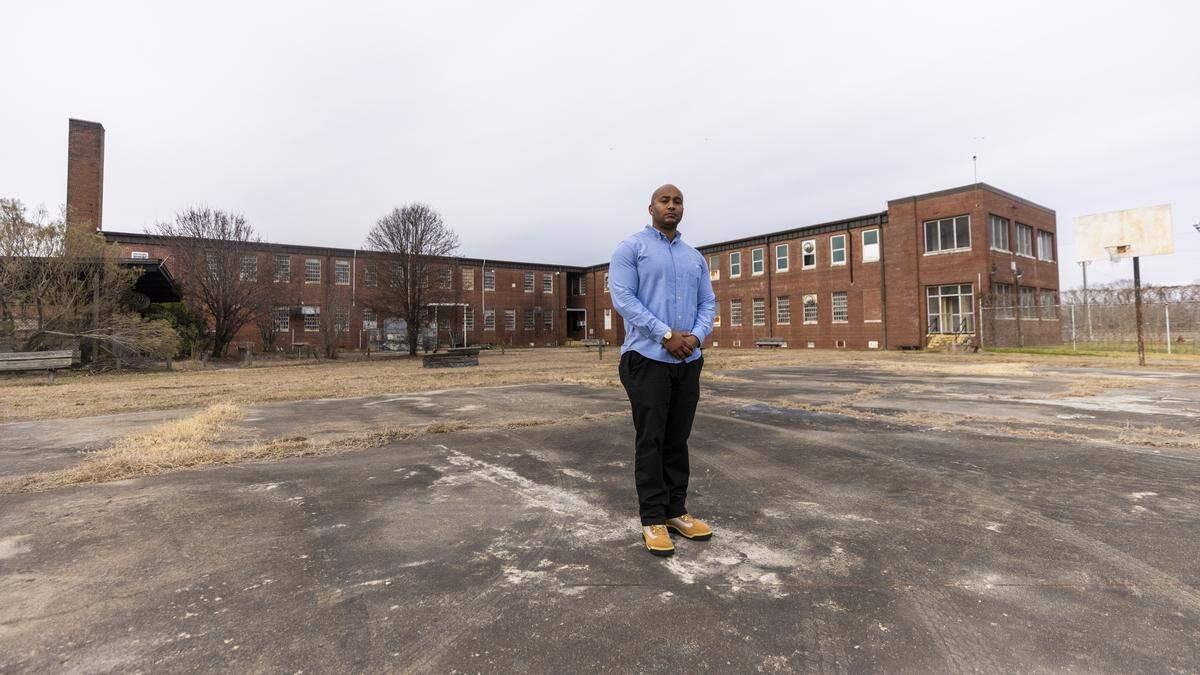
The prison lies in a floodplain, which is why the price was so low, Acree said. Pittman said his engineers will build with that in mind but noted that the building itself has never flooded.
Then there’s the cost of getting the programs up and running.
Pittman hopes to raise $10 million. He bought the prison with donations and a $100,000 Unlocked Futures grant from New Profit and artist John Legend’s FREEAMERICA and said he’s in talks with potential donors. All to say that much work remains. But for Pittman, the Recidivism Reduction Campus has already come a long way from the dream he once talked about with fellow inmates.
“[This] was kind of a full circle moment,” he said, “because this was something that I had talked about while incarcerated, not knowing that one day this would actually be my reality.”
The News & Observer’s Inside Look takes readers behind the scenes to illuminate the people and places in our community.
This story was originally published February 6, 2026 at 11:57 AM.
.jpg)