Wake settles after fatal school stabbing. Family says killing was preventable
AI-generated summary reviewed by our newsroom.
- Wake County agreed to an $800,000 settlement with Delvin Ferrell’s family.
- Attorney said administrators knew tensions but failed to intervene before fight.
- Stabbing prompted lockdown, calls for security changes and policy reforms.
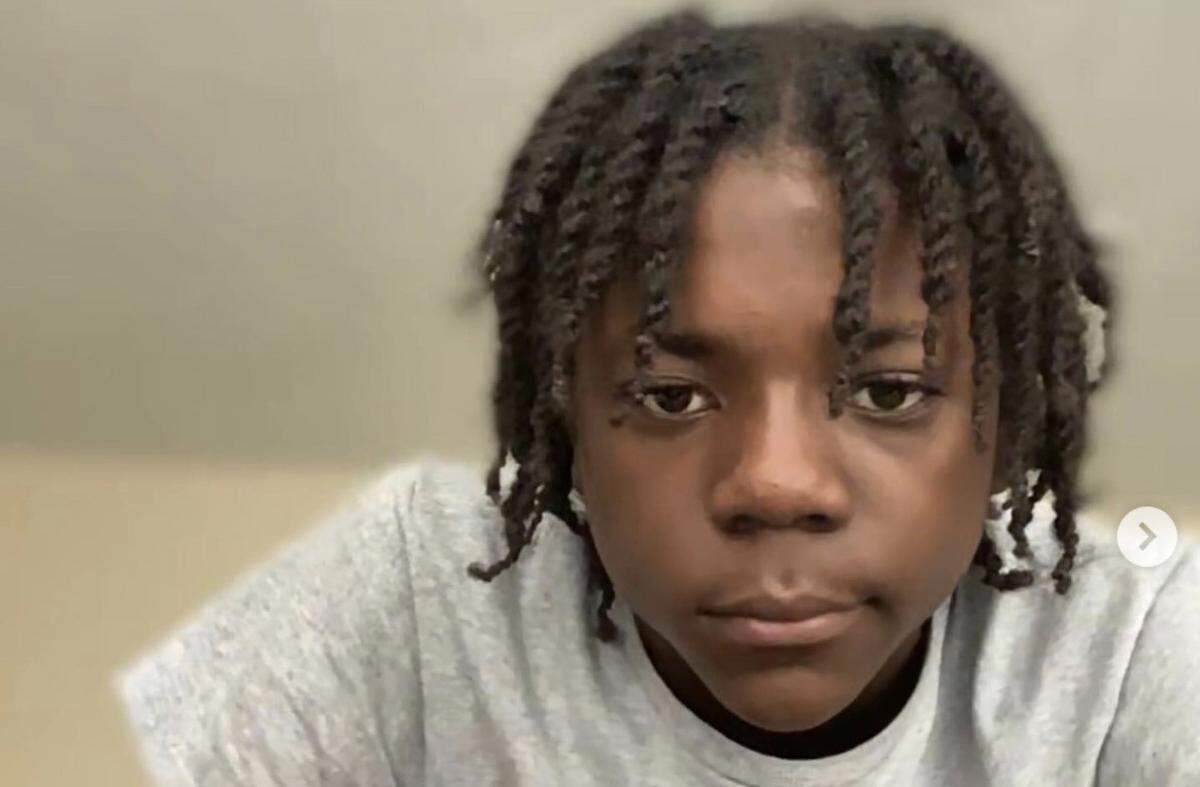
The Wake County school system has agreed to pay $800,000 to the family of a 15-year-old student stabbed to death in a Raleigh high school gym in the middle of the day.
The district agreed to make the payment to the family of Delvin Ferrell, who died after a fight broke out at Southeast Raleigh High School in November 2023, schools spokesperson Lisa Luten told The News & Observer. The payment was agreed to in exchange for a release from potential litigation related to the killing, she said.
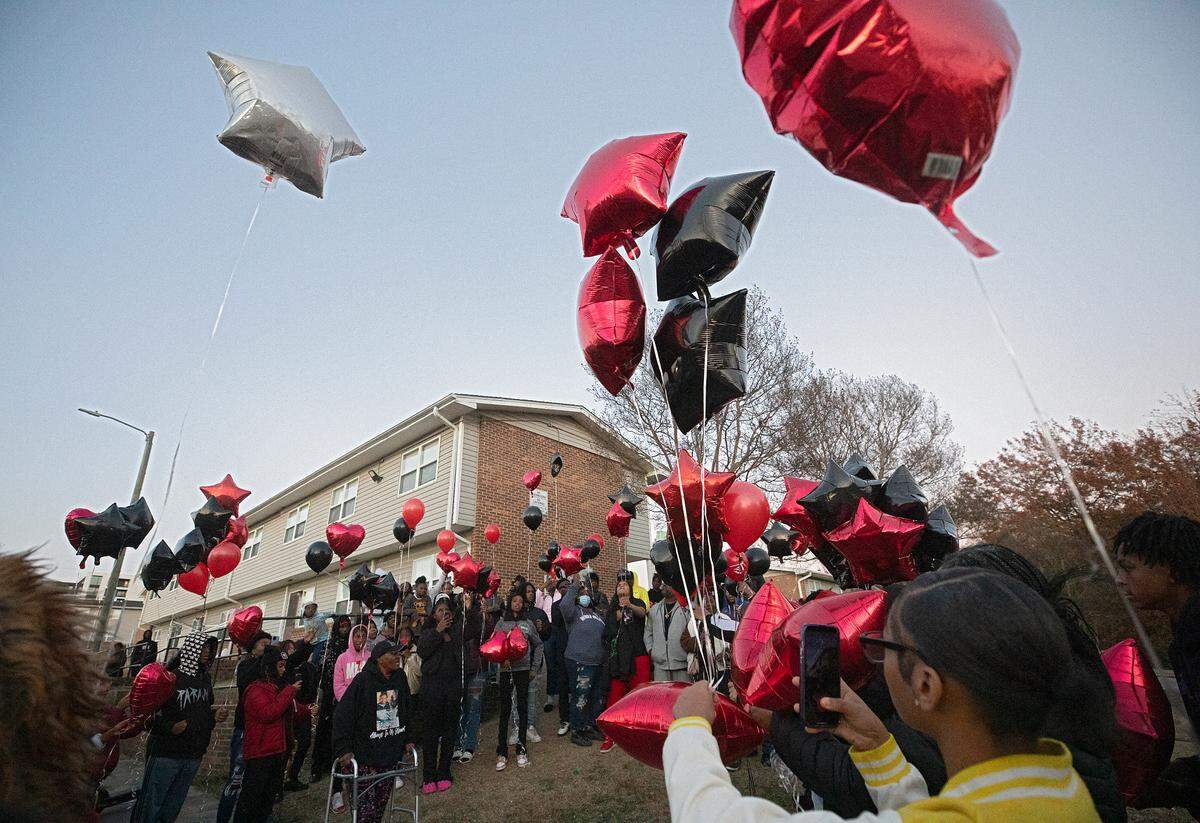
Around 11 a.m. on Nov. 27, 2023, a fight among students spilled from a hallway to Southeast’s gym, videos posted by students on social media that day show. The videos also show one student repeatedly stabbing a knife into those around him.
EMS took two students to the hospital. A 16-year-old whom authorities have not named survived.
Tyquan General, 14 at the time of the killing, is charged with Ferrell’s murder and assaulting the other teen with a deadly weapon with the intent to kill and inflict serious injury.
Like Ferrell, General was a student at Southeast Raleigh. His trial is expected to start in August.
“Delvin’s family is pleased that the Wake County school board did the right thing in resolving their wrongful death claims before undergoing the costly, public and painful process of litigation,” Cate Edwards, the attorney for Ferrell’s family, said in a statement Thursday to The N&O.
Edwards said her office’s investigation revealed that school administrators were aware of escalating tensions and knew a confrontation was planned, the statement said. But no action was taken to intervene or protect Ferrell.
School board chair Tyler Swanson said he hopes the family is able to find some closure.
“It’s just an unfortunate situation for the family,” Swanson said in an interview. “I hate the family had to go through this.”
The Wake school board approved the settlement this week. The N&O reached out to attorneys representing General about the settlement but has not received a statement.
Mother said tension building for days
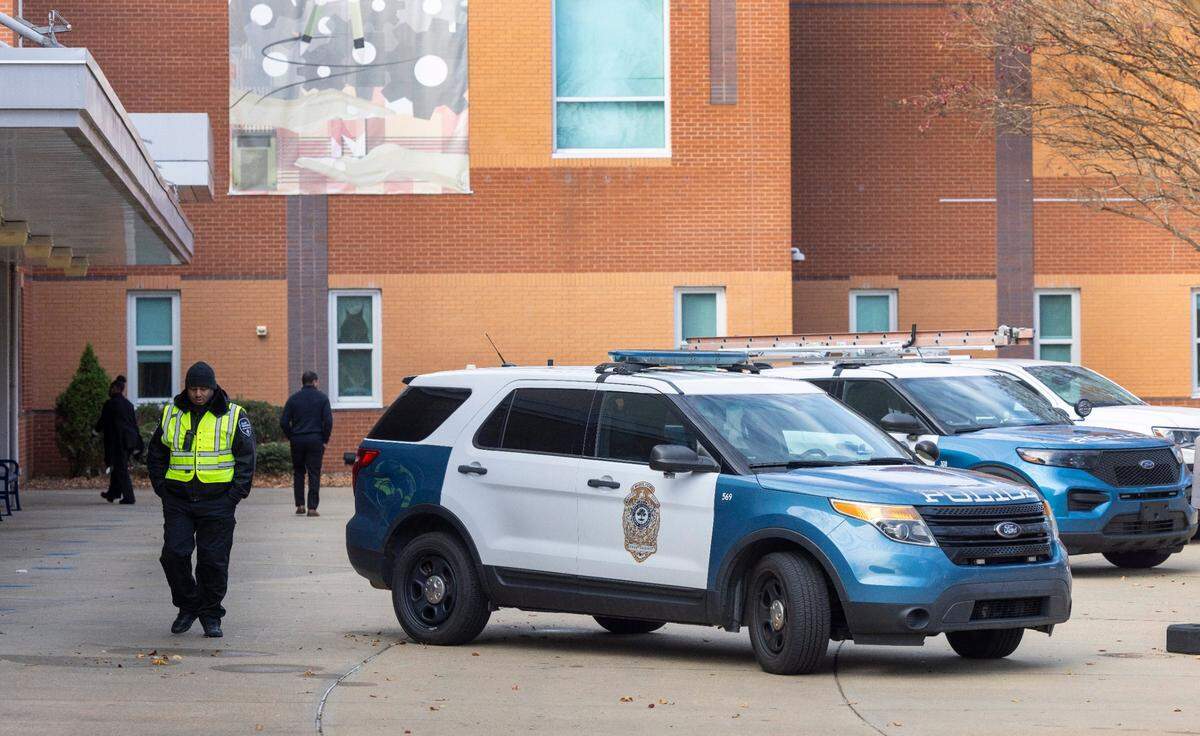
After the students’ videos of the fight spread on social media, the high school with 1,500 students went into a “code red lockdown.” Classes were canceled for several days.
“My heart goes out to the family and the students who have had to witness that,” Swanson said.
Some students, including Ferrell’s older brother, said at a community forum shortly after the stabbing that they didn’t feel safe at the school, The N&O previously reported.
Shortly after the stabbing, Southeast Raleigh Principal George Harden sent a letter to families saying that “all students involved in Monday’s event have been disciplined,” The N&O previously reported.
Tension between students had been building for weeks, Cherelle McLaughlin, General’s mother, told The N&O the day after the fatal fight. General, she said, was defending himself.
McLaughlin said the dispute began with her older daughter, who had been involved in a previous altercation with another girl at the high school. That fight, she said, set off a chain reaction.
About a week before the fatal confrontation, McLaughlin said more than a dozen young people — many of them later seen in videos during the fatal fight at the school — assaulted her and her mother at their home in Southeast Raleigh.
McLaughlin said she warned a caseworker prior to the fatal fight that her son could be attacked at school for defending his sister.
The tragedy could have been prevented, Edwards, the attorney for Ferrell’s family said.
“When administrators become aware of specific threats or conflicts between students, they cannot simply hope for the best,” Edwards said. “They must act decisively — through increased supervision, search measures, conflict intervention, parent notification, and similar protective actions.”
No metal detectors
Unlike some neighboring school systems, Wake County doesn’t use metal or weapons detectors at school entrances. The district generally only uses the devices at some athletic events.
School leaders have cited how the School Safety Advisory Council didn’t recommend installing the devices as part of its security audit of district schools. But Ferrell’s killing at Southeast Raleigh High led to calls for increased security measures.
Southeast Raleigh High opened off Rock Quarry Road in Raleigh in 1997. It’s a magnet school, meaning it offers specialized programs to attract students.
The high school has struggled for years to recruit students.
In the 2023-24 school year, Southeast Raleigh High reported 45 total crimes, or 31.25 acts per 1,000 students. The majority of those crimes were possession of alcohol or a controlled substance. Southeast Raleigh High had the sixth-highest crime rate per 1,000 students for a non-alternative school in the district.
Preventing future tragedies
After the stabbing, school and district leaders mounted a public relations campaign to promote the message that the incident shouldn’t be used to tear down its reputation.
Swanson, the board chair, said the school district needs the community’s help to address issues such as conflict resolution and mental health to help make schools safer.
“ I think there’s a lot of work to be done,” Swanson said. “But I also feel that there are ways for us to learn and to figure out how do we come together as a community to make sure that innocent young lives are not taken.”
Edwards said the school system must do better.
“The family’s primary hope is that this does not happen to any other family, and that his tragic death leads to meaningful policy and training changes that make all students in Wake County schools safer,” Edwards said. “Delvin’s family believes that with proper training and clear protocols, this tragedy could have been prevented. No other family should have to endure what they have experienced.
Staff reporter David Raynor contributed to this report.
Virginia Bridges covers criminal justice in the Triangle and across North Carolina for The News & Observer. Her work is produced with financial support from the nonprofit The Just Trust. The N&O maintains full editorial control of its journalism.
This story was originally published January 22, 2026 at 11:37 AM.