
Think this is cold? In 1940, a boulder-sized iceberg floated past the NC coast
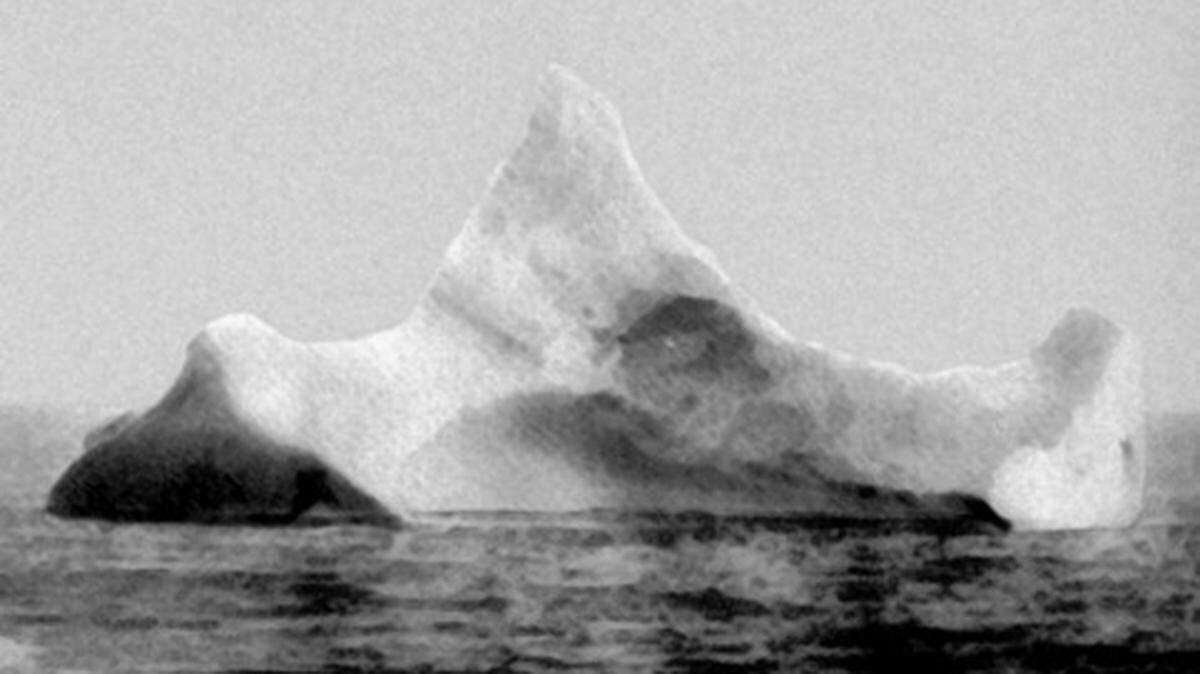
In 1940, not far from Atlantic Beach, an iceberg drifted down the North Carolina shore like an intruder from a frozen planet — startling the fishermen with its island-sized frostiness.
It astonished workers out building oyster beds for the Depression-era WPA, their toil suddenly interrupted by the berg jutting 6 feet from the surf.
Thus they ran to fetch Rufus Sewell, an old salt in Beaufort with Arctic experience, who assured them that if they could see 6 feet, another 40 feet lurked beneath the water, making the wildly out-of-place ice rock the size of a boulder.
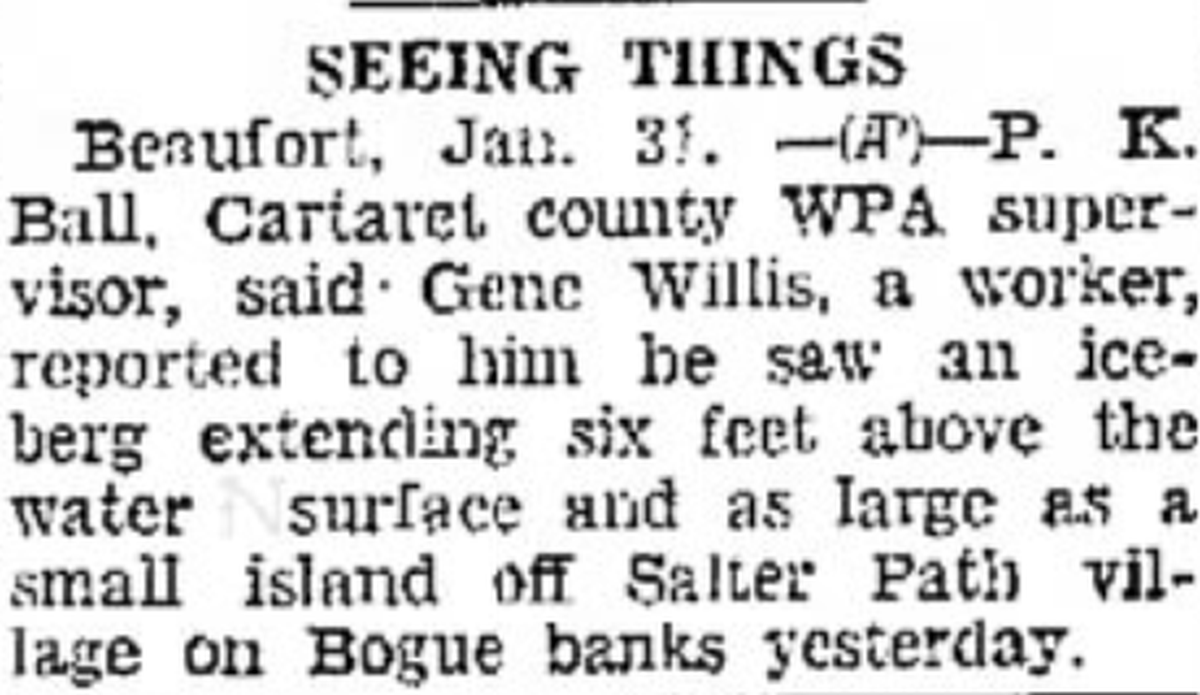
This meteorological rarity soon made the newspapers across the state, granting brief fame to Gene Willis, the chap who first spotted it.
A glacial slab drifting past a Southern beach town seemed so unlikely — even in an era that predated the global warming conversation — that some newspapers barely concealed their skepticism. “Seeing Things,” wrote the Times-News of Burlington in a headline over Willis’ discovery.
Feeling Arctic
But as the Triangle wakes Monday morning with the world coated in ice, cowering under weighted-down tree branches, hoping that blessed electric power holds up, it bears remembering that nature sometimes digs deep into to its arsenal of tricks and breaks out something rare and fearsome, just for fun.
Recognizing this, the general frigidness of North Carolina’s coast in 1940 still gets described in grandiose terms. Bogue Sound froze thickly enough that seagulls were landing on it, the cultural resources department reported on the iceberg’s 80th anniversary, and the Harkers Island ferry had to chip through the ice to make its run.
More chilling still, a Beaufort man pulled frozen fish from the water, left them sitting while he retrieved a knife and came back to find them flapping — thawed and still alive. Not far away, the superintendent at Lake Mattamuskeet stooped to hand-feeding all the ice-bound birds.
And despite all this, the cold set no records.
Bergs in our future?
Weary of weather history yet? Well, buckle up.
Scientists now believe that massive glaciers, 1,000 feet thick, once drifted past the Outer Banks clear to Florida.
Seafloor mapping shows the plow marks dating back 30,000 years, as reported in a 2001 study for the journal Nature, and the tracks of 700 ancient bergs can still be detected.
Perhaps, when ages pass and the Earth spins on without us, what remains of the NC coast will once again draw frozen islands to its waters, and some lucky observer with the future’s equivalent of eyeballs will raise its head to note some new iceberg’s passing, giving it a friendly wave.
This story was originally published January 26, 2026 at 5:00 AM.