
Inspired vets guide tiny horse through an ordeal with botulism
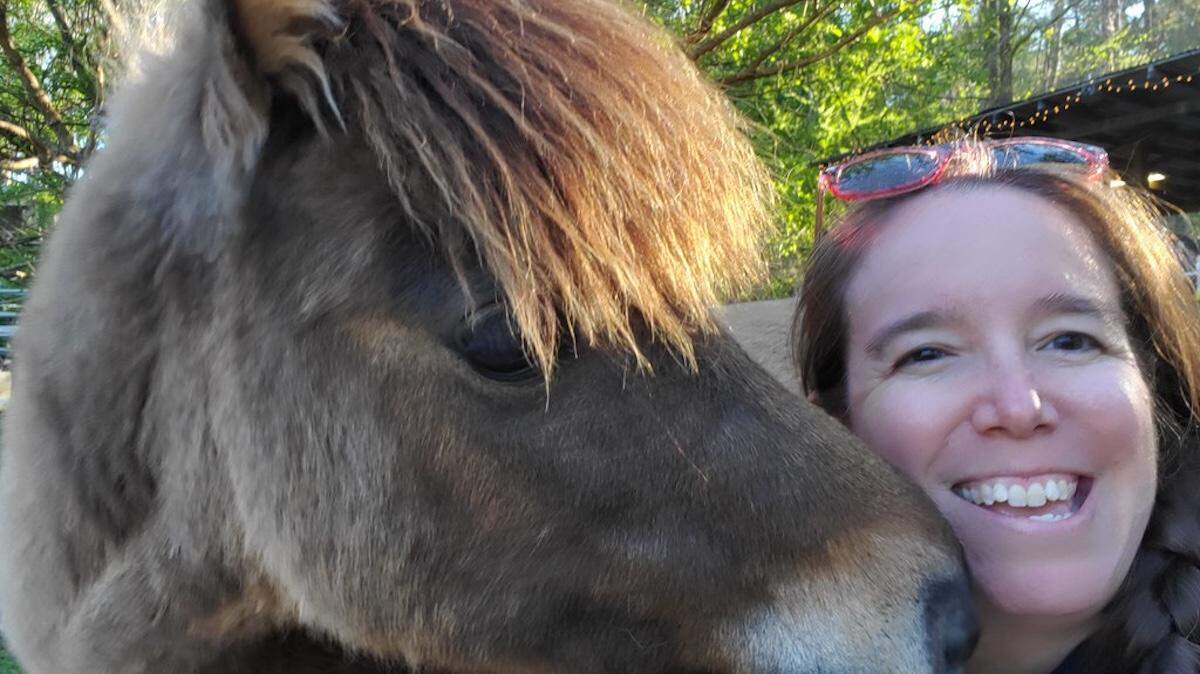
Emily Haas likes to joke that “God, the universe or whatever” spoke from the cosmos and delivered a curious command:
Adopt a miniature horse.
So despite her lifelong fear of equine creatures, Haas followed the divine decree to a rescue farm in Warrenton, where she discovered herself in horse form — a waist-high soul mate who dines on hay.
“Sometimes my sister and I refer to it as my Nineveh moment,” said Haas, a Raleigh attorney, invoking the Biblical prophet Jonah, “except I didn’t have to get eaten by a whale.”
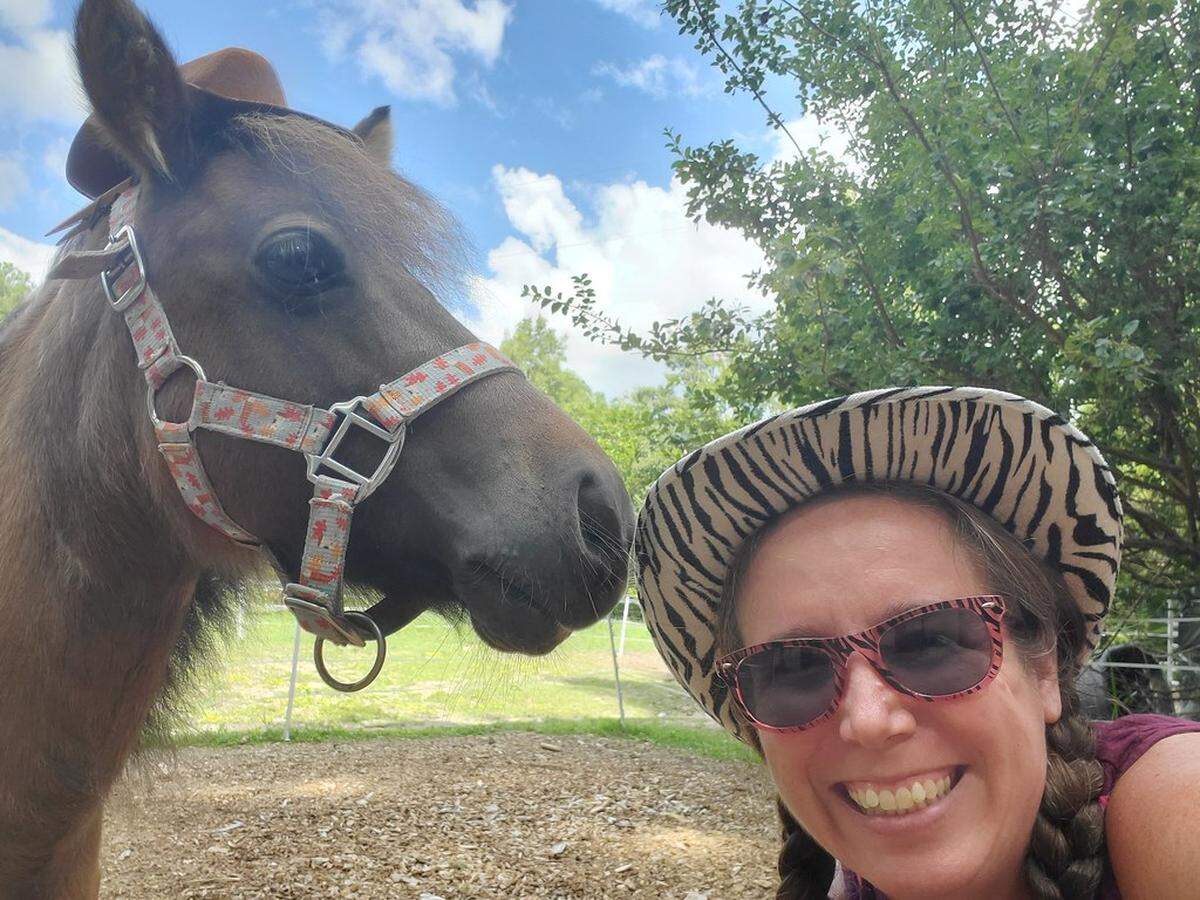
They lived together in a self-made Eden outside Raleigh, joined by a mule named Joanna, a hinny named Darcy and a companion tiny horse named Erik — all fears vanquished.
Until Mocha stopped eating.
In late December, Haas noticed food falling from Mocha’s mouth, and while the others tucked into their hay, she lay on the ground, uncommonly listless.
An Apex vet arrived and quickly ruled out “choke,” a blocked esophagus, and delivered a grim diagnosis:
“It’s really rare,” she said, “but I think this is botulism.”
50-50
This required a trip to the NC State Veterinary Hospital, where the doctors not only treat miniature horses on the regular but also keep the antitoxin that is a botulism patient’s best hope.
Botulism, said Dr. Erin Pearson, remains rare in North Carolina.
Typically, the risk comes from wet, moldy hay, especially in round bales. So a state like Pennsylvania, where Amish farmers use round bales, might see a higher caseload.
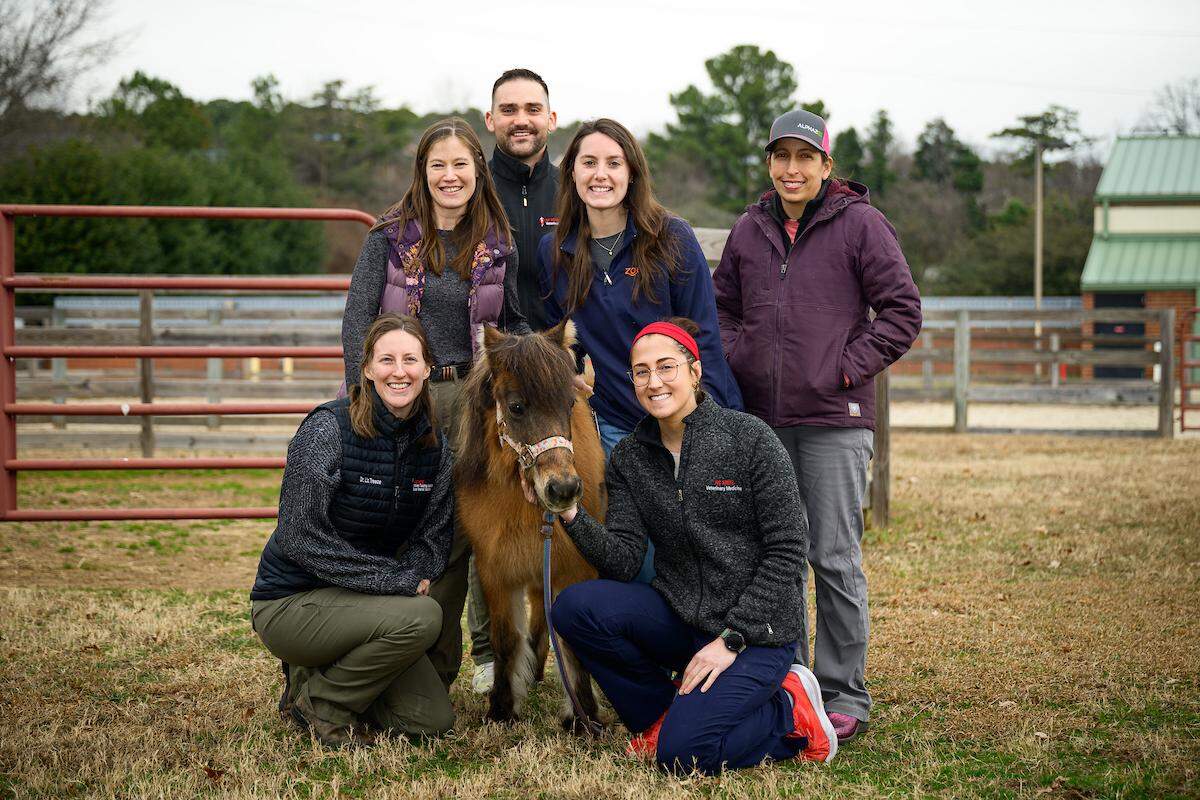
So while Pearson and Dr. Elizabeth Treece often treat mini horses as patients, they had fewer than a dozen botulism cases between them — and none successful.
“They told me Mocha had a 50% chance of surviving,” said Haas, “and even if she made it she’d never fully recover. They were getting me ready.”
‘Everybody loved Mocha’
Luckily for Mocha, the vets caught her botulism early.
She could still walk and move reluctantly, Pearson said, though she didn’t much want to. She could scarcely move her tongue.
The doctors put Mocha on the antitoxin right away, keeping the botulism from binding with the nervous system. But it takes time to regenerate already-damaged nerves.
For good measure, the NC State team added treatment for equine protozoal encephalitis, a common neurological disorder. They checked for pneumonia. They spotted an eye ulcer forming.
“Everybody loved Mocha here,” Pearson said.
Meanwhile, Mocha rested with a feeding tube, ingesting slurries while Haas visited each day, reading and singing to her horse.
“Sometimes I would make things up,” she said, “Sometimes, I took the song ‘Oh Birdie We Love You’ from “Bye Bye Birdie” and rewrote it to ‘Oh Mocha, I love you.’”
“When I first got Mocha,” she continued, “the storms would scare her with the metal barn roof where we boarded. I would brush her and sing ‘Swing Low, Sweet Chariot’ to her. Even though that was not appropriate for the situation, I sang that a fair bit.”
Miracles
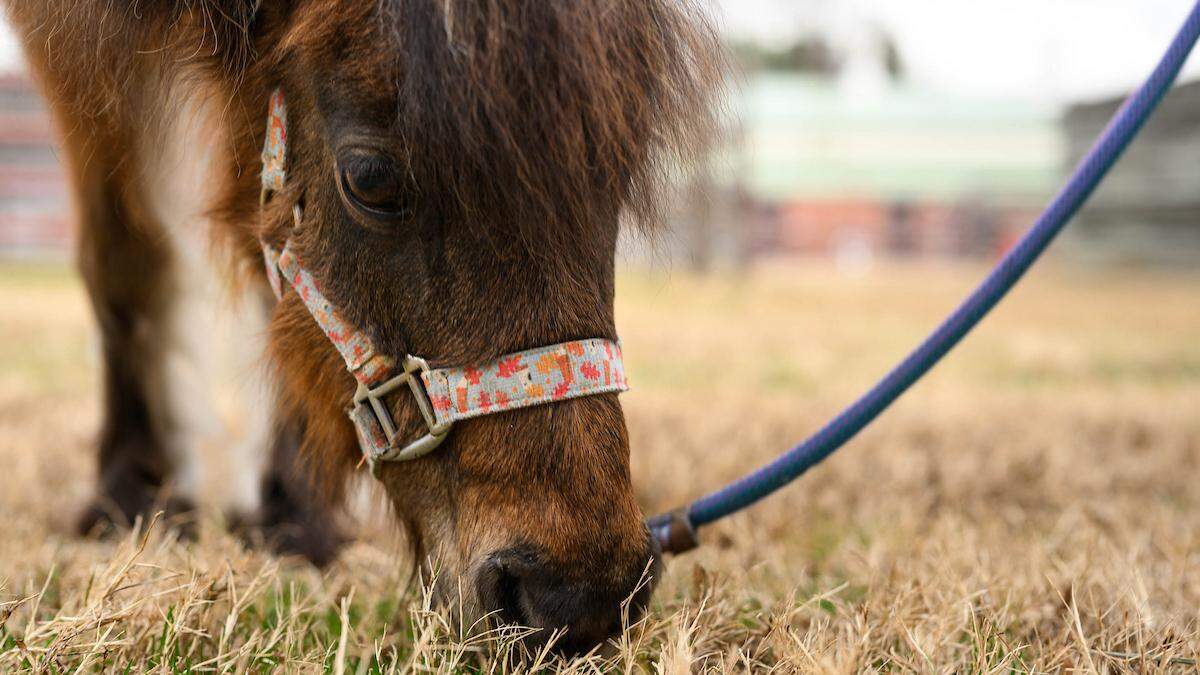
It took two weeks before Mocha could swallow on her own, and 16 days before she could leave the hospital.
But Mocha made it.
She lost weight on a special diet. She couldn’t run or jump with the others. But she walked through the valley and came out free of shadows.
“NC State was super on it,” Haas said. “We talk about miracles like there’s some mystical thing. Miracles can also be having the right people who understand science.”
Where Mocha picked up her botulism will never be certain, but it seems clearest that it came through the dirt, which the horse habitually eats.
But Haas plans to cover part of her favorite dirt-eating territory with an arena for her menagerie. And Mocha is now vaccinated — insurance for when miracles fall short.
This story was originally published February 16, 2026 at 5:00 AM.