Why am I seeing flocks of birds in my NC yard? We asked an expert
AI-generated summary reviewed by our newsroom.
- In the winter, flocks of birds may appear in the Triangle as they search for food.
- Daylight triggers spring migration, bringing the potential to see new species.
- Plant native flowers, shrubs and trees to attract birds to your yard.
Flocks of birds have descended upon yards in North Carolina — but does that mean springlike weather is near?
It’s possible for people in the Triangle to see American robins, sparrows, warblers and other birds in mid-February. And keen birdwatchers may spot other species as spring approaches.
Here’s what experts say about the birds you may already be seeing and what changes to expect in the weeks to come.
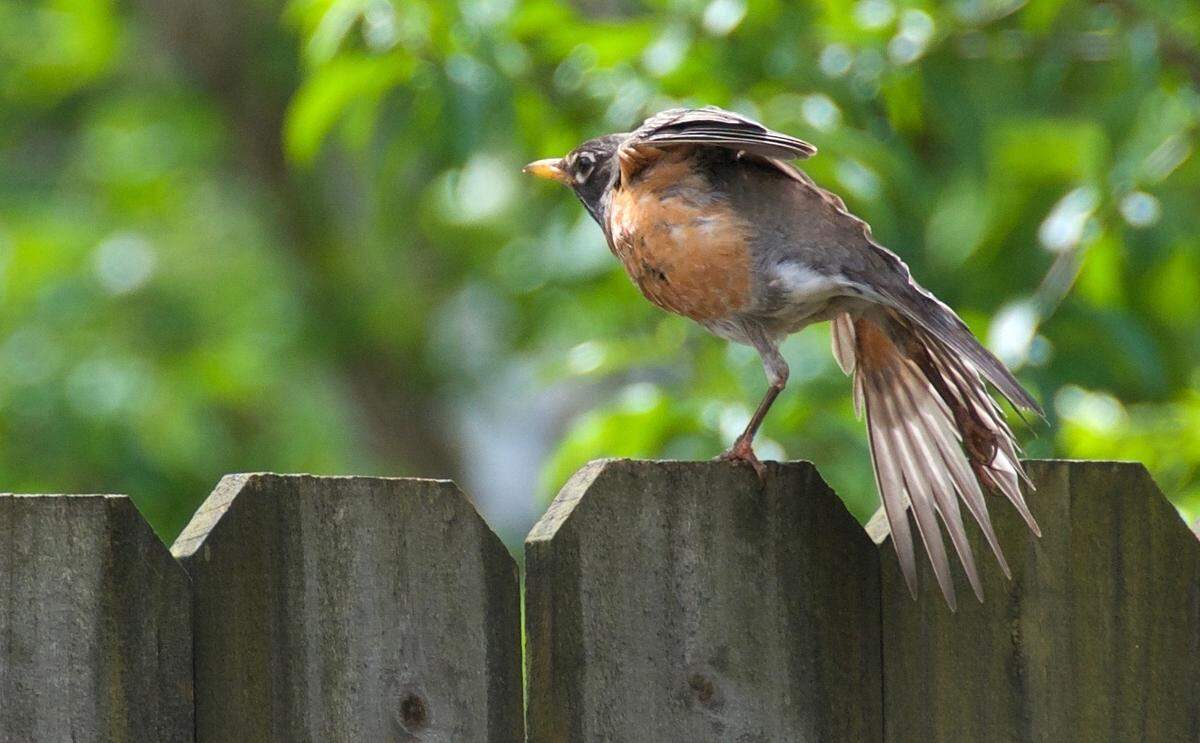
Why am I seeing flocks of birds?
Some birds live in the Raleigh area all year long, including in the winter. So, it’s possible that those species suddenly venture into people’s yards as they search for food, according to the N.C. Wildlife Resources Commission.
“If a big foraging flock arrives in your yard and stays there for maybe a day or a few days, it’s probably because they found a really good food source, and they’re taking advantage of it — almost like stumbling upon a really cheap buffet,” Falyn Owens, wildlife extension biologist with the commission, told The News & Observer in a Tuesday, Feb. 17 phone interview. “And then once they eat that food, they’re going to keep wandering and go off and find the next food source.”
Though birds forage in the winter, their patterns change at other times of year. In late spring, summer and early fall, they tend to stay in place to build nests and raise their young.
Are birds a sign of spring?
With birds appearing in North Carolina, some may wonder whether the sightings are a sign of spring. The answer is complicated.
“There is no truth to the statement that such flocks of birds foretell the weather,” Pat Leonard, media relations manager for the Cornell Lab of Ornithology, previously told The N&O.
But it’s important to note there are some seasonal ties. In the spring, the increase in daylight triggers some types of birds to move, including those that pass through the Triangle.
“If you have a foraging flock of birds that are normally around in the winter, and they suddenly come into your yard, that’s not at all a sign that spring is on the horizon because they’ve been there the entire wintertime, and they just happen to sort of stop by at your house for that particular moment,” Owens said.
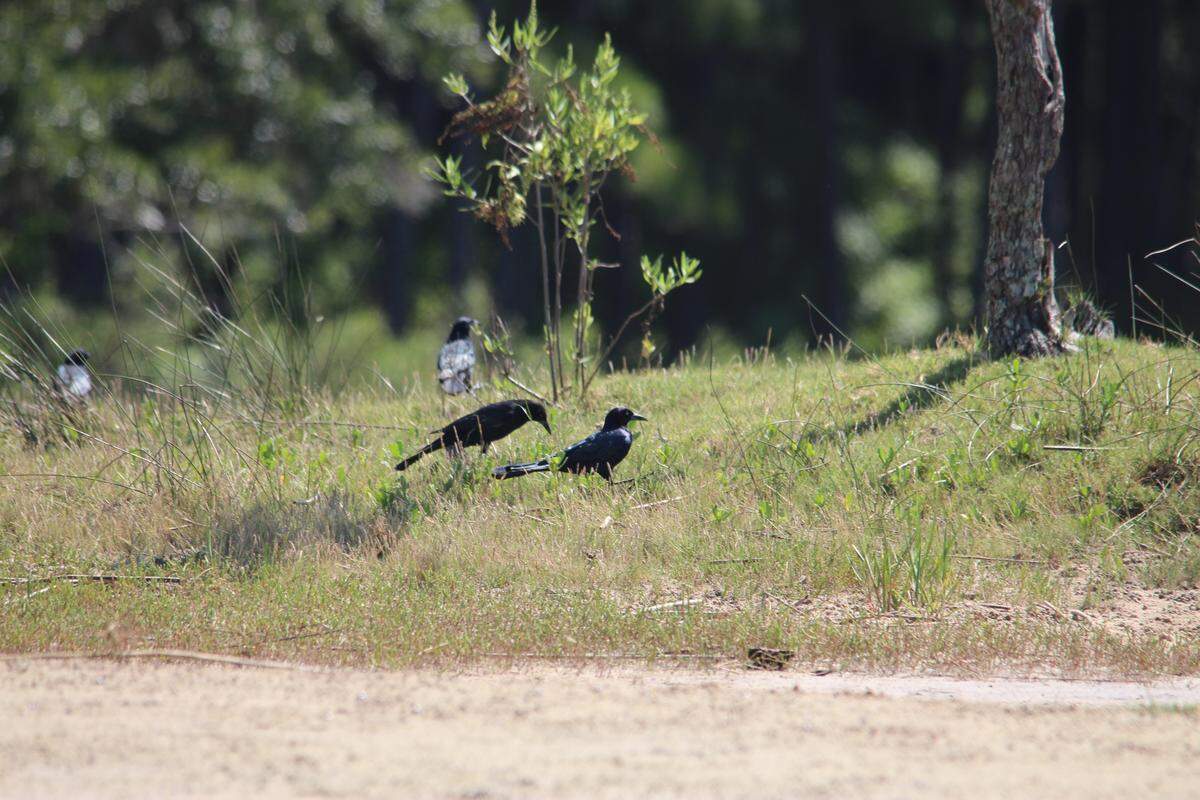
How can you attract birds?
If you want to attract more birds to your yard, there are some steps you can take.
“They really want to have these natural food sources,” Owens said. “So wildflowers that are native, and bushes that provide berries and trees, and then native plants specifically also support the insects that birds need during the summertime.”
Some of those native plants include wildflowers, such as New England asters and goldenrods. Other plants that could help attract birds include oak trees, cedar trees, dogwoods and holly bushes, Owens said.
If you see birds in your yard, the website eBird.org/explore has a search tool that can help you identify them. To track bird migrations, you can visit birdcast.info.
Portions of this story were previously published in The News & Observer.
This story was originally published February 17, 2026 at 4:11 PM.