Durham suddenly halts zoning code overhaul after property owner lawsuit threats
AI-generated summary reviewed by our newsroom.
- Durham paused its code hearing citing the 2024 law and lawsuit threats.
- State law requires written owner consent to cut density, uses, or create nonconformities.
- Legislators seek to restore downzoning power; short session set for April.
Durham leaders have canceled a Feb. 24 public hearing to update the city and county’s joint development codes, attributing their short-notice decision to a 2024 state law and potential property owner lawsuits.
The Durham Planning Commission was scheduled to meet Tuesday to consider rewriting its local unified development ordinance, which details building rules in the city and county. Durham officials started this process more than two years ago with the goal of aligning its development codes with the Comprehensive Plan they adopted in October 2023.
In late 2024, the North Carolina General Assembly complicated zoning efforts statewide by passing a strict downzoning law that requires municipalities to obtain written consent from all affected property owners before reducing the density or number of uses allowed on their land. It also made owner approval necessary when creating changes called nonconformities — such as limiting future gas stations in a zone where some gas stations already exist.
“That legislation has paralyzed local governments,” Durham city council member Nate Baker wrote in a statement Friday. “All eyes have been on Durham, and we’re now that proof.”
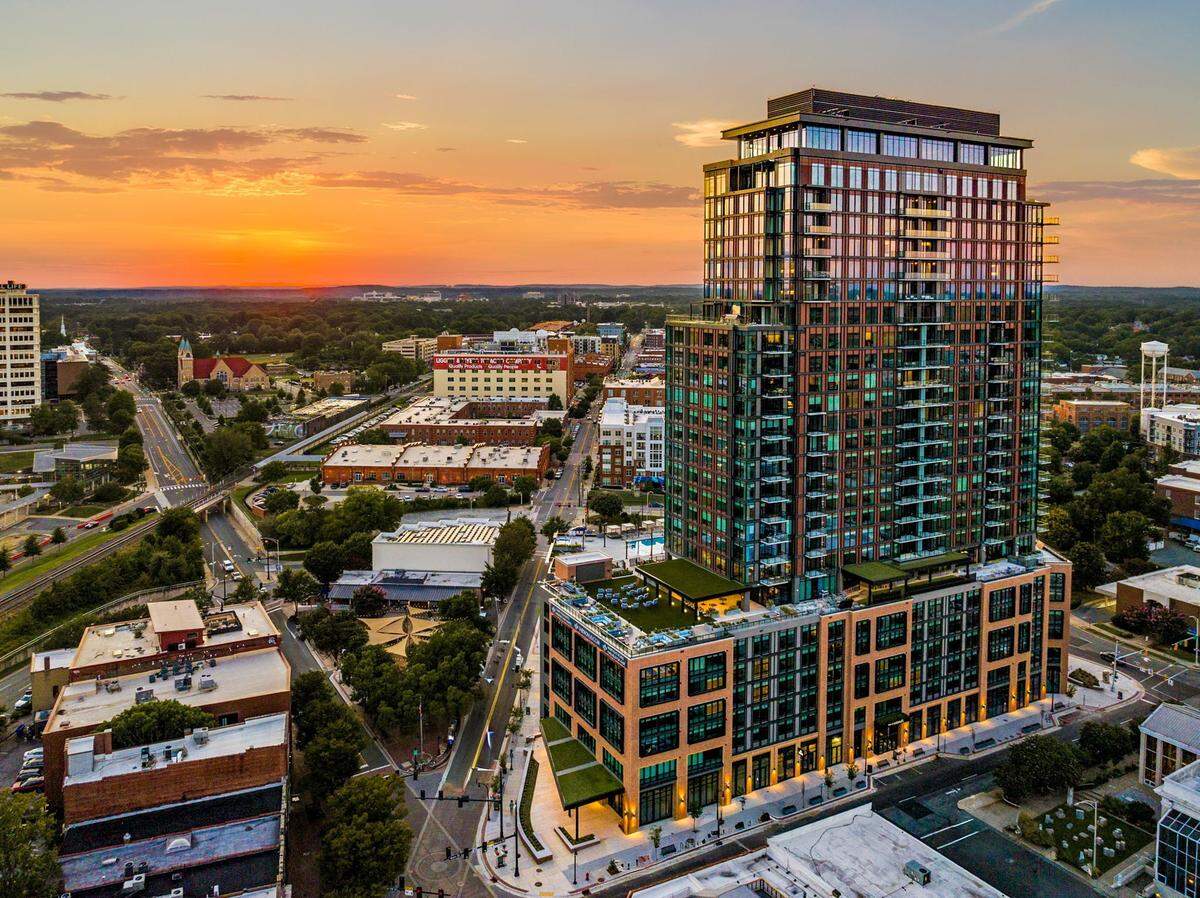
In a joint statement Friday provided to The News & Observer, Durham elected leaders said property owners had threatened litigation over the zoning revisions “within the past week,” which prompted the city and county to “review the situation carefully before moving forward.”
The public hearing is cancelled, but residents will still be able to attend an open house about the comprehensive plan, now called the Land Development Code, Tuesday, Feb. 24, at 5:30 p.m. at city hall. As far as a timeline for the entire process, that is an unknown, Baker said in a phone call.
Changes in the new ordinance
The rewrite of the LDC includes what uses or activities are allowed on a property and how it may be developed and redeveloped. Before work began on the new LDC, the city’s Planning Department coordinated for years with residents on a comprehensive plan, which contains the community’s goals for managing growth and development in the fast-growing city.
The new LDC includes many changes from the current ordinance but mainly includes new zoning districts and will require new developments to construct complete streets and connectivity requirements, Bo Dobrzenski, the assistant director of the Planning & Development Department, said.
.png "Screenshot (23).png")
The new LDC also includes affordable housing incentives for developers and strategies to allow more housing to be built in the appropriate zoning districts to the city isn’t “accelerating housing cost by suppressing supply,” Dobrzenski said.
“There are increased environmental regulations including sustainability requirements, and additional tree preservation regulations. The new UDO expands our use of affordable housing incentives and encourages the development of more diverse housing options throughout the community,” he said.
Downzoning debate goes beyond Durham
Local officials elsewhere have criticized the 2024 state zoning law, which was included at the very end of a wide-ranging bill. “Our vision for Wake Forest will be lost,” Wake Forest Commissioner Adam Wright posted on Facebook shortly before the General Assembly passed the law over then-Gov. Roy Cooper’s veto. “Developers — not the community — will control how we grow.”
In his own Facebook post in late 2024, Apex town council member Terry Mahaffey specifically labeled the bill’s nonconformity statues as untenable for routine future planning. “The issue is, MOST ordinances in some way shape or form prevent or restrict the uses of stuff,” he wrote. “That’s why they are laws. They are restrictive. That’s just what laws do. This says we can’t do (most) laws anymore.”
Like Durham, the Moore County town of Southern Pines has also paused amending its unified development ordinance due to the 2024 law. Property owners are aware of the new law too. During a public Chatham County hearing last week to discuss a moratorium on data centers, an attorney representing the owners of Triangle Innovation Point West told commissioners he would consider any action to decrease the land’s uses without consent to be illegal under the current rule.
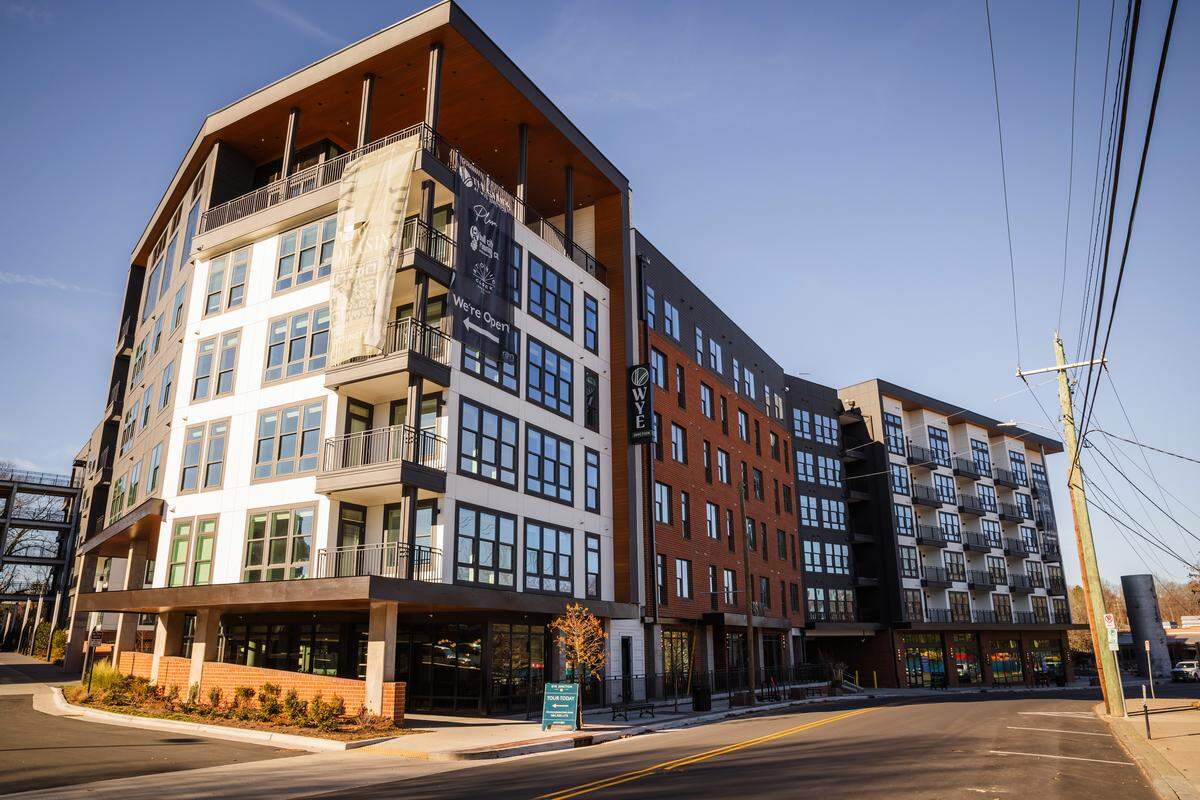
“The constitutional rights of private property owners are among the most fundamental protections afforded by our state and federal constitutions,” Jeffrey Turner, communications director for the North Carolina Home Builders Association, wrote in an email Friday. “We believe that is a principle on which private property owners and local governments alike can agree.”
There is momentum to relax the 2024 downzoning change. In May, North Carolina Senate Republicans sponsored a bill to give downzoning authority back to local governments without needing property owners’ consent. The Senate passed it unanimously, but it did not get out of committee in the House. The General Assembly is expected to convene for its short session in April.
“This legislation hasn’t been examined by a House committee yet,” Demi Dowdy, spokesperson for House Speaker Destin Hall, wrote in an email Thursday. “But the Speaker believes any reform to this provision must protect the rights of property owners.”
This story was originally published February 20, 2026 at 4:40 PM.