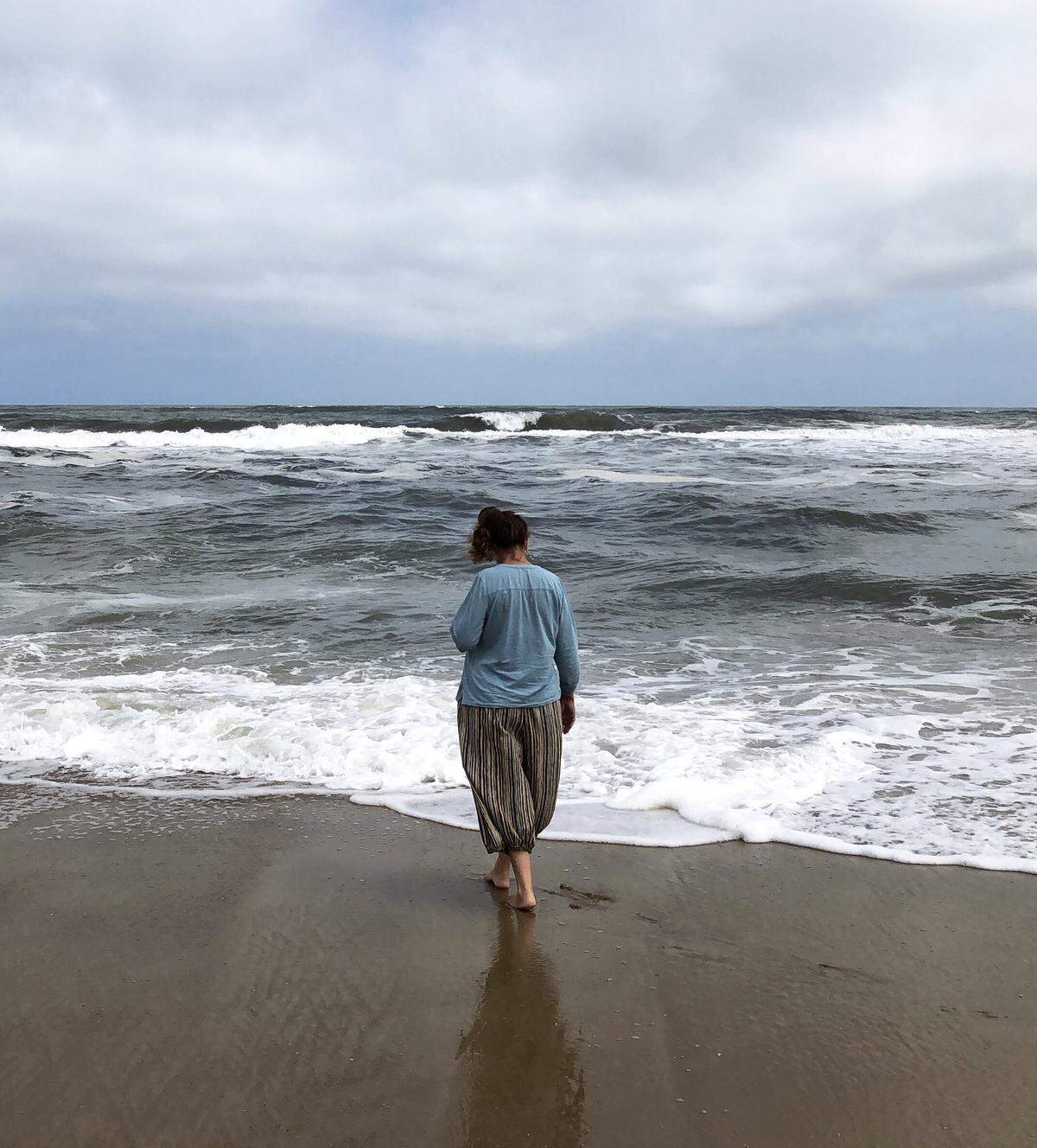
‘I was born to tell stories.’ Martha Quillin to depart N&O after nearly 40 years
For much of the last 40 years, Martha Quillin raced around North Carolina in a battle-scarred Subaru that pulled triple duty as her work desk, filing cabinet and bedroom — a life spent unfolding road maps while flying down mountain highways in a rolling tornado of notepads, pens and packs of Nabs.
She carried a tent with extra stakes in the trunk, and at least one sewing machine, along with whatever it took to see North Carolina up-close, sit it down in a Waffle House booth and coax out its deepest, tenderest stories — the kind that make teardrops fall on a newspaper page and blur the ink.
And now that she is retiring, sorting through the mess she collected over 100,000 miles, those stories come spilling out of her bag like coins from a treasure chest.
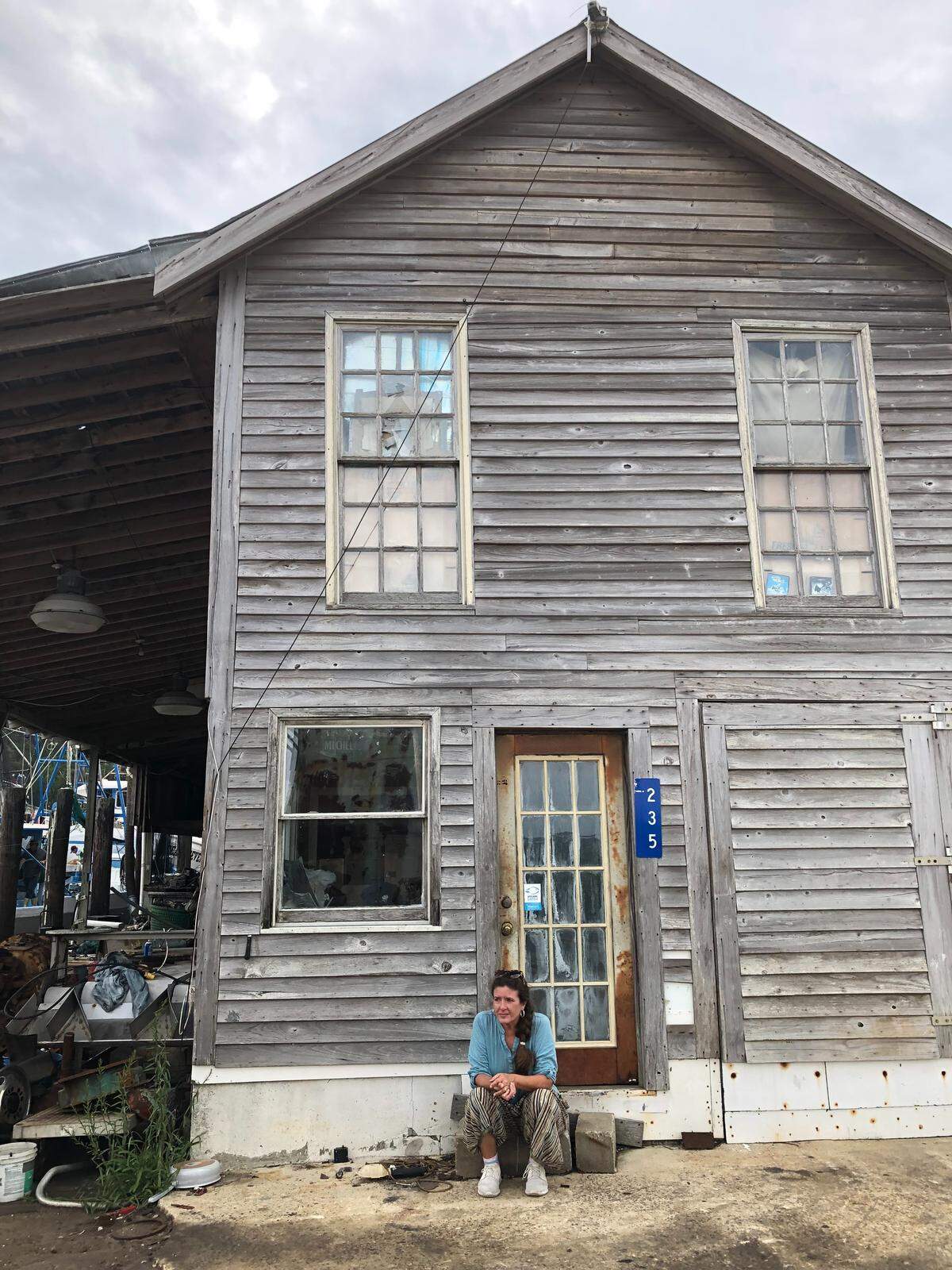
Over here is the woman who grew up in what is now Smoky Mountain National Park, who brushed away some dirt with her foot to show Martha the shards of glass that had once been her schoolhouse window.
Over here is the woman Martha interviewed after a U.S. Marine ejected from his crashing plane and came parachuting into her pig lot, who then told the shaken pilot, “Honey, I love you for just being alive.”
And here — in just a moment — is the story Martha tells best, one that is lodged especially deep in my heart because I’ve known so many moments like it: the currency of N&O lifers like us.

It is one Martha can pluck from 10,000 days spent collecting moments of casual poignancy: the choir of homeless men singing outside the Fayetteville Street library; the first-ever police officer in Cameron, hired just to catch speeding cars; the terminal cancer patient who swallowed 58 capsules of Nembutal from what he called a cigar box of salvation.
She can choose these stories from 10,000 strangers who invited her into their living rooms, opened their photo albums and spilled their secrets, disarmed by her honest face and listener’s ear.
“I was born to tell stories,” she told me Friday. “There’s something about me, something about you, that people just want to talk to us. I didn’t even have to work at it. You sit down with people and they just tell you everything.”
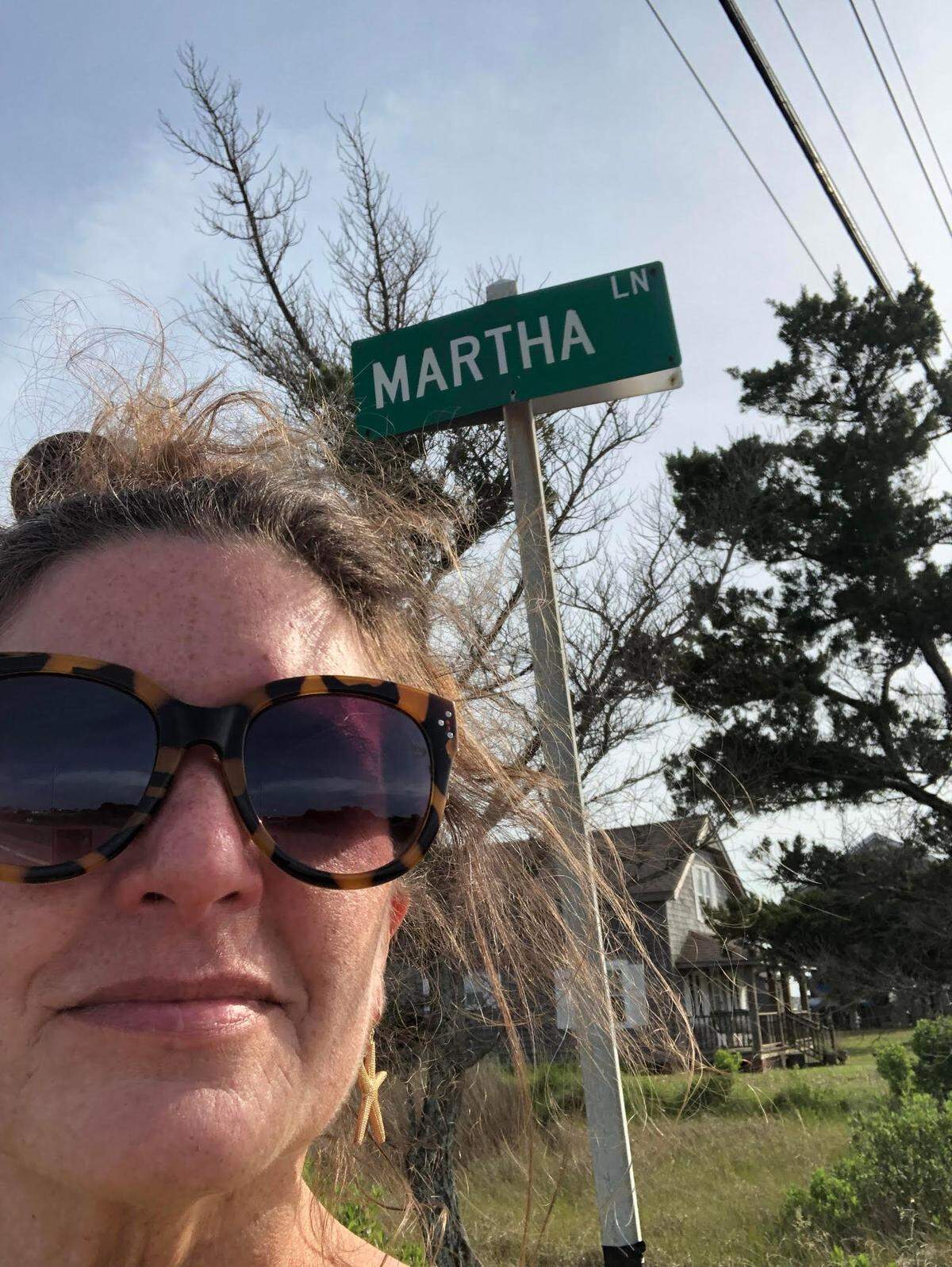
‘Blessed all over’
I share this story with you now out of both deep admiration for Martha and regret that stories like hers will soon no longer grace The N&O’s pages.
This one takes place in a village of FEMA trailers, not long after Hurricane Floyd, where Martha went knocking on doors on a near-freezing night.
It was almost Christmas, and dark outside, and everyone in that ramshackle community outside Grifton had lost their houses, cars, photo albums, pets, clothing, food, money — everything.
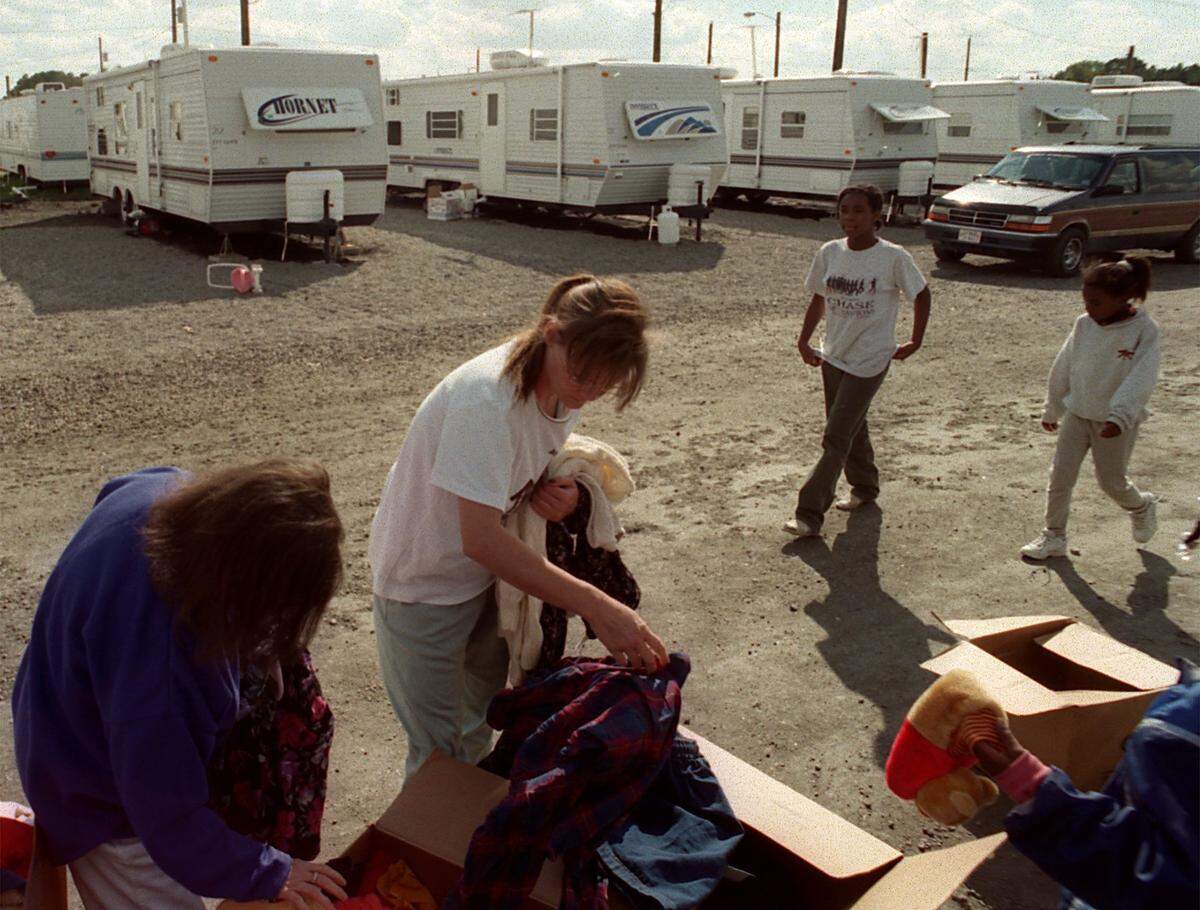
But when Martha knocked, she met Pearlie Mae Dixon, who shouted “Come in, honey” through the door.
Inside, Martha found the 62-year-old woman sitting on the trailer’s floor, sorting through donated cans of green beans and peaches, working by the light of the Christmas lights strung in the window.
She explained how flooding from Floyd took not only her apartment in Grifton but also her church. To this calamity she declared, “I’m blessed all over.”
And when Martha left, her notebook full of treasure, Pearlie Mae stood barefoot in the doorway and sang her back into the darkness. She’d been a choir soloist before the storm, after all.
“Joy to the world,” she sang into the night, “the Lord is come....”
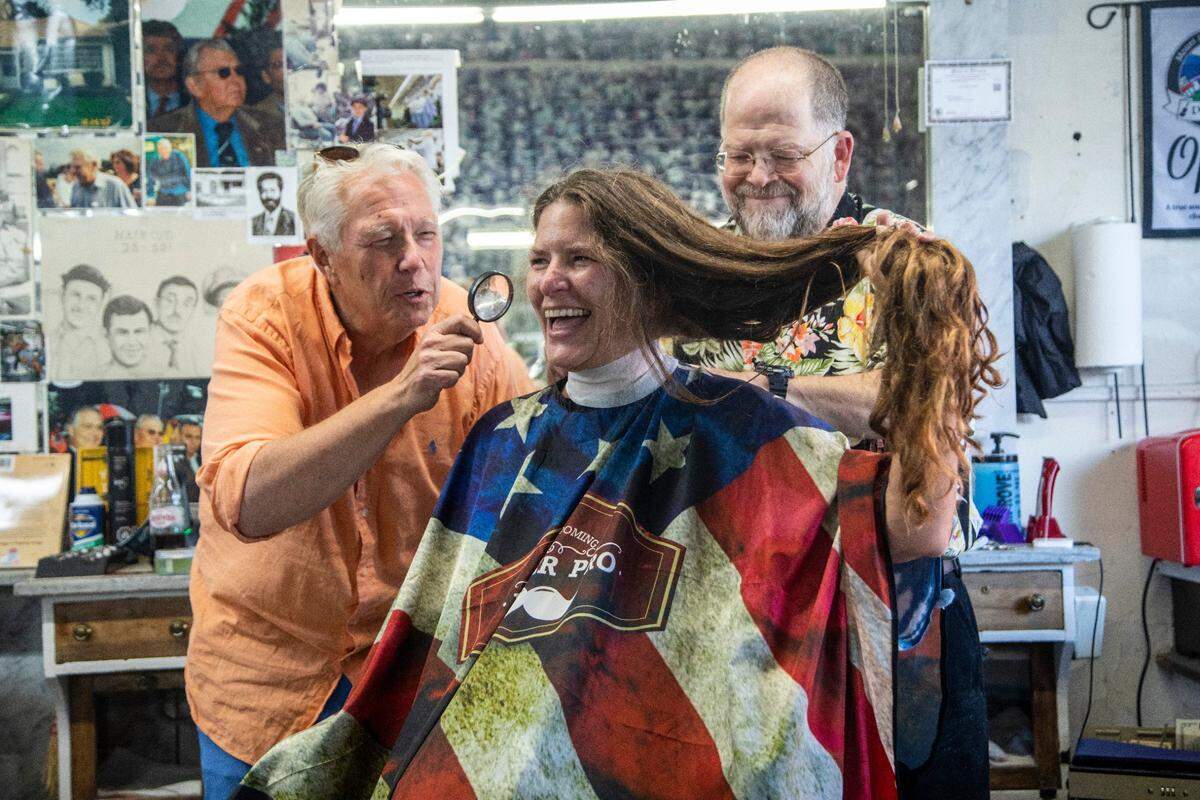
A presence
Martha’s power as a storyteller stems at least in part from her being such a great one herself — a feature writer’s dream.
She never walks into a room so much as bursts into it, hair flying everywhere, clad in a hat and flowing pants she likely sewed herself, rings on all 10 fingers. She dresses as if for a parade and likely owns not one stitch of black, and I veer into the details of her appearance only to show that Martha Quillin possesses what can only be described as presence.
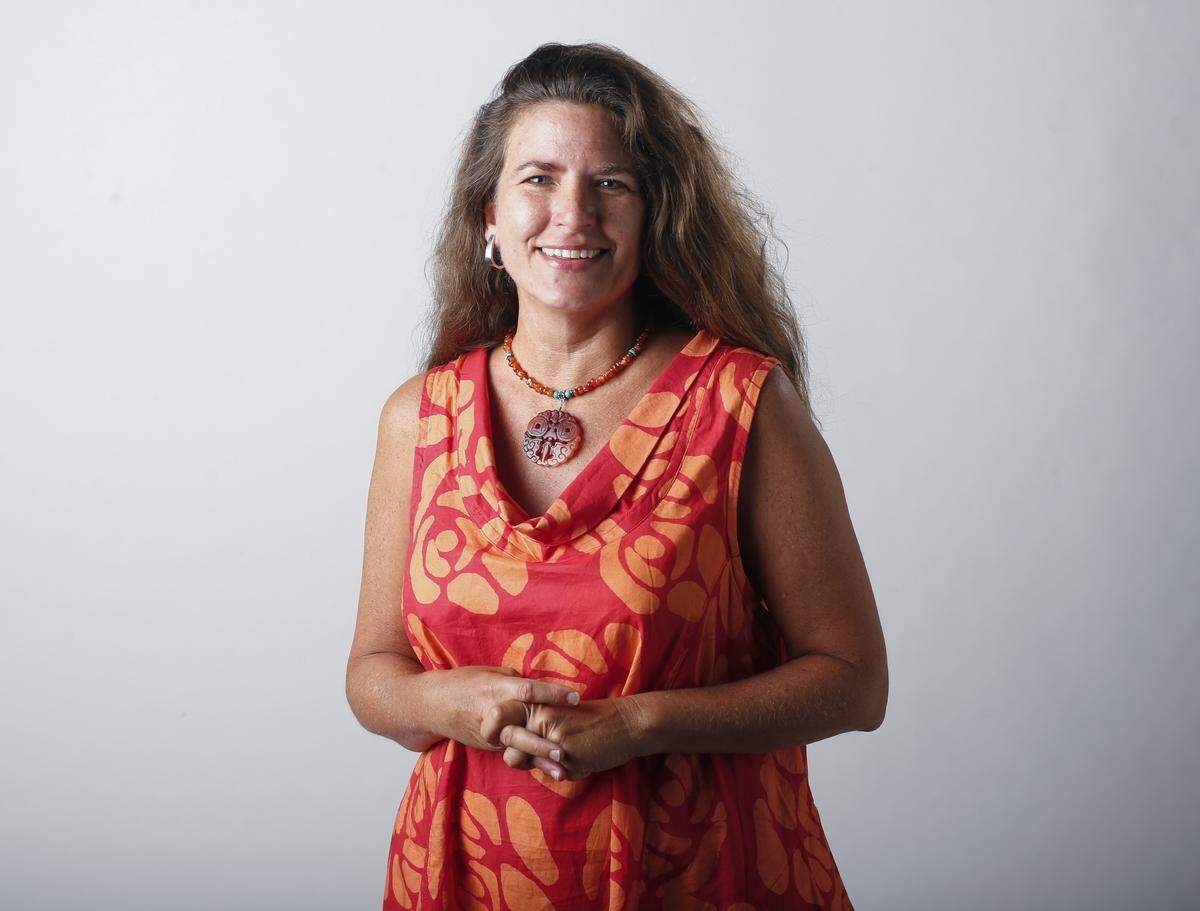
Her Piedmont accent is equally suitable for describing the ingredients in a batch of cupcakes she baked as it is spewing a string of obscenities that would make a pirate blush. With a pencil tucked in her hair, one or sometimes two pairs of glasses perched on her head, she embodied equal parts sweetheart and badass — Nora Ephron portrayed by June Carter Cash.
She tells the story of her first day at The News & Observer in 1987, when she arrived in red high heels — her only pair, one of which broke walking to the front door through Nash Square — and a worsted wool suit that her mother made.
Once inside, wearing substitute tennis shoes, legendary columnist Dennis Rogers shot an electronic message to all the other men in the newsroom — a note fitting for the male-dominated workplace of the era.
“Turn around and look.”
Which they did.
“I was cute back then,” Martha said.
Decades later, she wrote his obituary, penning a tribute that applied equally to herself: “For Rogers, the column was always about the people, whom he met in the barbecue joints, feed stores and Ruritan Club meetings.”
Clyde to Engelhard
Nothing about that fact informed her work.
She climbed a firetower at Fort Bragg, dangling from its beams for a story. She toured a chicken processing plant in Lewiston and endured blood dripping on her protective cap. She followed a man into the dark of a maritime forest in Nags Head while he cut the brush with a machete.
“He turned around holding a machete and said, ‘How often do you go into the woods with a strange man?’” she said, laughing at the memory. “I always tried to make sure (the editors) knew where I was so they could find my body.”
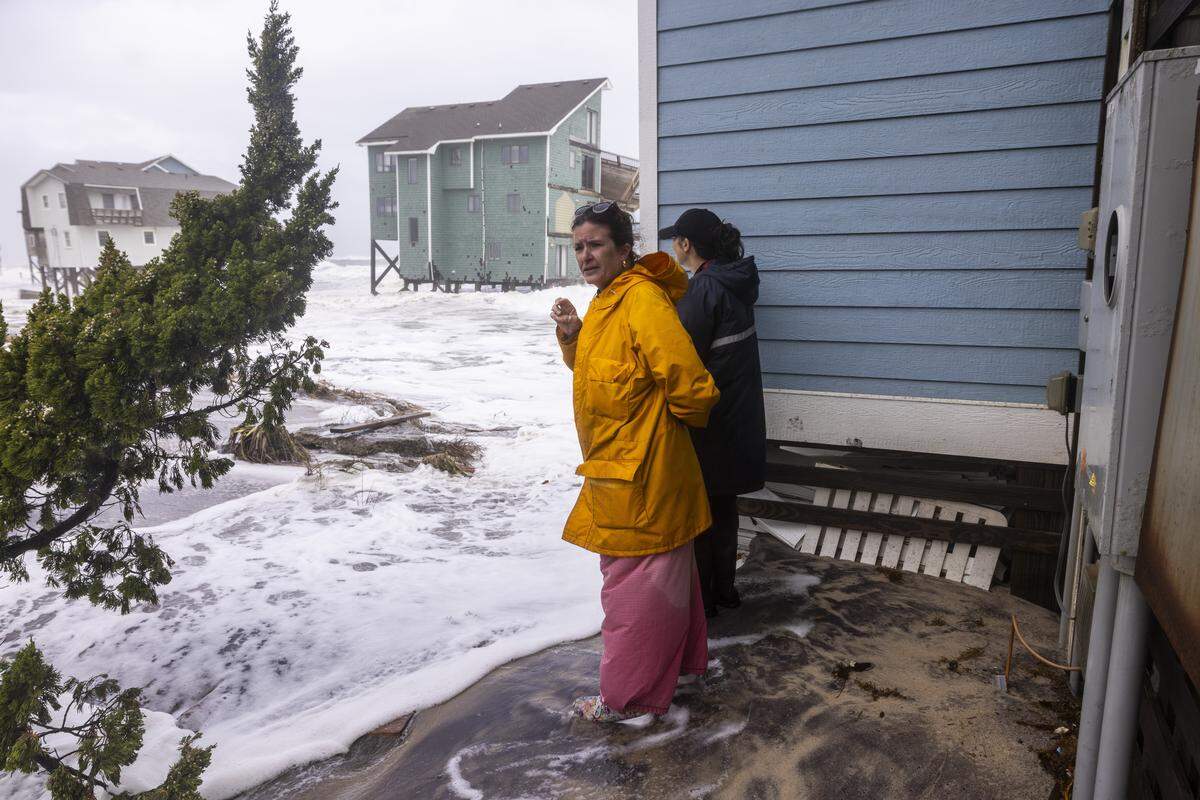
As the state’s rover, she logged 36,000 miles a year in a series of war-wagon cars, spending far more time in towns like Clyde or Engelhard than in the newsroom.
When the National Guard emptied out mountain towns for the war in Iraq, she wrote this dispatch:
“Yesterday, when the tiny choir stood to sing ‘My Country ‘Tis of Thee’ at Morganton Wesleyan Church, it was short one silky tenor voice, the one belonging to Sgt. Mark Freeman.”
When jurors in Monroe convicted a police office of murder, she penned this summary:
“Over produce in the supermarket, in the hardware store, over coffee and eggs in local diners, residents here marveled Saturday over the speed with which a Rowan County jury had returned the day before with a verdict in the trial of Josh Griffin.
“How could a panel of 12, they wondered, decide in just four hours what some people say they will never be completely certain about: that a rookie police officer, a hometown boy, a regular Boy Scout, turned on a dime one night and committed murder over being turned down for a date.”
And in all of those towns, Martha stopped at a thrift store to find clothes for the homeless served by her church, or a fabric store to finish sewing something for somebody in her community. While she documented murder and destruction, sadness and loss, she found time to bake cookies for the newsroom.
Not too long ago, she had me bring my own tent to the office so she could sew up a ripped seam.
So I offer these words to my longtime friend as a paltry acknowledgment of her own story, so long pushed to the sidelines while she wrote down everybody else’s.
H.L. Mencken famously called ours the life of kings, but surely he meant queens as well — another oversight from our careless past.
One upside of Martha’s retirement is that from now on, when I see her, I can quote her — deleted expressions and all.
“We’ve seen some (expletive), man,” she told me Friday. “We’ve seen some (expletive).”