
Tribute to a legendary NC alligator relocator, friend of frightening beasts
AI-generated summary reviewed by our newsroom.
- Jimmy English relocated an alligator from using rope, marshmallows, and a rubber band.
- About 2years ago the author watched English, then 69, capture the alligator.
- English wore tan coveralls embroidered with “Jimmy” while confronting the alligator.
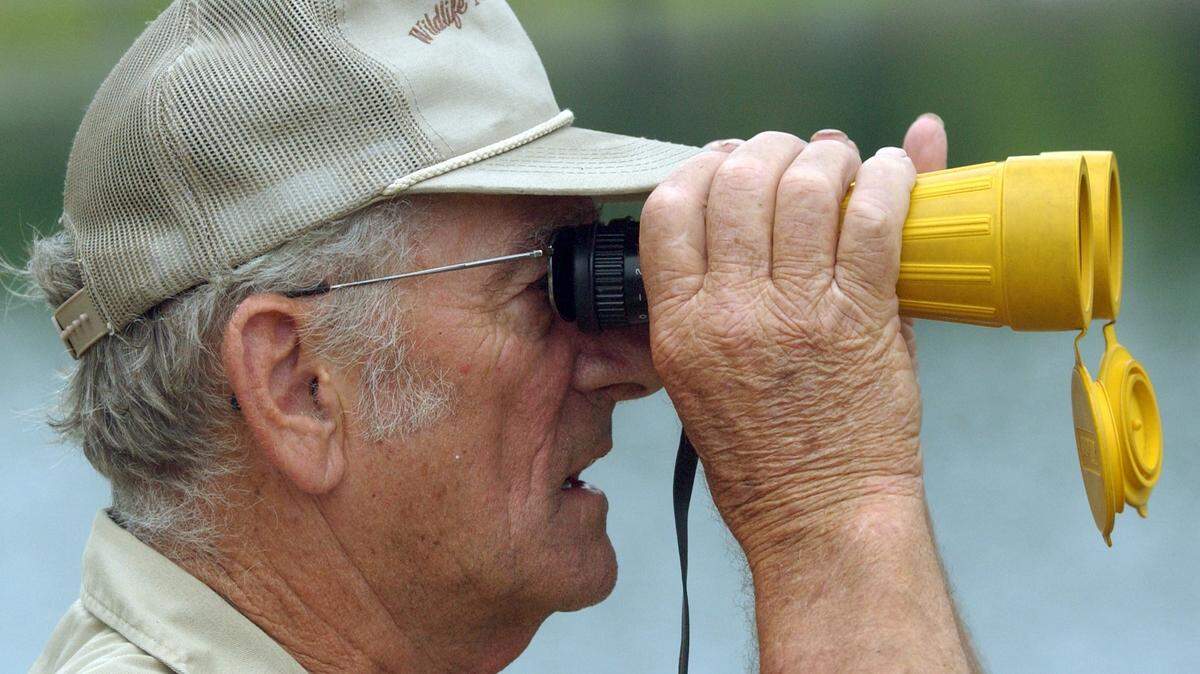
Twenty years ago, I watched Jimmy English wrestle a 5-foot alligator out of a Brunswick County pond armed with only a loop of rope, a rubber band and a bag of Food Lion marshmallows.
He was 69 at the time, clad in tan coveralls with “Jimmy” embroidered on the chest pocket, and he frowned at the misbehaving reptile like a child caught licking frosting off a birthday cake.
So he tossed a marshmallow into the pond and watched the green eyeballs draw closer.
Then another marshmallow. Then another. Until the beast came close enough to loop the noose around the snout and yank it out of the water.
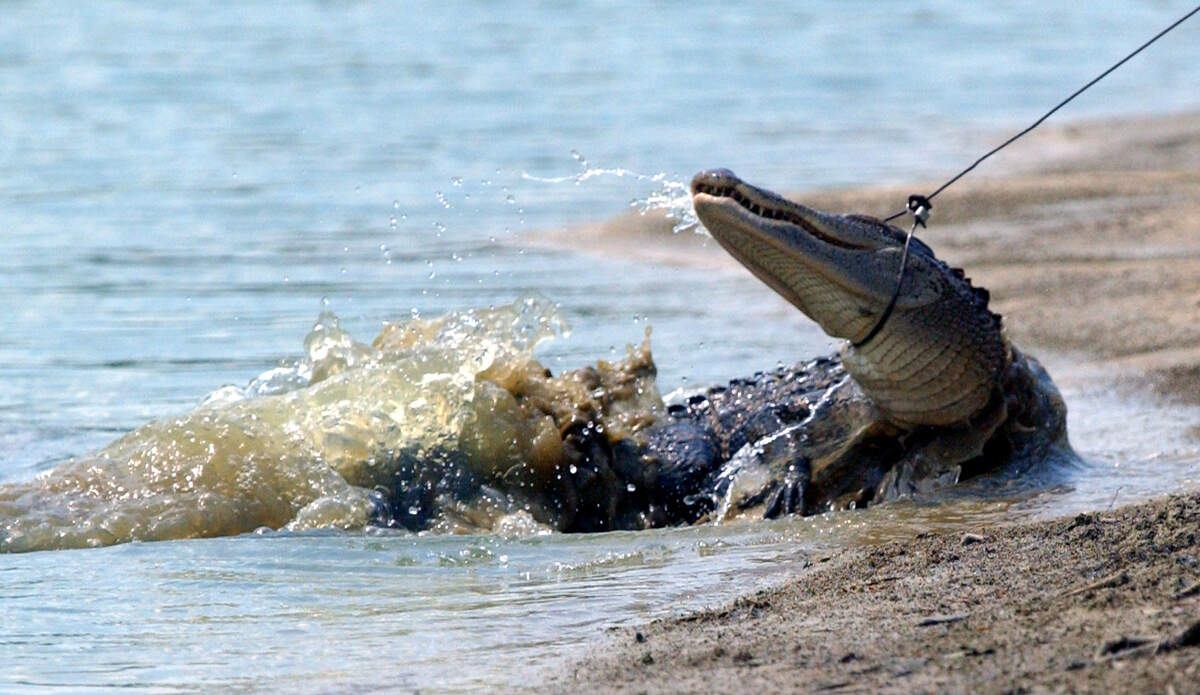
While I kept a safe distance, English climbed on the startled gator’s back and pulled the rubber band around its jaws, carrying it to his pickup harmless and disarmed.
On the way to deposit the sheepish intruder safely back in the swamps, he confessed a fondness that only a gator wrangler could hold. These animals were confused, he told me. Out of place in a landscape increasingly populated by Yankee retirees and their golf carts. Bewildered by subdivisions.
“They’re just as maladjusted to the times as me,” he confessed.
I casually Googled English on Friday and sadly discovered that he died in November at 88 — a beloved and legendary critter-wrangler around Wilmington.
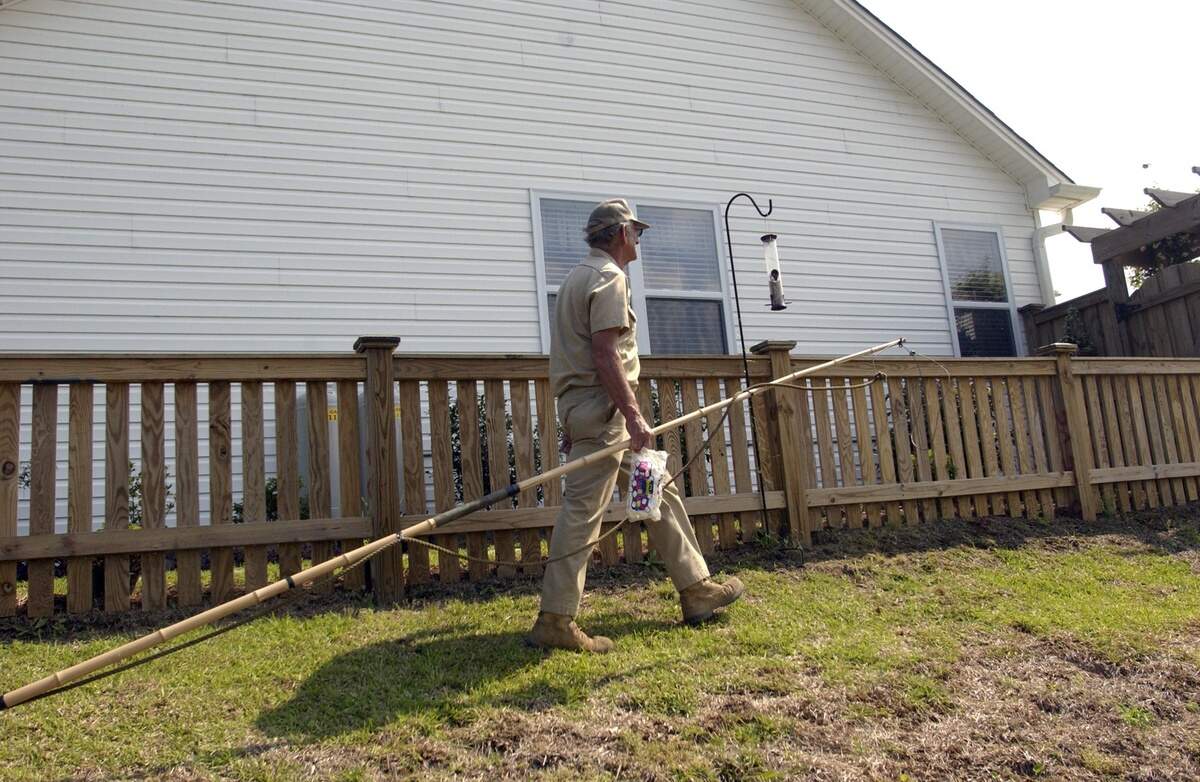
For decades, and well into his 80s, English and his Wildlife Removal Service took near-daily calls — many of them frantic — from homeowners anxious for him to catch and dispose of critters found wriggling, slithering, crawling and skittering across their otherwise-peaceful backyards.
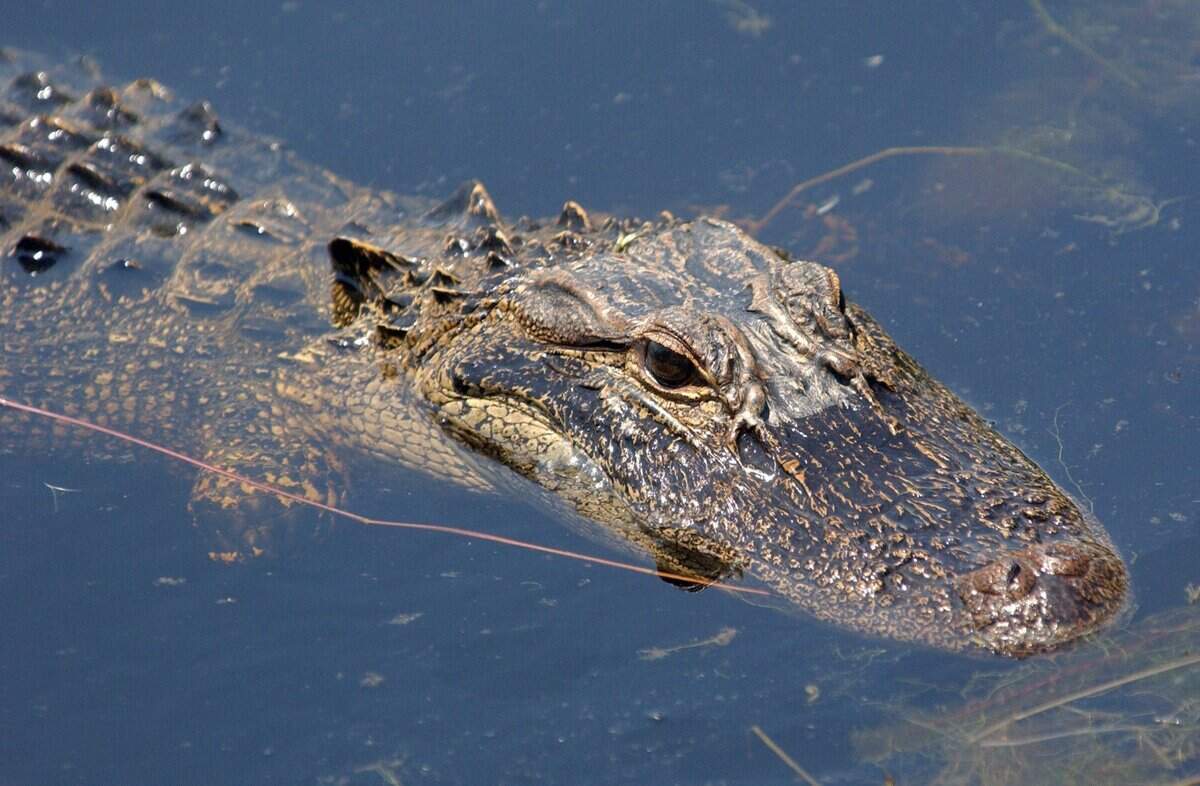
When I met him, Brunswick County was exploding with retirement communities and golf course villages, and the pilgrims from Boston and Brooklyn unpacked their moving vans to discover that alligators were not only native to their swampy new habitat, but also enjoyed nothing better than floating around a retention pond.
This made English, a rough-cut native, an important person to know. Many a relocated Long Islander kept his number on speed dial.
“More habitat, more Yankees, more gators,” English told me in 2006. “I love ‘em all. If it wasn’t for these Yankees scared to death of every little snake, I wouldn’t have no job.”
All creatures smooth and wriggling
He formed the perfect bridge between the untamed quality that makes North Carolina appealing and the skittish newcomer with pockets full of money and scant experience with the wild kingdom.
Right around the time they learn that barbecue is a noun, not an adjective, new arrivals to the Tar Heel state discover that copperheads like to bed down inside a stack of firewood, and that bats will find a way into the attic, that mosquitoes, ticks and chiggers lie in ravenous wait and that if you stand in one spot for too long, a vine will twirl around your ankle.
North Carolina, more than most states, is alive and squirming.
“Movie stars, mostly”
On the day I followed English around Brunswick County, we found the most intense alligator anxiety at Orton Plantation, the 18th-century spread along the Cape Fear River that, at the time, was a favorite spot for shooting movies.
Back then, movie studios gave English steady work keeping local gators from biting off their stars’ Aerobicised legs. Not long before, he took a tree limb and shooed one away from Ashley Judd while she filmed “Divine Secrets of the Ya-Ya Sisterhood.”
On this day in 2006, he got summoned to monitor another 5-footer floating just upstream from where then-child actress Dakota Fanning was to take an onscreen dip.
Relax, he urged the nervous crew.
“One that size ain’t gonna bother nobody,” he said, “‘less you jump on its back.”
While I watched, a crewman arrived, having just heard the gator news. He looked very lost there in the woods, mosquitoes and horse flies buzzing around his black fedora. He questioned English in a markedly non-Southern accent.
“Somebody said he saw a gator out here!”
English hooked a thumb over his shoulder to where the reptile lurked.
“He’s right over there now?” the movie man asked.
“I don’t reckon he’s gone anywhere.”
“What do they eat?”
Jimmy paused to reflect:
“Movie stars, mostly.”
Keeping watch over critters
I never saw English again after watching him liberate a golf course pond, but at least 100 strangers at parties or dinner gatherings have heard me describe him tossing marshmallows as bait.
Sometimes high school journalism teachers or senior citizen lunch groups ask me to speak about the state of newspapers, and when they inevitably ask about favorite stories, I always mention Jimmy English and his rubber-band gator muzzles.
Readers of this column know I feel a deep attachment to offbeat characters.
But I especially favor the people who extend kindness to even bigger misfits than themselves, who shepherd the wayward, lumbering, well-meaning creatures back to the swamps where they belong, feeling a kind of kinship.