
Last resting place of World War II sub, two NC crewmen, found off Japan
.jpg "The USS Herring, sunk in 1944 with two NC sailors aboard, now has a confirmed location.")
AI-generated summary reviewed by our newsroom.
- The Naval history command confirmed the USS Herring sits on its keel at 341 feet.
- The USS Herring sank off Matsuwa in June 1944 after conning tower hits.
- Two North Carolina sailors were Willie R. McLendon and James Ray Dawkins.
For the last eight decades, the crew of the USS Herring lingered in a state of wartime limbo, their Navy submarine lost at sea — silent long past war’s end.
Nobody saw the 311-foot sub after its eighth patrol through the north Pacific in June 1944, where it hunted for Japanese ships along the remote, volcanic Kuril Islands.
To anyone’s best guess, the Herring took enemy fire and sunk off the coast of Matsuwa, taking two NC sailors down with the doomed crew of 83. History literally swallowed these young men, 6,000 miles from home.
But this week, the Naval History and Heritage Command announced it had confirmed the Herring’s location at the bottom of the Pacific. It sits on its keel, down 341 feet, largely intact but for the holes in its conning tower.
“The wreck represents the final resting place of sailors who gave their lives in defense of the nation,” the NHHC said in a news release, “and should be respected by all parties as a war grave.”
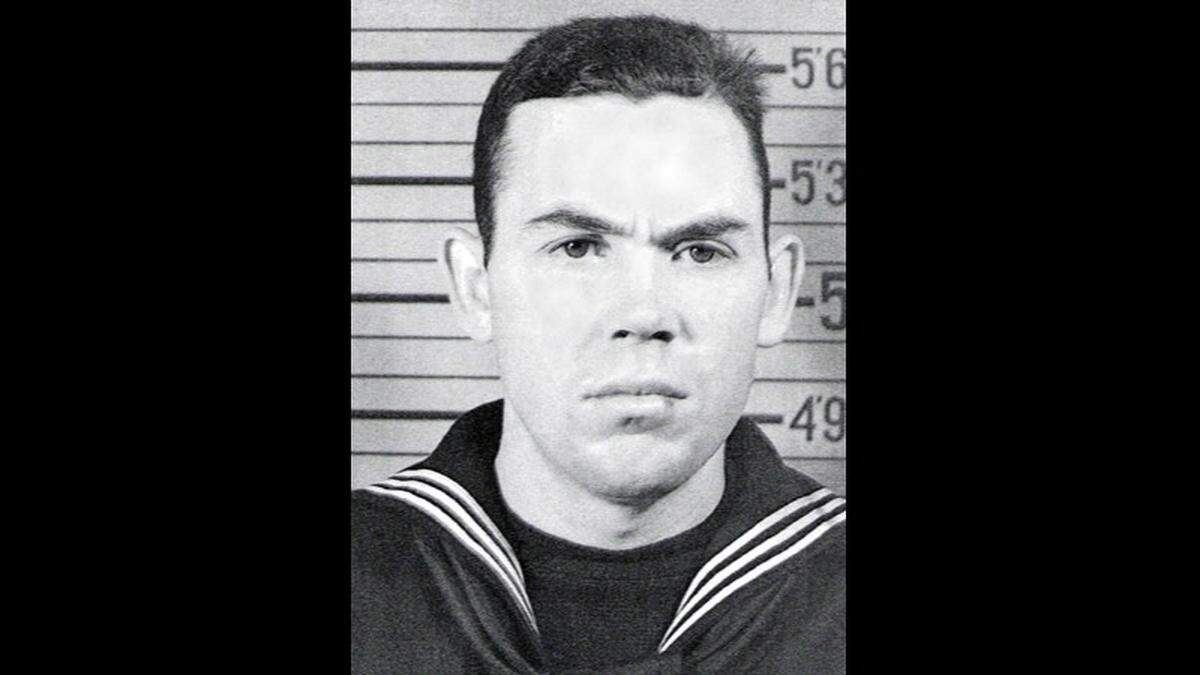
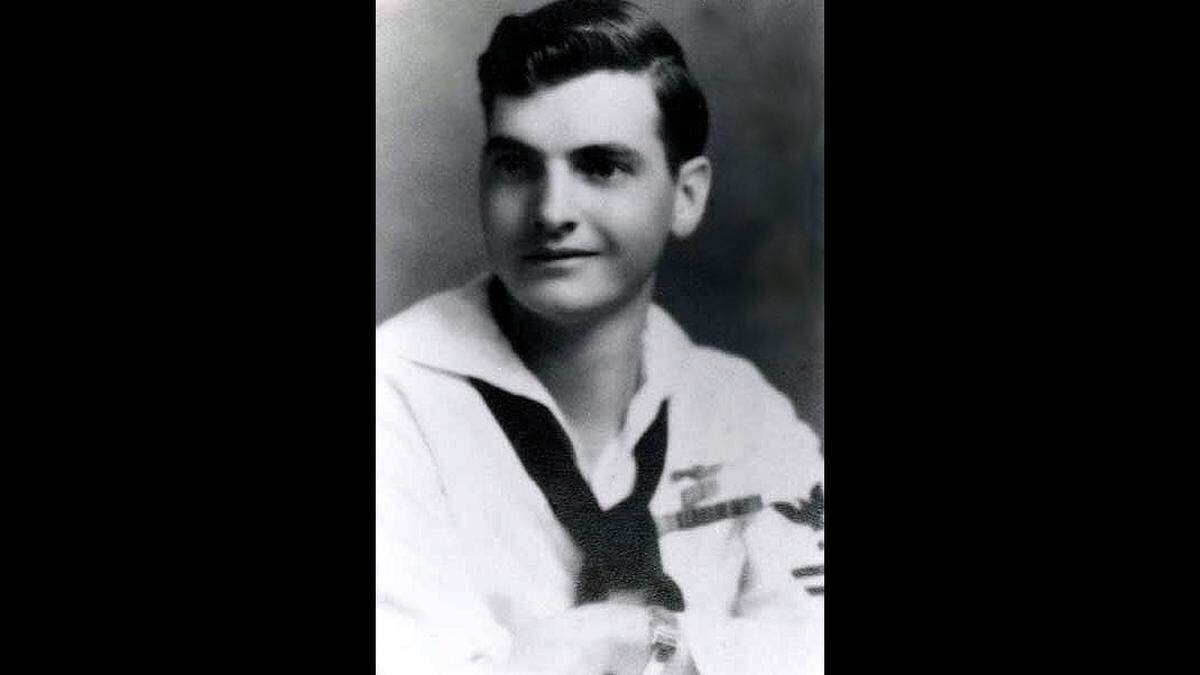
Dawkins and McLendon
Even with the announcement, little can be learned now about the Herring’s two Tar Heel crew.
Willie R. McLendon was slightly older than the average combatant at 27, and he came from rural Lumber Bridge in Robeson County, which boasted fewer than 200 residents at World War II’s outbreak.
Wartime casualties were so heavy in 1944 that McLendon merited only a paragraph in The Robesonian, being one among 210 other Navy casualties. Half of that paragraph listed his father as Alex McClendon.
Two counties over in Rockingham, James Ray Dawkins got no mention at all. History tells nothing of the machinist’s mate other than he joined the Navy at 18, months before the war started, when recruiters came to rural Richmond County.
A Rockingham cemetery makes note of his life with a simple stone, though he never returned.
Bubbles and oil
A submariner lived a notoriously dangerous and, by necessity, secret life during World War II.
Roughly 16,000 American sailors served inside of them, and roughly 3,500 died, but all of them endured long weeks of cramped, hot, leaky conditions and depth charges fired underwater to shake them apart with heavy shockwaves.
In its three years of service, the Herring sunk seven ships, including two Japanese cargo ships in its final hours. Crew from a nearby sub heard depth charges around the time the Herring disappeared and assumed it had engaged the enemy.
Later, Japanese records confirmed that the Herring had sunk a pair of cargo ships anchored at Matsuwa, but that forces on shore fired at its conning tower as it retreated, scoring a pair of direct hits. “Bubbles covered an area about 5 meters wide,” the NHHC reported, “and heavy oil covered an area of approximately 15 miles.”
In 2017, the Russian Geographic Society and the Russian military located what appeared to be the Herring’s wreck in the Kurils. A second expedition visited the site in 2022, placing a memorial plaque.
But for the Herring’s crew, this story ends with certainty — a casualty so violent and remote it took 82 years to fully explain.