Mulching natural habitat? Birders at Dix Park raise concerns for a rare species
AI-generated summary reviewed by our newsroom.
- Birders found the brush pile mulched into huge mounds and some carted away.
- City said the debris was a staging area and said no birds were nesting there.
- Birders said mulching during nesting season can harm birds and disturb wildlife.
Bird watchers drawn to Raleigh’s Dix Park by the high-profile sightings of a rare painted bunting were dismayed Wednesday when they arrived at the park to find a wood-chipper shredding the bird’s favorite perching spot.
By Wednesday afternoon, none of the brush pile was left. All of it had been mulched into huge mounds, while sections had already been carted away.
“That was the painted bunting hangout spot,” said Christin Sanchez. “A brush pile is like a little playground — lots of branches to perch on, sing to each other, things like that.”
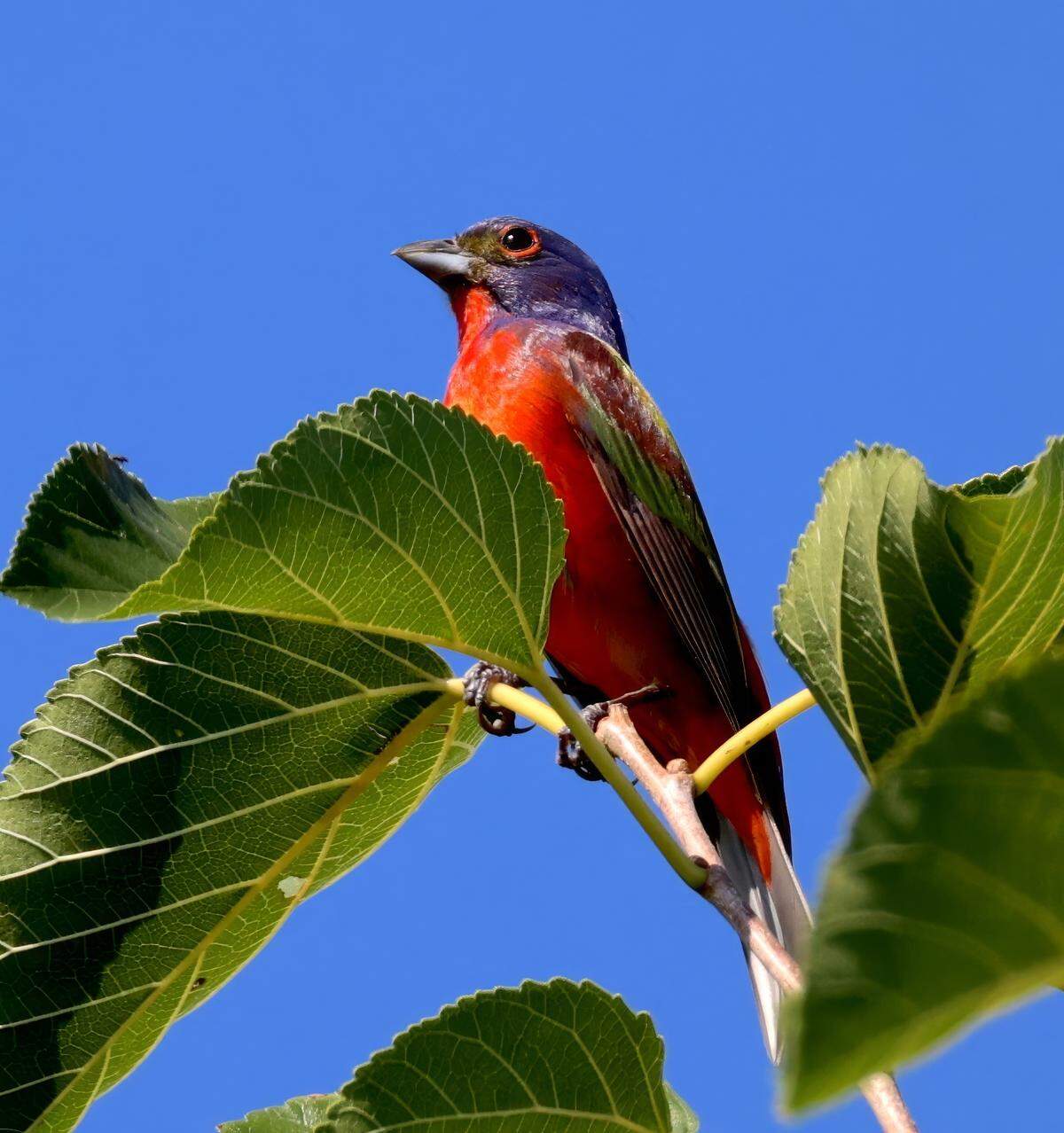
Brush piles are crucial for birds, providing food by attracting insects and small wildlife and offering shelter from predators and extreme weather. Mulching brush piles during nesting season can directly harm wildlife, and noise from heavy machinery can disturb birds and other animals.
“The noise keeps all the birds away, and this place is supposed to be a protected area,” said Camille Tamlyn, a longtime Raleigh resident and birdwatcher.
Birders also worry that removing the pile during nesting season, which runs from mid-April to mid-September in North Carolina, according to the U.S. Department of Agriculture, could harm birds that rely on the debris for shelter and foraging.
City officials, however, say the debris pile is primarily a staging area for park operations, not a nesting site.
“While we have seen the buntings perching on the debris pile, there are not birds nesting there,” Julia Milstead, public information officer for the city of Raleigh, said in an email to The N&O. “Clearing it is important to maintain safety, cleanliness and operational order across the park.”
Milstead did not how the city knows that no birds were nesting. Many bird species, such as the Carolina wren, will nest in brush piles.
“Was there a nesting site in there? I mean, who knows?” Sanchez said.
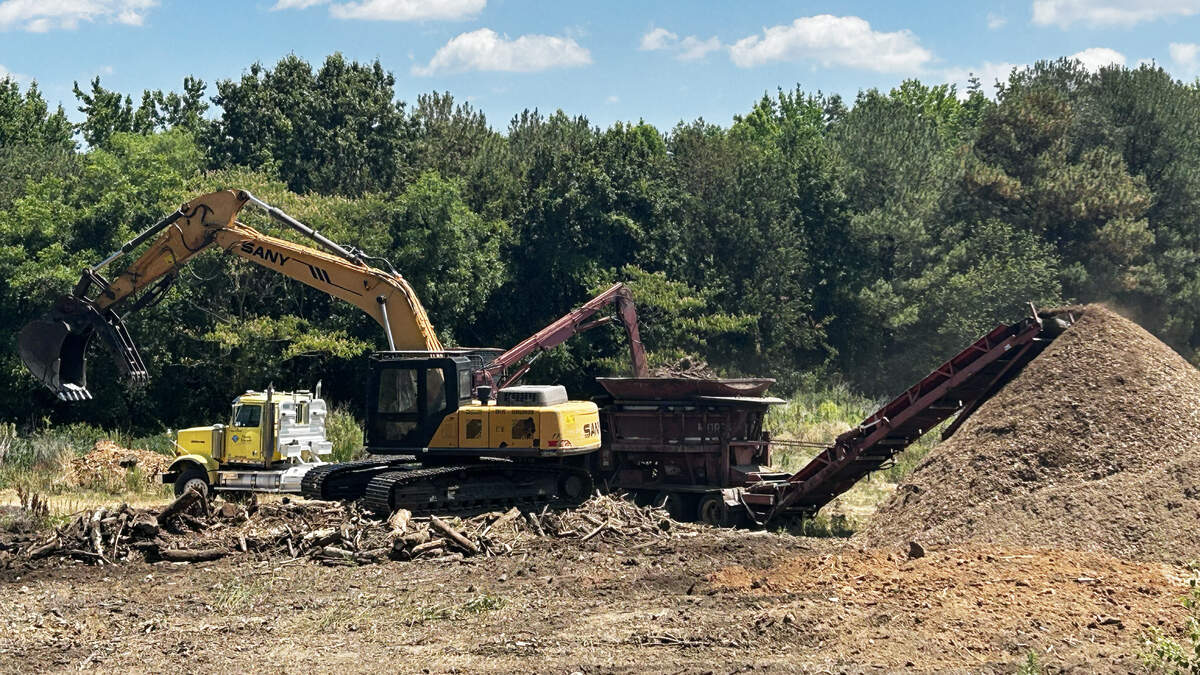
The city’s focus on tidiness and safety contrasts with some birders’ desire for wildness.
“It used to be beautiful with less construction. It used to be wilder,” Tamlyn said. “The purpose of the park is to keep it wild because the city has grown so much.”
Milstead noted that the brush piles posed a risk to visitors due to ongoing drought conditions.
“Large, dry debris piles can become a wildfire risk, making timely cleanup important for the safety of visitors, wildlife and the surrounding landscape,” Milstead said.
The Dix Park master plan, approved with significant public input in 2019, says turning the park into one “Raleigh can be proud of” requires that “both the constructed and natural elements of the park … be purposefully and thoughtfully transformed.”
While the city’s plan highlights a vision for community use and celebration of natural spaces, birders say the lack of communication about the brush clearing has contributed to confusion and frustration.
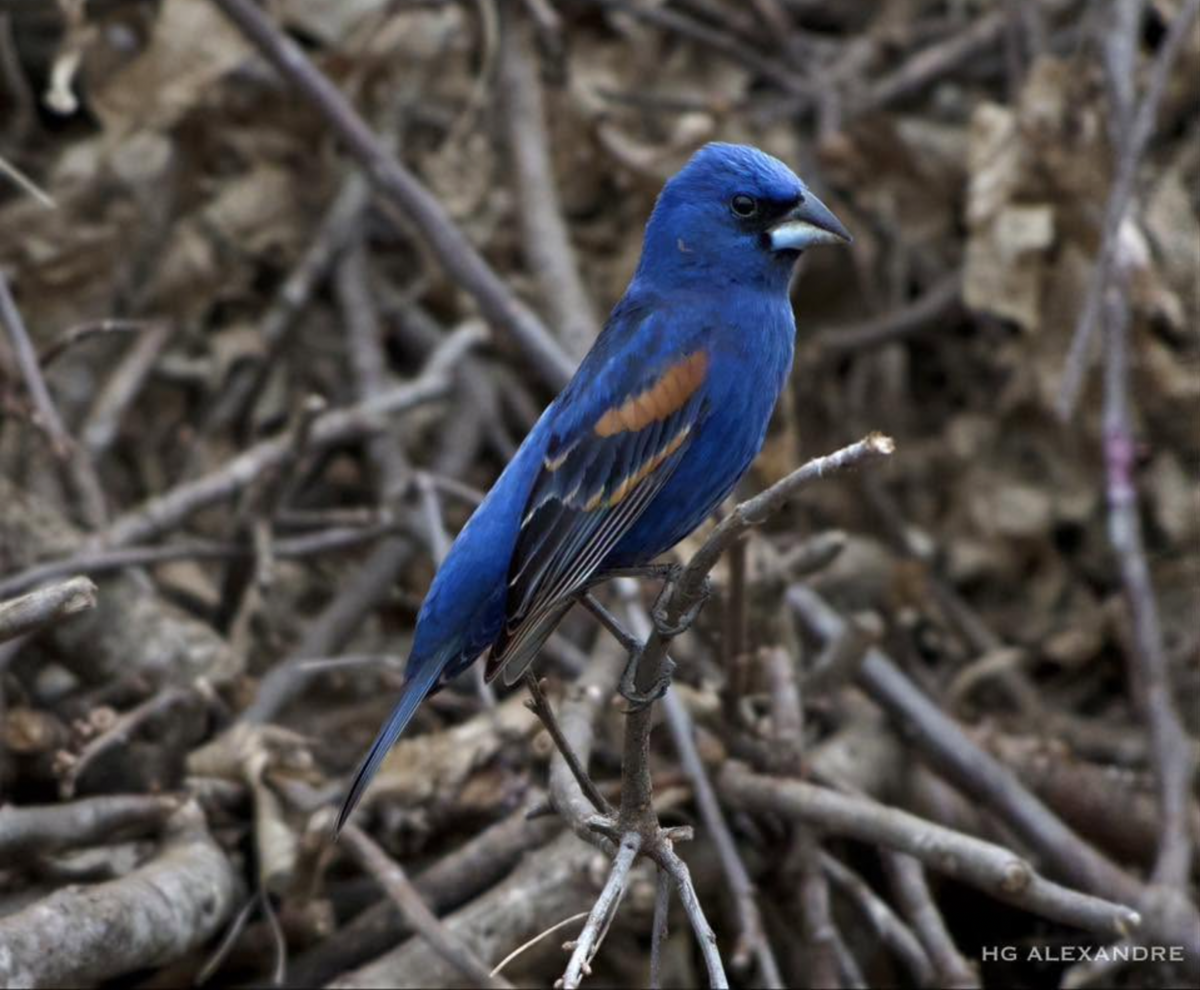
Milstead said the city is concerned with the bunting’s well-being.
“We are looking into other ways to provide perching places that are well-situated for the painted bunting and bird watchers,” Milstead said. “In the future, we will also closely consider the seasonal wildlife that use this area and work to minimize impacts to visitor experience.”
The painted bunting’s annual visits have become a celebrated event among Raleigh birders because the city sits at the end of its northern range, with enthusiasts traveling from across the region to catch a glimpse.
“He sings his heart out,” said nature photographer Nancy Arehart. “He has been known to land in bushes right next to people, so I think he is getting used to having a big human fan club.”
Birdwatchers also noted that the area was blocked off by a worker in a golf cart when they visited at 2 p.m., though it had been accessible two hours earlier when The News & Observer photographed the site.
For now, the fate of the painted bunting at Dix Park — and the tradition of its annual visits — remains uncertain as the city and birders look for common ground.