
Most NC tattoo artists lack blood safety training. 9 ways to spot a clean shop
AI-generated summary reviewed by our newsroom.
- In 2025 North Carolina filed Bill 760 to address lack of blood‑borne pathogen training.
- Current law mandates blood and bodily fluid precautions but lacks formal training.
- Reputable studios must use sterile single-use needles and fresh poured ink.
In 2025, the North Carolina General Assembly filed a bill to increase regulations for tattoos. Bill 760 and address a lack of blood-borne pathogen training for tattoo artists, leaving those looking for fresh ink vulnerable to individual artist education.
The law currently mandates blood and bodily fluid precautions while tattooing, but without proper training on infectious diseases spread through blood like Hepatitis B, C and HIV, tattooists could put clients at risk. The training teaches artists how diseases are transmitted, how cross contamination occurs and most importantly, how to prevent it.
“It goes beyond wearing gloves,” Kate Conners, director of education for the Alliance of Professional Tattooists and professional tattooist of 23 years, said of the training. “It teaches artists to think critically about every surface that they touch, every piece of equipment that they use, and every decision that they make through the procedure.”
After research and cross-referencing the Wake County Public Health Inspection list, we compiled a list of local tattoo places that publically display their artists receive blood-borne pathogen training. (There may be others who have not advertised the information online. Email ask@newsobserver.com if there are any we missed, and we’ll update the story.)
- Invictus Studios: 107 Wind Chime Court, Raleigh, NC
- Raleigh Tattoo Company: 1000 Brookside Drive #111, Raleigh, NC
In accordance with current laws in North Carolina and Conners’ advice, people seeking tattoos should ensure their artists are following these guidelines.
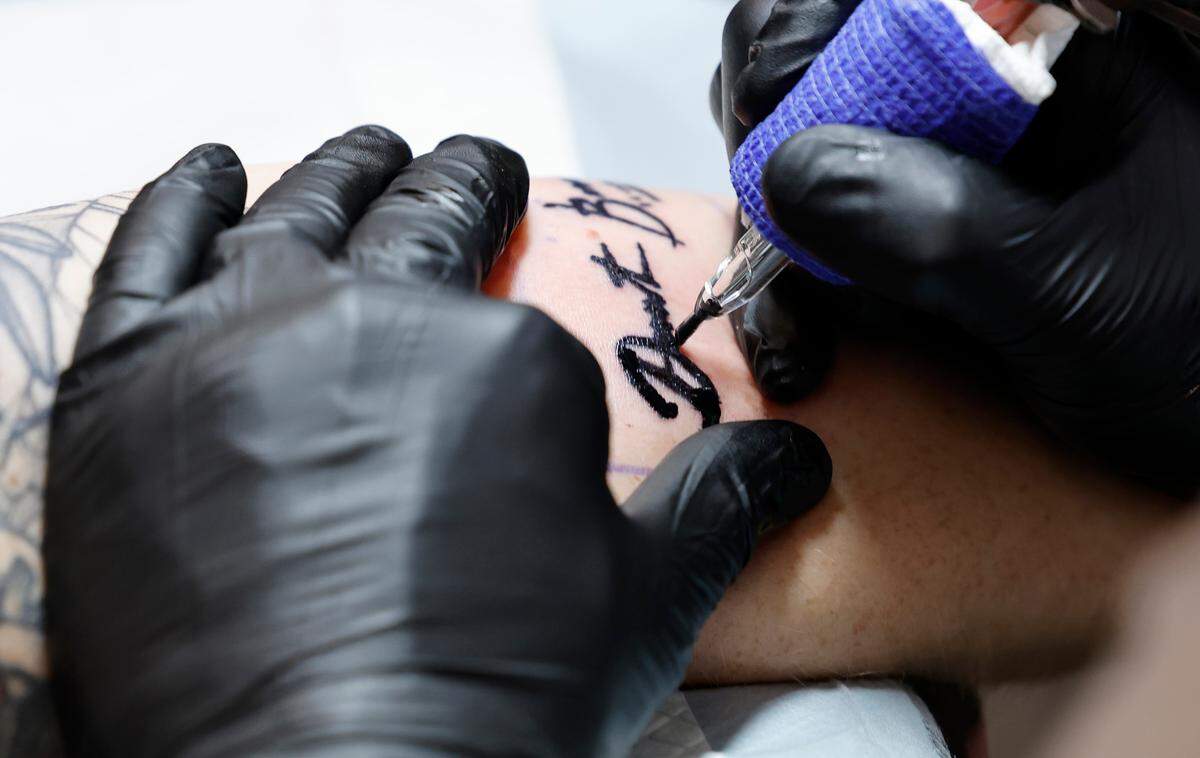
Visit a studio ahead of getting your ink
While it is always a good thing to visit a studio ahead of time, Conners warns that some studios do not allow walk-ins.
“I do highly recommend booking an in-person consultation to meet the artist, to make sure they would be comfortable working together,” Conners said. “This is the time to ask all relevant questions, whether you can visit before talking to someone or not.”
Tattooers should not be eating, drinking or smoking
“If it doesn’t smell clean, it’s probably not clean,” Conners said. While patrons are allowed to consume food or beverages while receiving a tattoo, this does not apply the other way around. Any eating or drinking in a tattooing room done by a tattoo artist may signal other cleanliness violations.
Clean instruments must be put away
All clean and ready-to-use instruments, dyes and stencils need to be kept in a closed and sanitary storage container while not in use. Utensils and sterile instruments such as needles should be put away until the tattooist is ready to begin.
“Without training, artists can underestimate survival times, contamination risk,” Conners said. “[Bacteria] can spread from one place to another,” to your family members and even animals.
Tattoo artists should be covering their body and hands
Disposable gloves, gown or coat, and lap cloth should be worn during the tattooing process. This protects customers and staff from contamination. Gloves are always required while a gown, coat and lap cloth are interchangeable depending on the preference of the tattooer.
“If the artist is not washing their hands consistently, if they’re not changing their gloves consistently, if they’re not setting up or pouring in front of you, or explaining any of it, those are huge signs,” Conners said.
The tattoo and your skin should be cleaned and covered
The marked area needs to be cleaned with a clean facial tissue or paper towel, and an antibacterial ointment can be applied afterward. After cleaning and applying a salve, the skin should then be covered with sterile dressing.
“Artists should be able to confidently explain how instruments are clean, sterilized and monitored,” Conners said. “If a client has questions about infection control, a professional artist should welcome those questions.”
Shaved then cleaned, not the other way around
“Look for a studio that is clean, organized, and transparent about safety practices,” Conners said.
North Carolina guidelines stipulate that the site of the tattoo needs to be cleaned with a germicidal solution and applied circularly before the design is placed on the skin. If the area to be tattooed is shaved, this cleaning shall be performed after shaving the area.
Ink needs to be in a single-use container
“A reputable artist should open sterile single-use needles in front of the client and use freshly poured ink for every procedure,” Conners said. Each color used for each person’s tattoo needs to be in a non-reusable container and discarded after completing the work. Similarly, any ink that needles are dipped in are not to be used on another person.