Do Triangle grocery stores throw away food at the end of the day, or donate? We asked
The latest in our Asked & Answered series, in which we answer questions from the community, looks into grocery store food waste around the Triangle.
Cary’s Elaine Pace asked about grocery store leftovers after seeing a Harris Teeter employee throw out bagels one evening this summer, she said.
“I went to Harris Teeter at the end of the day, and I went to the bakery for a raspberry donut. The thing was full of donuts and bagels, and an employee was taking them out and throwing them in the trash can,” Pace told The News & Observer.
“This really bothered me. I’m a Depression baby, and we’re used to saving everything. And seeing him throw away the food? There has to be a better way.”
There are, in fact, local programs in place to deal with grocery store food waste — and what Pace witnessed is not the standard at Harris Teeter and other national grocery chains.
The N&O connected with local food banks and other non-profit feeding groups to learn more about how those programs work in the Triangle.
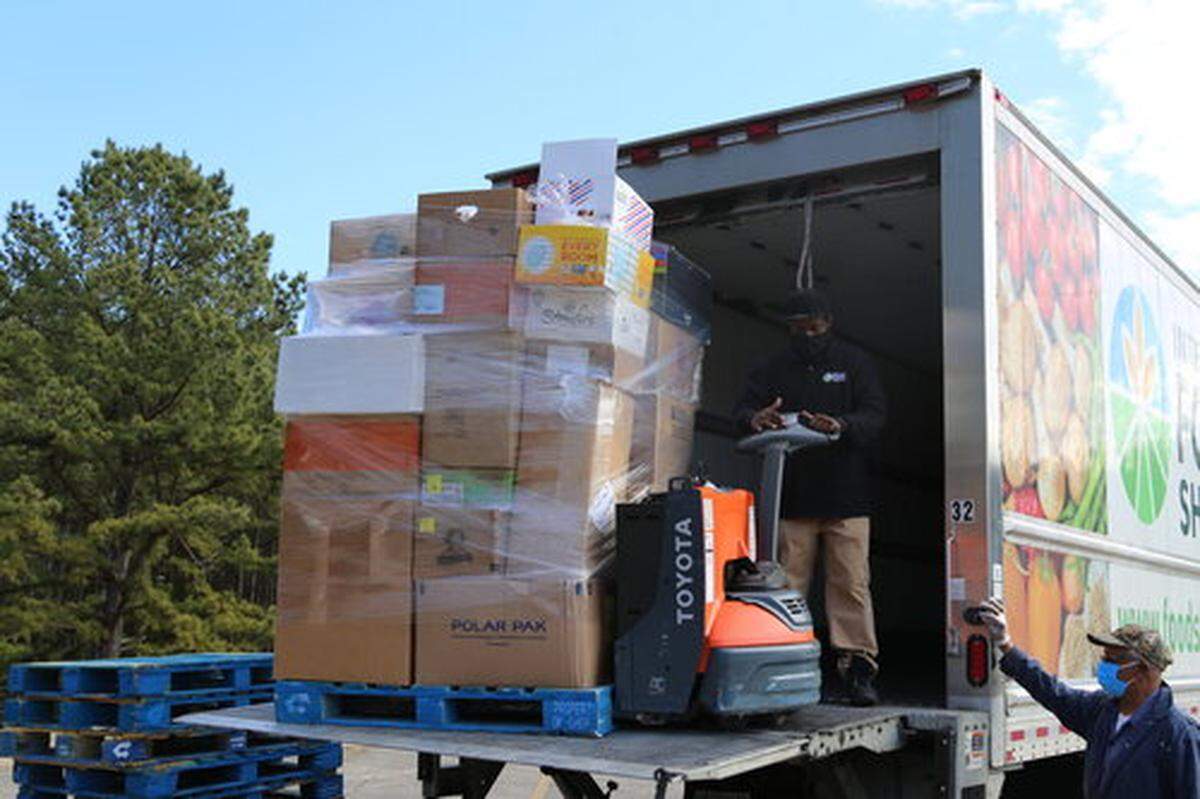
Where does grocery store waste go at the end of the day?
Almost every single national grocery store chain has a food redistribution program, helping unsold food make its way to people who need it.
We reached out to Harris Teeter and other national grocery chains, who said they participate in food redistribution programs across the country through the nationwide hunger relief nonprofit Feeding America.
“Ensuring we have extensive food donation and food waste diversion processes in place at every level of our business is part of living our purpose to enrich lives,” said Paige Pauroso, a Harris Teeter spokesperson.
The Food Bank of Central & Eastern North Carolina and the Inter-Faith Food Shuttle are two major players in the food redistribution cause in our region. They operate on regular schedules to pick up leftover food from grocery stores at the end of the day, working in tandem with food pantries, soup kitchens and other hunger relief efforts.
Feeding America supports both organizations in establishing relationships with retail chains, said Caitlin Cohn, director of network strategy for the Food Bank.
The Food Bank and Food Shuttle have “regular check-ins,” assessing programs and determining coverage plans for new grocery stores popping up in the region, she said.
“This is what you don’t see at the grocery store, because they do it so well,” Ron Pringle, the Food Shuttle’s CEO, told The N&O.
“It’s a hidden process, going through the back door and turning over grocery store shelves in an inconspicuous way. There’s a whole process with accountability in mind, making sure there’s a local food bank to receive it and getting it on the plates of the many who need it.”
Note: If you see a grocery store employee throwing out materials, like Pace did in Harris Teeter, that doesn’t mean the store does not participate in food recovery programs. In fact, Harris Teeter is a major partner for the Food Shuttle and the Food Bank, Pringle said, often providing enough food for multiple pick-ups a week.
“Sometimes, the manager just didn’t have the chance to talk about the program with a new employee. And since we follow such a robust system, we need to make sure the process is done right,” he said.
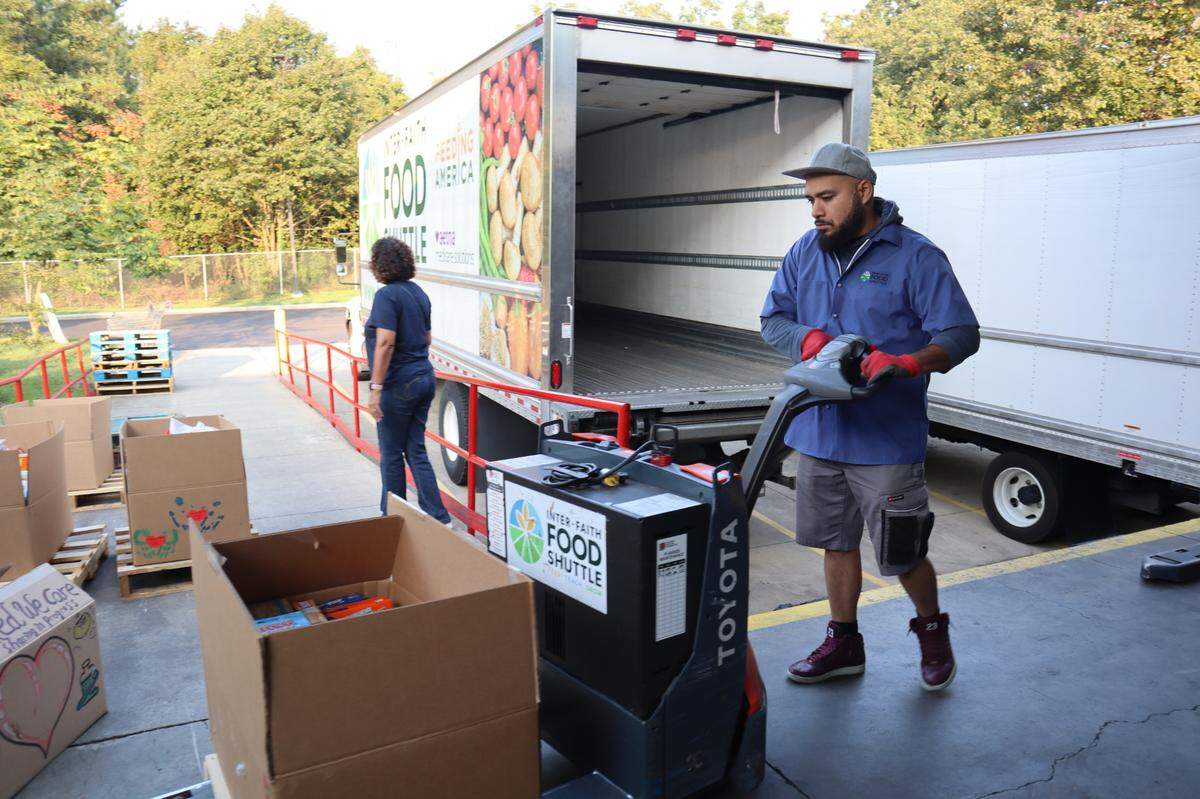
Grocery store and food bank partnerships in Raleigh, Durham
National food rescue and redistribution programs include a large number of grocery stores in the Triangle, said Brittanie Frieze, the Food Bank’s food partnerships supervisor.
The Food Bank covers 34 counties, partnering with grocery stores such as Aldi, Carlie C’s, Food Lion, Harris Teeter, Publix, Sam’s Club, Sheetz, Starbucks, Target and Walmart.
About 500 donors actively donate to the Food Bank’s Retail Donation Program, Frieze said.
The Inter-Faith Food Shuttle salvaged about 7 million pounds of food last year, which would have otherwise been thrown right in the garbage, Pringle said.
“[This program] has millions of pounds of food staying out of the landfill, which is huge, and its social impact has food making its way to someone’s table, meeting an immediate need,” he said.
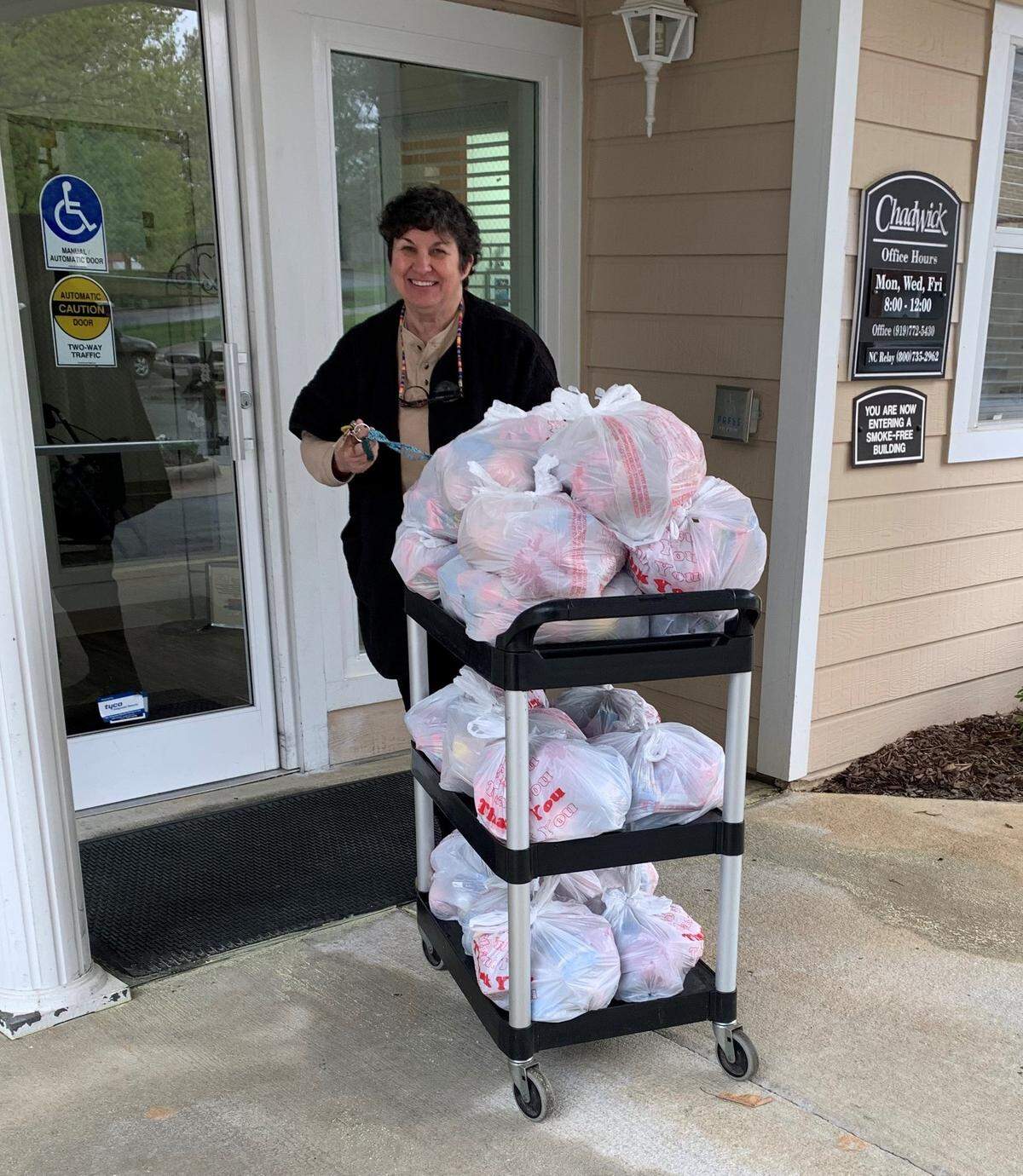
NC’s programs to pick up, distribute groceries across the region
The Inter-Faith Food Shuttle — based in Raleigh but in operation in and around the Triangle — runs a number of feeding initiatives.
These include picking up food from grocery stores on a regular schedule, dropping off supplies at local food pantries, running “mobile markets” to distribute fresh food to individuals and operating mobile food delivery services, such as for elderly members of our community, to bring necessary food to them.
Trained staff members, often with the help of volunteers, pick up food from partner grocery stores seven days a week. The Shuttle picks up food in a regular rotation, though stores give different quantities of food each time.
“It’s not a set amount, but it depends on the store’s volume. But at each one of these stores, we pick up from various departments — dairy, bakery, meat, produce. Each one has its own protocol on how they collect that product and store it until they get there,” Pringle said.
Accountability measures are at the forefront of these programs, ensuring all the local buildings for national chain grocery stores are doing what’s necessary to get good quality food to people who need it safely and efficiently.
“We pick up in bulk, and we redistribute in bulk. This could mean dropping items off at the local pantry or church or nonprofit,” Pringle said.
“It could be a soup kitchen, where the volunteers take produce and cook with it, or it could be a food pantry, where someone can come in and get the items that they want. And some food pantries have home delivery services, too.”
Larger food pantries in the region, such the Durham Community Food Pantry (which is run by Catholic Parish Outreach), also directly pick up from grocery stores in the region, said the pantry’s regional director Barkley Sample.
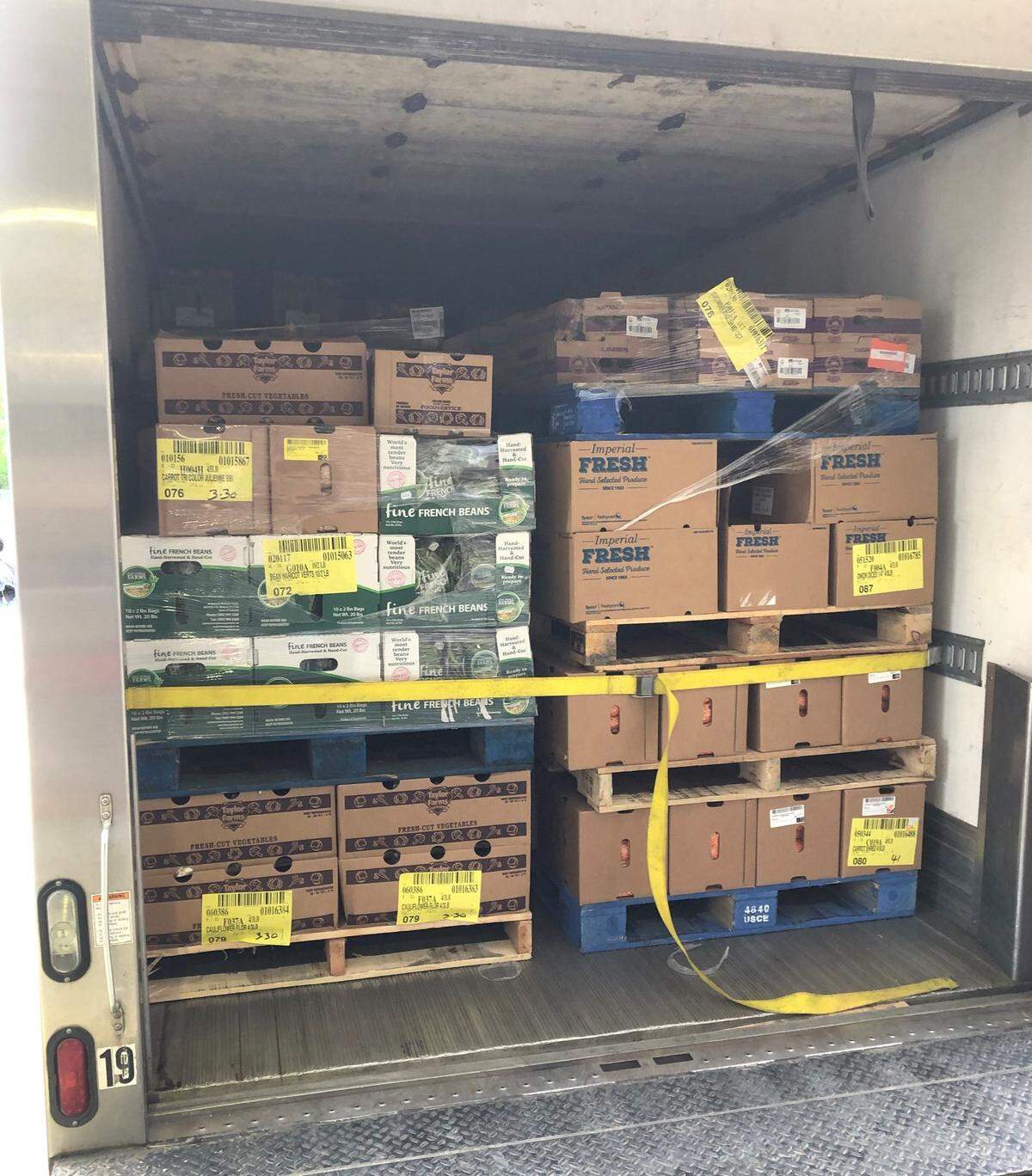
Do all grocery stores have food donation programs?
No, but the vast majority of them do.
Nearly all chain grocery stores have corporate partnerships at the national level, making sure all their locations take part in distribution programs with local partners, Pringle said.
Small, independent grocery stores sometimes choose not to participate in these programs, mostly citing liability concerns.
“They’ll say, ‘It’s a great idea but I don’t want someone to sue me,’ just not knowing what’s involved within the official program,” Pringle said.
“We have approached some grocery stores that are locally owned, and they eventually participate. And that’s because we reached out and made the partnership, talking about accountability measures and protections, and they felt comfortable and signed up.”
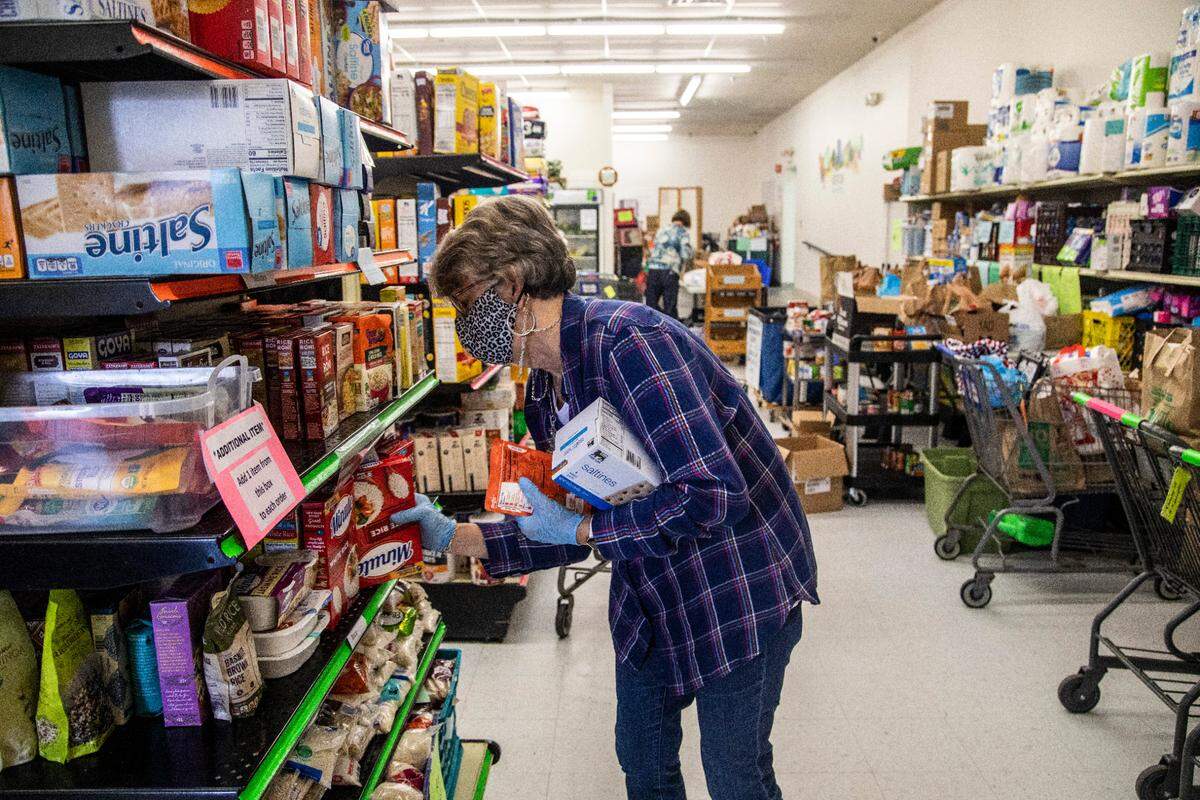
How to volunteer with hunger efforts in Raleigh, Durham
Both the Food Shuttle and the Food Bank rely on volunteer efforts to keep their operations running smoothly and effectively. If you’re interested in volunteering, here’s what you can do:
Inter-Faith Food Shuttle: Visit foodshuttle.org/volunteer to learn the many different ways you can volunteer in their efforts. There are frequent individual and group opportunities to get connected.
Food Recovery & Distribution programs can include “assisting drivers, inspecting eggs, sorting food donations or helping in other ways.”
Food Bank of Central & Eastern North Carolina: Visit foodbankcenc.org/get-involved/volunteer to find your closest branch (there are six, including ones in Raleigh and Durham) and learn about opportunities to get connected.
These large organizations work with smaller food banks, food pantries, soup kitchens, home delivery services and more to ensure necessary food makes its way to those who need it. If you want to volunteer with those smaller, local groups, you can get in touch with the Food Shuttle or Food Bank to learn where you can volunteer near you and how to get in touch with those groups.
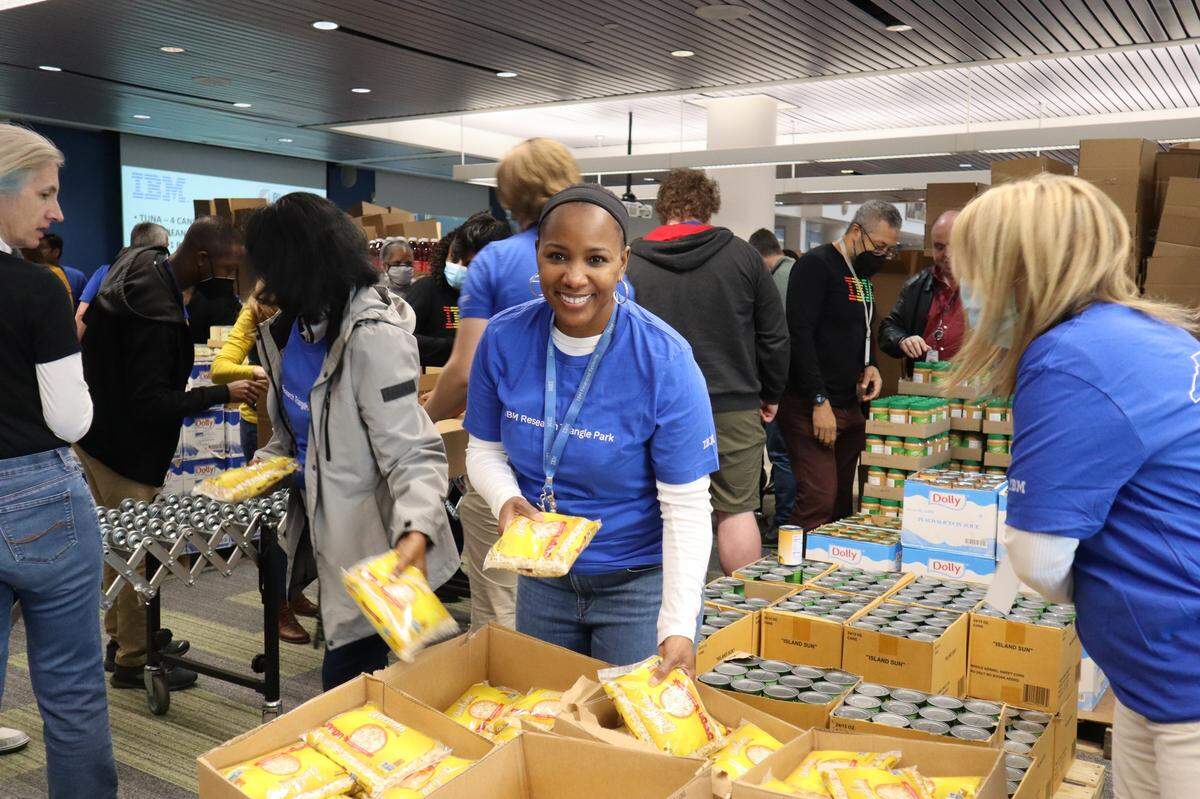
How to receive food in Raleigh, Durham
Here’s what The N&O previously reported in a package about food pantries in the Triangle:
Step 1: Identify the food pantries in your area.
You can check in with your place of worship or nearby schools, or you can use The Food Bank of Central & Eastern North Carolina’s Food Finder website tool to find pantries in or near your zip code: foodbankcenc.org/food-finder.
Step 2: Check out the pantry’s website.
Here, you can learn when the pantry operates, what kind of food they distribute and if you need to sign up ahead of time to receive their services.
Make sure you check out eligibility requirements and double check that this pantry can serve you.
Step 3: Visit the pantry on its distribution day.
Websites and social media pages will have this information. Pantries are typically only open a few hours a week, and distribution days can often be once a week or once a month.
Step 4: Follow instructions to get food.
You’ll either stay in your car and have food brought out to you, or you’ll park and go inside to “shop” (meaning you can decide what food you want to bring home, but you won’t pay for items like you would in a grocery store).
You can typically find out which model the food pantry uses ahead of time by visiting their website. When you arrive, food pantries will normally have signs for drive-through traffic and/or parking.
Step 5: Find out when you’re able to come back.
Different food pantries have different requirements.
Hope Community Church in Raleigh, for example, has families come back for more food and supplies every 30 days, while Urban Ministries of Wake County lets families come once a week.
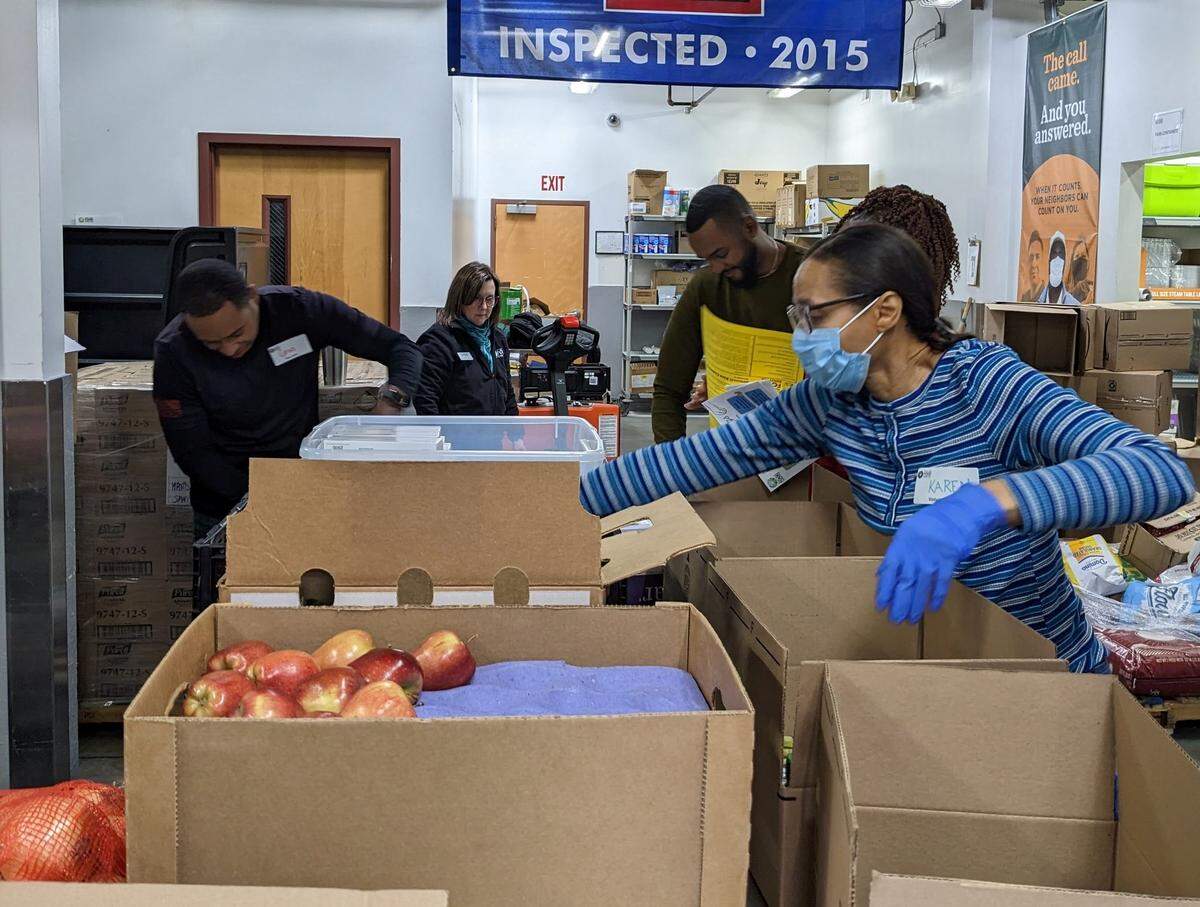
This story was originally published August 14, 2023 at 8:10 AM.