Why are so many homes getting torn down in Raleigh neighborhoods?
AI-generated summary reviewed by our newsroom.
- Raleigh, like many cities, is seeing teardowns in established neighborhoods
- Infill standards shape building size/placement; missing‑middle adds housing types.
- Raleigh had 252 demolitions in 2025; most were teardowns.
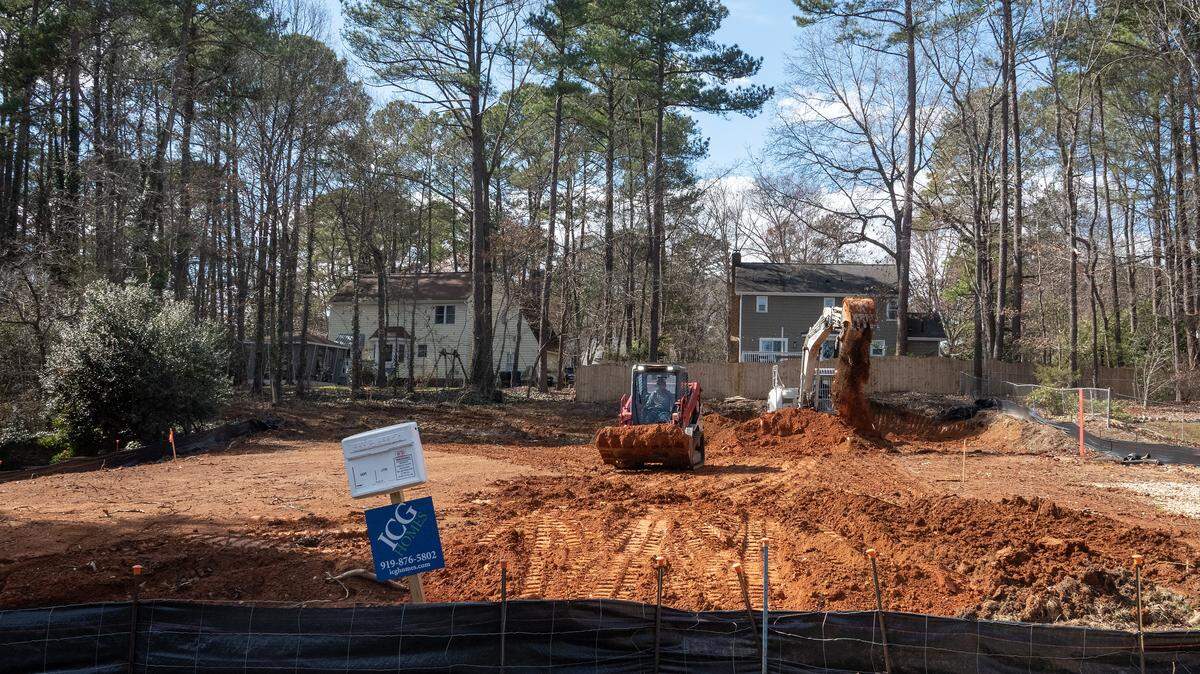
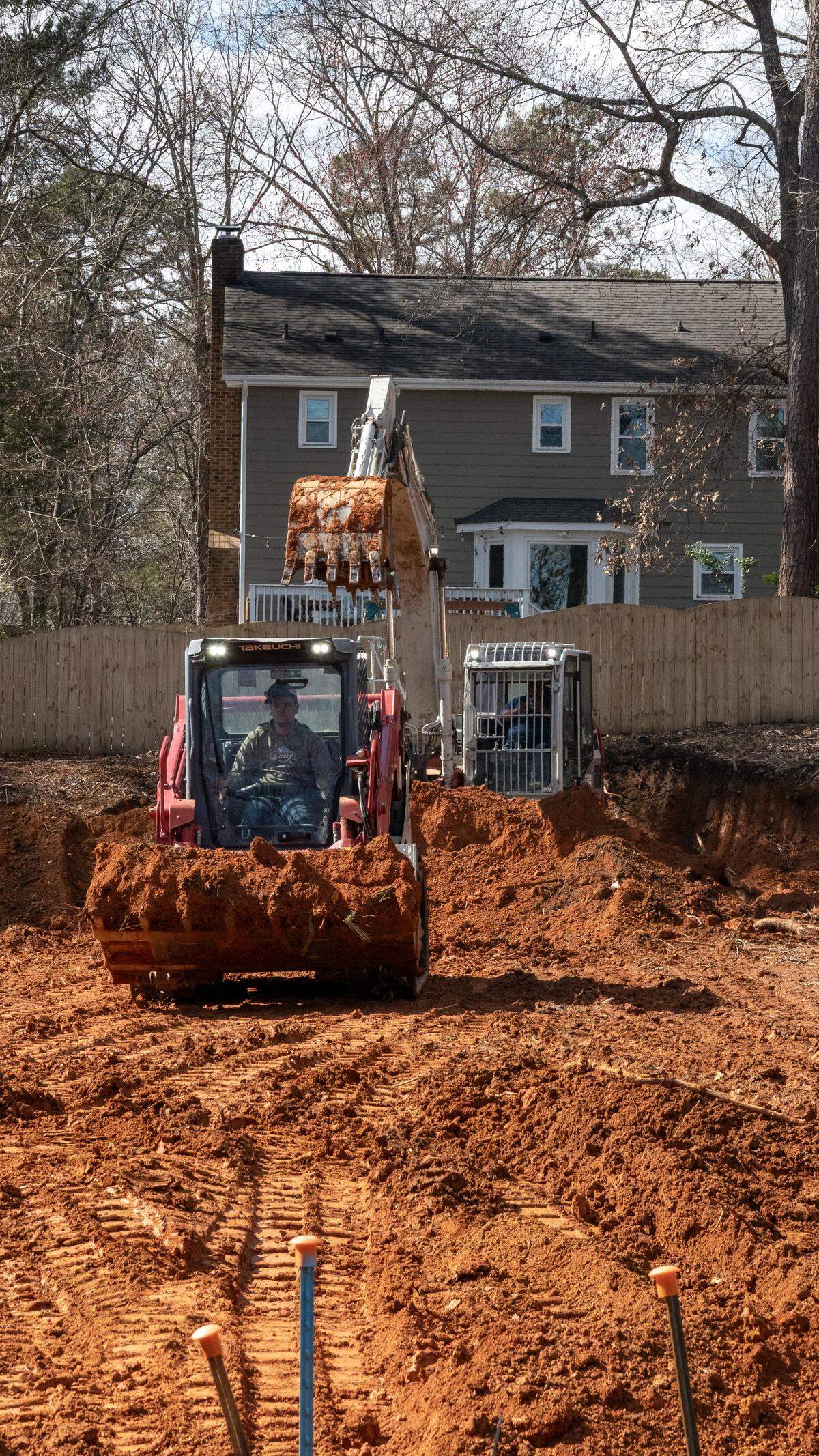
You’ve likely seen them: The orange silt fencing protecting a smattering of trees. First the red clay, then concrete. The dumpsters in driveways and yards.
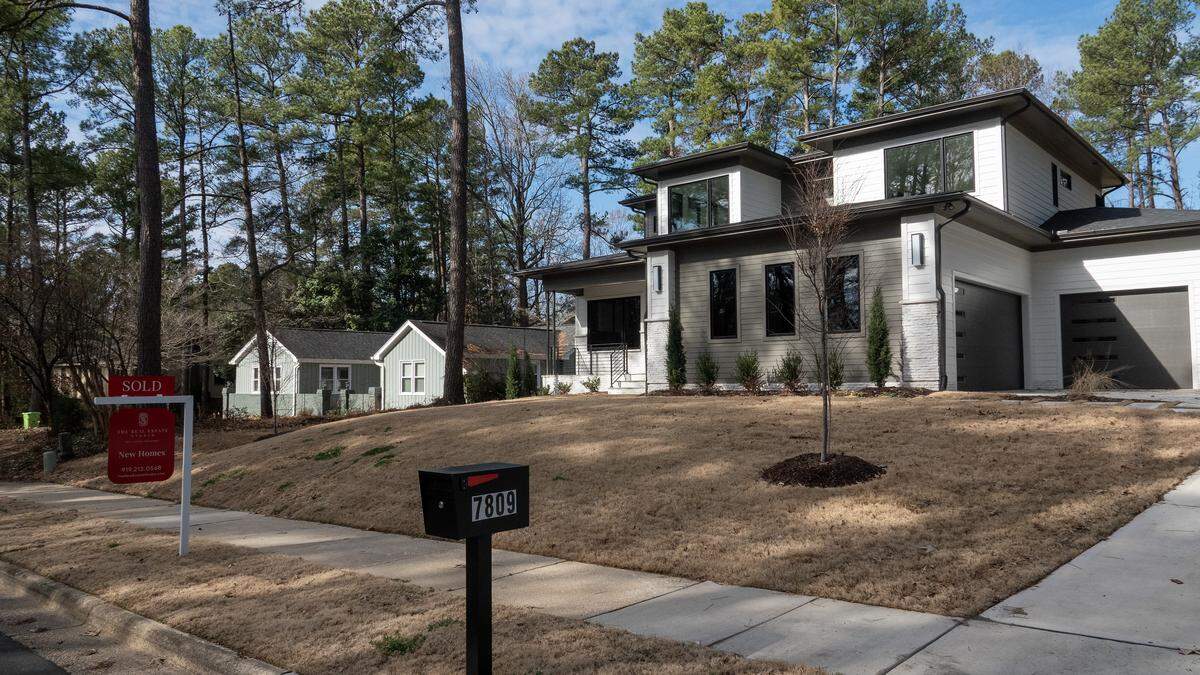
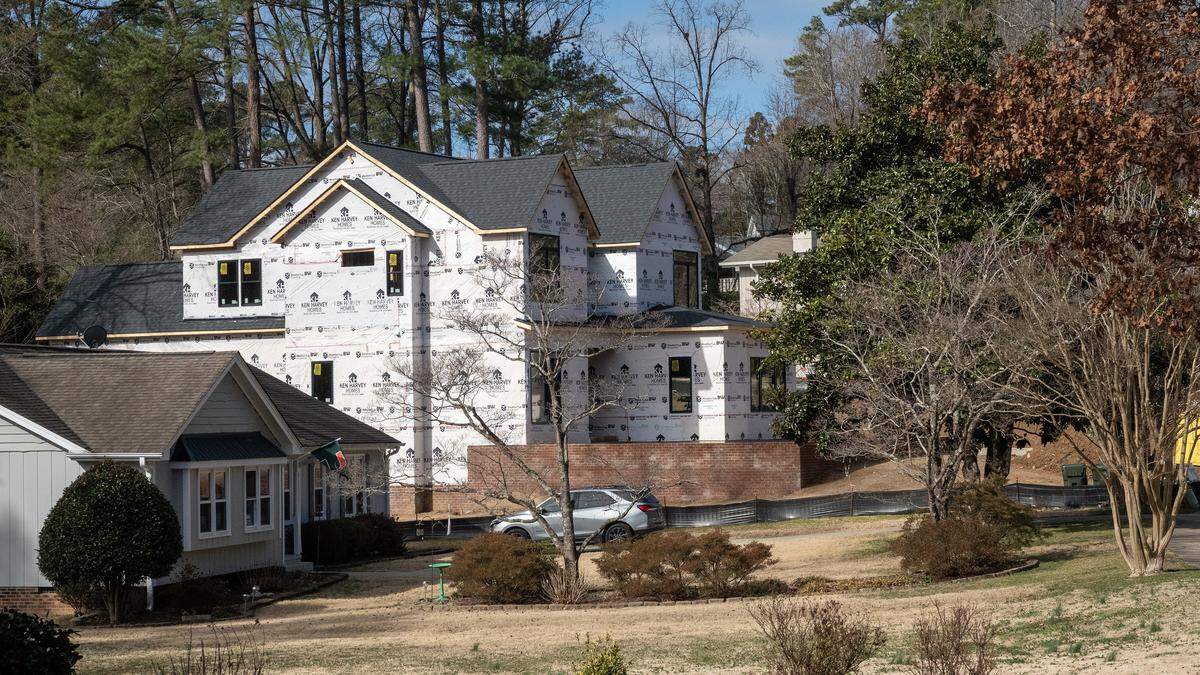
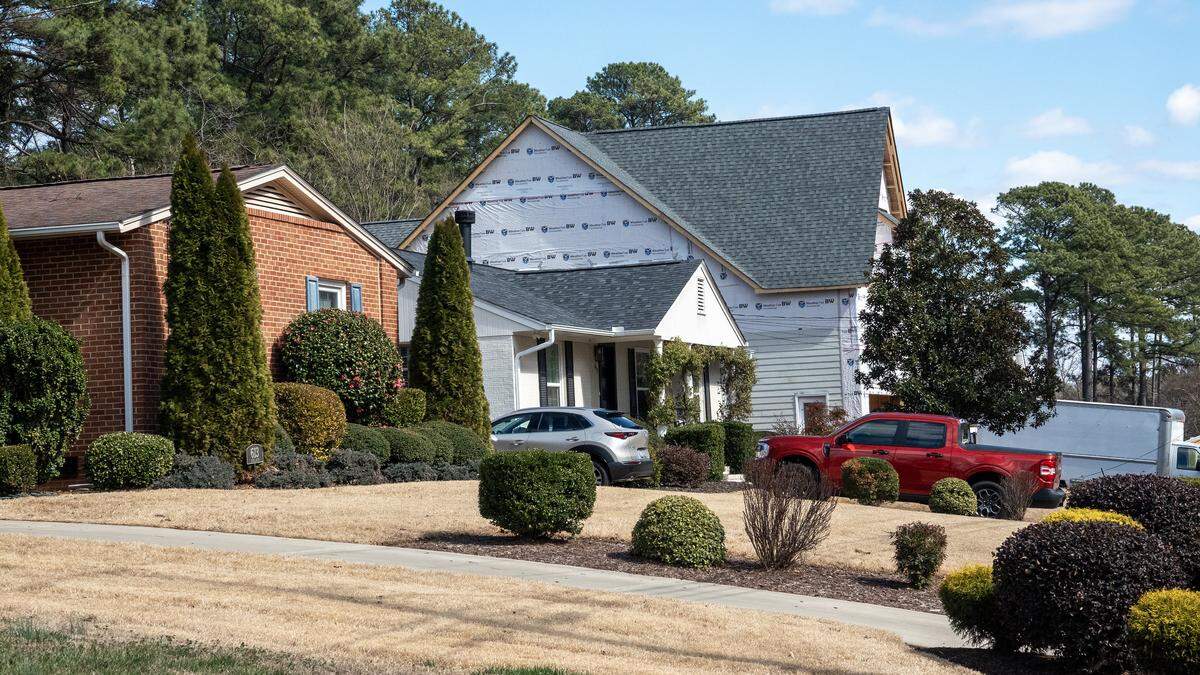
Modest, single-story ranch homes torn down to make way for massive towering new homes, doubling in size and value. Once it happens on one street, it’s not long before another will often pop up in the neighborhood.
Many take place in established, high-value neighborhoods inside the Beltline — but not always.
Demolishing a home to build a new one, called a teardown, is common in growing cities across the country including here in Raleigh. But why does it happen? It’s a mix of economics, zoning rules, land values and homebuyer taste.
There were 252 demolitions in the city in 2025, more than double the 124 demolitions in 2024 and 105 in 2023. Not all of those demolitions were teardowns, but most were, said Raleigh Planning Director Pat Young.
“Fundamentally what’s happening here is someone buying a home has three options,” he said. “Leave it and buy it ‘as is,’ they can rehabilitate it or modernize it, or they can tear it down and replace it. And I think what we see is it really is a matter of economics.”
The costs of buying a home in Raleigh
For a long time, Raleigh was a sleepy state capitol surrounded by tobacco fields. The city began rapidly expanding in the 1960s and 1970s after the construction of the Research Triangle Park.
Now, many of those homes have reached the end of their lifecycle, especially if the home hasn’t had major renovations, said Paul Kane, CEO of the Home Builders Associations of Raleigh-Wake County. Trying to make major repairs or renovations can require a homeowner to bring the entire house up to code, adding to the expense.
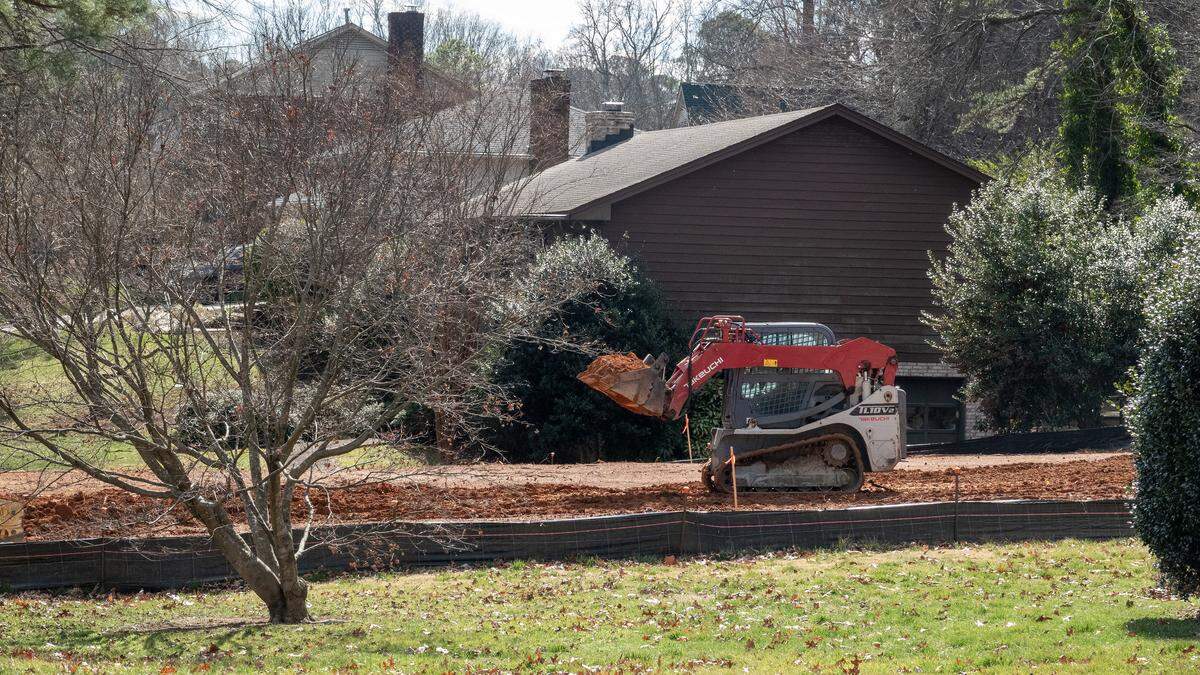
There are also more regulations that developers and builders have to follow, he said.
“(Environmental Protection Agency) requirements, Fish and Wildlife requirements, Clean Water Act requirements, stormwater drainage needs, things that are all arguably good, but they cost money,” Kane said.
Another factor is all the components that add up to the cost of a home: construction materials, lenders, underwriting, comparing prices of other single-family homes in the area.
“Teardown comes back to development math,” said Jennifer Truman, an architect who advocates for additional housing. “And I think most people find development math confusing because they have an assumption that there’s just a maximizing of profit involved. But the reality in developer math is there are a lot of players involved in everything.”
Running out of space
Raleigh, and Wake County, is running of new space to build homes forcing many developments to look into neighborhoods.
“The scarcity of land becomes an enormous factor in the economics, in the availability and whether or not it makes sense to tear down a house in a part of town you love, versus maybe having to move out of county because there’s just not much good developable land in Wake County anymore,” Kane said.
Raleigh has zoning rules for homes built in an already developed area, often called infill development because it fills in the gaps between developments.
“Infill standards are designed to have new construction be compatible with the character of existing construction,” Young said. “It’s really to maintain neighborhood character to ensure compatible building size, height and placement, manage transitions between old and new development.”
But that doesn’t mean the homes will look the same or be the same size. Homeowners, in general, want larger homes, Young said, adding the average size of homes is much larger than previous decades.
Missing middle changes
For a long time, only single-family homes could be built in most residential areas. However, city leaders passed zoning reforms to allow for missing middle housing, a type of housing that falls between single-family homes and large apartments.
“The average price of a single family, brand-new home inside the beltline is about $1 million or $1.1 million,” Young said. “(Since missing middle), there’s been a huge increase in the number of two-unit townhomes that are kind of side-by-side for $550,000 to $700,000. It’s still expensive, of course, but you’re housing two families rather than one, right?”
However, the city doesn’t have enough data yet to see if missing middle regulations are preventing teardowns.
“We are committed to working with scholars to research that because we don’t want to accelerate or encourage teardowns for sure,” Young said.
Neighborhood change
Michael Lindsay knows he’s lucky to live in Forest Park, the historic neighborhood near the Village and downtown that he’s called home since 1984.
He doesn’t think all teardowns are bad, but it’s still a “shame” and “waste” to see homes torn down and hauled off. But, he said, he sometimes knows it’s inevitable.
“Another recent teardown, about four years ago, and the new owners said they had way too much to repair to be done to justify a renovation the way they wanted so they thought it would be better to start from scratch.”
Forest Park has a Neighborhood Conservation Overlay District, a zoning district that regulates lot sizes, building setbacks, building height and permitted uses to keep a neighborhood uniform. It can’t dictate building style, materials used, tree preservation or other qualitative features.
Lindsay recommends neighborhoods consider an overlay district, and the district has been helpful to their neighborhood. Recently, they had a developer who wanted to tear down one home and wanted an exception to the overlay district to build two homes in a configuration not allowed by the district.
“Because of the overlay district, our neighborhood engaged with them and with the city staff, and we came up with a solution that the new owners are happy with and our neighborhood is happy with, and it matches the urban context that surrounds where they’re going to build these two homes.”
But those type of overlays can force development into other areas.
“We need change within Raleigh neighborhoods,” Truman said. “Because we are a growing region, it’s not whether people will move here or not. That’s a false choice. The choice is do we tear down and change incrementally (on) lots one at a time within the city, or do we sprawl? Do we go out to Clayton? Do we go out to Johnston County? Do we go out to Garner and build whole neighborhoods where we replace whole farms and we replace thousands of trees?”
This story was originally published February 26, 2026 at 3:34 PM.