How to help your lawns and landscapes survive North Carolina’s drought
AI-generated summary reviewed by our newsroom.
- Nearly half of the state is in severe drought; parts are in exceptional drought.
- Turfgrass generally needs about an inch of water per week to remain green.
- Experts advise raising mower height, avoiding fertilizer and watering early if allowed.
Patches of brown and yellow. Bare and balding spots. Grass blades flattened or curled.
Lawns throughout North Carolina are struggling during the state’s long-term drought.
Nearly half of the state is in severe drought, with parts of central North Carolina and the Triangle, in exceptional drought, the worst drought rating. More than 100 water systems have mandatory or voluntary water restrictions related to the drought, and some cities are issuing fines for violators.
Turfgrass, on average, needs about an inch of water a week to keep it green. We spoke to three experts about ways to help North Carolina lawns (and gardens) survive the drought.
“A lot of people don’t give grass the credit it deserves, and the fact that it is quite drought tolerate, it doesn’t need a lot of water to stay alive,” said Grady Miller, professor and extension turfgrass specialist. “Now, some of our grasses need more water than others to stay green, and most people who want an impact lawn, an attractive lawn, they want it to be green. So that’s kind of where the issue sometimes comes around. Are you watering it to keep it alive? Or are you watering it to keep it green?”
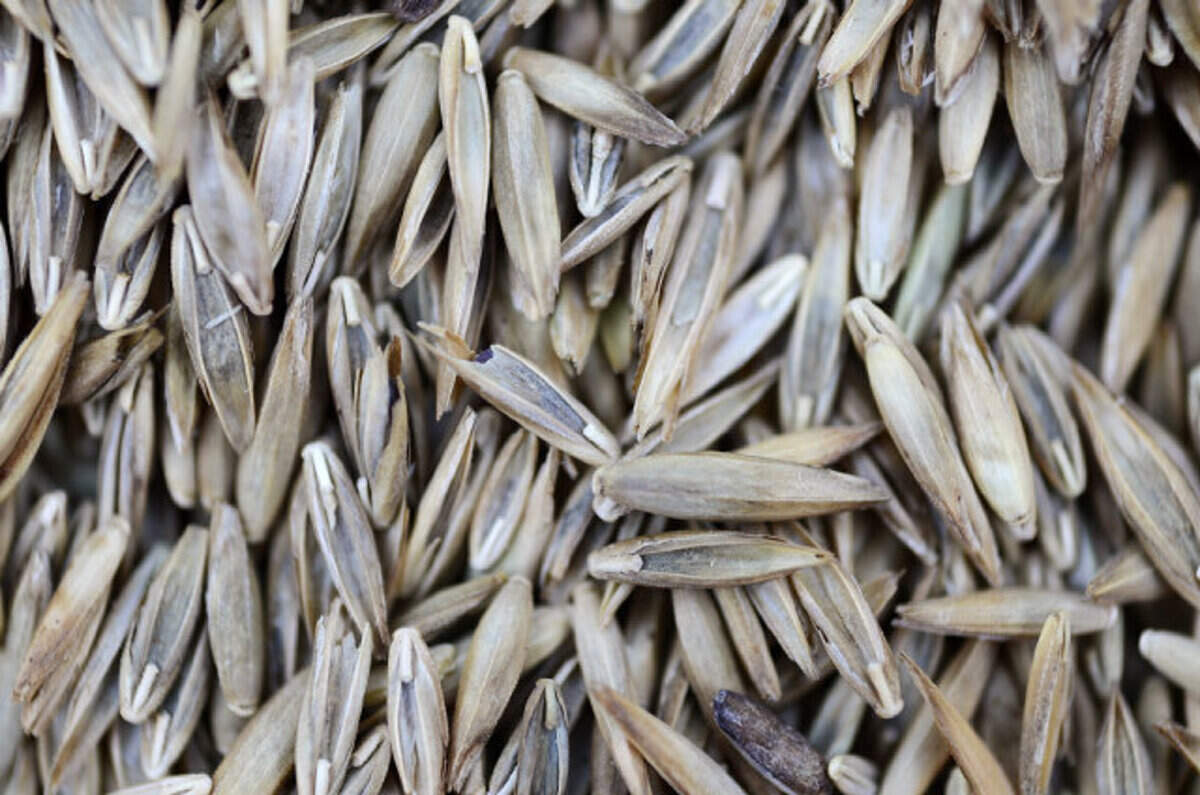
Popular grass in NC
There are two different types of grasses: cool season and warm season.
Cool season: These types of grasses stay green in the winter and colder seasons, and they struggle in the summer. Tall fescue, Kentucky bluegrass, fine fescue and perennial ryegrass are common cool-season grasses in North Carolina, especially in the mountains and Piedmont.
Warm season: These type of grasses stay green in the summer and go dormant during the first heavy frost. Bermudagrass, zoysiagrass, centipedegrass and St. Augustinegrass are common warm-season grasses in North Carolina, especially in the coastal plain and piedmont.
Most of North Carolina, including the Triangle, is in the transition zone where winters can be too cold for some warm season grasses and summers are too warm for some cool season grasses.
“That sounds like we can grow anything,” said Ashley Troth, Cooperative Extension Agent and Consumer and Commercial Ornamental Horticulture. “It actually means we can’t grow anything well. It’s actually very hard, right? It’s very hard to keep a lawn around here. There’s a reason you and your neighbors’ lawns look the way they do.”
Drought-resistant grasses
Tall fescue, zoysiagrass, Kentucky bluegrass, bermudagrass and Bahiagrass all have an excellent or very good rating for drought tolerance, according to the North Carolina Extension Gardener Handbook.
But the grass variety’s drought resistance is just one factor, Miller said.
“Personal preference and price does come into play, but even more than that, is environmental,” he said. “Is what you’re planting these grasses in conducive for that grass?”
For instance, a homeowner may not want to switch from tall fescue to a more drought resistant grass because of the layout of their yard.
“Let’s say you have an older lawn with mature trees, and you have tall fescue,” Miller said. “You probably have one of the more shade-tolerant grasses already. So if you want to switch to a warm season grass, you may not have the greatest environment to put one in.”
But many people switched from tall fescue “being the standard” after the historic state drought in 2007-08, he said.
Other tips to protect your lawn during an NC drought
Follow water restrictions, and water early in the morning, if allowed.
Don’t put out fertilizer or herbicides, because that can encourage growth, which causes stress during a drought, Miller said.
Avoid mowing or raise the mow height of the blades to avoid stressing the grasses.
“Unless you’re pruning out dead or damaged wood, it encourages growth,” Troth said. “And the last thing we want to do right now is encourage growth. Like if a plant can just like hold on and not grow but not die, that’s great.”
How to help your garden during the NC drought
Understand the basics of water irrigation: There are at least two things a gardener needs to know about their plants: how much water the plant needs to survive and how much water the soil can contain.
Cover your soil: This helps the little bit of water not evaporate. That can be either mulch or pine straw, said Emmanuel Torres, assistant professor of horticultural sciences and extension specialist. Home gardeners should consider organic mulch, he said, and commercial farmers can consider white mulch over black to help control the evaporation of water.
Soil moisture sensors: These “little gadgets” help tell how much water is in the soil, Torres said, adding they can range in price and accuracy.
Contact the Cooperative Extension: The NC Cooperative Extension Master Gardener volunteers can answer common gardening questions and provide research-based information to your questions. Find contact information for all 100 counties online at sites.google.com/ncsu.edu/garden-questions/home.