
Hydrilla rapidly spreading in Eno River
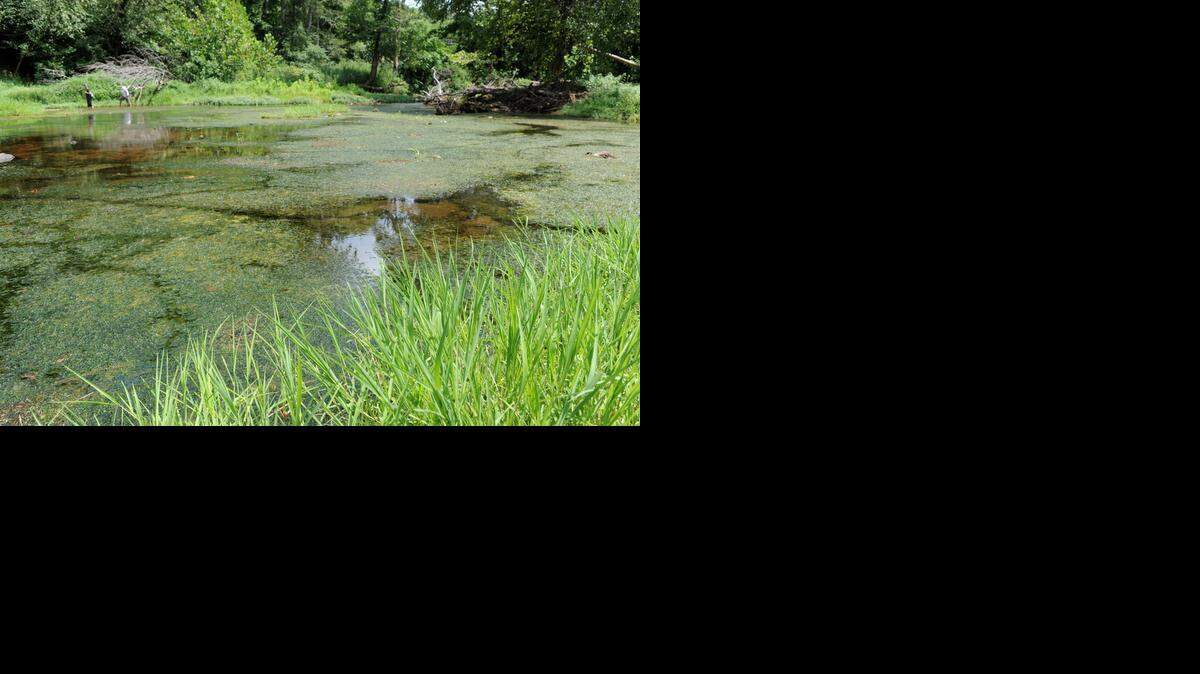
The invasive aquatic plant hydrilla is moving down the Eno River at a rate of 1 mile per year and could begin to hamper boating and other recreational activities in Falls Lake in 12 years, according to researchers at N.C. State University and the N.C. Division of Parks and Recreation.
Hydrilla is a submerged spiny plant that grows in tight mats, becoming a nuisance for boaters, swimmers and recreational fishermen. It often suffocates native vegetation and animals such as mussels, snails and fish and can clog intake pipes for drinking water and irrigation.
A task force of state and local governments is seeking ways to prevent the spread of hydrilla in the Eno, starting with a public education campaign at Eno River State Park. The plant splits easily, leading to the growth of new plants, which spread as fragments float downstream or are carried by boaters and fishermen.
“The hydrilla density has gotten so bad, it is impacting human use and other organisms” in the Eno, said Rob Richardson, assistant professor of crop science at N.C. State University and an aquatic weed scientist.
Hydrilla originated in central Africa and Australia and was initially brought to the United States as an aquarium plant. It was first discovered in North Carolina in Wake County’s Umstead Park in 1980. The most recent published statewide report on the plant came out in 1992, indicating that 51 new locations of hydrilla had been discovered within nine years, mostly in Wake and surrounding counties.
In the Eno, hydrilla seems to be most concentrated around Guess Road and the eastern end of Eno River State Park. It’s thought to have gotten into the river from Lake Orange and West Fork Eno Reservoir upstream.
Hydrilla could potentially block intake sources for drinking water and irrigation. Ed Buchan, environmental coordinator for Raleigh’s public utility department, says the city is aware of hydrilla’s approach to Falls Lake, the city’s main supply of drinking water, but says its intake pipes are 40 feet deep, below where the plant flourishes.
“Our approach is to keep an eye on it,” Buchan said. “If it ever gets to a point where it is going to explode in growth, we’ll treat it chemically.”
Other lakes in Eastern North Carolina, such as Lake Waccamaw, Lake Gaston and Lake Benson, have also suffered from hydrilla. In Lake Gaston, the cost of hydrilla management has reached up to $1 million.
Richardson said hydrilla can carry bacteria harmful to birds, but he said most of these cases have been found farther south.
“At the moment, we are not aware of any human diseases caused by it,” he said.
Possible solutions
Eno River Hydrilla Management Task Force, which aims to halt the spread of hydrilla, includes officials from Durham and Orange counties and state and federal agencies. Richardson, a member of the task force, says it will consider each method of control, taking into account environmental concerns and their effectiveness on each site.
Potential treatments include introducing grass carp, a non-reproductive fish that feeds on hydrilla, or using federally approved herbicides.
Hand removal will not work because of the plant’s rapid spread, said Rob Emens, manager of the aquatic weed control program with the N.C. Department of Environment and Natural Resources. Emens said Eno River State Park organized a volunteer project to weed out a section of the river in 2011, but a month later, the river was inundated again.
Several research projects in conjunction with NCSU are still underway to determine how hydrilla can be controlled, including tagging and monitoring of grass carp, Richardson said.
The biology of hydrilla differs in rivers and reservoirs, and treatments can differ as well.
“It’s a fairly complicated situation with a lot of intricacies,” Richardson said.
For the public, park officials recommend reporting concentrations of hydrilla, as well as simply cleaning off boots, tackle, equipment and boats before transferring them between bodies of water. Hydrilla can grow from a single fragment and can spread rapidly when hanging from recreational equipment.
This story was originally published September 10, 2014 at 7:46 PM with the headline "Hydrilla rapidly spreading in Eno River."