
20 acres of ‘sadness and hope’: Will historic Black neighborhood see new chapter?
From her front porch, Brenda Bradsher can see the chain-link fence separating Grant Street from 20 acres of weeds and crumbling cement.
She wants to see the land razed to the ground, and in its place, new houses, a grocery store and a community center. On sunny days she walks laps in the parking lot of a nearby church, but the 75-year-old said she’d prefer to do her exercise in a swimming pool.
“Some (place) we can go walk to, see friends, sit down and play bingo,” said Bradsher, who’s lived in a part of Durham’s Southside known as Hayti her whole life. “Do a lot of stuff that we can’t do now because we don’t have anywhere to go to do it.”
The vacant land by her home, often called “Fayette Place,” is the former site of the Fayetteville Street public housing complex. Since its construction in 1967, it has been sold to developers, demolished, bought back by the Durham Housing Authority, and earmarked for housing projects that never came to fruition. The property has remained bare since at least 2009.
But it is now the focus of a new kind of redevelopment project, one that could involve Hayti residents in the planning process.
Henry McKoy, a professor and director of entrepreneurship at the N.C. Central University School of Business, is applying for a $20 million grant with the Kellogg Foundation to invest in a broader “Hayti Reborn” effort.
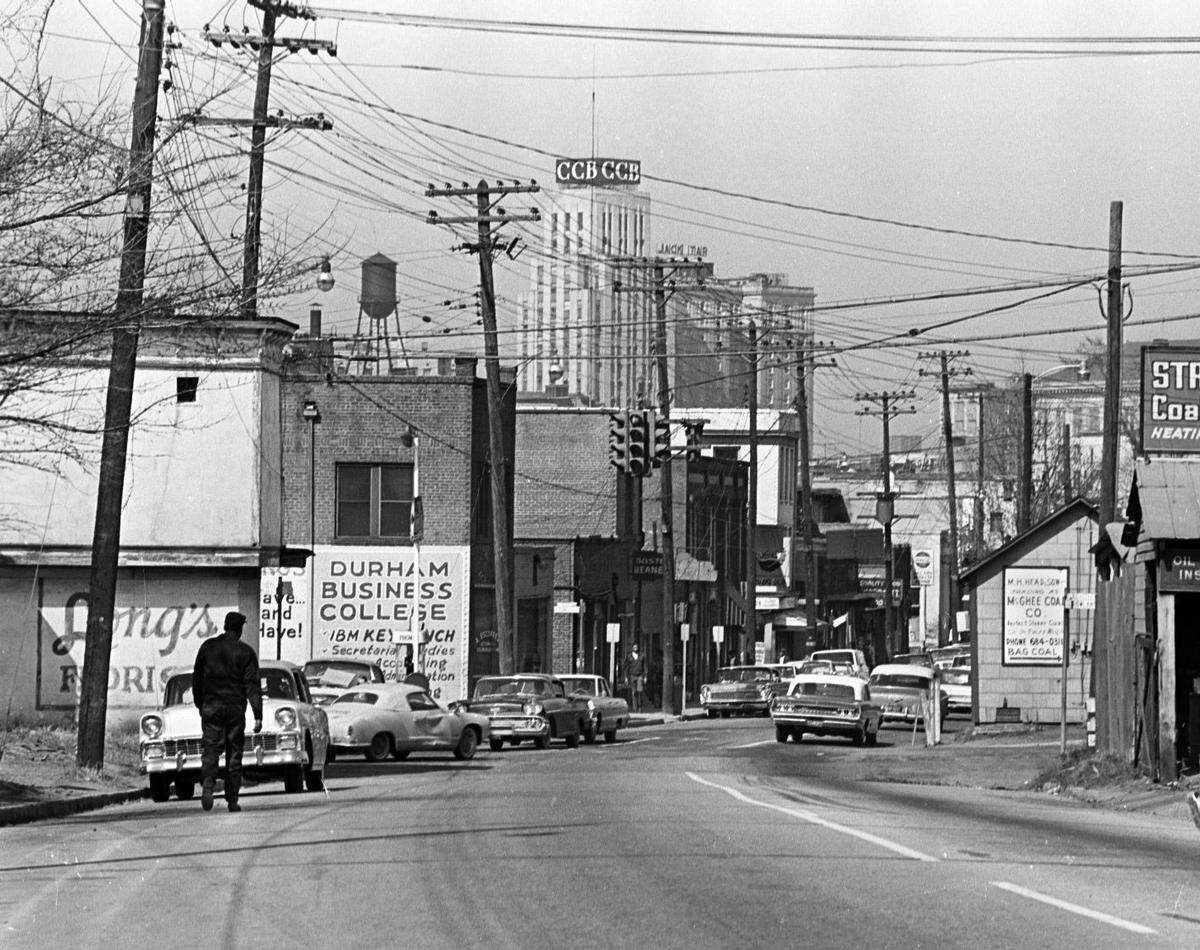
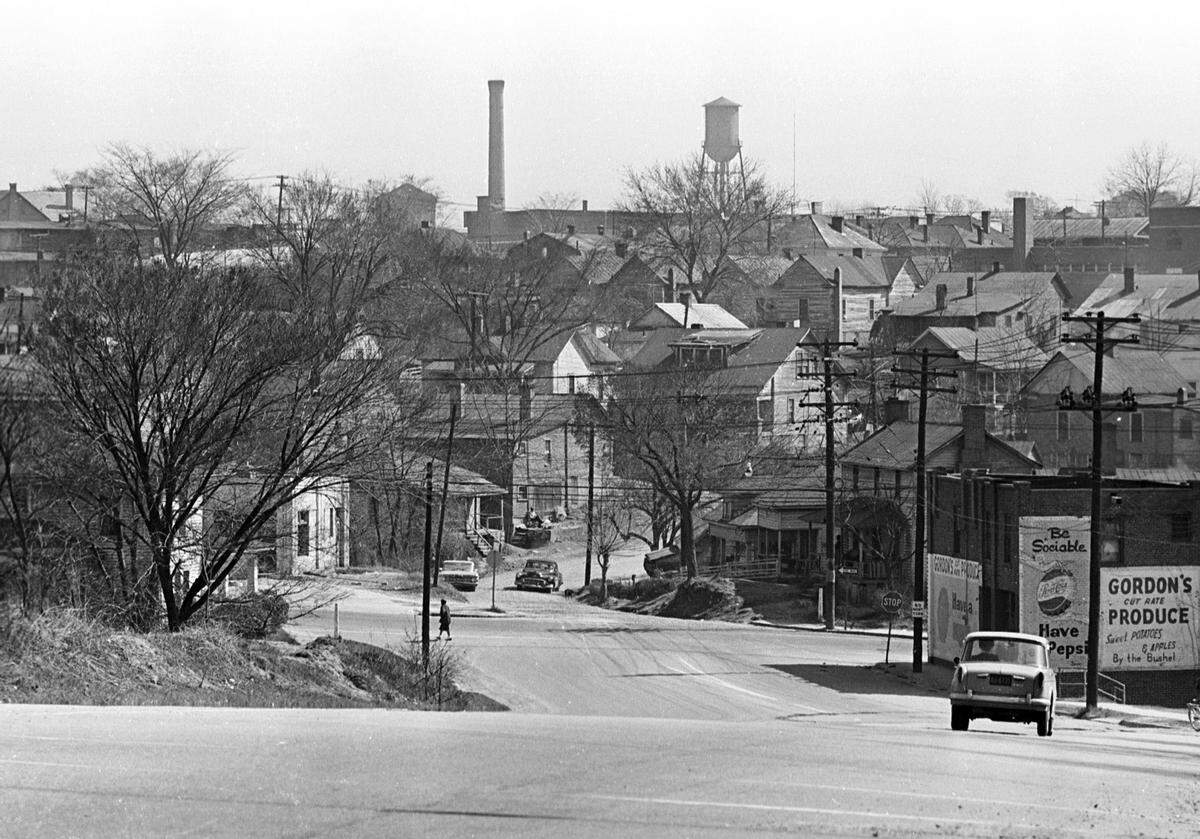
If successful, it could bring a new chapter to the historic neighborhood, once one of the South’s most flourishing hubs of Black-owned businesses, until an Urban Renewal project decimated the area in the 1960s.
The grant would build on $200,000 from the William R. Kenan, Jr. Charitable Trust and another $100,000 split between Durham County and the city.
The overall goal, McKoy said, is to build wealth and autonomy in Hayti, with Fayette Place a focal point.
“Can it be a model for what real, equitable development looks like? Where people actually are able to benefit from economic development without being displaced, without being pushed out, without having to kind of watch from the sidelines as spectators?” McKoy said.
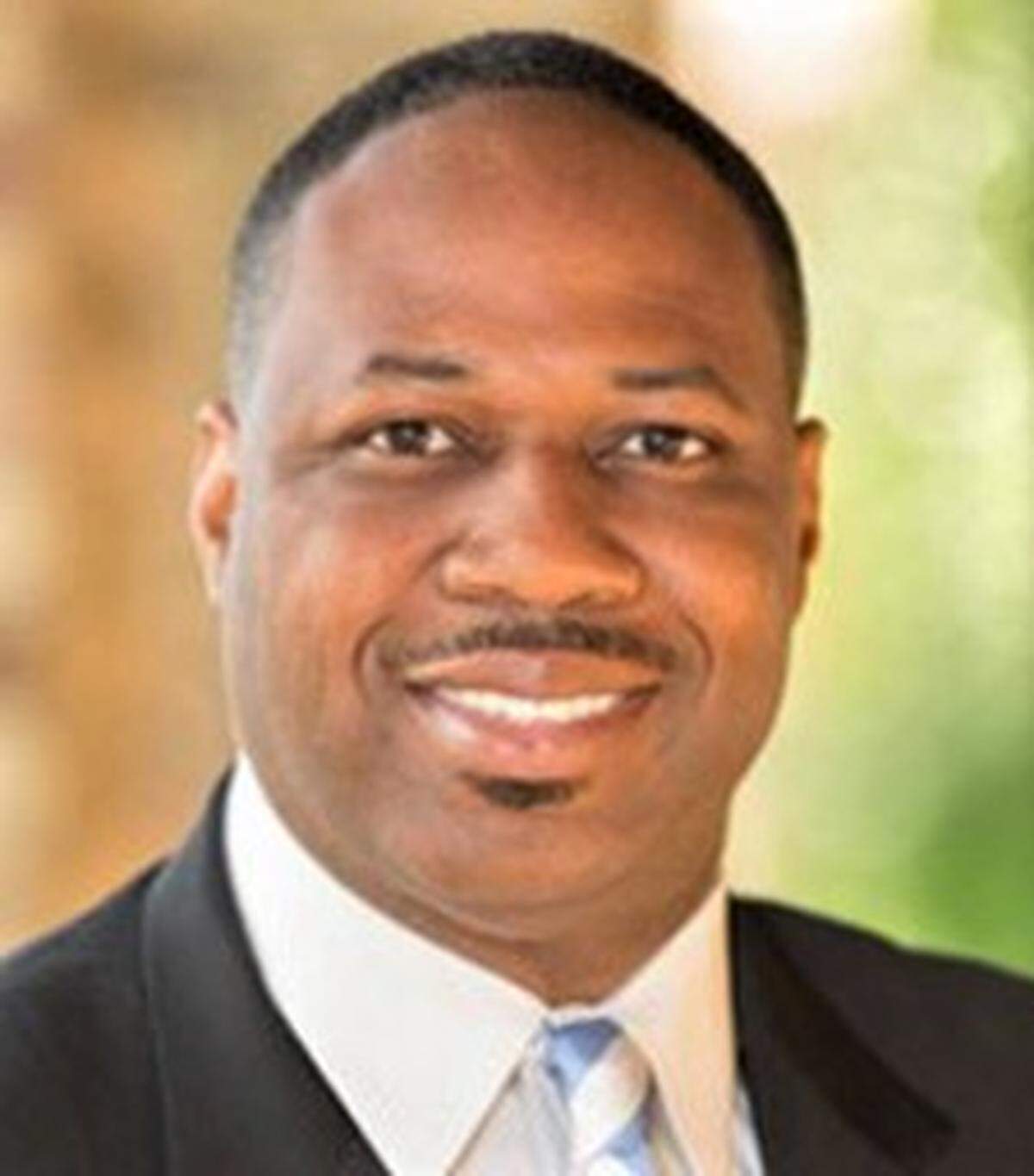
His supporters include N.C. Central University, which borders the neighborhood to the south, housing authority director Anthony Scott, and Mayor Steve Schewel, in addition to Hayti community members.
“Durham has, I think, a mentality, has a population, has a will to move towards equity,” said McKoy, who was North Carolina’s assistant secretary of commerce under Gov. Beverly Perdue. “I think there’s an opportunity to really shine a light on that.”
Not like Tulsa’s Black Wall Street
McKoy distinguishes the “Hayti Reborn” effort from the development occurring in other historically Black neighborhoods, like the Greenwood District in Tulsa, Oklahoma.
Redevelopment in Greenwood has brought restaurants and tourist attractions to Tulsa’s historic Black Wall Street, but the commercial activity has largely lined the pockets of white-owned firms, the Washington Post reported.
It’s the kind of pattern he’s seen play out in gentrifying, historically Black neighborhoods across the country, he said.
“I’ve seen projects that, you know, may put up a park and they may name the park whatever the historic Black community was, things like that,” he said. “But to me, that’s like creating a representation that you were here, but it’s not making any kind of provisions for you to actually be there and be a part of it.”
Angela Lee, the executive director of the Hayti Heritage Center, attended a conference in Tulsa two years ago.
“It’s not redeveloped to elevate the Black community,” she said. “It looks really nice. There’s art and, you know, all sorts of shops and businesses there. But ...the only reason you know that it was once where Tulsa’s Black Wall Street existed was because of just knowing the history and seeing a few markers.”
She thinks Durham’s rapid gentrification could impact the Hayti community soon. Housing prices in Southside are already rising to the west of the Fayetteville Street corridor.
“If we’re not vigilant and diligent and careful, yes, what happened in Tulsa can certainly happen in Durham,” she said.
Bishop Clarence Laney of Monument of Faith, a church two blocks from Fayette Place, said Hayti residents want development in their neighborhood, but they want it done fairly for them.
“The last time the community was redeveloped, it displaced so many of the residents, many of them died waiting for the promise of Urban Renewal that never came,” he said.
Bradsher was in high school when her grandmother brought her to a neighborhood meeting between proponents of Urban Renewal and residents, she recalled.
She remembered how her neighbors didn’t initially support the proposal to build N.C. 147 (the Durham Freeway) over a swath of the area. But a well-known Black businessman in Durham backed the project after developers promised to rebuild homes for families displaced by the construction.
“That was the only reason that they said, ‘OK’,” Bradsher said. “And it didn’t happen.”
“Sadness and Hope”
The $20 million that McKoy hopes to secure would be part of the Kellogg Foundation’s Racial Equity 2030 global challenge, an international call for ideas on how to close the racial wealth gap.
National reports on inequality show the wealth divide between Black and white families has grown larger the last three decades.
The median Black family in the United States, with just over $3,500, owns 2% of the wealth of the nearly $147,000 the median white family owns, according to a 2019 report by the Institute for Policy Studies.
And between 1983 and 2016, the median Black family saw their wealth drop by more than half after adjusting for inflation, compared to a 33% increase for the median White household.
The Kellogg Foundation plans to give a total of $90 million globally to a mix of projects that could scale over the next decade and “transform the systems and institutions that uphold inequity,” according to the foundation website.
McKoy will turn in his application on March 11 and expects to hear back from the organization in the summer. Then, the Kellogg Foundation will narrow down the applicants to up to 10 finalists who will receive a $1 million planning grant to fine-tune their ideas and strengthen their applications.
Afterward, the foundation will select three recipients for $20 million grants. The entire process could take up to a year.
A $20 million grant would not be enough to cover Hayti’s and Fayette Place’s needs, McKoy said, but it could help to draw more investment later on.
In 2019, Schewel said it is hard to obtain private investment for the property, though he vowed to create a plan for Fayette Place within four to six months, The N&O reported. Those plans have yet to materialize.
When Lee drives by Fayette Place, she said she sees “sadness and hope.”
“It’s sad to think that all of the promises that were made and the grand plans that were presented were never realized,” she said. “And on the other hand, you’ve got almost twenty acres of land sitting in the community. That presents a wonderful, wonderful possibility for restoration.”
The $300,000 already secured by McKoy will go toward an “Autonomous Power Project” for Hayti, created in partnership with United Way of the Greater Triangle, a local non-profit.
Those dollars will fund a community-driven advisory committee that will devise projects to promote investment equity, financial mobility and affordable housing in the area. They will also pay for leadership and skills training for residents engaged in the planning process.
Bradsher said she would want be on an advisory committee planning Hayti’s future. But she’s not getting her hopes up just yet.
“I won’t believe until I see it, because we’ve been promised and promised and promised and nothing has happened yet,” she said. “Nothing.”
This story was originally published February 25, 2021 at 11:05 AM.