Newly launched Hayti Reborn makes first cut for competitive multimillion-dollar grant
More than 60 years since the development of the Durham Freeway, a possible new beginning is on the horizon for Hayti, the Black community disrupted by the urban renewal projects starting in the late 1950s.
Henry McKoy, a professor and director of entrepreneurship at the N.C. Central University School of Business, wants to help bring about that new beginning. He led a presentation on June 17 at Provident1819, a Black-centric coworking space in downtown Durham, just a few blocks from the district formerly known as Black Wall Street. The event kicked off the Hayti Heritage Center’s Juneteenth celebration.
“Hayti is an incredible legacy that we want to bring back,” McKoy said.
Under McKoy’s leadership, Hayti Reborn is the latest effort to revitalize the district. This time, though, the goal is ensuring that any redevelopment involves the input of Hayti community members, young and old.
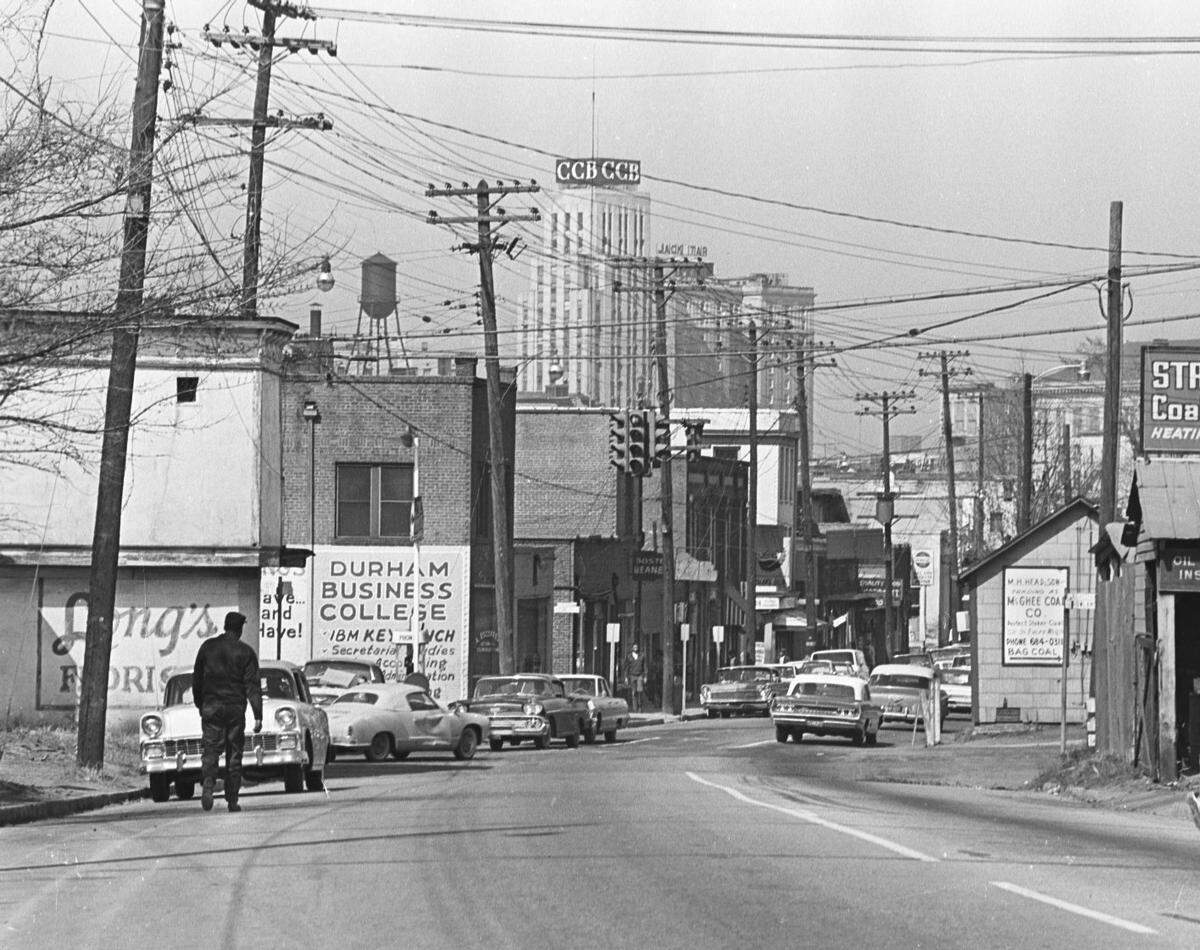
Hayti was a prominent African-American business district in Durham during the segregation era. Hundreds of businesses thrived and thousands of Black Americans lived in Hayti until integration and the development of the Durham Freeway.
To revitalize the district, McKoy and his team applied in March for a $20 million redevelopment grant from the Kellogg Foundation. According to a Kellogg Foundation spokesperson, the organization received 1,400 applications from 72 countries around the world — including Africa, Asia, the Middle East, Australia and Latin America.
Ten semi-finalists will be announced in September, each receiving a one-year $1 million planning and capacity building grant, the spokesperson said in an email.
McKoy said Hayti Reborn made the first cut for the multimillion-dollar grant in May.
“It became a whole different level of excitement,” McKoy said, recalling a meeting when he shared the news with the community’s elders. “They were really excited about that. They got really energized.”
In the end, at least three winners will each receive a $20 million grant, and two will receive $10 million grants. The winners will be announced next summer.
Ensuring Hayti is part of its own rebirth
The Hayti Reborn team, which received $100,000 in initial funding from Durham County and the city, includes a community council of elders who were members of the original Hayti community in the 1950s and 1960s.
One of the elders is Anita Scott Neville. She was introduced at the Hayti Reborn official launch at Provident1819.
In a recorded video, the lifelong Durham resident recalled when the community was still the hub for local Black entrepreneurs during the segregation era.
“The community supported one another and that was vital in Pettigrew Street and Hayti being able to survive,” the 67-year-old Durham Public Schools employee said. “There was a spirit of community, not competition.”
In a phone interview, Scott Neville said her father owned Turner’s Beauty and Barber Supplies on Pettigrew Street. The building was one of many demolished during the construction of the Durham Freeway.
“I felt very sentimental during the (Hayti Reborn) event,” Scott said. “It is affirming the work we’ve been doing since the end of last year. I’m feeling encouraged.”
A list of expectations
During the June 17 presentation, McKoy introduced a series of expectations that the Hayti Reborn team gathered from community members, who were asked what they envision for this new version of Hayti.
A key component of the initial proposal for Hayti revolved around Durham’s gentrification issues. Some of the community’s goals included “geographic agency,” increased safety, affordable housing and financial opportunity, mobility and equity.
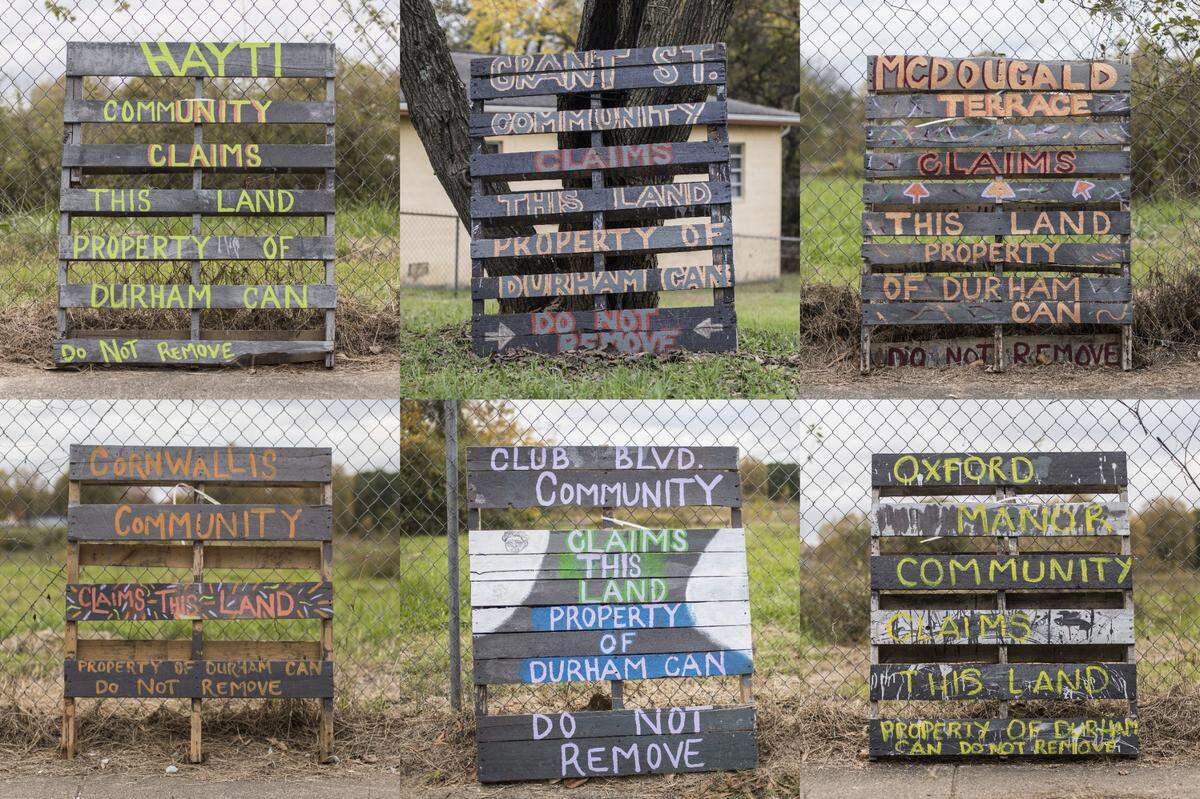
Amidst Hayti Reborn’s official launch, the Durham Housing Authority announced a request for proposals from developers for several properties around Durham, including Fayette Place, a now vacant 20-acre lot in the heart of Hayti. The lot is the former site of the Fayetteville Street public housing complex built in 1967 that, until its demolition in 2009, has been mentioned for housing projects repeatedly put on the back burner.
Anthony Snell, director of development for the Durham Housing Authority, said no proposals have yet been submitted. The deadline for submission is Sept. 23.
This story was originally published July 1, 2021 at 7:00 AM.