Durham man unjustly imprisoned for murder can sue more police officers, court says
The city of Durham still refuses to pay Darryl Howard, even though lawyers proved that he was wrongfully imprisoned for more than two decades for two murders.
But a new U.S. Court of Appeals ruling gives Howard the chance to try to collect damages from two other city police officers.
In 2017, Howard filed a federal civil rights lawsuit against the city of Durham, former and current officers, and a fire department employee involved in the investigation.
Over time, the cases against the defendants, including the city, were dismissed except claims against Darrell Dowdy, the lead detective in the investigation of the 1991 killings.
In 2021, a jury awarded Howard $6 million after finding Dowdy fabricated evidence and performed an inadequate investigation that led to Howard being wrongly convicted of two counts of second-degree murder and one count of arson.
After the 2021 jury verdict, the Durham City Council decided to not indemnify Dowdy, meaning they wouldn’t cover the judgment or Howard’s nearly $4 million legal fees.
But a judge improperly dismissed two more officers from the lawsuit, says a recent ruling by the U.S. Court of Appeals for the Fourth Circuit. Howard claims the officers failed to share vital evidence in his post-trial process that would have allowed him to be released from prison sooner.
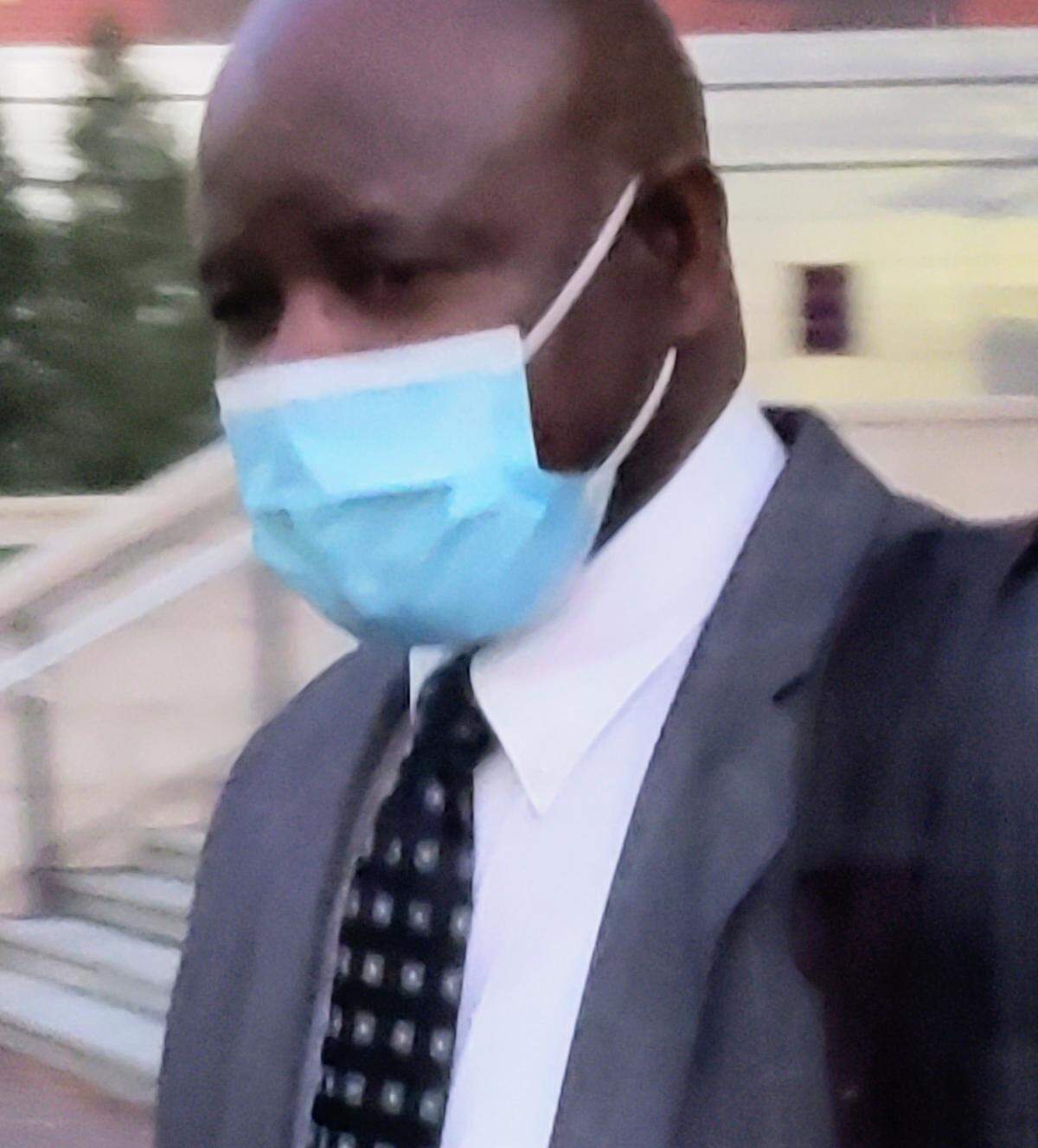
Bradley Bannon, one of Howard’s attorneys, said Howard does intend to try the additional officers.
“The only circumstance under which we won’t is if the city of Durham comes to us and talks to us about finally putting an end to this case and doing the right thing and satisfying the obligations they owe,” Bannon said.
The ruling could be significant for future cases involving police misconduct, Bannon said. In the ruling, the appellate court affirmed North Carolina’s process for vacating unjust convictions, as well as the obligation of agencies to provide related evidence, he said.

Darryl Howard’s 1995 conviction
Howard was convicted of killing Doris Washington and her 13-year-old daughter Nishonda in a 1995 trial, where he insisted he was innocent. He said then that members of a gang raped and killed the women due to the mother’s drug debts.
Howard was set free in 2016 after lawyers from the Innocence Project took Howard’s case and helped get his convictions vacated.
His attorneys went on to convince a federal jury that Dowdy fabricated evidence and inadequately investigated the double murder.
Jurors never heard Howard’s claims that actions by two more officers not sharing evidence with Howard could have resulted in him leaving prison years sooner.
Initial autopsy information found a tear in Doris Washington’s vagina and sperm in her daughter’s Nishonda’s anus. Testing excluded Howard from DNA from Nishonda’s rape kit.
Testing in 2010 revealed undetected sperm in Doris Washington’s rape kit. The DNA wasn’t linked to Howard or the DNA found in Washington’s daughter’s kit in the 1990s.
DNA match
Using a federal DNA database, investigators found a match to a man who was 16-year-old at the time of the killing and a member of the gang that Howard contends killed the Washington women.
In 2011, the North Carolina State Bureau of Investigation asked then Durham Police Department Sergeant Scott Pennica to obtain a DNA sample of the man. Pennica tasked investigator Michele Soucie to get a sample from the man.
The man was brought in and interviewed by police. During the interview, the man said he didn’t know Doris Washington, but claimed he was dating her daughter.
When the man was left alone in the interview room, he made several recorded phone calls and made incriminating statements indicating he did know Doris and that he didn’t want to “rat on anybody.”
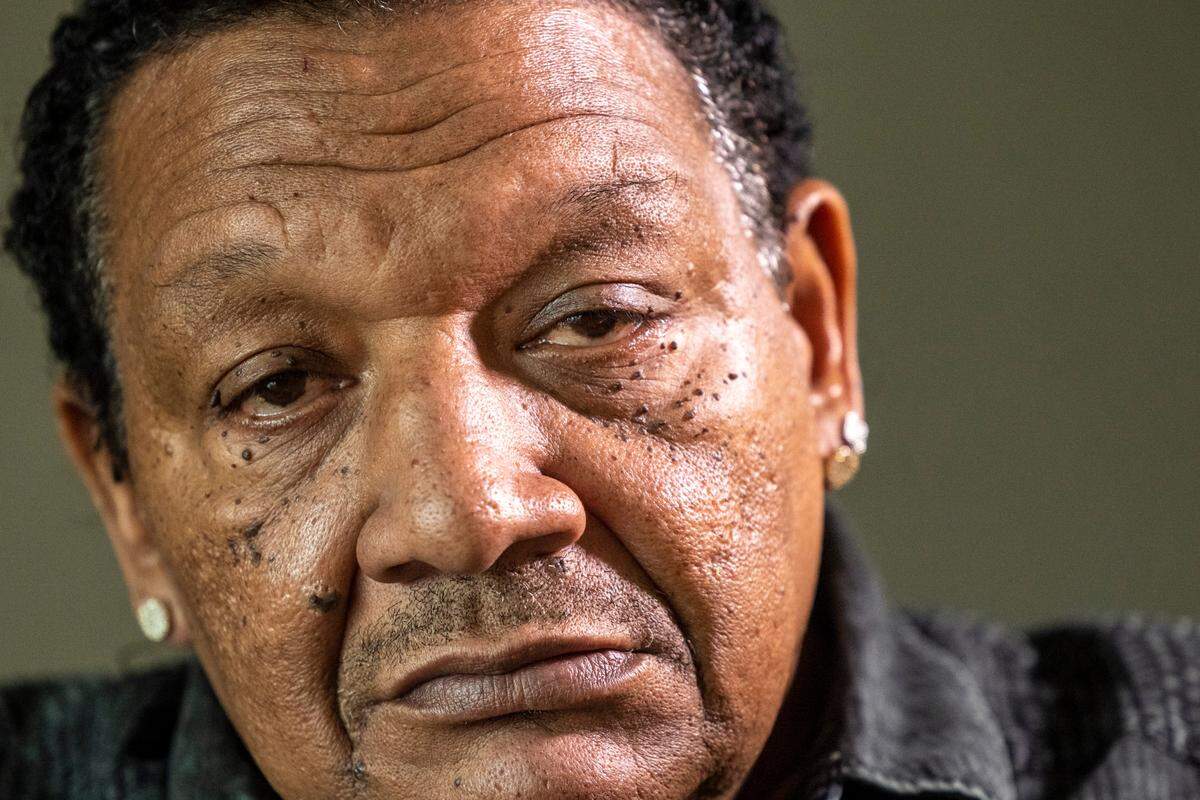
Pennica and Soucie claimed they didn’t realize they were recording the man and didn’t listen to his statement, according to court documents.
Afterwards, Soucie wrote a report and submitted related documents and a copy of the interview to the police department’s records department.
But they didn’t send a report to the Durham County District Attorney’s Office, despite a 2011 court order requiring the information to be shared with Howard, according to court documents.
While Howard knew about the results, he didn’t learn about the interview or the man’s incriminating statements until 2016.
In the civil rights case, the judge dismissed the claims against Pennica and Soucie, finding there was no evidence the officers acted in bad faith. Pennica and Soucie contended they didn’t know about the 2011 order to provide the information to Howard.
The appeals court, however, wrote that it’s “remarkable that a police officer would believe he could simply file away such evidence” while Howard remained in prison and was seeking to prove his innocence.
Virginia Bridges covers criminal justice in the Triangle and across North Carolina for The News & Observer. Her work is produced with financial support from the nonprofit The Just Trust. The N&O maintains full editorial control of its journalism.
This story was originally published June 2, 2023 at 10:48 AM.