Durham officials uncertain about lead testing at park that may have contaminated soil
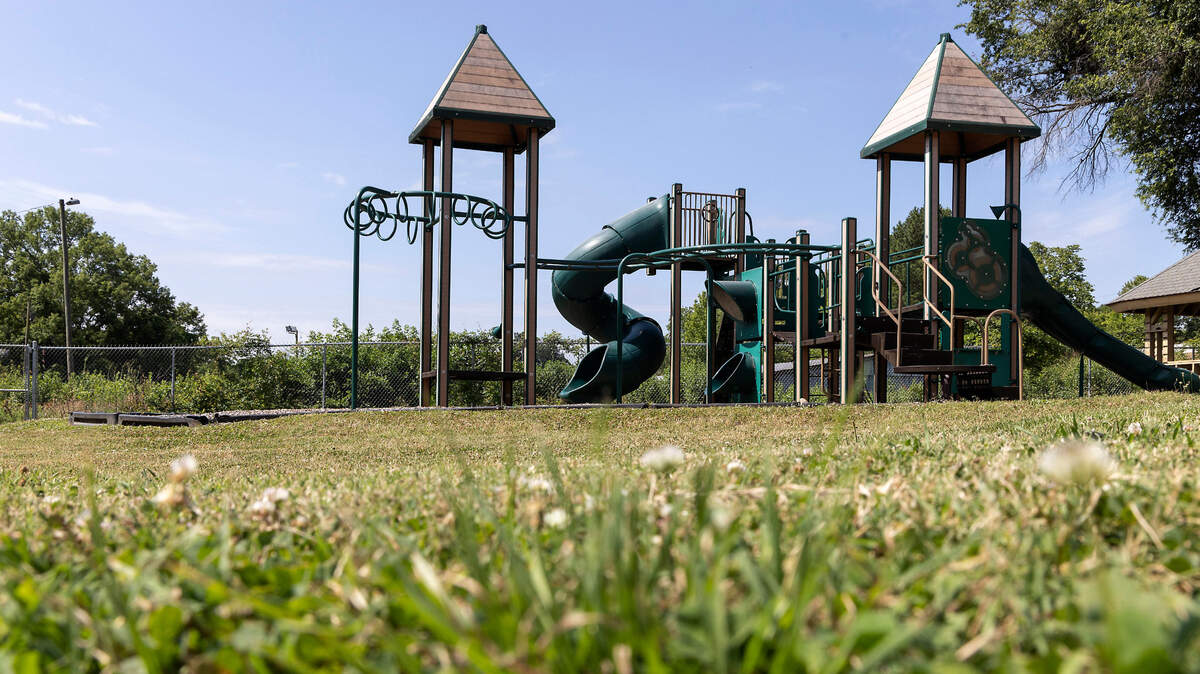
The City of Durham will not immediately test for lead at a public park that received hundreds of truckloads of ash from an incinerator, a spokeswoman told The News & Observer, and remains unsure about whether the soil will be sampled.
Newspaper archives indicate that Durham officials in the early 1950s moved about 500 truckloads of cinder from Walltown Park to Northgate Park, where it was covered with topsoil. Walltown is one of four city parks built on land that housed city garbage incinerators between 1910 and the early 1950s.
Duke University researchers point to those incinerators as the cause of high levels of lead found in soil at East Durham, East End and Walltown parks. In a paper published on Duke’s website, the researchers recommended city officials also test lead levels in soil at Lyon Park, which was the home of a fourth city incinerator, and Northgate Park.
Durham plans to sign a contract “within the week” for soil sampling at each of the four parks that once had an incinerator within its boundary, a city spokesman told The News & Observer.
“Determination to test Northgate Park will be made after the evaluation is complete on the first four parks,” Amy Blalock, the city spokeswoman, wrote in an email.
After a joint meeting of the Durham City Council and Durham County Board of Commissioners on Tuesday, Mayor Elaine O’Neal said she would ask City Manager Wanda Page about the possibility of testing Northgate Park and other potential incinerator sites.
“Everybody knows the bad things that can happen, right? And nobody wants that and nobody’s going to play with lives, at least not that I’m aware of. So I am sure that if those parks need to be tested, they will be,” O’Neal said.
The Environmental Protection Agency has determined that lead is unsafe in play areas at 400 parts per million and in all other areas at 1,200 ppm. Each of the three parks where tests were conducted contained some areas above the safe level for a play area,
Exposure to lead can impact a child’s brain and nervous system, according to the Centers for Disease Control and Prevention, hindering development and causing poor performance in school.
Durham is still deciding whether to take additional actions residents and scientists are calling for.
The city has not decided to put up signs alerting the public to the findings at each of the parks where samples have come back above the EPA’s hazardous levels, Blalock said.
Durham also remains undecided about whether to add fencing around Ellerbe Creek as it passes through Walltown park or replace fencing around an abandoned city paint and sign shop at East End Park.
Duke University soil scientist Dan Richter, who advised then-master’s student Enikoe Bihari on the research that uncovered the lead levels, called fencing around creeks running through all of the parks during a virtual meeting Monday evening with more than 100 city residents. Richter also called for fencing around the forested area in the southeastern corner of East Durham Park where soil contained the highest lead concentrations of any samples taken by the research team.
Page has pledged to sample at the parks that housed incinerators and to work with the Durham County Department of Public Health to educate nearby residents about the risks lead exposure could pose. Additionally, Page said city staff would use information sessions keep residents informed about the soil testing and its finding.
Taking the samples should take about a week after the contract is signed, Blalock told The News & Observer. An additional two weeks will be spent on lab work, while the final analysis and reporting will take one more week.
In other words, city officials anticipate that it will take about a month after the contract is signed to have new results for all four parks that once had incinerators on their properties.
O’Neal expressed frustration with how the report’s findings have been communicated thus far.
It was first published to Duke’s website in December 2022, but residents were apparently not notified of the findings. O’Neal said she learned about it via a June 1 email from the Walltown Community Association’s Brandon Williams, who said a resident found it online.
“The delay in communicating the health risks posed by lead in the soil of Walltown, East End and East Durham Parks is a failure on the part of Duke and the City of Durham. Had residents not discovered the study on our own and taken the initiative to learn more, it is unclear when exactly the public would have been informed,” Williams and other members of the Walltown Community Association wrote in that email.
Toddi Steelman, dean of Duke’s Nicholas School of the Environment, apologized for the lack of notification in an email to the Walltown Community Association and pledged the school’s help in explaining what the report means and how it could impact residents.
“I am watching the experts and learning during this process, but definitely we’ve got to do a better job about communicating with each other on things that are just really important,” O’Neal said.
This story was produced with financial support from the Hartfield Foundation and 1Earth Fund, in partnership with Journalism Funding Partners, as part of an independent journalism fellowship program. The N&O maintains full editorial control of the work.
This story was originally published June 14, 2023 at 6:38 PM.