How an NC civil rights protest inspired Sam Cooke to write 3rd greatest song of all time
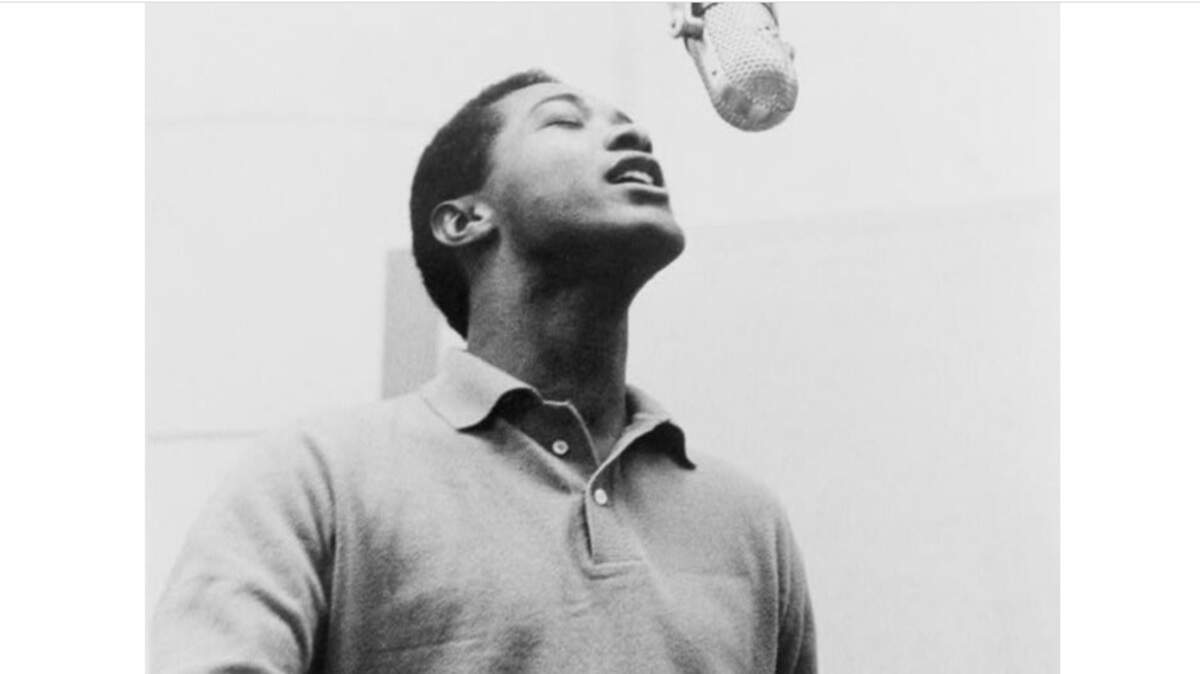
Sam Cooke, a soul music icon who died 60 years ago this week, wrote the first draft of one of his most famous songs, “A Change Is Gonna Come,” while sitting on a bus in Durham.
That’s according to research compiled by Ian Mance, a civil rights attorney with Emancipate NC, who has asked the city to celebrate the song’s ties to Durham.
Set to a melancholy arrangement of strings and horns, “A Change Is Gonna Come” became an anthem of the Civil Rights Movement in the 1960s, historians say. It was named the third greatest song of all time by Rolling Stone.
Mance found multiple accounts that suggest Cooke began writing the lyrics while on tour in North Carolina.
The singer was in Durham in May 1963 when thousands of people gathered at a local restaurant for a sit-in to protest segregation, according to Mance’s research. Many were students from N.C. Central University, which had a different name then.
Cooke was inspired and began writing the lyrics on the bus, according to the Library of Congress, which preserved the song in the prestigious National Recording Registry.
It was recorded the following year and released shortly after Cooke was shot and killed in Los Angeles on Dec. 11, 1964. He was just 33.
A ‘musical companion’ to MLK’s ‘I Have a Dream’
Clocking in at 3 minutes and 11 seconds, the song is a “mellifluous and soulful ode to the struggles, yet prevailing hopes, of a black citizen living under the oppression of Jim Crow laws in the segregated South,” Cooke biographer B.G. Rhule wrote.
It has been described as “a musical companion” to Martin Luther King Jr.’s 1963 “I Have a Dream” speech.
“The lyrics express a similar longing and hopefulness, a dream that must have felt near-impossible during the darkest days of the early 1960s,” Jeremy Helligar wrote.
Bob Dylan’s protest song “Blowin’ in the Wind,” also helped inspire Cooke. The track was a hit for Peter, Paul and Mary in the summer of 1963, and Cooke watched them perform it on a hotel TV during the March on Washington, where King gave his famous speech, Rhule wrote.
Cooke was a southerner whose family moved to Chicago when he was a baby, according to his biography in the Songwriters Hall of Fame.
Mance’s letter this fall to the Durham City Council asked for a recognition marking the 60th anniversary of the song’s release. He also recommended a historical marker at NCCU and adding the lyrics to the city’s downtown civil rights mural.
Mayor Pro Tem Mark-Anthony Middleton said city leaders are readying a proclamation that will be read during the Dec. 16 meeting.
Uniquely NC is a News & Observer subscriber collection of moments, landmarks and personalities that define the uniqueness (and pride) of why we live in the Triangle and North Carolina.
This story was originally published December 11, 2024 at 5:30 AM.