
Decades after dividing Hayti, the Durham Freeway faces a community-led revision
AI-generated summary reviewed by our newsroom.
- Durham reviews three community-backed options for redesigning N.C. 147 Freeway.
- Proposals aim to reconnect Hayti and other neighborhoods displaced in the 1970s.
- Final design decision expected in 2025; funding and ownership remain concerns.
Weeks after a developer withdrew a project aimed at transforming Durham’s Hayti neighborhood, the City Council turned its attention to the freeway that divided the area decades ago.
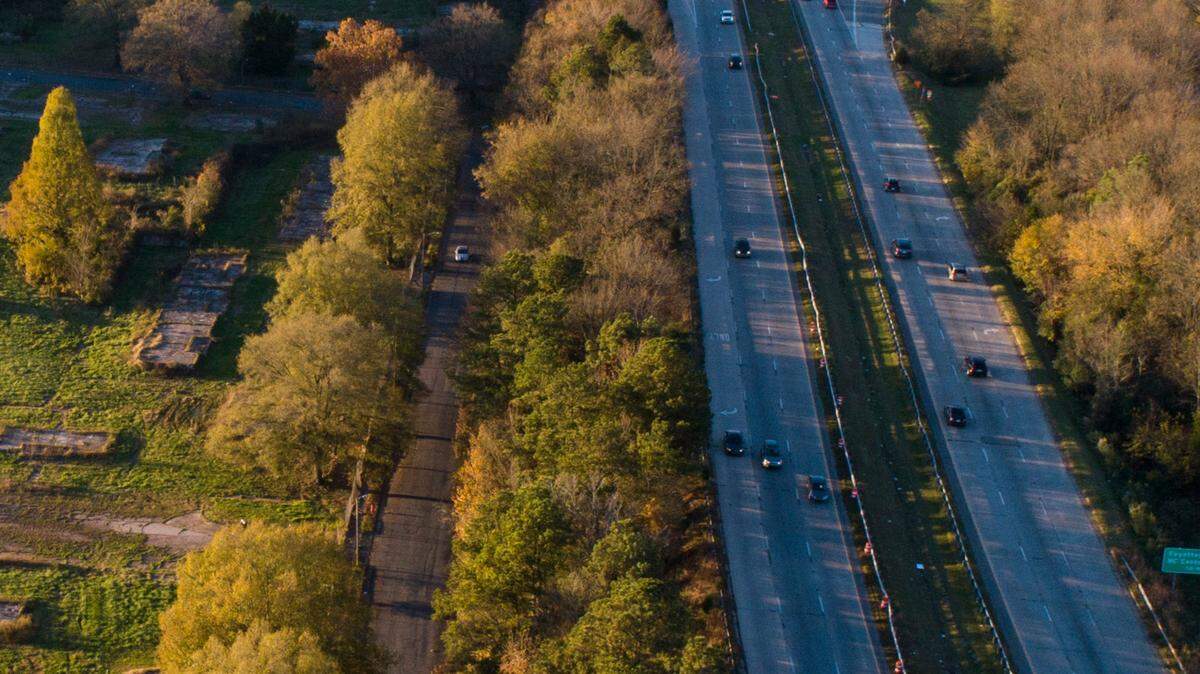
On Thursday, the Durham City Council reviewed a community-driven vision for the Durham Freeway corridor, also known as N.C. 147, which cuts through the center of the city. The Reimagine Durham Freeway study aims to address the lasting damage the road’s construction inflicted on Black neighborhoods in the 1970s.
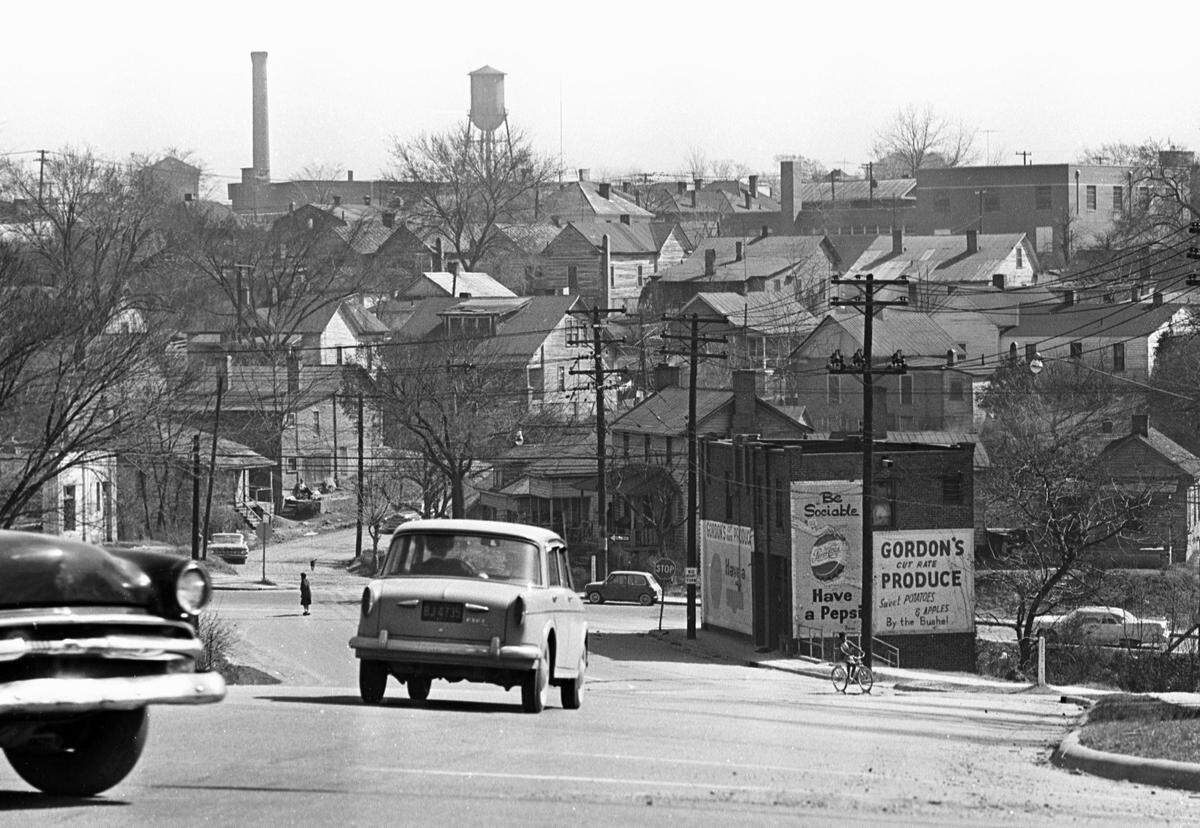
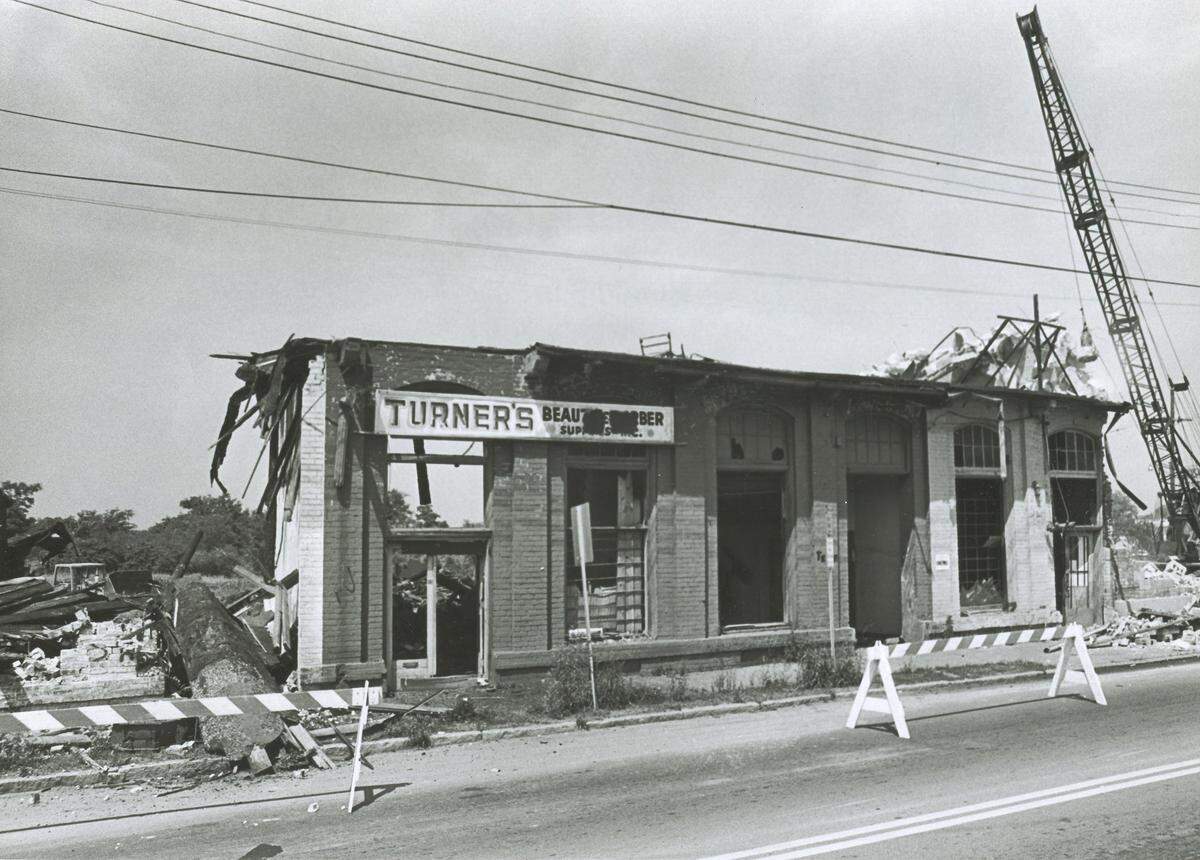
When the freeway was built, neighborhoods near downtown, including Hayti, lost hundreds of Black-owned homes and thousands of businesses. Some neighborhoods, like Brookstown, were wiped out all together.
The study explores three options to reconnect communities displaced by the freeway’s construction and urban renewal: converting the freeway into an urban boulevard, capping it with land bridges, or modernizing it while reducing its footprint.
Launched in January 2024, the study is led by engineering and design firm WSP USA Inc. The team is also working with the N.C. Department of Transportation, which owns the roadway, to identify challenges along the corridor.
One of the three options will be selected by the end of the year, said Erin Convery, the city’s transportation planning manager. Any reconstruction on the freeway will take several years and require millions of dollars, but the council members say it’s a necessary step.
“I don’t want to wait years to restore and repair the Hayti community or reconnecting our communities in general,” Mayor Leo Williams said. “I think we have an amazing opportunity here, and I want us to think big.”
A reimagined Durham Freeway
Evian Patterson, the city’s assistant transportation director, said before the freeway, there were dozens of connections between neighborhoods, businesses, schools and churches. Construction removed 34, leaving just 16.
“Community engagement has been a real foundation of this project,” Patterson said. “What we heard was that people’s biggest concerns were about safety and limited mobility options for physically crossing the freeway.”
IHere are the three options for a new, or removed, freeway:
- A boulevard conversion: This would replace the freeway with a street-level boulevard that connects neighborhoods and public spaces. It offers the “greatest potential to reclaim land for community uses such as affordable housing, public parks, and cultural landmarks.” The option also reduces vehicle speeds and enhances other modes of transportation like walking, biking, and transit. It would reclaim up to 22 acres and cost $450 million.
- A freeway cap or land bridge: This would upgrade the freeway and reconnect communities with land bridges and caps that create new spaces above the freeway. These caps would be on Fayetteville Street, Mangum Street and the area between Duke and Chapel Hill streets. There would also be pedestrian and cyclist-friendly additions. It would reclaim up to 25 acres and cost between $450 million and $800 million.
- A freeway modernization: This would upgrade the current freeway infrastructure to improve safety and traffic, while reducing the footprint in specific downtown areas. This option would maintain regional travel while providing community access, like safer crossings for pedestrians and bikers. There would still be a physical and social barrier for many residents. It would reclaim between 12.5 and 14.5 acres and cost $350 million.
Examples of a reconstructed freeway include Rochester, N.Y., where the city removed part of Interstate 490, also known as the Inner Loop East, built in the 1950s. The removed portion of the loop was replaced with a walkable boulevard, six reclaimed acres of land and over 500 new housing units and connections to neighborhoods.
Winston-Salem also reconstrued part of a corridor along Interstate 40 in 2020 to replace bridges, reconfigure interchanges and build wider sidewalks. The project was funded with state, local and private dollars, Convery said.
Finding the money
Councilmembers Carl Rist and Javiera Caballero wondered how the city would pay for revising the freeway. The city started considering the reimagined freeway during the Biden Administration when the study was funded by the federal government.
There was also a question about who would own the reclaimed land if the freeway were to be redone.
The Durham Freeway was funded by state bond referendums, but it was a federal project with significant federal money.
“It is deeply disappointing now for communities to really fix the thing that we didn’t necessarily fund, at least not fully,” Caballero said. “We’re going to get caught holding the bag.”
Rist asked if NCDOT would fund any of the plans. The state would most likely fund a freeway modernization, Convery said.
“The dollars aren’t there right now,” Rist said and asked how the community can move forward without the money to act anytime soon.
Convery said projects like reimagining the freeway take “a lot of time” and community engagement.
“We’re looking at 10- to 15-year timeframes from visioning to any sort of project implementation,” she said.
This story was originally published August 22, 2025 at 2:34 PM.