
Final plan for 18-mile Durham-to-Roxboro Trail is approved. Here’s what’s next
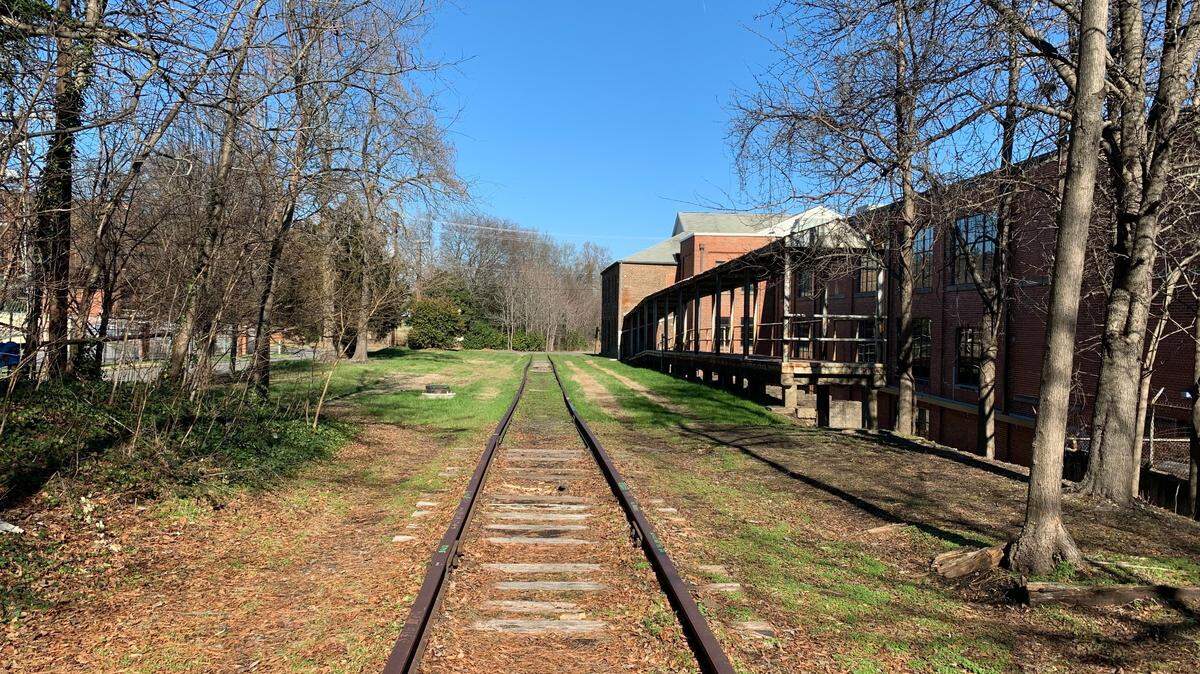
Durham County has given the go-ahead to a plan that will allow people to walk, run, bike and rollerskate between downtown Durham and Roxboro.
The planned $56.7 million Durham-to-Roxboro Rail Trail project will run for 18 miles along an old Lynchburg & Durham Railroad line that closed in 1983 and has been eyed for a trail since 1985.
The Rail Trail Plan approved Monday night by the Durham County Board of Commissioners outlines the project's design concepts and potential funding sources. Parts of the trail will lie in the city of Durham and in Roxboro, so those governments will also play a role in its development.
On the southern end, the trail will connect to Durham’s future 1.75-mile Downtown Durham Rail Trail, providing access to downtown and the American Tobacco Trail. Toward the north, it will extend into Roxboro, supporting a regional greenway network.
The trail, which will have five sections, will pass through communities such as Braggtown, Bahama and Rougemont, as well as four watersheds: Falls of Neuse, Jordan Lake, Lake Michie, and Little River.
Community concerns and next steps
Durham County Commissioner Nida Allam is excited about the rail trail and praised county staff for securing funding to acquire an easement to use the abandoned railroad property.
The state Department of Transportation will acquire the land from Norfolk Southern, its current owner. On Nov. 3, the commissioners approved a $1.15 million in grants to help the state make the acquisition. Only $223,000 came from county funds.
Over the past year, county staff have held 24 pop-up events, six public workshops, and two community surveys to gauge interest in the rail trail. While most of the feedback has been positive, Allam said, some northern Durham County residents are worried about a loss of privacy and the rail increasing crime.
At a meeting in May in Bahama, Heidi Grable led a group opposed to the project and critical of a plan to prevent crime through environmental design, with lighting at trailheads, bridges and entry and exit signs.
“I don’t know how this is going to exist with everybody having cows and dogs on their property, and we’re going to have people walking in our backyards,” Grable said. “We [already] have parks around us with trails; we as a community do not need this around us to walk.”
Allam said studies show having more greenways and open spaces can reduce crime by “creating more activities and spaces for young people, older people, everyone.”
“I’m really optimistic that as we move through construction, that we’ll be able to assuage any concerns that residents have by not only showing national data that’s available but real data from Durham itself,” she said. “This is going to be a huge health benefit, a huge social benefit for our residents across the county.”
The plan outlines the projected cost of the project and potential funding sources. Next steps include a lease agreement with the state Department of Transportation and additional county funding for construction and ongoing maintenance.
The project may take many years to build and further design. A projected date for completion is unknown.
This story was originally published November 25, 2025 at 2:07 PM.