
4 big Durham developments are coming to council. Only 1 cleared the first hurdle.
.png "A residential development proposal named Bella Ridge aims to transform 78.34 acres of undeveloped land in Southeast Durham into a new neighborhood with up to 300 homes.")
This spring, four large development projects in rural areas of Durham will come to City Council members for consideration.
Each promises to bring more options to help with Durham’s housing shortage.
Last month, the Planning Commission, which makes recommendations to the council, considered the projects, giving only one a favorable recommendation. The others were opposed by residents, and some commissioners, who said they want to protect residents’ way of life, watersheds and overtaxed emergency services.
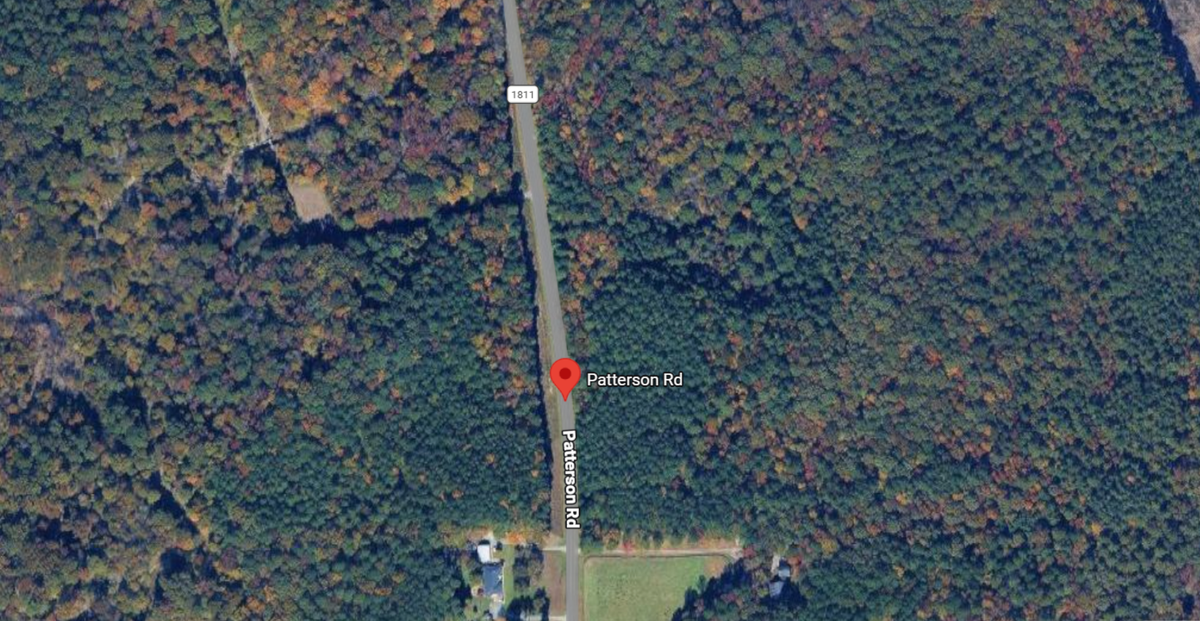
Patterson Hall: Concerns over infrastructure and blasting
Tim Sivers of the Durham engineering firm Quinty wants to rezone 40 acres along Patterson Road. The project, known as Patterson Hall, involves annexing four parcels of land into the city to allow :
- A mix of 180 townhomes and single-family homes
- 3,000 square feet of non-residential space (no gas stations or drive-throughs)
- A commitment of either 5% homes for residents making 80% of the area median income or a $140,000 donation to Durham’s Dedicated Housing Fund
- 22% tree coverage and green building
- Northbound turn-lanes on Patterson Road
The opposition: Residents argued the area’s infrastructure is already failing. Nearby fire stations in southeast Durham are understaffed and unable to meet national response times. Concern was raised about blasting for construction damaging wells and septic systems. Blasting involves the use of explosives to blow-up rock, soil or concrete.
“Blasting has to have the effect on the underground aquifers,” said Gary McClean, a lifelong resident who warned against installing utilities through the area’s Triassic basin soils. “There has been proof and evidence of wells caving in,” he said.
The outcome: Commissioners were not convinced the project offered enough community benefit to justify the density. Commissioner Ramsay Ritchie questioned the low affordable housing commitment, calling 5% “a bit low compared to what we’re used to seeing.”
The motion to recommend the City Council approve the project failed 9-0 with Commissioner Juan Montes recusing himself. The City Council may hear the case on April 20.
.png "Screenshot (60).png")
4802 Cheek Road: A fight over the Urban Growth Boundary
Mike Foley, the CEO of real estate development company Humabuilt, wants to rezone 69 wooded acres at 4802 Cheek Road in southeast Durham from residential rural (county jurisdiction) to planned development residential (city jurisdiction). The project calls for:
- A mix of 190 single-family homes and townhouses
- 3% affordable units (about six) for those earning 80% of the area median income
- One townhome would be reserved for the Wounded Warrior Project, Habitat for Humanity, or a similar group
- 50-foot wide natural wildlife corridor and 25% tree coverage
- One-time payment of $7,500 to Durham Public Schools
- A 20,000-square-foot park
The opposition: Several residents raised concerns about traffic increases, threats to wildlife, and inadequate infrastructure. Also, the site is currently outside the Urban Growth Boundary (UGB), which defines the geographic limit for extending water and sewer lines and protects rural land by restricting high-density development in certain areas.
If approved, the project would require extending the UGB. Attorney Nil Gosh of Morningstar Law Group argued for an exception based on “basic fairness,” saying the city previously required a developer to design a wastewater pumping station to serve the area’s sewer basin. Residents said the move set a dangerous precedent.
“Extending the UGB here would set a precedent for watering down that [sewer] line, one rezoning at a time, undermining Durham’s long-term growth strategy,” said resident Melora McCall, who argued the UGB is the “chief policy tool” for concentrating infrastructure and protecting resources.
The outcome: The commissioners rejected the project 10-0. Montes said that while Durham needs housing, any UGB revision must come from a development with “exceptional features, something that’s bringing something to Durham that we haven’t seen.”
The City Council will hear the case on May 4.
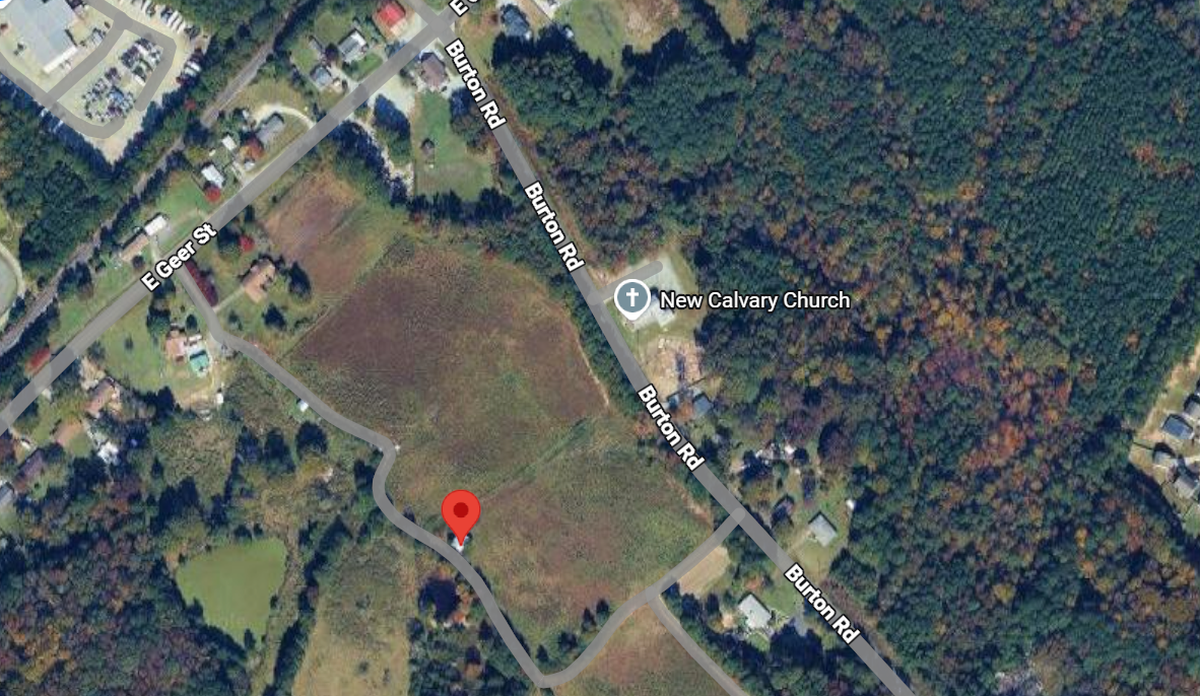
Bella Ridge: Success through compromise and a “rail trail”
Kate Murdoch of Raleigh based engineering firm McAdams has proposed a residential development called Bella Ridge at 3013 Burton Road in Durham. The project would transform 78 acres of mostly undeveloped land that is currently only used for one home, agriculture and a cell tower into a neighborhood. Details include:
- A maximum of 300 homes, 200 of them townhouses
- 5% of the homes (about 15) would be for-sale affordable housing at 80% area median income
- An easement for the Panther Creek Rail Trail, an abandoned railroad line
- Protections for a wildlife corridor
- A $2 million investment in roadway improvements, including a new signal at East Geer Streeet and Burton Road
The opposition: Traffic congestion, safety and environmental impacts were the main concerns . Some residents asked the developer commit to stream buffers and 100-year storm water control measures to prevent runoff from development into Falls Lake, a regional drinking source. Residents Vicky King and Penny Mays argued that local roads Burton Road and Geer Street cannot handle more daily trips with more cars.
“This is a rural area and the community cannot support more development in this area,” she said. “This traffic is not only annoying, but it is dangerous. Our community cannot support this development.”
The outcome: The Planning Commission voted 8-2 in favor of the project. Members recognized the site’s consistency with the city’s comprehensive plans and the developer’s willingness to adjust the building footprint. The City Council will hear the case on April 20.
Morgan Farm: A familiar project circles back
The Morgan Farm proposal was requested by M/I Homes, a Raleigh based building company, to annex and rezone 218.5 acres at 8422 Farrington Mill Road. This project is smaller than the earlier Sheffield Farms project (different name, same acreage and property) that including 700 new homes and was rejected 5-2 by the Durham City Council last April. Opponents to that project argued against developing in the Morgan Creek Floodplain Forest natural area, and raised concerns about more traffic.
This time, the developer is seeking a “translational zoning,” moving the land from County Residential Rural to City Residential Rural. They argue this would allow them to build a conservation subdivision, known as a design that protects rural land. They want:
- 437 single family homes
- 100 acres (50%) of the site preserved as open space
- $1 million commitment to affordable housing
- $1 million in transportation improvements
Jamie Schwedler, the developer’s attorney, told the commission this project is an improvement, saying, “we’re not asking for any increase in density. We’re not asking for anything more than we could do by right,” she said.
The opposition: Like the Sheffield Farms project, residents raised concerns about traffic, annexation and rezoning a rural and environmentally sensitive area. Residents voiced fears about the Jordan lake watershed. Joan Ree said the “annexation would pose substantial risks because of the consequences of a forces main sewer breaking and discharging into our raw drinking water supply.”
The outcome: The Morgan Farm project failed 9-0, with Montes recusing himself again. The Durham City Council will hear the case on April 20.