
Durham residents allege ‘bad faith’ in controversial Pickett Road rezoning vote
AI-generated summary reviewed by our newsroom.
- Residents want the Durham City Council to rescind a vote for apartments on Pickett Road.
- A petition listing concerns about the project has gained over 2,000 signatures.
- The Durham City Council has not publicly responded to the petition yet.
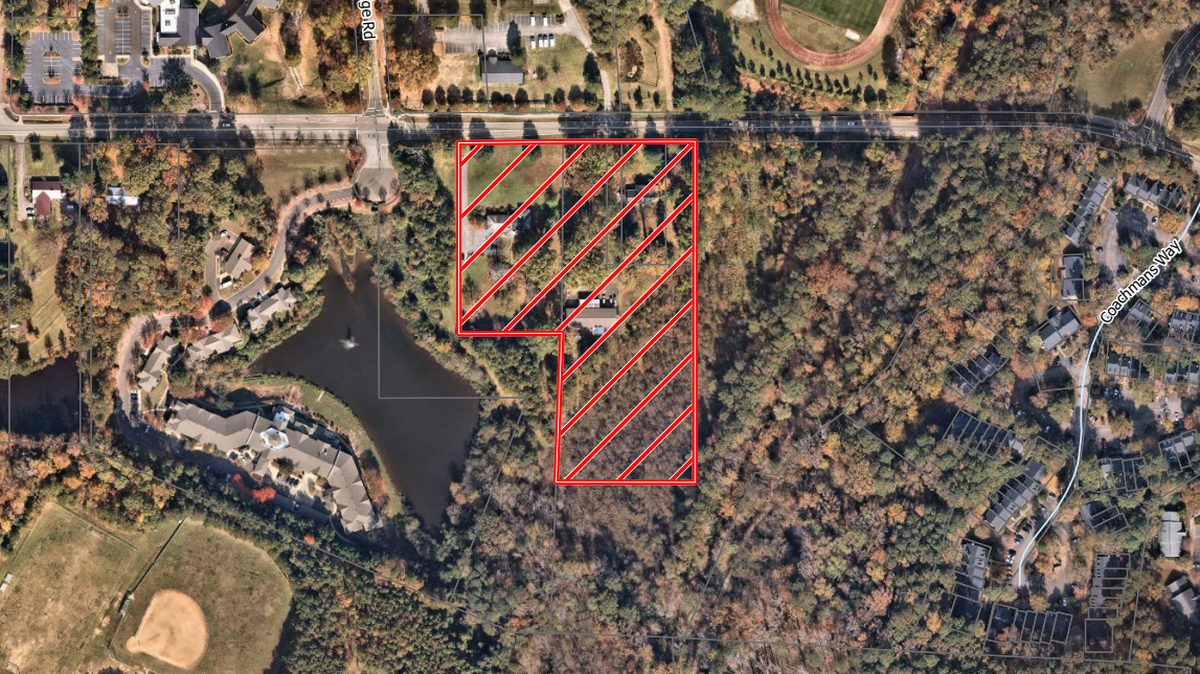
Residents living off Durham’s Pickett Road have launched a formal petition urging the City Council to rescind a controversial rezoning for a 140-unit apartment development.
The residents allege the council’s split 4-3 vote for the Pickett Road apartments last March was based on flawed procedures and a “disregard for environmental and traffic safety facts.”
They also allege that the developer intended to sell the 6.12 acre property after getting the rezoning that boosted its value.
“Considering the impact this will have upon the community, the citizens hereby petition for a rescission is in the public’s interest,” the petition reads. As of Tuesday afternoon, over 2,000 people had signed it.
The Durham City Council voted for the project after over a dozen residents spoke against it. The developer, Baltimore-based Ascension Construction and Development, has promised the project won’t hurt wetlands or floodplains near the wooded property.
Opponents say, since the apartments will be built next to the Sandy Creek Environmental Park, the project poses a direct threat to public safety, water quality and the local ecosystem. The project is also near Durham Academy
Mayor Leo Williams and council members Javiera Caballero, Carl Rist and then-member Mark-Anthony Middleton supported the development. Council members Chelsea Cook, Nate Baker and then-member DeDreana Freeman opposed it. Before the March City Council meeting, the Durham Planning Commission voted 8-2 to recommend the City Council reject the project.
The News & Observer has reached out to City Council members to see if they will reconsider the rezoning.
The grievances
Residents who drafted the petition said they consulted attorneys, engineers and experts in traffic safety and environmental protections. They cited:
- Inadequate flood studies: Residents argue the developer relied on outdated 10-year flood studies, while the area has experienced “100-year floods.” They worry the project could encroach on the floodplain, especially with the widening of U.S. 15-501.
- Public safety concerns: The petition includes comments from injury experts at UNC Chapel Hill and the Centers for Disease Control and Prevention who say Pickett Road is an example of the “most dangerous” type of road because it has blind hills and lacks shoulders and sidewalks.
- Environmental threats: Experts from Duke University and the New Hope Bird Alliance say in the petition that the 5-story apartment building would disrupt a “protected wildlife corridor” and create a shadow over Emerald Pond, which will harm local bird populations.
- Water quality: The site has “riparian buffers,” which are areas protecting the Jordan Lake Reservoir, a primary source of drinking water for residents in Wake County.
According to the petition, the City Council received a staff report that failed to mention the site is part of the New Hope Open Space Plan and a designated N.C. Conservation Protected Area. Residents also claim the decision was “arbitrary” because it does not support the health and welfare of current homeowners.
“Homeowner Bryan Feger testified that within 9 years of purchase, his property has gone from not being in a floodplain to being in a floodplain,” the petition reads. “He, along with 40 homeowners that he represented, now require flood insurance. Standing water has become so severe that now that water appears as a pond.”
The city’s response
In a statement from Amy Blalock, the city’s communications director, once a rezoning is approved, state law “provides significant stability to the property owner to ensure they can move forward with their plans without the risk of a sudden, unilateral reversal by the City.”
Blalock said city staff found the plan was consistent with the New Hope Creek Open Space Plan because the “areas identified in the open space plan are not within the building and parking envelope.”
“The development plan commits to not mass grading and not having buildings or parking encroach within the floodplain, which is what is called for in the open space plan,” Blalock said, adding that the city’s Planning and Development department “does not have the authority to use the N.C. Natural Heritage Areas for regulatory reviews.”
Additionally, “the barrier of reconsideration in this situation is the statutory prohibition on down-zoning,” Blalock said. Down-zoning rezones property to a more restrictive use and is prohibited by a local government, according to state law, unless it has written consent from the property owner. The March 2025 rezoning, “up-zoned” the property, allowing more use.
‘Bad faith’
Residents also question the developer’s intentions in the petition.
Neighbors allege Ascension listed the property for sale for $4.9 million on real estate investment firm, Coldwell Banker Richard Ellis, or CBRE, a month after the City Council voted to approve the rezoning. The website no longer lists the property for sale.
The petition calls the sale a “speculative gain.” Residents allege the developer pursued the rezoning to increase the land value rather than out of a genuine commitment to building the apartment project.
At the March meeting, attorney Nil Ghosh, who represented Ascension, said the project would not remove many trees and after hearing concerns, made additional commitments including
- An elevator in one building
- An easement along the south side of the road
- A $300,000 contribution to the Durham sidewalk fund
- Cut-off lighting fixtures for outdoor walkways, the parking lot and building lights
- Windows treated for the American Bird Conservancy standards to protect local birds
Ghosh also addressed some of the concerns residents raised at the meeting about potential sprawl and the impact of lighting on local wildlife.
“A lot has been said about Sandy Creek as an important environmental resource, and we agree,” Ghosh said at the meeting. “That’s exactly why we’re not touching it. We’re not touching the floodplain. It is a protected area, and we would continue to protect that area.”
The News & Observer has contacted Ghosh for additional comment on the petition.
This story was originally published February 27, 2026 at 8:37 AM.