
Durham is finally getting a new animal shelter. What's in it, and how long it will take?
AI-generated summary reviewed by our newsroom.
- Durham County will have a new animal shelter in 2030.
- Durham-based firm RND Architects has a blueprint of the new shelter.
- The shelter will be moving from East Club Boulevard to Junction Road.
Durham County took a big first step Monday night to address the deteriorating conditions of the local animal shelter.
In a unanimous vote, the Board of Commissioners approved a $5.6 million contract with Durham’s RND Architects to begin designing a new shelter on county-owned land at 1117 Junction Road.
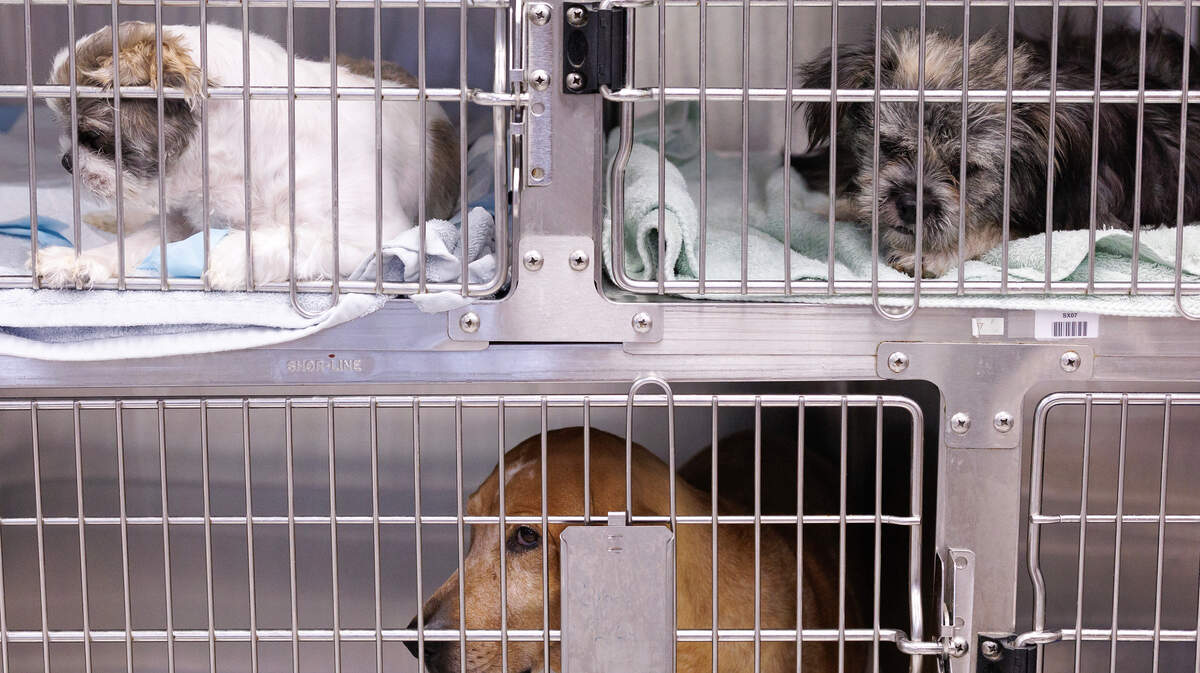
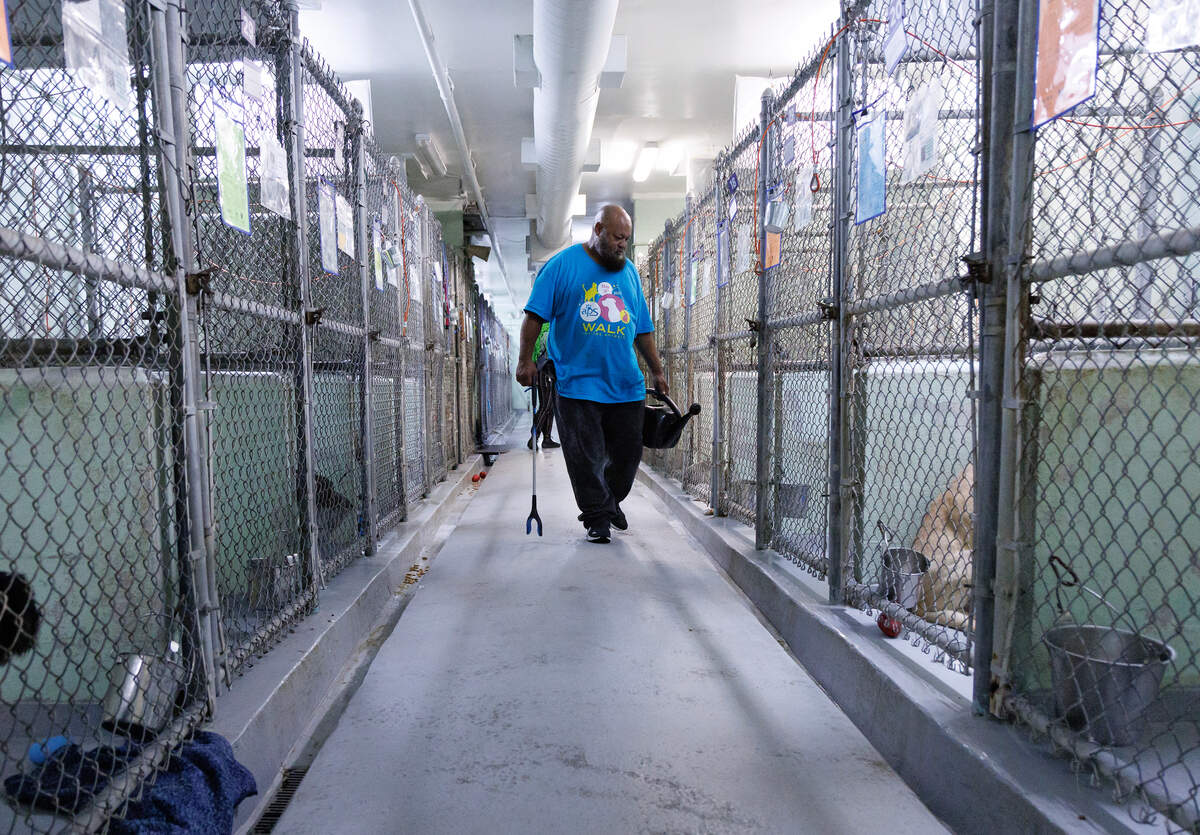
For years, crowding at the East Club Boulevard shelter has stretched resources thin, while persistent HVAC issues, disease outbreaks and limited space have created an environment that is less than ideal for staff, visitors and animals in the shelter’s care.
A shelter built for 131 dogs and 132 cats
The new facility is projected to cost about $55 million and is slated for completion in 2030.
However, she noted that the large project will take time and wanted to ensure the building was built to last as Durham adds people and pets over the next several decades. By 2030, Durham’s population is expected to grow by 30,000 people, according to the state Office of State Budget and Management.
Nicholson said the new shelter will be built to have a 50-year lifespan, like other county projects. The building will also be designed so that it can be expanded, if needed.
With the design contract officially in place, Durham County is one step closer to opening the new shelter.
Specialized features in the new facility
The contract with RND incorporates specialized engineering and green building designs to achieve LEED Gold certification, an internationally recognized green building certification.
The specialized features will also address the poor climate control and veterinary resources:
- The on-site hospital will have plumbing and medical gas infrastructure to support veterinary surgeries
- Acoustical noise control that will improve stress levels for animals, staff and visitors
- Audiovisual and telecom networks
- A back-up generator and public safety radio for emergencies and first-responder communication
- Roof ventilation, insulation and strategic drainage systems to prevent mold and airflow issues
- $400,000 for public art installations in the shelter’s public-facing spaces
.png "Screenshot (88).png")