Proposed Orange budget rejects more money for Chapel Hill-Carrboro and county schools
Orange County property owners won’t pay more in taxes, county employees won’t get a raise, and local schools will break more or less even in Orange County Manager Bonnie Hammersley’s proposed budget.
The draft $273.6 million budget for fiscal year 2020-21 is roughly $1.2 million, or 0.46%, more than the current budget. It includes $239.2 million to pay for day-to-day expenses and would take effect July 1.
The county’s tax rate would remain at 86.79 cents per $100 of assessed property value, meaning the owner of a $300,000 home would continue to pay $2,603.70 in county property taxes. Property owners in the towns and the Chapel Hill-Carrboro school district pay additional property taxes.
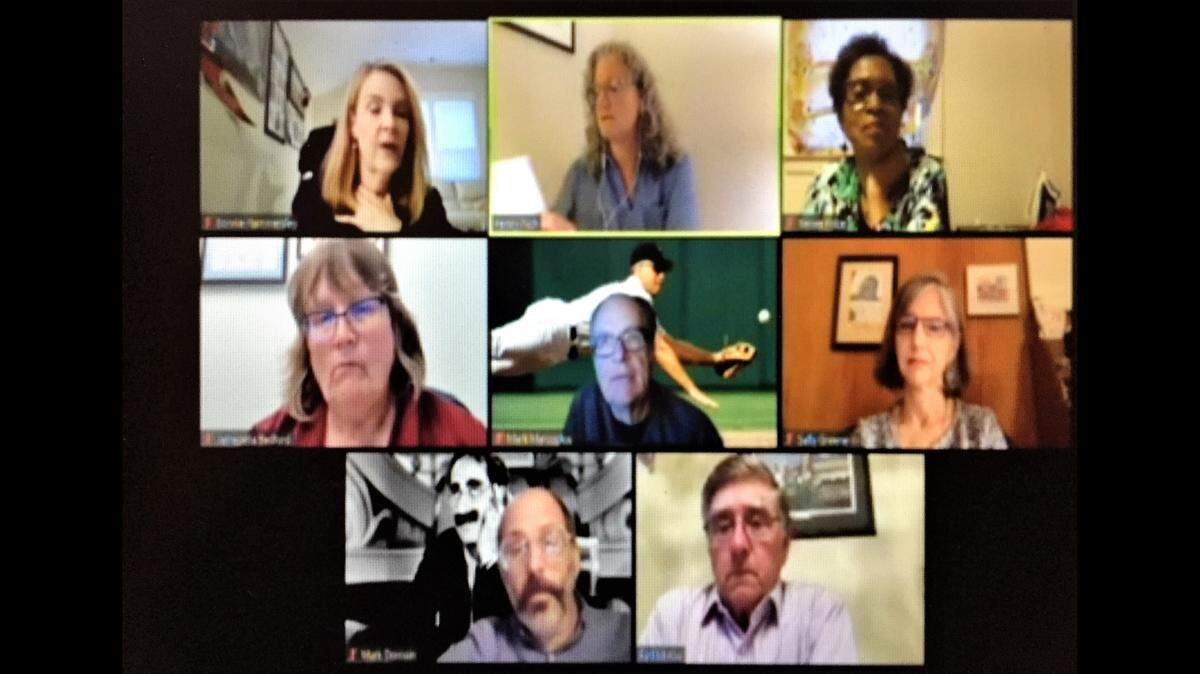
The proposed budget “is submitted to you during an unprecedented time in our history,” Hammersley told the county commissioners.
“The state is entering its sixth week of the governor’s stay-at-home order due to the COVID-19 pandemic, and all the assumptions that were used to begin this budget process have been upended by trepidation and uncertainty about the economic impact this quarantine will have on county residents and on the county budget,” Hammersley said.
The result is a mix of long-term financial austerity, spending cuts and roughly $2.5 million in short-term emergency funds aimed at avoiding an expected property tax increase, preserving services and protecting the county’s long-term fiscal health, she said.
The proposed budget also relies on $8.3 million from the county’s unassigned fund balance, which is money saved in previous budgets.
Local governments must pass their budgets for the coming fiscal year by June 30. All are adjusting spending plans that were already in progress when the pandemic began.
On Monday, Chatham County Manager Dan LaMotagne recommended a county budget with no tax increase.
Durham County Manager Wendell Davis will recommend his budget on Monday, and Wake County Manager David Ellis will recommend his budget May 18.
Federal aid, public hearings
Hammersley noted Orange County could get $2.6 million in the next couple of months from the state’s COVID-19 recovery act. Gov. Roy Cooper signed legislation this week that spends $1.57 billion of the $3.5 billion in federal aid coming to North Carolina.
She will update the board when there is clarity about how the county can use that money, Hammersley said.
The commissioners will take comment on the budget during a virtual public hearing May 12. A second public hearing will be held June 4 at a location to be determined. The board will hash out any remaining budget issues June 9 and approve the final budget June 16.
Hammersley has said the budget could be adjusted later in the year, depending on the effects of the virus. She warned last week the county could lose at least $8 million in anticipated revenues to the COVID-19 shutdown.
The draft budget falls far short of the roughly $9 million in additional funding that the city and county school districts asked for last week to cover rising costs, add more teachers and programs, and provide all county schools employees with $1,000 bonuses.
Instead, it gives the Orange County and Chapel Hill-Carrboro City schools roughly $95.5 million for operations, a nurse in every school and a school resource officer in middle and high schools. The districts had sought combined local funding of about $105 million.
The county’s proposed allocation per student next year would be $4,358, or an additional $5.75 per student. The districts also receive state funding and a smaller amount of federal money, plus the city schools could receive an extra $24.4 million from the district tax.
Highlights: Employees, housing, schools
▪ Fire service taxes: The New Hope and Orange Rural fire departments have asked for a property tax increase in their fire service areas. New Hope residents would pay an extra 0.73 cents, for a total fire service tax rate of 10.67 cents per $100 in property value. Orange Rural residents would pay an extra 0.33 cents, for a total fire service rate of 9.48 cents per $100 in value.
▪ Recycling fee: The countywide recycling fee would remain $142 for another year.
▪ Pay and benefits: County employees would not get a raise or performance bonuses. A hiring freeze would remain through June 30, 2021, and the county would not pay for employees to attend conferences, training or to travel.
▪ Affordable housing: One exception to the hiring freeze is the county’s plan to add roughly three positions to help people find housing and to build partnerships with landlords. The new positions would be paid for in part with grant funding and spending cuts.
▪ Chapel Hill-Carrboro City Schools: The budget recommends $53.3 million for CHCCS, a $134,252 cut. The district also would get $1.8 million for ongoing capital expenses, such as equipment, and $1.8 million for deferred maintenance projects.
▪ Orange County Schools: The budget recommends $35.5 million for the OCS district, a $142,646 increase. The district also would get $1.2 million for ongoing capital expenses, such as equipment, and $1.2 million for deferred maintenance projects.
▪ Capital budget: The county expects to pay an additional $36.5 million next year for construction, equipment and new vehicles, which is $14.5 million less than this year’s capital budget.
▪ Debt: The county’s debt payments would rise by $2.9 million next year, or 9.3%, to cover school construction and affordable housing bond projects.
▪ Visitors Bureau: The coronavirus slashed the county’s occupancy tax revenues by an expected 16%. As a result, the Chapel Hill/Orange County Visitors Bureau could lose $314,405 for advertising, promotions and events. The bureau is seeking ways to recoup those losses, according to the proposed budget.
▪ Social Services: COVID-19 is increasing the demand for food, employment and other social services programs. The proposed budget includes an additional $818,731 for county services, plus extra money for the Inter-Faith Council for Social Services, Orange Congregations in Mission, Meals on Wheels, Pathways to Change, and the Compass Center for Women and Families.
This story was originally published May 6, 2020 at 11:20 AM.