Livestock or pet? Chapel Hill family wants town rules changed to allow miniature pigs.
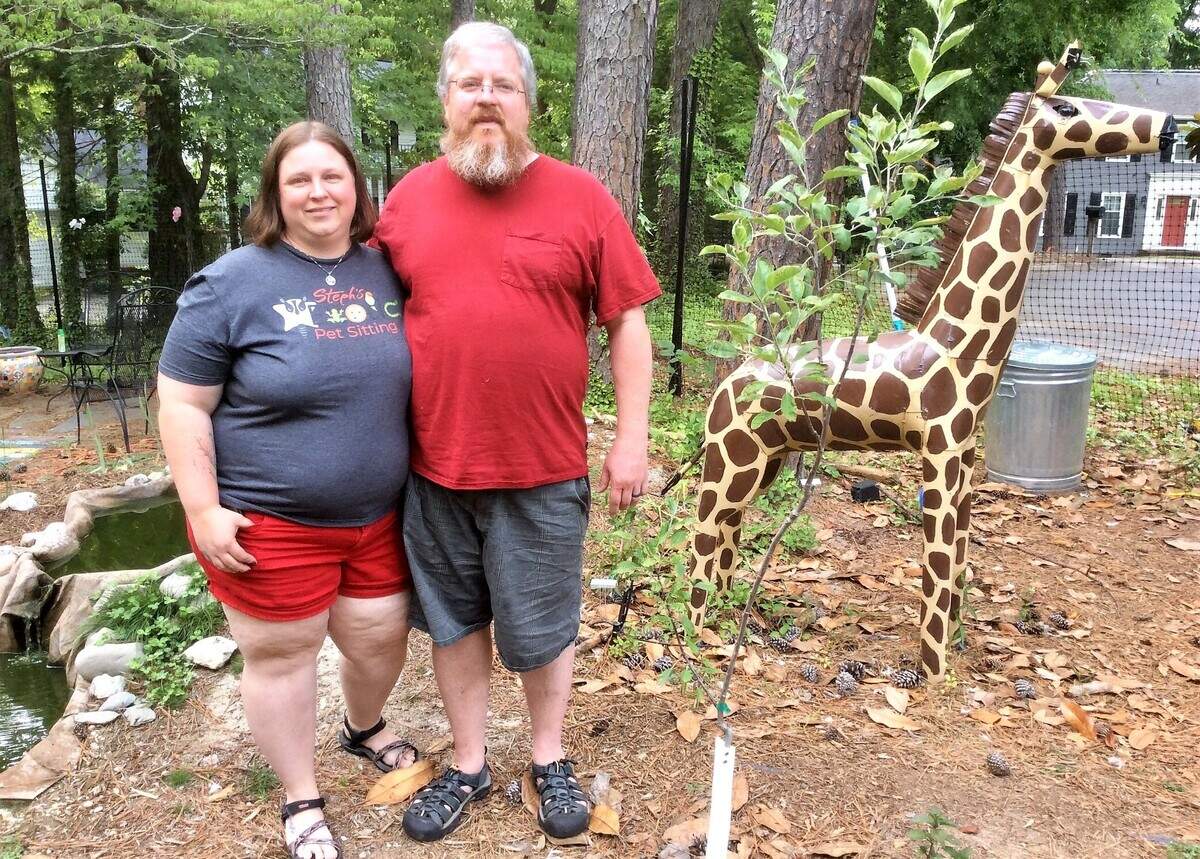
Edson and Stephanie Freeman think a rescue pig would be a great addition to the five children, four ducks, three chickens, one cat, and multiple reptiles and snakes at their four-bedroom home in Chapel Hill’s Briarcliff neighborhood.
“Little kids in the neighborhood will come see the ducks, and sometimes I’ll tell them the other pets exist and I’ll bring out a snake or bring out a bearded dragon,” Stephanie Freeman said in an interview Monday. “We are the petting zoo of the neighborhood.”
On Friday, she and her husband submitted a petition to the Town Council asking for new rules allowing pet pigs. They got the idea to adopt a pig after Freeman’s allergies worsened, forcing them to find a new home for their dogs, they said.
“You get that affection from a dog that you just can’t get from a reptile, or a duck or a chicken,” said Stephanie Freeman, who runs an exotic pet-sitting business, relocates unwanted copperheads and grew up rescuing baby squirrels. Her husband grew up watching his mother rescue dogs and cats and, for a while, tried his hand at livestock farming.
“Pigs are really intelligent, they are house trainable, and they can be really good pets if they are taken care of properly,” Stephanie Freeman said. “So we would like the opportunity to rescue a pig, because there are a lot of pigs out there that people got and didn’t realize how big they were going to get and decided they couldn’t keep them for whatever reason.”
Smart, clean pets need good homes
While the U.S. Department of Agriculture classifies miniature and potbelly pigs as exotic pets, states make their own rules. In North Carolina, small pigs are considered livestock and are banned in some cities and towns.
Durham, Raleigh and New Bern are among the towns that allow miniature pigs as pets, but in Chapel Hill, only property owners with four or more acres — and who live more than 100 feet from neighboring homes — can keep livestock.
Pigs are naturally hypoallergenic and rarely have problems with fleas and ticks, because they have coarse bristles instead of fur. They are clean — sleeping, eating and pooping in separate areas of their living space — and can live for 12 to 15 years. Their intelligence makes them easy to train using positive reinforcement.
That also makes them good pet therapy and emotional support animals for adults and children at nursing homes, schools and other facilities, according to the American Mini Pig Association, which offers a certification program.
But pigs also are very misunderstood, said Anna O’Neal, who founded the Jenna and Friends Animal Sanctuary, west of Carrboro.
O’Neal was preparing Tuesday for the drive to Charlotte, where she planned to rescue a pig that had been abandoned after being overfed, traumatized and improperly sheltered.
“No one would take this pig,” she said. “Someone just abandoned her when they moved, and this pig’s been staying in someone’s backyard, and they’ve been calling the animal shelters. No one will help them, and this pig is 11 years old and very overweight.”
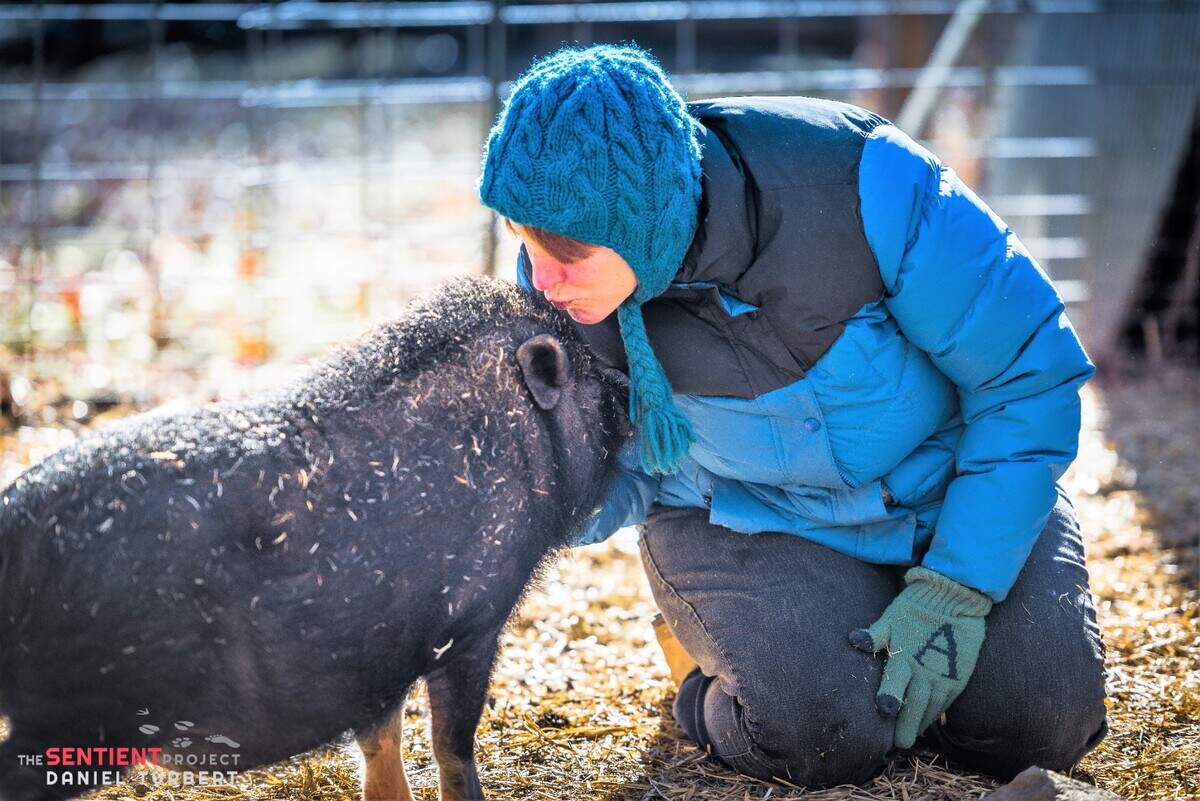
Several of her pigs have been rescued from situations where a breeder duped someone into buying piglets by promising they would remain small, O’Neal said. A few also were rescued from apartments, which are never good homes for pigs, she said.
While farm pigs bred for consumption can grow to 900 pounds or more, even pig breeds marketed as miniature, micro-mini, teacup or nano size can grow to over 150 pounds in the first four years. That’s why so many end up being rescued, Edson Freeman said.
“There’s no 40-pound, full-grown pigs,” he said. “There are people who will try to convince you of that by selling you a piglet, but then tell you it’s never going to get more than the size of your house cat.”
Shelter, trees, social connections
O’Neal said anyone interested in a pet pig should be able to provide a large, sturdy enclosure — preferably a barn — with room for the pig to move around, to hang heating lamps and provide enough straw for burrowing at night. Some pigs do squeal at night, she said, and their water containers get dirty and are regularly knocked over.
They also can damage trees and the land, causing stormwater runoff if the damage is not regularly repaired, she said.
“If you have nice landscaping, they’re going to destroy it. They love the woods, but they chew the bark off the trees, and once they do that, the trees are going to die and fall,” O’Neal said.
Pigs also are social creatures, she said, forming deep bonds and sleeping in a big pile at night, sharing their food, and playing in the woods and mud together. The Pig Pals of NC rescue group reports that roughly 90% of solitary pigs become aggressive by the age of 4 if they don’t get enough socialization.
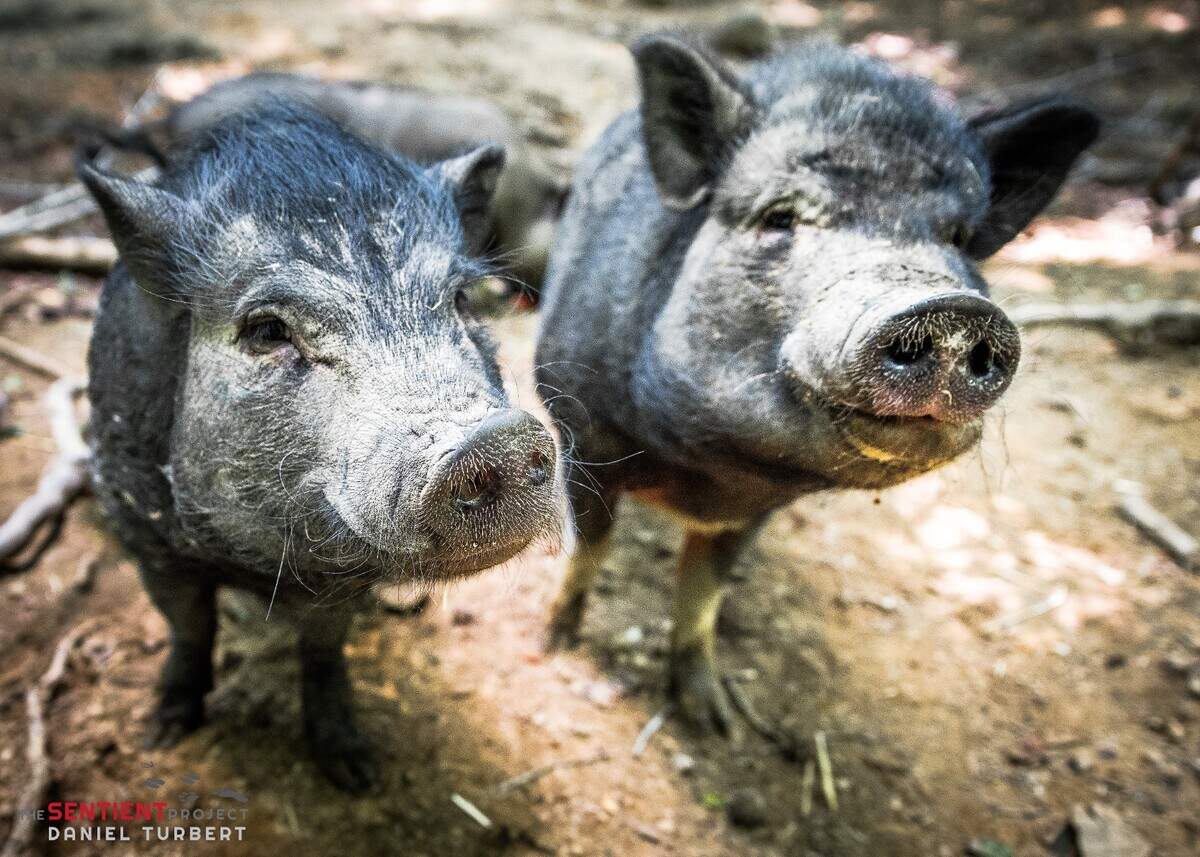
A family with kids and other animals can provide adequate attention and love, but it’s not the preferred situation, O’Neal said.
“Pigs get really depressed, and every pig that I’ve had that’s come in from a single home comes here just kind of down in the dumps,” she said.
The Freemans are doing their research, looking for a rescue pig, and providing a large backyard with sturdy fencing, shelter and adequate shade trees, she noted.
“What worries me,” O’Neal said, is “for someone to go to a breeder and get a pig and stick them in this little contained area with no socialization. They don’t have woods to roam around in. They don’t have dirt to root around in and mud puddles to roll around in in the summer. My concern is not so much the folks who are thinking about getting a couple of pigs inside the Chapel Hill city limits.”
The council could hear the petition Wednesday and schedule it for a future discussion, Mayor Pam Hemminger said Tuesday.
This story was originally published May 19, 2021 at 10:04 AM.