Chapel Hill honors groundbreaking Black mayor, educator and civil rights activist
Chapel Hill honored three Black trailblazers Wednesday night, including the town’s only Black mayor and a longtime social justice and civil rights champion who died in 2019.
The Town Council voted unanimously to rename the Chapel Hill Transit facility on Millhouse Road for former Chapel Hill Mayor and state Sen. Howard Lee and his wife, Lillian Lee.
Lee, the son of a Georgia sharecropper, won his first election to Chapel Hill’s mayoral office in 1969. He was the first Black person to be elected mayor of a predominantly white town in the South since Reconstruction, serving three terms before running unsuccessfully for lieutenant governor in 1976.
Lillian Lee also fomented change as an advocate for children and as one of the first teachers at the UNC Hospital School in 1965. She retired after many years as a counselor and administrator in the Chapel Hill-Carrboro City Schools.
She also has served as a board member for the annual University/Community MLK Memorial Banquet, in addition to serving on a number of town boards and committees.
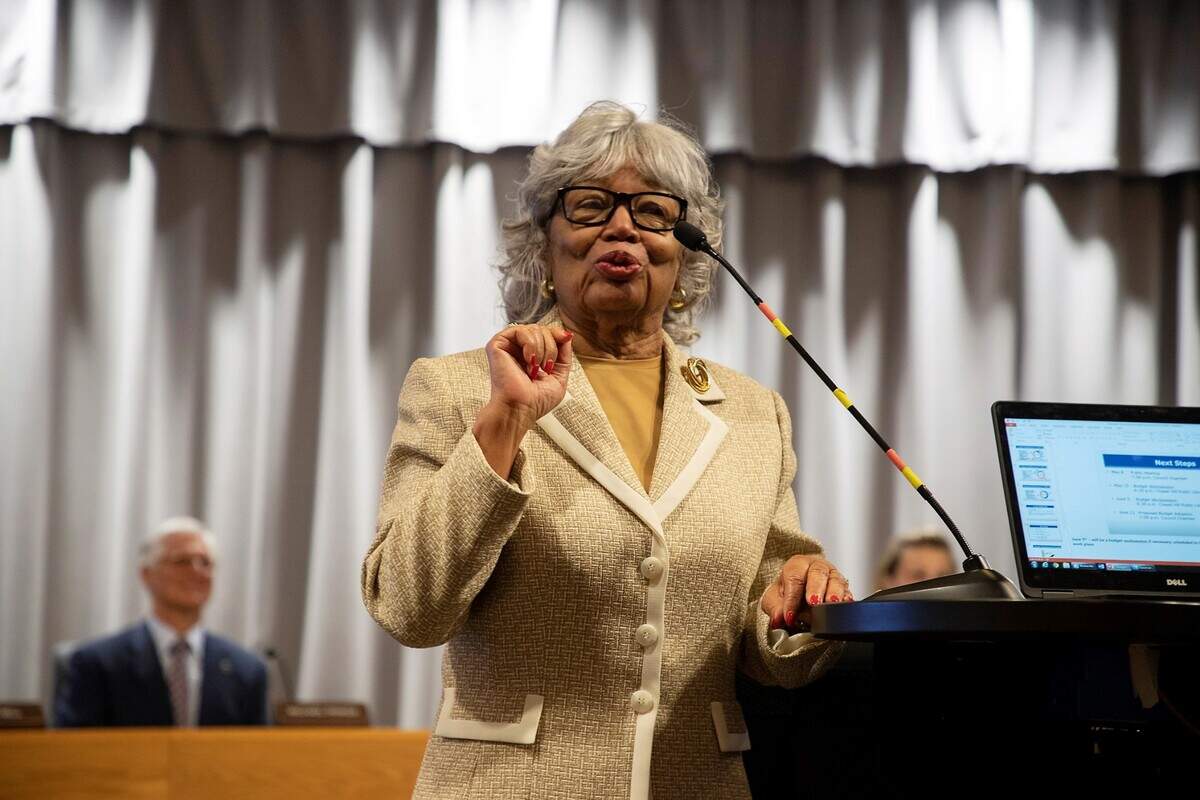
Wednesday’s move to rename the facility was a deviation from the town’s naming policy, which doesn’t normally allow places and buildings to be named for people while they are still alive. The council has discussed changing the policy.
Council members made few remarks before approving the exception. The Lees did not speak at the meeting, which was held virtually.
“I find there to be no one more deserving of being honored in this way,” Council member Jessica Anderson said.
The council also approved adding a new name for the town’s Peace and Justice Plaza in front of the U.S. Post Office on East Franklin Street. Frederick “Fred” Lewis Battle, a civil rights activist and longtime town servant, will have his named added. He died in 2019 at the age of 75.
Mayor, senator, Chapel Hill Transit
The Lees faced significant racism and threats after moving to Chapel Hill, from overcoming discrimination when buying a home in 1966 in a white neighborhood in Chapel Hill to finding a burning cross on their lawn one night.
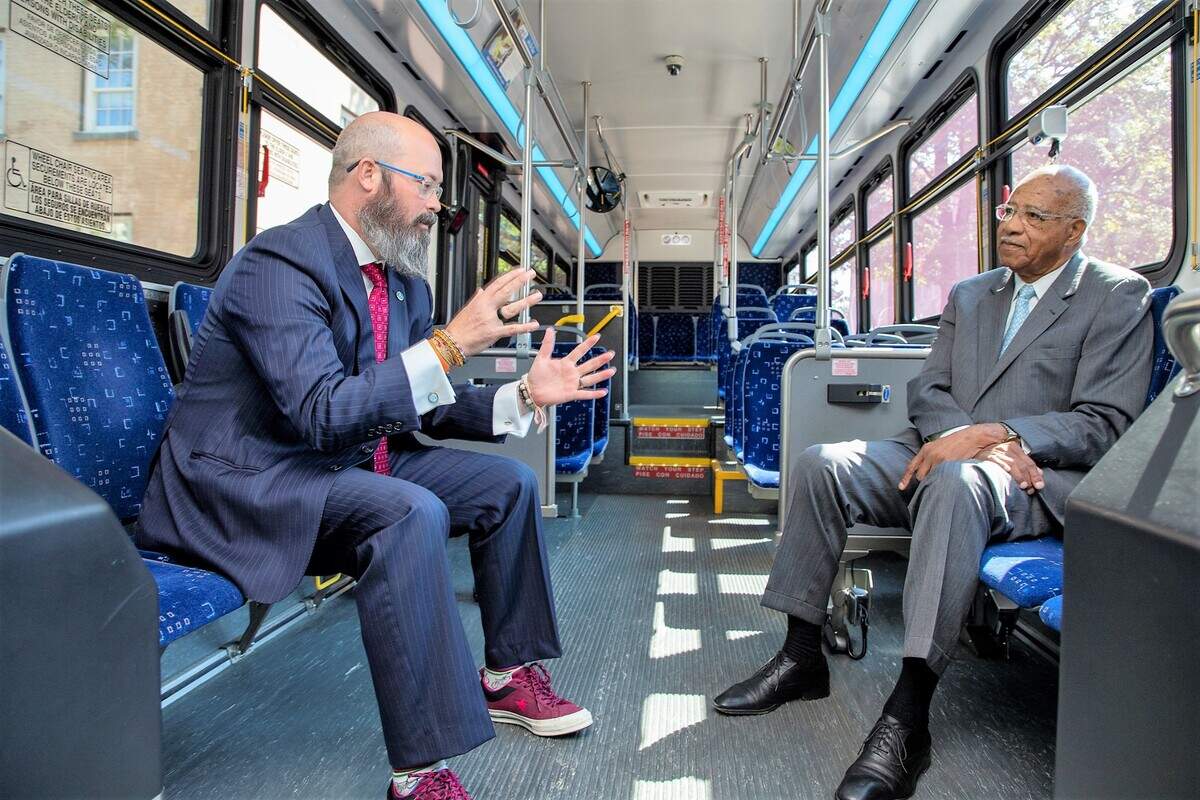
In 1974, Lee launched the Chapel Hill Transit system. Transit Director Brian Litchfield recounted Wednesday how Lee negotiated with the mayor of Atlanta to buy the system’s first five buses and pushed for the partnership with UNC that allowed it to grow.
In a 2019 video celebrating the transit system’s 45th anniversary, Lee recalled facing many roadblocks, from repairing the first buses when they broke down while being delivered to Chapel Hill, to shutting down the system soon after it started because the money ran out.
He overcame community opposition to secure more funding, but it would be a few years before Carrboro Mayor Robert “Bob” Drakeford convinced his residents to join the transit system.
It was “one of my proudest and most important achievements as mayor,” Lee said at the time.
The system, which went fare-free in 2002, is largely funded today by the University of North Carolina and the towns of Chapel Hill and Carrboro, with some state and federal money.
At 11 a.m. Friday, local officials will gather in the Eubanks Road park-and-ride lot to celebrate the first three electric buses to join the fleet. The goal is to eventually transfer the core fleet to zero-emission buses. Chapel Hill Transit has 93 buses — 29 of which are hybrid.
“We think that this (name change) is consistent with our interest to recognize not only his efforts to create the transit system, but also the other things that he accomplished throughout his long career,” Litchfield said Wednesday.
Lee’s political career took him to the state Department of Natural Resources and Community Development, where he was secretary under Gov. Jim Hunt.
In 1990, he was elected to the N.C. Senate, spending much of the next 13 years fighting for education reform, higher teacher pay and standards, and major programs, including Smart Start, More at Four, the Safe Schools Act, and the Excellent Schools Act.
Lee, who had taught at Duke University, N.C. Central University and in the UNC-Chapel Hill School of Social Work, also served as chair of the N.C. State Board of Education, as a member of the N.C. Utilities Commission, and as the first executive director of the N.C. Education Cabinet under then-Gov. Beverly Perdue.
He has written and co-written many books and articles over the years, including his memoir, “The Courage to Lead, One Man’s Journey in Public Service,” which was released in 2008.
The Kenan Institute noted on its website that one of Lee’s biggest achievements was the idea for the Mountains to the Sea Hiking Trail, most of which has been completed and is in use today.
Social justice fighter
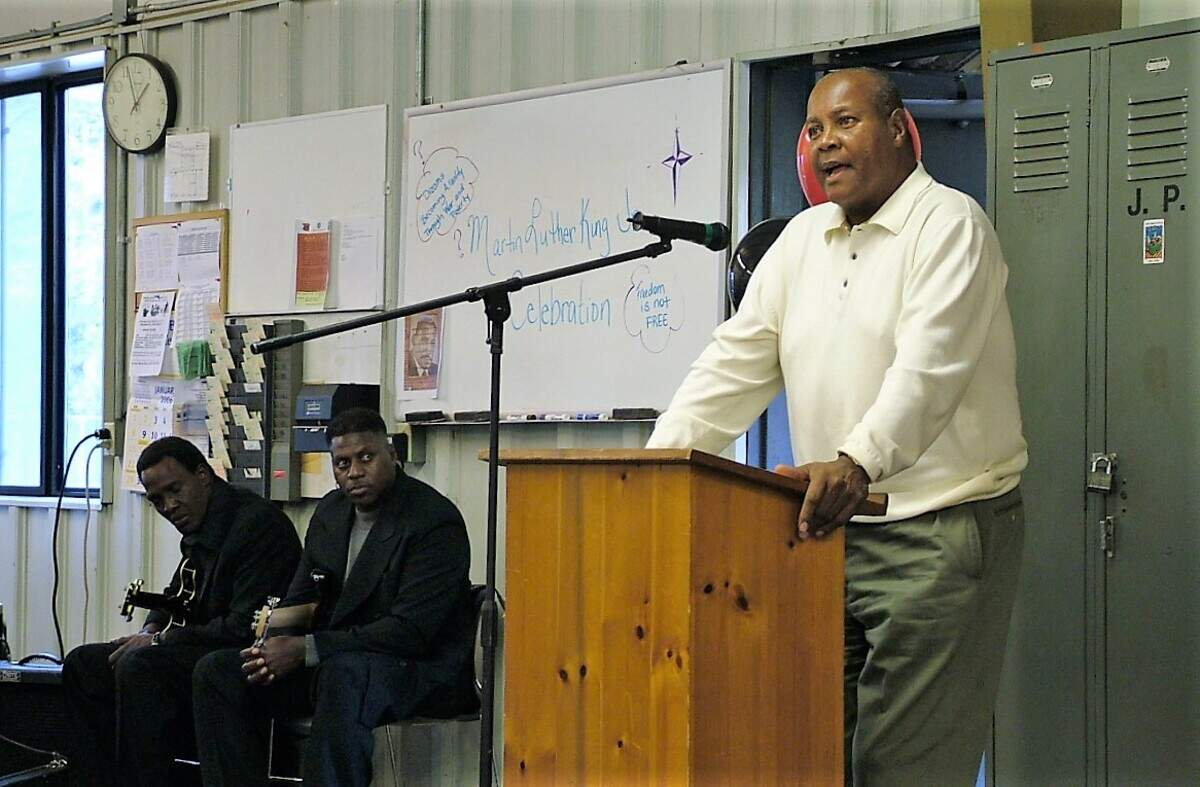
Battle’s name will be etched into the concrete Peace and Justice Plaza alongside a growing list of Chapel Hill citizens “who had given much of their lives to the causes of peace and justice in our community,” the council stated in its resolution.
Other honorees have included Yonni Chapman, Rebecca Clark, Rev. Charles M. Jones, Joe Herzenberg, Henry “Hank” Anderson III, Bill Thorpe, Dean E. Smith, Mildred Council, Harold Foster, Rev. Robert Seymour and Edith Wiggins.
Battle was a Chapel Hill native who joined the 1960s civil rights protests while still attending the all-Black Lincoln High School on Merritt Mill Road. After graduation, he continued to join sit-ins and protests as a student and football standout at N.C. A&T State University in Greensboro.
Battle, working with Chapman, later started the Orange County Rainbow Coalition of Conscience and, in 1987, he helped to revitalize the Chapel Hill-Carrboro NAACP, serving as its president for eight years.
He worked for the town of Chapel Hill, becoming superintendent of public works, parks, and director of the Hargraves Community Center. He played there as a young man in the historically African-American Northside neighborhood and influenced generations of young people.
He also served on the Chapel Hill-Carrboro Schools Board of Education and as a member of the Orange County Board of Health, Orange Water and Sewer Authority Board of Directors, Solid Waste Advisory Board, Joint Orange-Chatham Community Action Board, and Intergovernmental Parks Work Group.
This story was originally published April 7, 2022 at 6:00 AM.