OWASA water rate hike coming for Chapel Hill, Carrboro customers, as past due bills rise
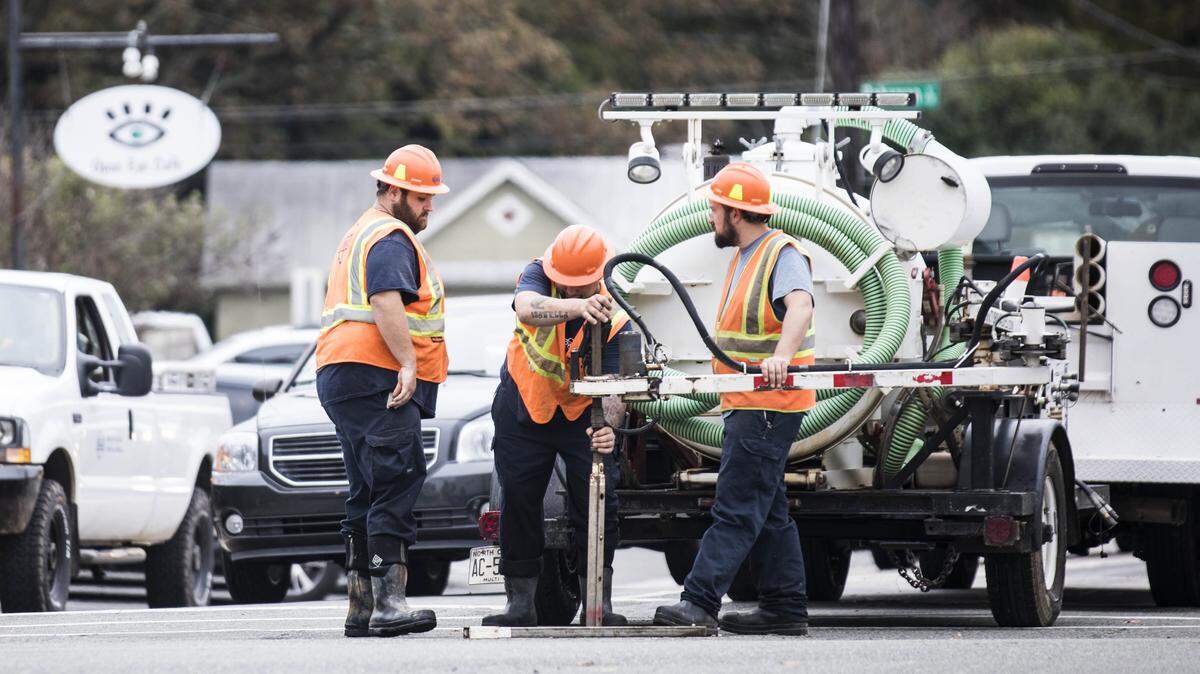
Chapel Hill and Carrboro residents could pay 16% more for water and sewer services next year, even as more customers fall behind on their bills.
The Orange Water and Sewer Authority held a public hearing Thursday on the nonprofit utility’s proposed $26.4 million operating budget and $21.9 million capital needs budget for maintenance, upgrades and repairs.
The OWASA board of directors could vote on the proposed budget June 9.
At 16%, the proposed rate hike is more than twice what had been anticipated and could start in October, said Stephen Winters, OWASA’s director of finance and customer service.
It would add $12.71 to the average residential bill, making it $92.17 for a family that uses 4,000 gallons of water a month.
Additional 6% to 7% increases could be levied over the next five years.
Winters noted that the budget reflects the combined effect of spending and rate increases delayed because of the 2020 pandemic, rising inflation and costs, and a more competitive labor market.
OWASA customers also are victims of their own success, he said.
The utility is selling the same volume of drinking water as it sold in the late 1980s, Winters said. But even though customers have nearly doubled — to 22,000 — sales have remained flat since the mid-2000s.
“It’s a picture really of a tremendous success story from a conservation standpoint by the community, and there’s a lot of benefits of a conservation effort like that,” Winters said.
“We can delay the need to look for additional water supplies. We can also delay the need for expanding system capacity, (but) expenses keep continuing to rise and without additional volume sales that does put pressure on us to raise rates,” he said.
Aging pipes, repairs, upgrades
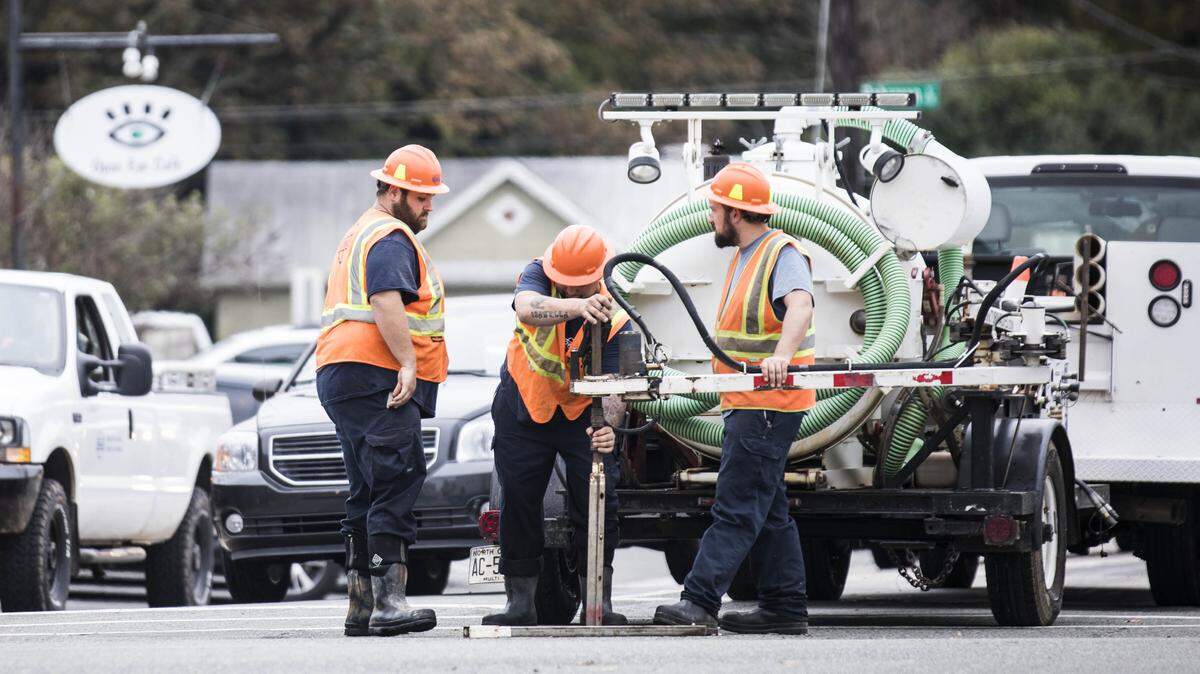
But less money coming in means the utility has to be judicious about tackling its significant infrastructure and technology needs, some of which could reduce the risk of critical failures and others aimed at more secure and streamlined operations.
Some of the pipes and valves in the system’s complicated, aging network are over 40 years old.
In 2017, the utility suffered one of its biggest failures when a fluoride overfeed combined with pressure on a water main pipe caused a massive break at the intersection of Summerfield Crossing Road and Foxcroft Drive in Chapel Hill.
The break left OWASA’s customers without water for more than 24 hours and caused the system to lose 1.2 million gallons of water.
In 2018, another water main broke — this time, in front of OWASA’s Jones Ferry Road water treatment plant. The break released 9.4 million gallons of water and again left customers without water for over 24 hours.
Help paying water, sewer bill
OWASA will return to its normal collection practices June 1, after a two-year moratorium on disconnections for customers who fail to pay their bills. Disconnections could start in August.
OWASA officials said help is available for customers who are still struggling to pay their bills, including through the Care to Share donation program, community partners and a new federal Low-Income Household Water Assistance Program.
The number of past-due accounts at OWASA has grown from less than 400 in March 2020 to over 800 this year, a report showed. The average overdue bill was roughly $475. OWASA will offer extended, fee-free payment plans to help customers catch up, officials said.
More information can be found at https://tinyurl.com/2p86n2m3.