Chapel Hill wants to add housing more easily. Could public input suffer?
UPDATE: The Chapel Hill Town Council debated the proposed changes on Nov. 19, 2025, before casting a tie vote on whether to approve them. The discussion will come back to a future council meeting.
Town Council members and residents can continue to weigh in through next month as Chapel Hill considers changing its development rules.
Town staff has recommended ending concept plans — which developers submit for early feedback before a formal application — and streamlining other approval processes to be more efficient.
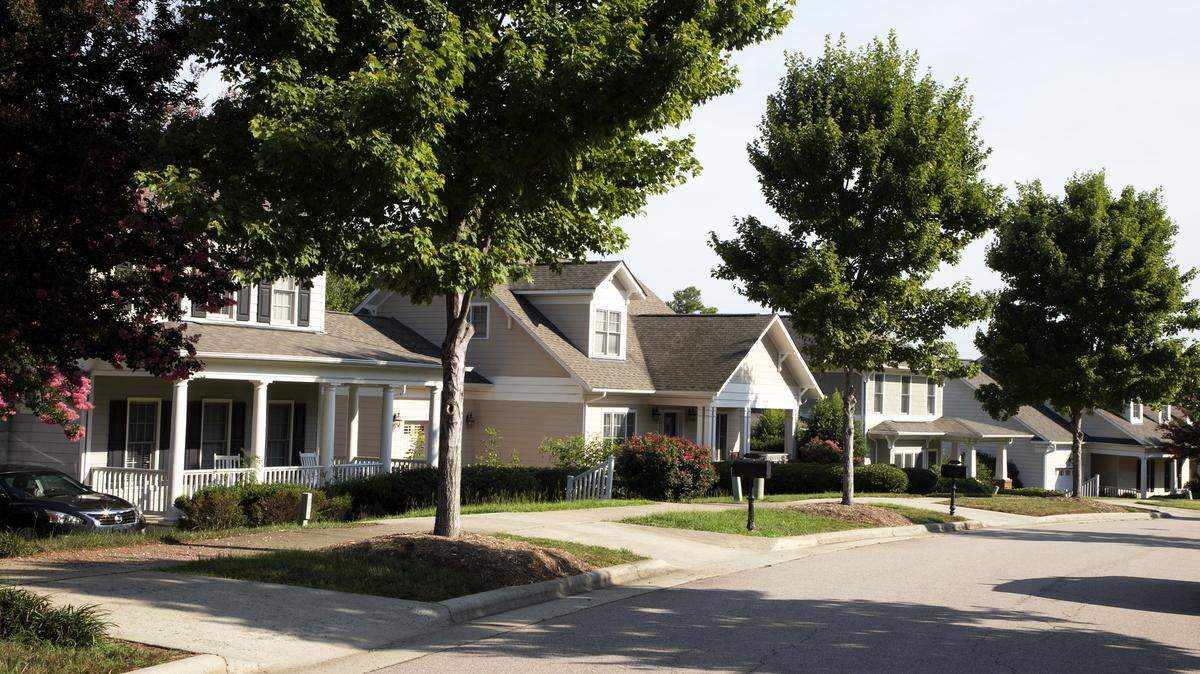
Staff also has recommended changing rules for residential construction to allow larger duplexes and smaller lots, a change aimed at attracting infill development in existing neighborhoods.
Under state law, Council member Adam Searing noted Wednesday, none of the proposed residential changes would apply to neighborhoods with homeowners associations or to university-owned property, which covers about 40% of Chapel Hill’s land.
Could town lose early input, public feedback?
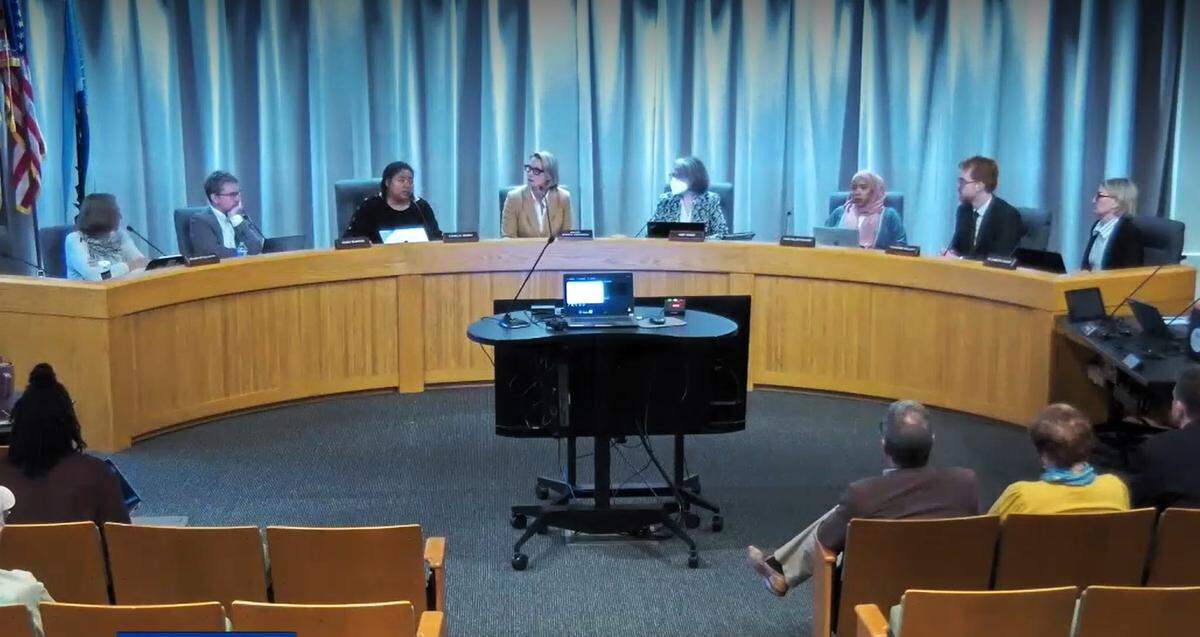
Several council members zeroed in Wednesday on how the proposed changes could affect the town’s robust public-input process.
Council member Elizabeth Sharp said she is “most on the fence” about losing concept plans, which give everyone a chance to share ideas for better projects.
“It really makes me anxious to think about just opening the floodgates and crossing our fingers, and I think that’s a reaction that a lot of people in town share,” Sharp said.
It would be helpful “if we also address the risks involved in some of these other changes that we might be making,” she advised. “The more that we can be open and direct about what those risks are, the less that people will feel that those are being ignored or devalued.”
Mayor Jess Anderson agreed. The town needs “to be more mindful and intentional about our community engagement and how we set expectations about how feedback will be used,” she said.
Town planner Tas Lagoo suggested staff work on ways to better inform the public about new development applications, hold “more meaningful” public information meetings before a project goes to the council, and reach out to neighbors to hear their concerns.
Streamlining projects to create flexibility
Most big projects in Chapel Hill now start with a concept plan, followed by an official conditional zoning or special-use permit application. Conditional zoning, which has become more common since 2018, lets the council consider public opinion and negotiate with the developer for community benefits.
Town staff has recommended changes that would result in less detailed plans being presented to the council, and also reduce the number of public hearings to one before a vote. The council now holds two or more hearings prior to a vote, but Lagoo said it could still do that if the changes are approved.
The changes also would leave it to staff to review more detailed construction plans after a project is approved and review exterior details, a role that is now delegated to the town’s Community Design Commission.
It’s not just about the time and money spent getting projects approved, which has discouraged some developers from building in Chapel Hill, Lagoo said. It’s also about potential, unexpected challenges with the project site, the economy and other pre-construction details.
“We want to be able to give folks an opportunity to, within certain defined guidelines, evolve their project, allow it to adapt to changing circumstances, while still staying within the general confines of what council has approved and what the community expects from the project,” Lagoo said.
Council member Amy Ryan said she’s happy to streamline, “up until the point where we stop getting things that we want.”
However, it might be good to steer proposals that don’t meet the town’s Complete Community goals for walkable, connected neighborhoods toward a council concept review, she added.
“Just so they can hear from a decision-making body that this is not what we want. You’re welcome to bring whatever you want to bring, but we’re telling you right now this is not likely to succeed,” Ryan said.

Potential effects on affordable housing
Council members also had questions Wednesday about how conditional zoning changes aimed at getting projects through the pipeline faster could reduce the board’s leverage in negotiating for public benefits, particularly affordable housing.
The town adopted a policy in 2022 that speeds up the approval process for projects with 25% or more affordable housing units. Council member Camille Berry said she and others saw that policy as an incentive to get more affordable housing for the town.
That was never the intent, Lagoo said. Instead, town staff wanted an expedited process to help nonprofit housing developers meet the tight timelines for seeking federal tax credits to help build their projects.
“You have to throw a lot of extra value at a developer or development in order to get more affordable units,” Lagoo said.
Planning Director Britany Waddell jumped in to remind the council that the changes are about streamlining “a cumbersome process that is very lengthy and sometimes unnecessarily so.”
“As we’re looking for ways to remove steps that are redundant, and to increase those efficiencies, this is just part of that process,” she said, adding the changes would let projects “get through our development review process with more certainty and stability than we currently have.”
The council will continue the discussion and could vote on the proposed changes at its Nov. 19 meeting.
This story was originally published October 23, 2025 at 6:07 PM.
CORRECTION: The Town Council will hold a second public hearing to consider changes to the land-use rules on Nov. 19. An earlier version of this story gave the wrong date.